Last updated November 18, 2026
Free written scope consultation - allowances, timeline, and change-order rules on paper before a single trade is scheduled
How Long Does General Contractor Take? Timelines and What to Expect
Here’s a number that surprises most homeowners: a kitchen remodel with a three-week construction window can run 10 to 14 weeks from signed contract to final inspection. The hammer swinging isn’t the slow part. Permit processing, cabinet lead times, and inspection scheduling gaps eat the calendar, and almost no bid mentions them. If you’re planning a remodel in Concord or anywhere in California, knowing where the time actually goes lets you build a schedule that holds instead of a schedule that drifts. This guide walks through every phase, the real Concord delays, and what your contract should say to keep everyone honest.
Quick Answer
A typical general contractor project runs longer than the on-site work suggests: a bathroom takes 4 to 8 weeks total, a kitchen 10 to 14 weeks, and a whole-home remodel 5 to 9 months from contract to final inspection in California. The difference between a bid’s “construction days” and the real calendar is pre-construction permitting, material lead times, and inspection scheduling. Building those gaps into your contract is what separates a plan that holds from one that slips.
Styles & brands we work with
- Kitchen remodeling
- Bathroom remodeling
- Home additions & ADU
- Roofing
- Windows & doors
- Driveway & pavers
- Fence
Table of Contents
- Where the Time Actually Goes
- Phase-by-Phase Timeline Breakdown
- Permits and Inspections: The Real Bottleneck
- Material Lead Times in Today’s Supply Environment
- What a Contract Schedule Should Include
- Contractor Delay vs. Permit Hold vs. Owner Decision
- Timeline Red Flags in a Bid
- Common Mistakes to Avoid
Where the Time Actually Goes
Most bids quote the on-site days because that’s the part the contractor controls and can see. The problem is that on-site days are maybe 40 percent of your actual calendar. The rest lives in the permit queue, in a cabinet factory three states away, and in the three-week gap between your rough inspection getting called and an inspector actually showing up.
We’ve tracked enough remodels in Concord to know the pattern. A job with a stated 21-day build window routinely lands at 70 to 98 days from contract to final inspection. Here’s the split in rough terms:
- Pre-construction (permits, drawings, material orders): 2 to 6 weeks
- Demo: 2 to 5 days
- Rough work (framing, electrical, plumbing, HVAC): 1 to 3 weeks
- Rough inspections: 3 to 10 days of scheduling and correction
- Finish work (drywall, cabinets, tile, fixtures): 2 to 5 weeks
- Final inspection and punch list: 1 to 2 weeks
Notice how the small line items add up. The finish work feels long, but the inspections and material holds are what push a job past its promised date. When you’re comparing bids, ask each contractor to write down the pre-construction and inspection windows separately from the build window. A contractor who can’t shows you they haven’t thought about it. Ours do, which is part of what our Bradford Remodeling Co Concord home approach is built around.
Phase-by-Phase Timeline Breakdown
Here’s the sequence a properly run California remodel follows. Timelines are for a typical Concord project; larger homes and whole-home remodels scale up from here.
- Pre-construction (2 to 6 weeks). Drawings, engineering if needed, permit submittal, and material orders. This is where you lock the schedule. Not a single tool comes out until everything is ordered and the permit is in hand.
- Demo (2 to 5 days). Tear-out, haul-away, and site protection. Fast, but messy. Expect a dumpster and some dust control on day one.
- Rough work (1 to 3 weeks). Framing, electrical rough-in (wiring run through the walls before drywall), plumbing rough-in, and HVAC. This is the messy, loud part.
- Rough inspections (3 to 10 days). The building department inspects framing, electrical, plumbing, and mechanical before walls close. This is your single biggest scheduling variable, covered below.
- Finish work (2 to 5 weeks). Insulation, drywall, paint, cabinets, countertops, tile, fixtures, and trim. Custom cabinetry and stone countertops drive the length here.
- Final inspection and punch list (1 to 2 weeks). The last walk-through, corrections, and the final sign-off. A clean close means a documented scope signed by both sides.
That’s the skeleton. Where homeowners get surprised is in steps two and four, which are the ones a bid rarely discloses. A three-week build window sounds firm until you realize the rough inspection alone can eat a third of it.
Permits and Inspections: The Real Bottleneck
Concord’s building department, like most mid-size California jurisdictions, runs on a queue. Permit review for a straightforward kitchen or bath remodel can take 2 to 6 weeks depending on the department’s current backlog and whether your submittal is complete on the first pass. Structural work, additions, and anything touching load-bearing walls take longer.
Then come the inspections. Rough inspections are the most common source of delay on any remodel, and it’s rarely the inspector’s fault. It’s sequencing. Here’s what actually happens:
- Your crew finishes the plumbing rough-in, but the electrical isn’t done. You can’t call a combined rough inspection until both are complete, or you call them separately and wait.
- The department schedules the inspection 3 to 7 business days out. If a correction is flagged, you fix it, then re-schedule, adding another week.
- Some jurisdictions require the general contractor or a designated responsible party to be on-site for the inspection. If your contractor isn’t local to Concord, that coordination gap costs days.
This is why a disciplined contractor sequences rough work so all trades land together and calls the inspection once. A sloppy sequence calls it three times. Over a whole-home remodel in Concord, that pattern can add four to six weeks to your calendar. If you want a sense of how we handle the trade coordination on larger jobs, our General Contractor in Concord page walks through it.
Material Lead Times in Today’s Supply Environment
Material lead times are the second biggest schedule killer, and the one most bids ignore. Custom building products don’t come off a shelf. Here’s what to expect right now for the categories that stretch longest:
- Custom cabinetry: 6 to 12 weeks. Branded, spec’d lines like KraftMaid and Wellborn run on their own factory calendars. Ordering a custom kitchen the week after demo is a schedule disaster.
- Windows and doors: 6 to 14 weeks for made-to-order units, longer for specialty sizes or anything requiring Therma-Tru or similar custom exterior runs.
- Stone and engineered countertops: 2 to 5 weeks. Cambria and Silestone slabs are templated and fabricated locally, but the template appointment happens after cabinets are set, so it’s a serial step, not a parallel one.
- Specialty tile: 3 to 8 weeks. Stock tile is fast; imported or hand-made tile can be six weeks out.
- Engineered flooring: 2 to 5 weeks, sometimes longer for wide-plank or discontinued lines.
The rule is simple: order everything that has a lead time longer than your demo window before demo starts. A kitchen remodel that waits until the walls are open to order cabinets adds six to twelve weeks to the back end. That’s why our Kitchen Remodeling in Concord process starts with material orders, not demolition.
What a Contract Schedule Should Include
A schedule that’s not in writing isn’t a schedule, it’s a hope. The contract you sign should include all of the following, and if your contractor won’t put them in writing, that tells you something.
- Milestone dates, not just a total. Pre-construction complete, demo start, rough inspection date, cabinet delivery, finish start, and final inspection. Each one should have a calendar date, not a “week of.”
- Float assumptions. Float is the cushion built into a schedule for the unexpected. Ask how many days of float sit between the roughest step (inspection) and the next trade. A schedule with zero float is a schedule that slips the first time anything goes wrong.
- Explicit material order dates. The contract should state when custom cabinetry, windows, and countertops are ordered and what the quoted lead time is.
- Written change-order terms for timeline. Every legitimate change order should state not just the cost change but the day change. A material upgrade ordered after the cutoff, or an owner decision that delays a trade, should be documented.
- Weather and inspection-hold clauses. Concord’s spring rain and the building department’s queue are real. A fair schedule names both.
The Garrison Standard exists for exactly this. Every Bradford project carries a written price and a documented schedule before any work starts, so the timeline you’re agreeing to is the one on the page. Our Bathroom Remodeling in Concord quotes follow the same discipline even on smaller jobs.
Contractor Delay vs. Permit Hold vs. Owner Decision
When a project runs late, someone pays. The honest part of a contract is naming who absorbs the cost in each scenario. Here’s how that breaks down fairly.
- Contractor-caused delay (crew no-show, resequencing, poor trade coordination): the contractor absorbs it. No extra charge, no extension of the completion date. This is what a real guarantee covers.
- Permit or inspection hold (department backlog, a correction flagged through no fault of the crew): usually a shared or contractor-absorbed cost, depending on whether the delay was preventable. A correction due to faulty work is the contractor’s problem; a correction due to a code change mid-project is a genuine change order.
- Owner-decision delay (you haven’t picked a cabinet finish, you switched countertops after order): you absorb it. The schedule moves and the cost moves with it. This is the number one cause of delays in our experience, and it’s the easiest to prevent: make every material decision before demo starts.
Every legitimate delay should be documented in writing, with a cause, a new date, and an agreement on who pays. The Garrison Standard requires that, and so should any contract you sign.
Timeline Red Flags in a Bid
Some bids are honest about time and some pad the numbers to look competitive. Watch for these warning signs before you sign:
- A total timeline with no milestone breakdown. If they can’t tell you when cabinets arrive, the schedule is fiction.
- “We order cabinets after demo.” That adds six to twelve weeks, every time.
- No mention of the permit process or inspection scheduling. A local contractor should know Concord’s queue well enough to name it.
- A schedule with zero float. Real jobs have unexpected days; honest schedules plan for them.
- A completion guarantee that doesn’t say what happens if they miss it. The 365-Day Done Right Promise covers corrections after close, and every Bradford quote is in writing before work starts.
If a bid looks too fast, it usually is. Ask what it’s excluding, and listen for the answer.
Common Mistakes to Avoid
- Judging a bid by its build days alone. A “three-week kitchen” means three weeks on site, not three weeks total. The pre-construction and material windows are the schedule.
- Ordering materials after demo. Waiting to order cabinets until the walls are open adds six to twelve weeks. Order everything with a long lead time before demo starts.
- Leaving material selections open until the last minute. Owner-decision delays are the most common cause of slipped timelines, and they cost the homeowner, not the contractor.
- Scheduling a Concord remodel in the middle of winter or spring rain. Exterior work and anything touching the envelope slows down when the rain sets in, and the building department queue can lengthen around the holidays.
- Accepting a verbal schedule. If milestone dates, float, and change-order terms aren’t in the contract, you have nothing to point to when the job slips.
- Skipping the permit. Unpermitted work in Concord can stall a sale or trigger a costly correction later. Permits take time, but skipping them is a longer delay down the road.
- Choosing a contractor with no local inspection experience. An out-of-town crew that doesn’t know the Concord department’s sequencing will cost you days on every inspection.
When to Call a Professional
If your project touches structure, electrical, plumbing, or gas, or if it requires a permit, it’s not a weekend job. Anything that changes a load-bearing wall, moves a rough-in, or adds square footage needs a licensed contractor and a permit. So does a kitchen or bath remodel where you want the schedule to hold. If you’re weighing a full rebuild versus a refresh, a professional walkthrough tells you which is which before you spend a dollar on materials. Bradford Remodeling Co Concord offers free estimates in Concord – call (866) 476-6447 to schedule yours and get a written schedule and price in hand before any work starts.
See the difference
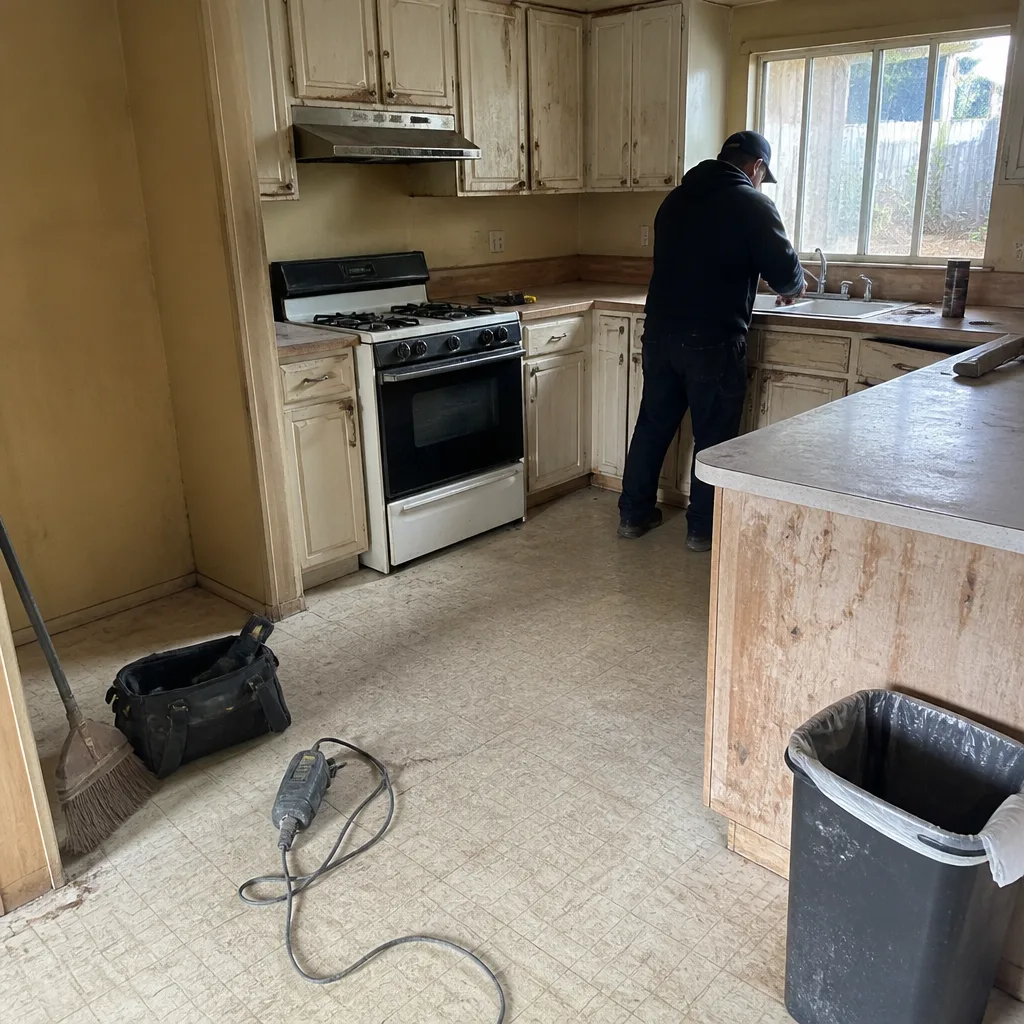 Before
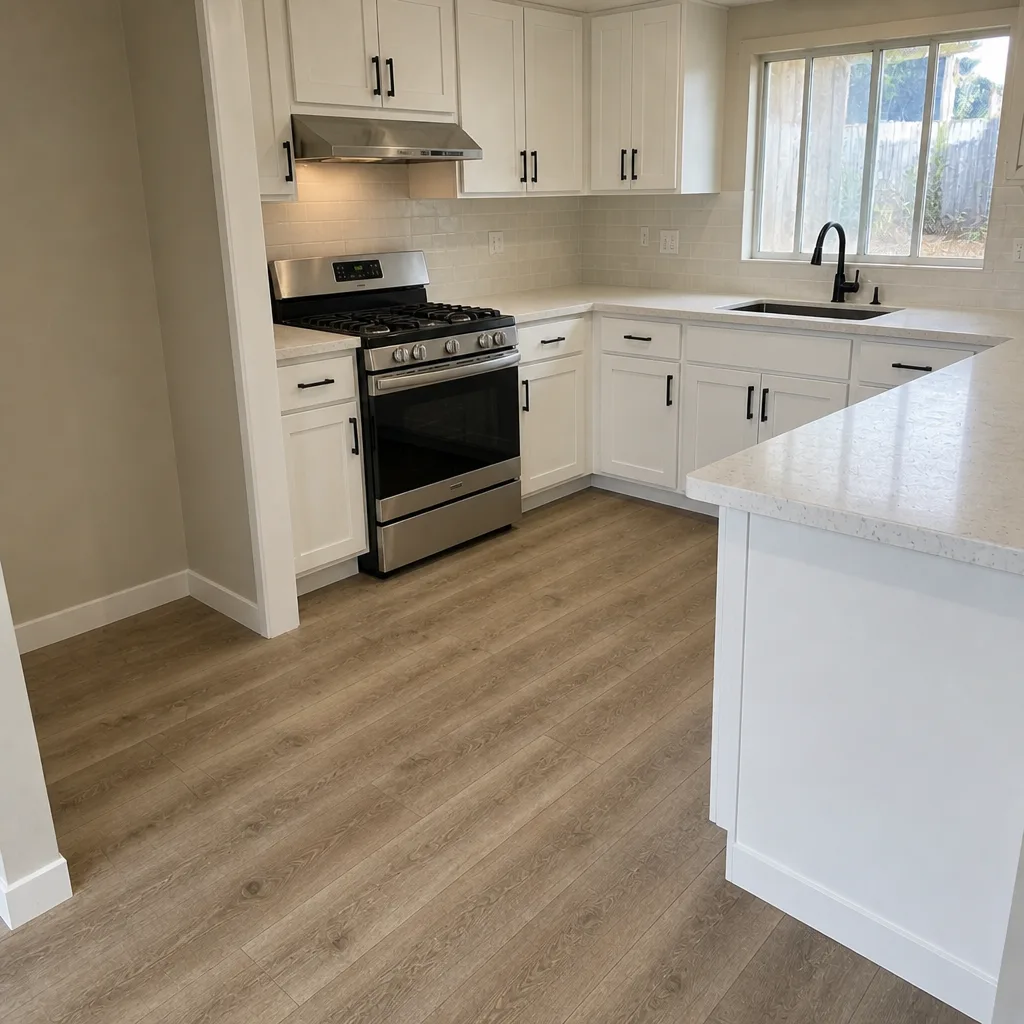 After
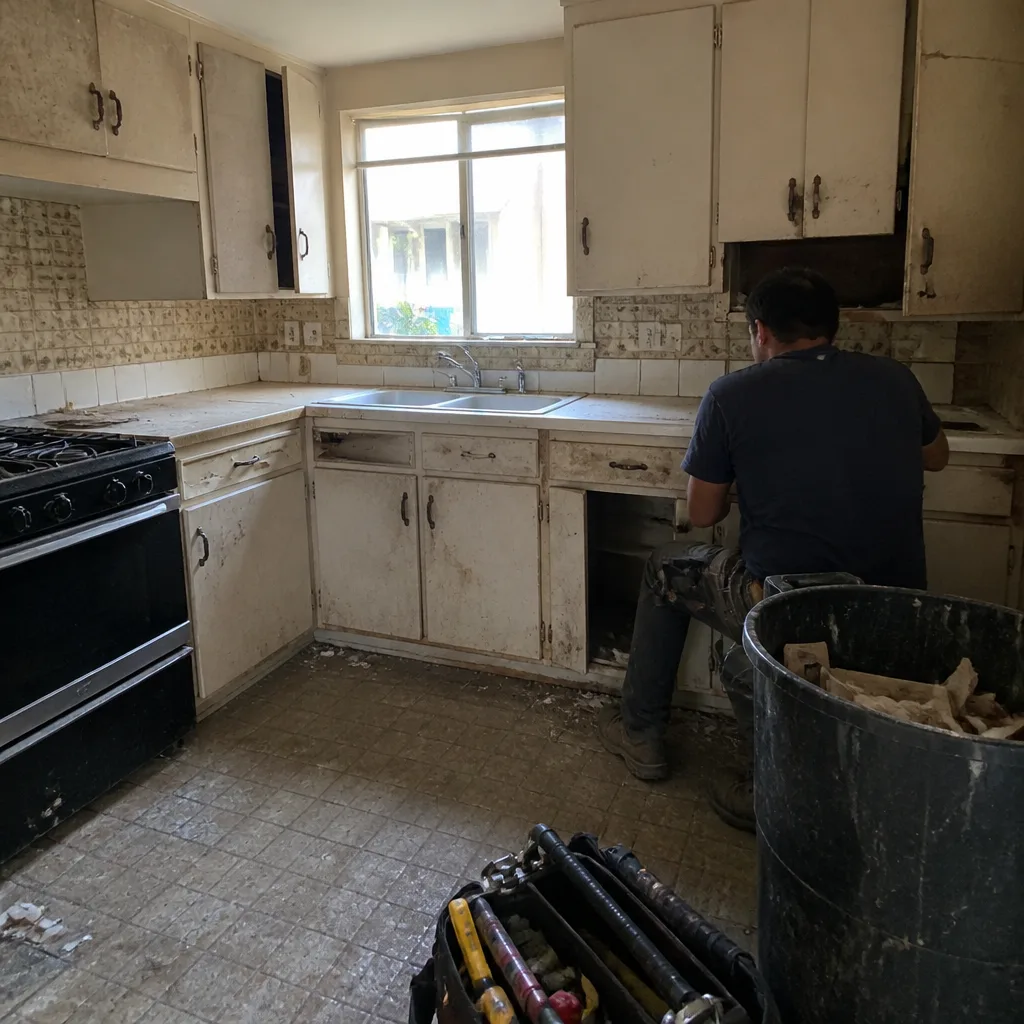 Before
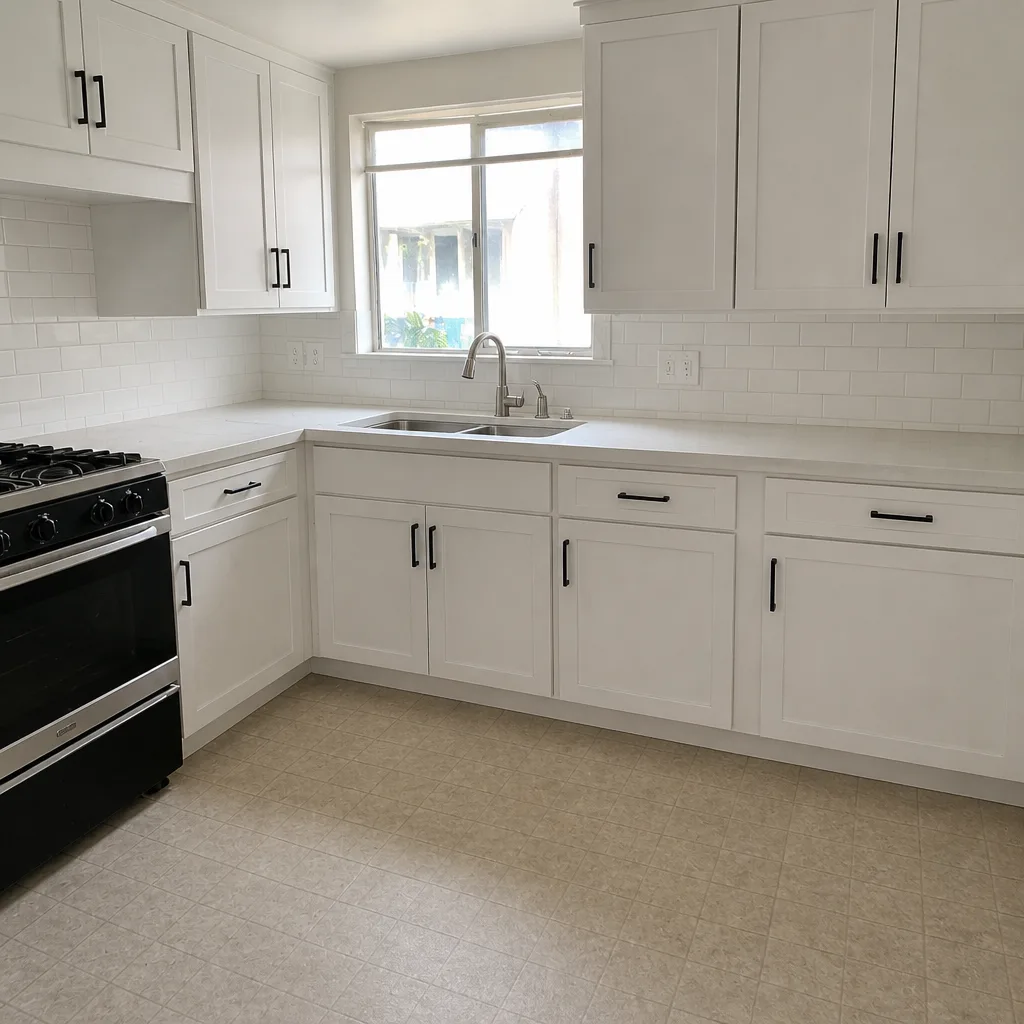 After
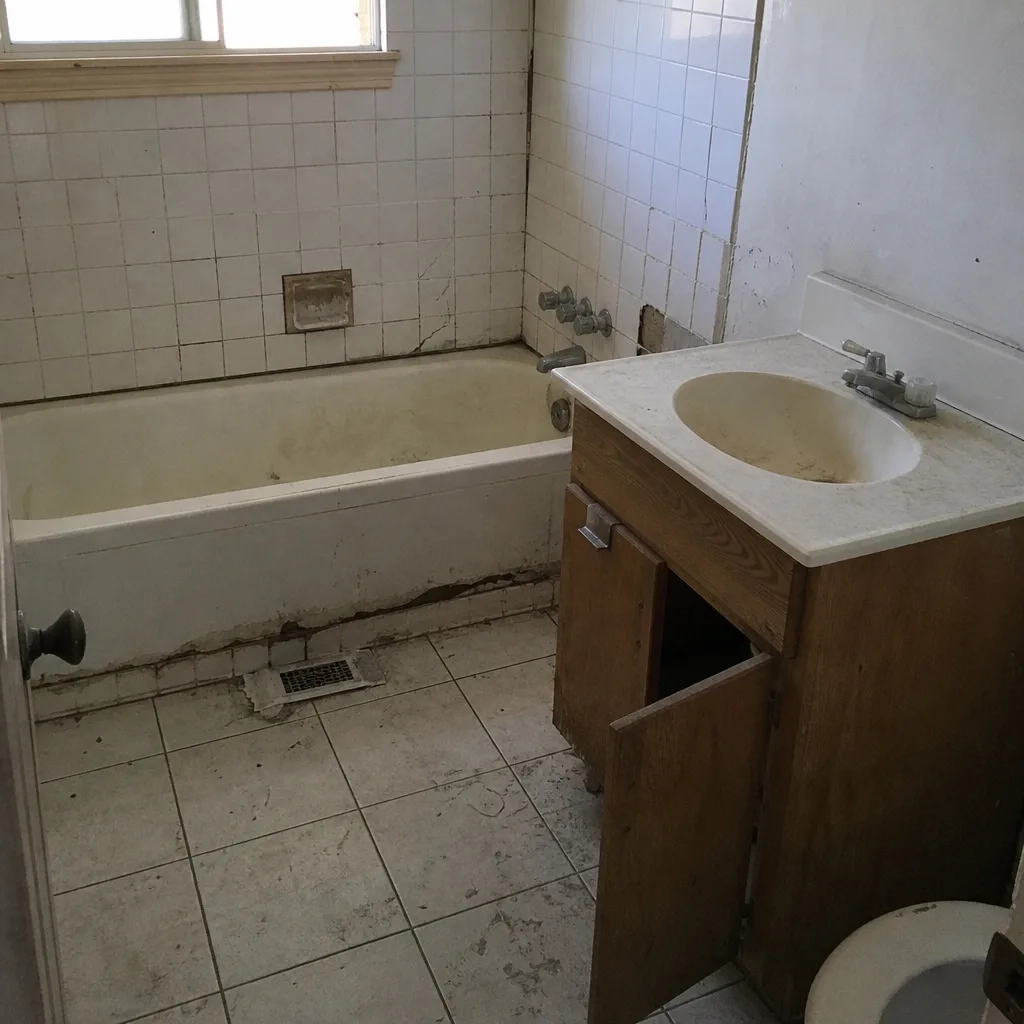 Before
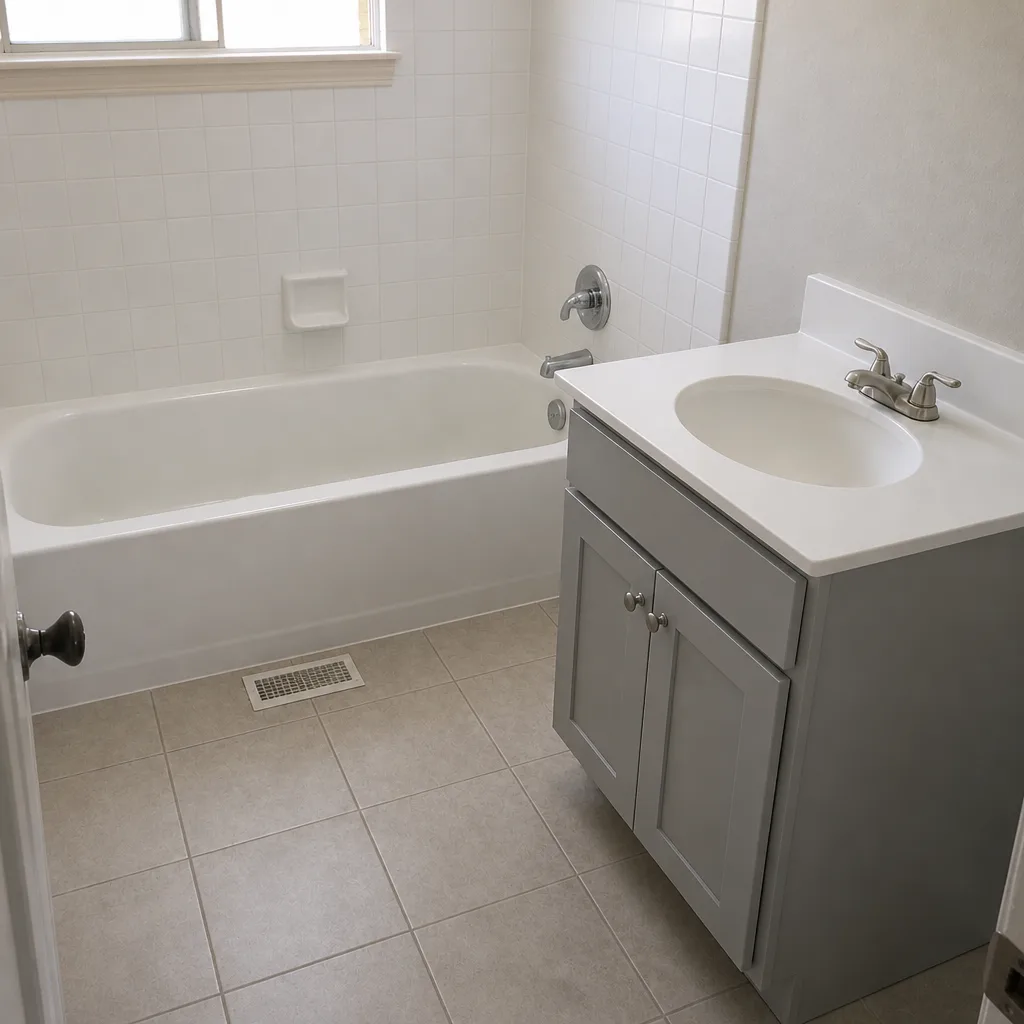 After
Frequently Asked Questions
A typical kitchen remodel in Concord takes 10 to 14 weeks from signed contract to final inspection, even when the on-site build window is only three weeks. The rest is permit processing, custom cabinet lead times of 6 to 12 weeks, and inspection scheduling. Call (866) 476-6447 for an exact quote based on your scope – estimates are free.
General contracting in Concord typically runs by project rather than by the hour: a kitchen remodel generally lands in the $25,000 to $75,000 range, a bathroom $12,000 to $35,000, and a whole-home remodel $150,000 and up, depending on size, scope, and material choices. You’ll always get a written price before work starts – no numbers that move at the door. Call (866) 476-6447 for a free estimate.
No. Your written price is fixed before any work begins, and the only thing that changes it is a legitimate change order you agree to in writing, usually because you chose a different material or added scope. A fair schedule and a fair contract name every change before it happens. Call (866) 476-6447 to walk through your project and get a written price.
Yes. Every permitted remodeling job requires the contractor to pull the permit and pass the required inspections, and that’s part of the schedule we write for you. Skipping permits in Concord can stall a home sale or trigger a correction later. Call (866) 476-6447 to talk through the permit timeline for your project.
The honest answer is in the schedule, not in a single number. A bathroom runs 4 to 8 weeks, a kitchen 10 to 14, and a whole-home remodel 5 to 9 months from contract to final inspection. Milestone dates, float, and change-order terms all go in writing so you know where you stand at every step. Call (866) 476-6447 for a schedule tied to your specific scope.
The 365-Day Done Right Promise means every completed Bradford project carries a full-year written guarantee: if the work fails inside that window, we return and correct it at no charge. It’s in writing, in your hand at close, along with a clean site and a documented scope you can hold us to. Call (866) 476-6447 to learn exactly how it applies to your project.
FAQs at a Glance
- Kitchen: 10 to 14 weeks total, 3 weeks on site
- Bathroom: 4 to 8 weeks total
- Whole-home: 5 to 9 months
- Custom cabinets: 6 to 12 weeks lead time
- Rough inspection scheduling gap: 3 to 10 days
The Bottom Line
Project timelines aren’t built on construction hours. They’re built on the permit queue, the cabinet factory, and the inspection calendar, and a bid that quotes only on-site days is selling you half a schedule. A kitchen remodel in Concord that promises three weeks of construction is really 10 to 14 weeks from contract to final inspection, and the only way to hold that schedule is to put it in writing: milestone dates and float and change-order terms, with material orders placed before demo and inspections sequenced before the walls close. Get a written price before work starts, a real schedule to go with it, and a full-year guarantee in hand at close. Call Bradford Remodeling Co Concord at (866) 476-6447 for a free estimate and a schedule you can hold us to.
Written by the team at Bradford Remodeling Co Concord.