Last updated November 18, 2026

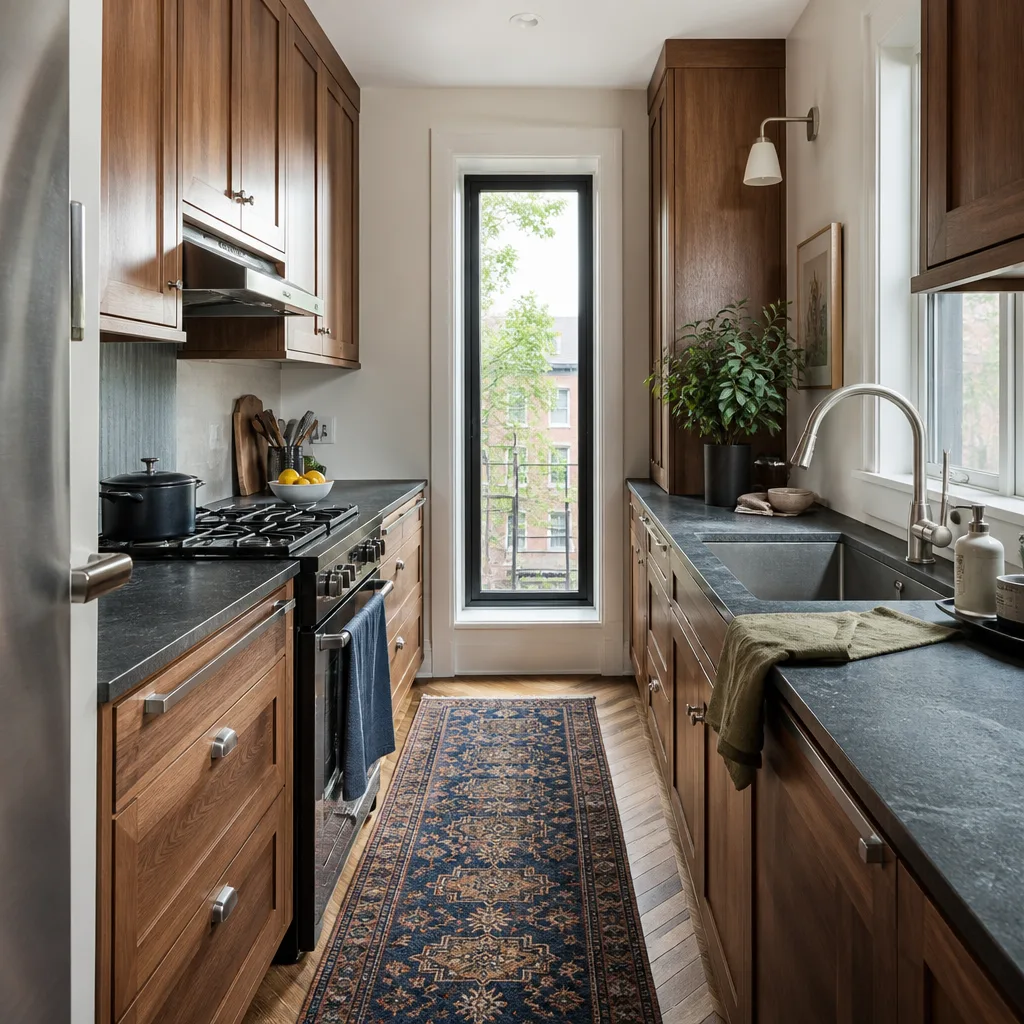
Free written scope consultation - allowances, timeline, and change-order rules on paper before a single trade is scheduled
Home Remodeling Warning Signs Every Homeowner Should Know
Most homeowners figure out they hired the wrong remodeler around week three, when the schedule has already slipped, the change orders are verbal, and the crew is asking for more money. Here’s what stings: every one of those problems was visible before the contract was signed. The contractor who shrugs off a permit isn’t saving you money, he’s handing you the liability, because in California the homeowner of record carries the legal weight for unpermitted work. This guide walks through the pre-contract red flags that predict post-contract disasters, so you can disqualify a bad hire before they touch your house. We’ve watched these patterns play out across Concord remodels for years, and they repeat.
Quick Answer
The clearest warning signs of a bad remodeling contractor are verbal-only pricing, pressure to sign the same day, no written scope of work, a deposit request above the California limit of $1,000 or 10% (whichever is less), and any suggestion to skip permits to “save time.” Each one signals how the contractor will handle every other compliance and money question on your job. Catch them before the contract, not after the demolition.
Styles & brands we work with
- Kitchen remodeling
- Bathroom remodeling
- Home additions & ADU
- Roofing
- Windows & doors
- Driveway & pavers
- Fence
Table of Contents
- Why Verbal Pricing Is the First Red Flag
- The Deposit Trap: California’s 10% Rule
- The Permit Signal: What Skipping It Really Means
- No Written Scope? No Deal
- The Payment Schedule Trap
- Mid-Project Warning Signs: Change Orders and Strangers
- How to Verify a Contractor’s License and Insurance in Real Time
- Pressure Tactics and the “Sign Today” Pitch
Why Verbal Pricing Is the First Red Flag
A spoken number is not a price. It’s a starting position. When a remodeler quotes your kitchen addition out loud and never puts it on paper, they’ve reserved the right to change it the moment the drywall comes down and something inconvenient shows up. That’s not a negotiation tactic you can win. It’s a structural gap in the agreement, and you’re the one holding the gap.
A written price is different in kind, not just in form. It names the scope line by line, specifies materials, and states what happens if conditions change. If a contractor won’t commit a number to a document before work starts, they’re telling you the number lives in their head, where you can’t inspect it.
In Concord, kitchen and bathroom remodels routinely involve older housing stock, knob-and-tube-era wiring, and plumbing that doesn’t match a 1970s drawing. Any honest contractor expects surprises. The difference is that a disciplined one prices in a contingency and writes it down, rather than simply improvising later and sending you a bigger bill. When you’re comparing bids for a kitchen remodeling in Concord, ask each contractor to show you the written scope and the contingency line. The bid that has both is the one you can actually budget against.
What a written price should include
- Line-item scope: what’s being removed, what’s being installed, room by room
- Named materials and brands, not “builder-grade” or “equivalent”
- A stated contingency or a clear method for handling unknowns
- Payment schedule tied to milestones
- Guarantee terms in the contract, not a verbal promise
The Deposit Trap: California’s 10% Rule
California limits the down payment a licensed contractor can collect before starting work to $1,000 or 10% of the contract price, whichever is less. If a contractor asks for 30%, 40%, or “half down to lock your slot,” they’re either unfamiliar with the rule or willing to break it. Both answers tell you something you needed to know.
Why does the deposit rule exist? Because a large upfront payment shifts the risk entirely to you. The contractor now has your cash and no incentive to finish on schedule. A legitimately financed operation doesn’t need your money to buy materials for the first week. If a remodeler says they need 50% upfront to order your cabinets, that’s a cash-flow problem, and they’re asking you to solve it. Not your job.
A disciplined remodeling contract ties the deposit to a modest mobilization amount, then ties further payments to completion milestones. Kitchen cabinetry is a good example. When the job calls for KraftMaid or Wellborn cabinets, the order is a real cost, and a reasonable contractor will disclose the payment terms in writing before you sign, not improvise them at the door. If the number on the invoice doesn’t match the number on the signed contract, stop.
| Deposit request | What it signals |
|---|---|
| Under $1,000 or 10% (whichever is less) | Consistent with California limits |
| 25-30% upfront | Cash-flow issue or unfamiliarity with the rules |
| 50% “to hold your slot” | Red flag. Walk away. |
The Permit Signal: What Skipping It Really Means
Here’s the sentence that should end the conversation: “We don’t need a permit for that.” In almost every case, for structural, electrical, plumbing, or mechanical work in Concord, you do. And when a contractor suggests skipping the permit to save time, they’re telling you exactly how they’ll handle every other compliance requirement on your job. Cutting the permit is a preview, not an exception.
The liability issue is the part most homeowners miss. In California, the homeowner of record is legally responsible for unpermitted work. If you sell the house and the buyer’s inspector finds a bathroom addition that never had a permit, the problem lands on you, not on the contractor who built it. The city can require you to open walls, retrofit to current code, or remove the work entirely. That’s your money and your paperwork.
This is why a contractor who pulls permits and schedules inspections is the safer hire even when the price is higher. Permits trigger inspection sign-offs at defined points, which is exactly what a homeowner needs to verify that the work in the walls is correct before it’s covered up. Unpermitted work is concealed work. You’re paying for the appearance and guessing at the structure.
Step-by-step: how to check whether a permit was pulled
- Ask the contractor for the permit number in writing, before work starts.
- Look up the permit on the City of Concord’s online permit portal using the address.
- Confirm the permit type matches the scope (structural, electrical, plumbing, or mechanical).
- Ask which inspections are scheduled and when.
- Verify at final inspection that the permit was signed off, not left open.
If any of those steps stalls, that’s your answer. For a broader walk-through of what compliant contracting looks like, our general contractor in Concord page covers the process we hold ourselves to.
No Written Scope? No Deal
A written scope of work is the single document that protects you from every future disagreement. It names what’s being built, with which materials, in what order, and it defines what is not being done. Without it, every conversation becomes a debate about what was “understood.” The contractor remembers one thing; you remember another. You will not win that debate in a small-claims court or a phone call.
We’ve seen homeowners in Concord’s Ygnacio Valley area get quoted for a “full bath remodel” and end up arguing whether the tile backsplash, the vanity, and the exhaust fan were included. The quote said “bathroom remodel.” The invoice said everything was extra. That gap is what a written scope prevents.
A proper scope of work for a bathroom project includes:
- Demolition and haul-away terms
- Rough-in for plumbing and electrical, with fixture brand and model noted
- Substrate and waterproofing method (this matters more than the tile choice)
- Tile, grout, and finish materials by name and specification
- Fixture brand, such as Kohler or a comparable named line
- Paint, trim, and final touches
- What’s excluded (for example, moving a drain line)
If you’re pricing a bathroom remodeling in Concord, expect the written scope to be at least a page. Short scopes are cheap scopes, in every sense.
The Payment Schedule Trap
The payment schedule is where discipline shows up or doesn’t. A legitimate contract ties payments to milestones and inspections, not to calendar dates. If the schedule reads “50% on signing, 30% at demo, 20% at completion,” that’s a financing structure that leaves you underwater on day one. If it reads “final payment due 30 days after completion,” that’s a promise, not a schedule.
What a compliant payment schedule looks like:
- Small mobilization deposit consistent with California law.
- Payment at rough-in inspection pass.
- Payment at drywall or substrate inspection sign-off.
- Payment at substantial completion, with a punch list attached.
- Final payment after the punch list is closed and the guarantee is signed.
Why does inspection-tied payment matter? Because it forces the contractor to actually schedule and pass inspections before collecting. It aligns your cash with their compliance. When a remodeler insists on a large lump sum upfront and no inspection gates, they’re either undercapitalized or planning to shortcut the inspection process. Either one is a problem you’ll be solving later.
Mid-Project Warning Signs: Change Orders, Strangers, and Ungated Work
If you signed with a disciplined contractor, the mid-project phase should be quiet. If you signed with a charmer, week three is where the trouble lands. Here are the three patterns we see most in Concord.
Change orders presented verbally
A change order is a written amendment to the scope and price. It should be a document you sign, with both the added cost and the schedule impact spelled out. If your contractor walks up and says “we found rot, that’s another $1,800,” and nothing goes on paper, that’s not a change order. That’s an anecdote with a request for money attached. Refuse to pay any change without a signed written amendment.
Subcontractors who arrive with no introduction
Every person walking through your door should be introduced and identifiable. Background-checked, uniformed technicians are the baseline for a serious remodeling operation, because the homeowner deserves to know who’s in the house. In our experience, a crew that shows up unannounced without a name, a shirt, or a supervisor introduction is the same crew that leaves a job site messy and unaccounted for at close.
Work proceeding before inspections
Tile going up before the rough-in inspection, drywall hung before the electrical sign-off, cabinets installed before the plumbing is tested. Every one of those is work that has to come down if the inspection fails. When work moves ahead of an inspection, you’re not saving time. You’re paying to do it twice.
How to Verify a Contractor’s License and Insurance in Real Time
You can verify any licensed contractor in California in about three minutes, and you should do it before you sign anything. The Contractors State License Board (CSLB) runs a free online lookup at cslb.ca.gov. Plug in the license number from the contractor’s paperwork and confirm four things: the license status is “Active,” the classification matches the work being done (B for general building, C-36 for plumbing, C-10 for electrical), the name on the license matches the name on the contract, and there’s a valid workers’ compensation policy on file for the business.
What if the numbers don’t match the paperwork they handed you? Three scenarios, three actions:
- License shows “Inactive” or “Expired”: stop. Do not sign. Do not pay a deposit.
- Name on the license doesn’t match the contract: ask why. Then ask for the DBA or the legal business name, in writing.
- Classification doesn’t match the work: a C-39 roofing license shouldn’t be doing a kitchen remodel. Different scope, different license.
For insurance, ask for a certificate of liability insurance directly from the carrier, not from the contractor’s folder. Call the carrier’s number on the certificate and confirm the coverage is active and the policy is in force today. A certificate is a photocopy until the carrier confirms it. The same principle applies to any written guarantee. It’s worth the paper it’s printed on only when the terms are specific and the contractor’s name is on the line. Our Bradford Remodeling Co Concord home page lays out how we document that side of a job.
Pressure Tactics and the “Sign Today” Pitch
Any contractor who tells you “this price is good today only” is selling urgency, not craftsmanship. Real remodeling prices don’t vanish at midnight. Material costs are real, and lead times vary, but a legitimate estimate is valid for at least 30 days and typically longer. A same-day expiration is a pressure tactic dressed up as a discount, and it’s designed to keep you from comparing bids or calling references.
A few pressure phrases that should send you walking:
- “If you sign today, I can knock 10% off.”
- “I’ve got two other bids on the table, so I need an answer tonight.”
- “We don’t need a contract, a handshake is fine.”
- “Everyone pays in cash, it’s easier.”
- “Don’t worry about the details, we’ll figure it out as we go.”
A contractor confident in their work doesn’t need to corner you. They’ll put the price in writing, walk you through the scope, and wait while you compare. When the discipline is there, the pressure isn’t needed.
Common Mistakes to Avoid
- Choosing the cheapest bid without comparing scopes. Two quotes for the same “kitchen remodel” can differ by $20,000 because one includes cabinetry, electrical, and tile, and the other doesn’t. Compare the written scopes line by line, not the totals.
- Paying the deposit in cash without a receipt. Cash is untraceable. Pay by check or card and keep the receipt, even if the contractor suggests otherwise.
- Hiring a contractor who “knows someone” at the city. A connection at the permitting office isn’t a substitute for a permit. If the work triggers an inspection, the building inspector will find it whether or not the contractor has a friend.
- Skipping the CSLB lookup because the contractor was friendly. Friendliness is not a credential. Three minutes on cslb.ca.gov is faster than a two-week dispute over unlicensed work.
- Waiting until the job is half-built to ask for the written guarantee. The guarantee belongs in the contract before work starts, not in the closing conversation. In Concord, we’ve seen more homeowner disputes over guarantees than over anything else, and they almost always trace back to a handshake substitute.
- Letting the crew work ahead of inspections to “save time.” Work that isn’t inspected isn’t finished. It’s a demolition waiting to happen.
- Ignoring the small stuff at close. A messy site, unsealed trim, and paint smudges at handoff are signals that the punch list won’t get done either. The close reflects the whole process.
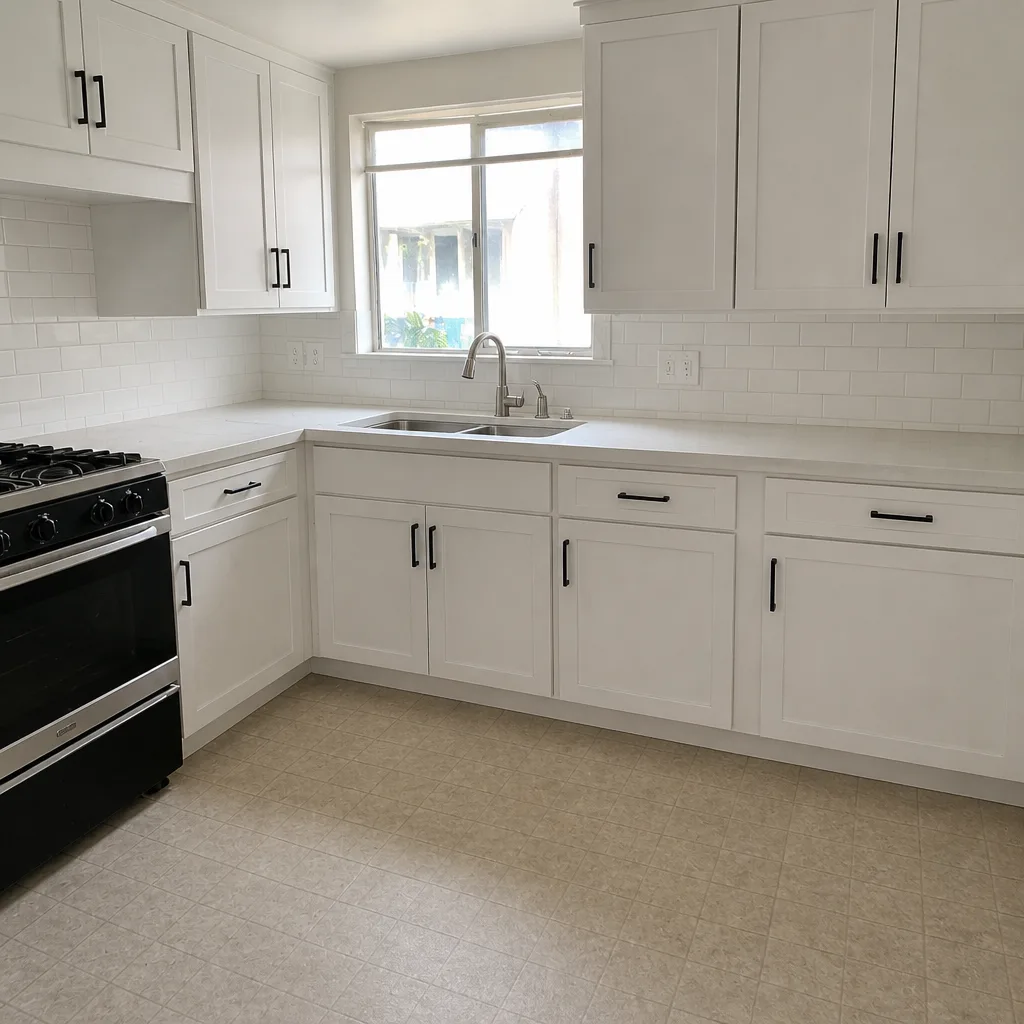
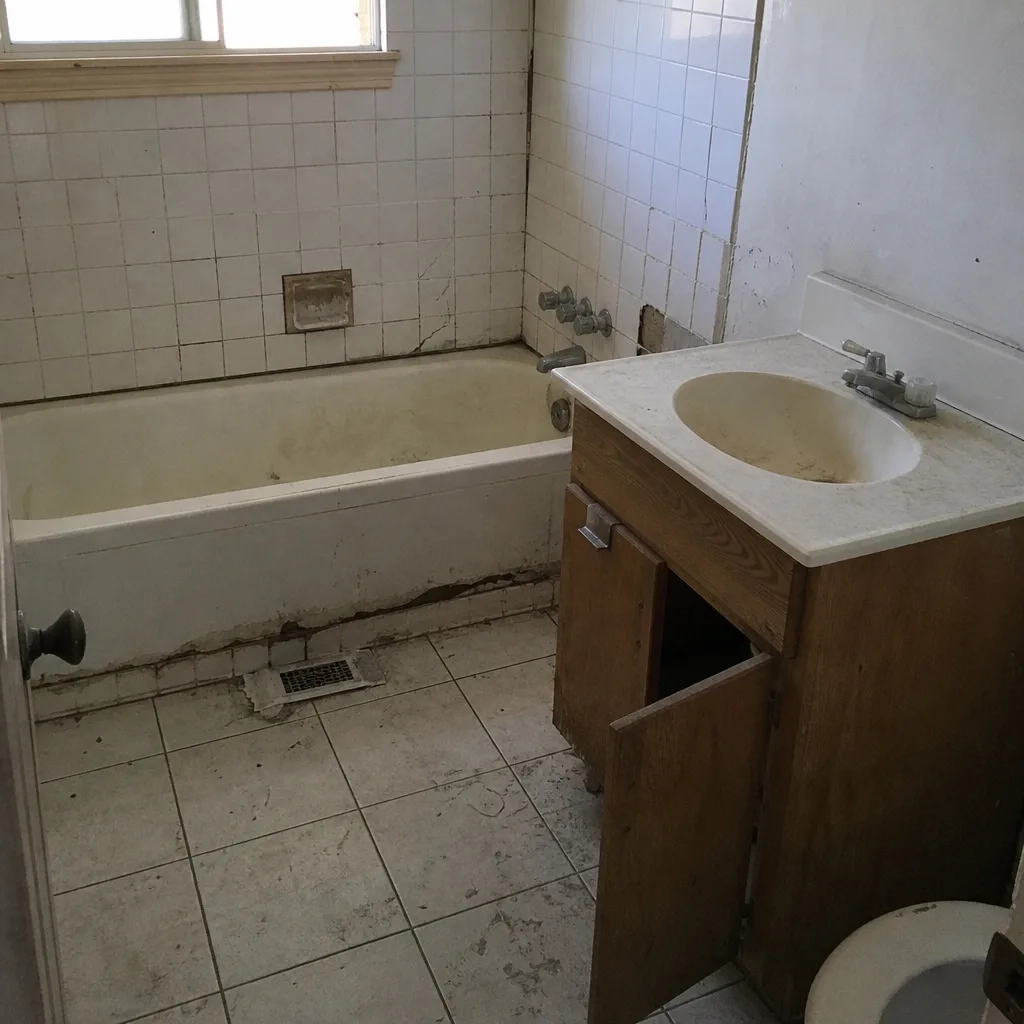
See the difference
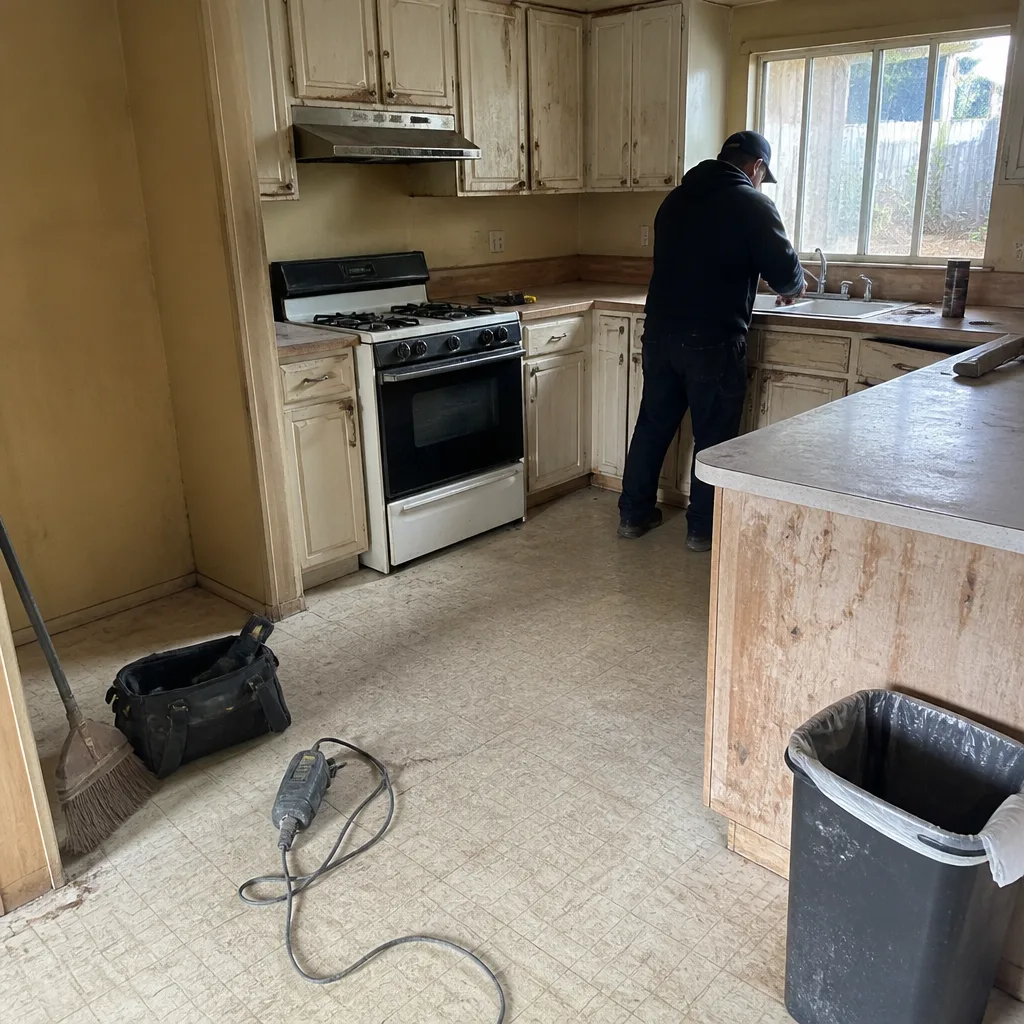 Before
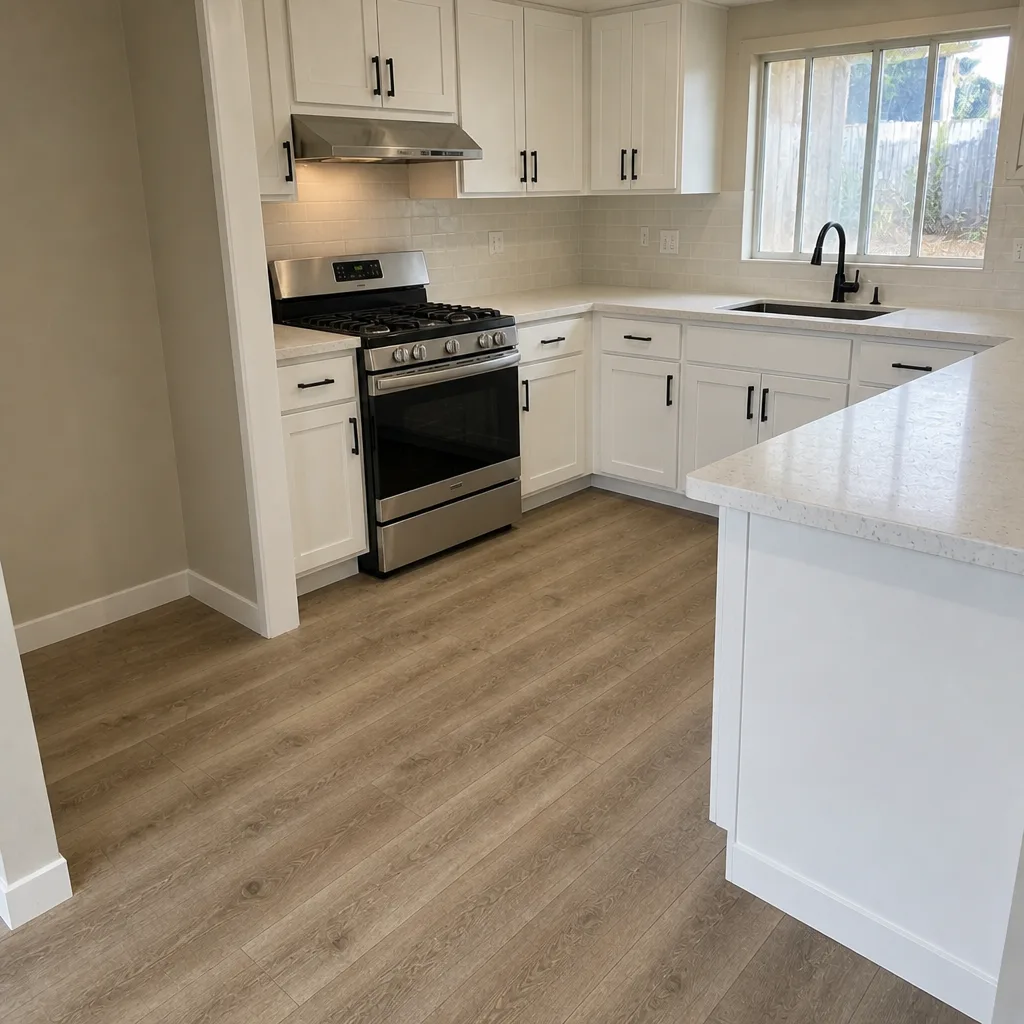 After
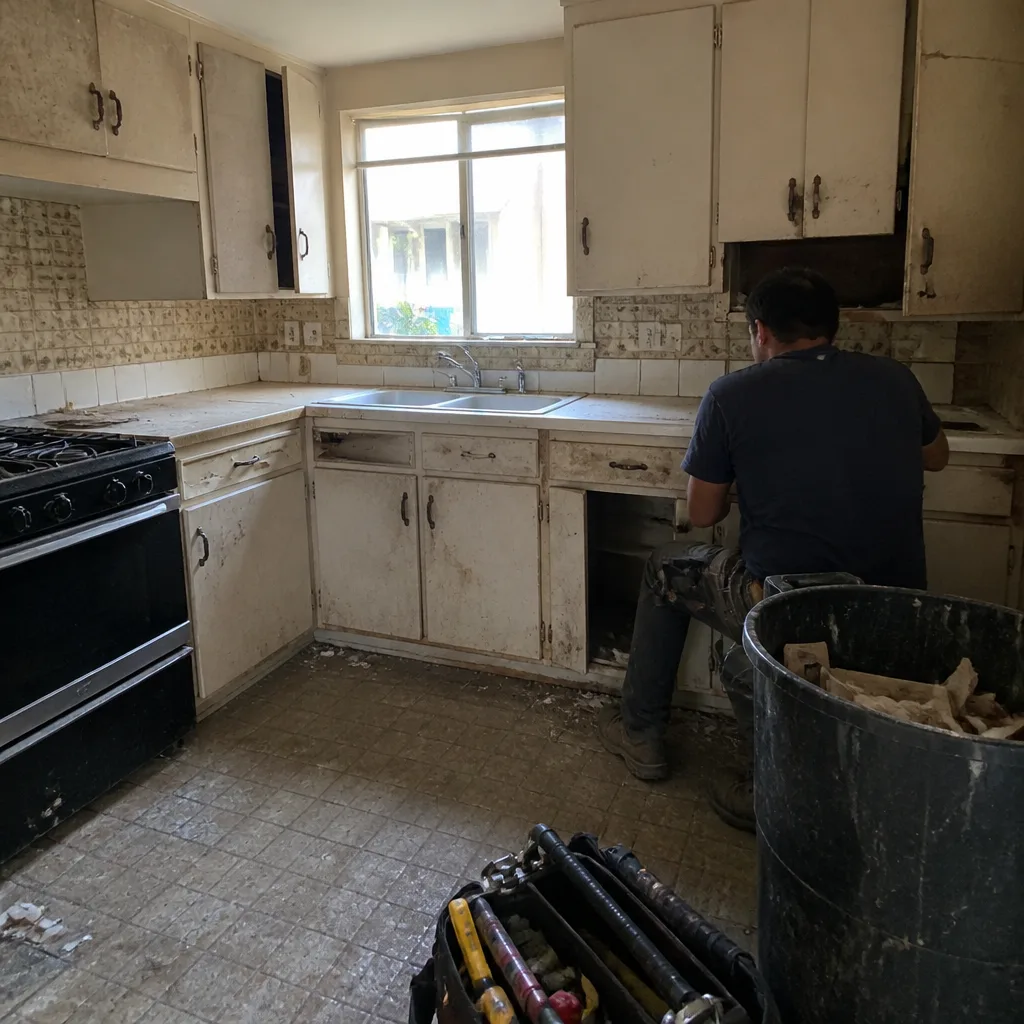 Before
 After
 Before
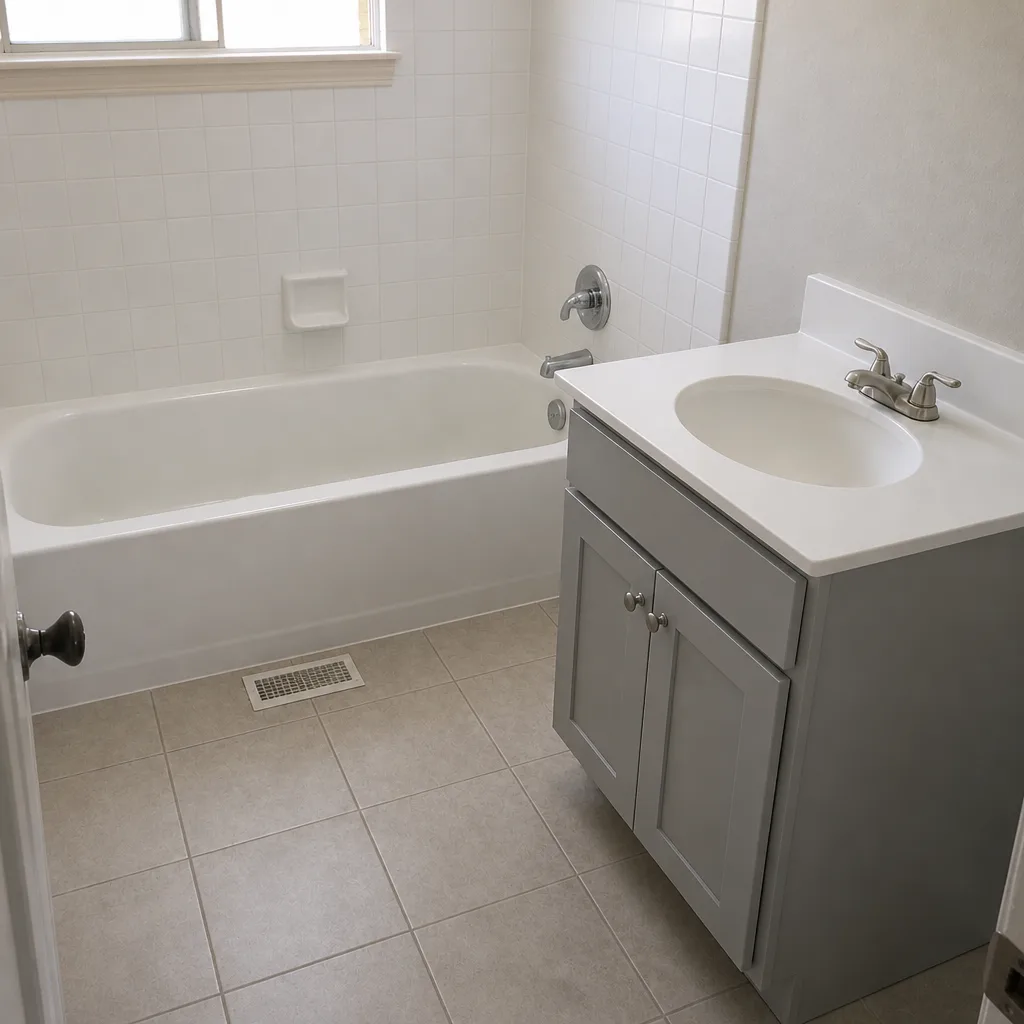 After
When to Call a Professional
Some of this you can do yourself. You can call the CSLB, verify the insurance, and look up a permit. The work in the walls is different. Electrical rough-in, plumbing relocation, structural changes, and permit-inspection coordination are places where a homeowner’s own hands become the liability. If you’re comparing bids and something feels off, or if you’re mid-project with a contractor who’s showing the warning signs above, get a professional read on the scope before anything else is torn out or paid for. A second opinion on a written scope costs you nothing and can save a project. Bradford Remodeling Co Concord offers free estimates in Concord; call (866) 476-6447.
Frequently Asked Questions
California law caps the down payment at $1,000 or 10% of the contract price, whichever is less. A compliant remodeling contract in Concord stays at or below that limit and ties remaining payments to inspection and completion milestones, not to calendar dates. If a contractor asks for 30% or more upfront, ask why, get it in writing, and consider walking. Call (866) 476-6447 for a written, line-item estimate you can compare against other bids.
It usually means the work does require a permit and the contractor doesn’t want the inspection. In California, the homeowner of record is legally responsible for unpermitted work, which can force you to open walls, retrofit to current code, or remove the work at resale. Ask for the permit number in writing before work starts. Call (866) 476-6447 if you want a straight read on whether your project triggers a permit in Concord.
Look up the contractor on cslb.ca.gov using the license number on their paperwork and confirm the status is Active, the classification matches the work, the name matches the contract, and a workers’ compensation policy is on file. Then call the insurer directly to confirm the certificate of liability insurance is in force today. If the numbers on the license don’t match the paperwork, stop and get an explanation in writing before signing. For a comparison, call (866) 476-6447.
It’s enforceable against you and hard to enforce against the contractor, which is exactly the wrong direction. Every change order should be a written amendment you sign, with the added cost and schedule impact stated. If a contractor presents a change verbally and asks for money, refuse until you have it in writing. Call (866) 476-6447 to talk through a written scope before the next change order lands.
One is a sentence; the other is a signed document with terms, duration, and a specific remedy. A written guarantee states what’s covered, for how long, and who returns if the work fails. Bradford’s 365-Day Done Right Promise covers every completed project for a full year from completion. If the work fails inside that window, we come back and correct it at no charge. Call (866) 476-6447 for details tied to your scope.
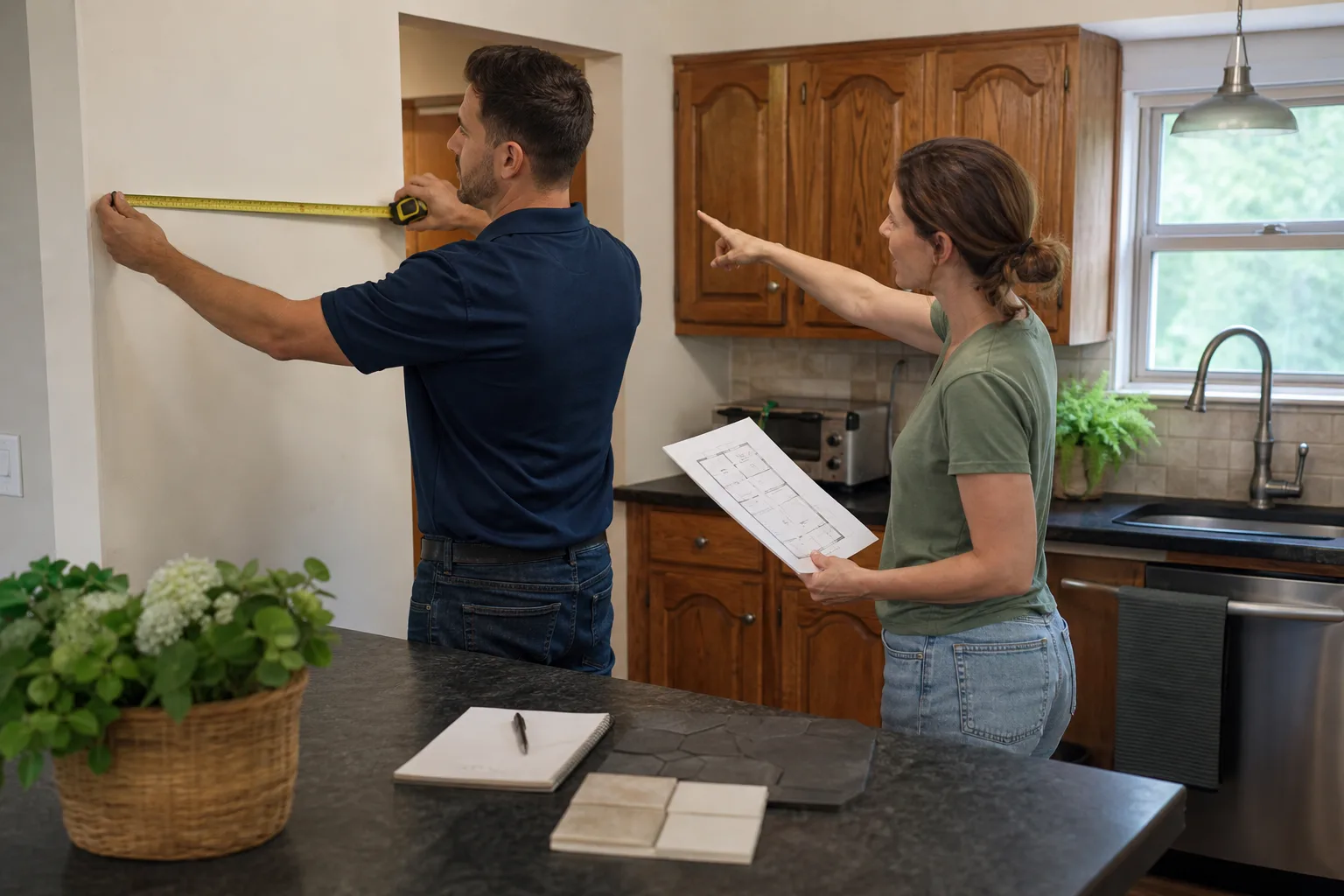
Expect a written estimate within a few business days of an in-home walkthrough for most kitchen and whole-home projects; larger scopes take longer to price properly. We don’t quote over the phone. We measure, then we put a real number in writing. Call (866) 476-6447 to schedule a walkthrough and get your written price before anything moves.
The Bottom Line
The wrong contractor tells you everything you need to know before they start. Verbal pricing, a big deposit ask, a permit skipped to “save time,” a missing written scope, a same-day pressure pitch, and a payment schedule with no inspection ties. Each one is a preview of how the project will run. Catching them before you sign costs you three phone calls. Catching them after demo costs you a remodel. In Concord, we’ve watched both endings, and the first one is always cheaper. Get every price and every guarantee in writing, verify the license in real time, and hold the payment schedule to inspections, not dates.
Bradford Remodeling Co Concord works under The Garrison Standard: every project gets a written price before work starts, background-checked technicians on every job, and the 365-Day Done Right Promise in writing at close. If you want to see what squared away looks like, our Concord bathroom remodeling and Concord kitchen remodeling pages show the process end to end. Call (866) 476-6447 for a free estimate and a real person on the phone, any hour of the day.
Written by the team at Bradford Remodeling Co Concord.