Last updated November 18, 2026


Free written scope consultation - allowances, timeline, and change-order rules on paper before a single trade is scheduled
Home Remodeling Troubleshooting: Common Problems and How to Fix Them
Most stalled remodels in Concord don’t stop because the crew forgot how to install a cabinet or frame a wall. They stop because the paperwork broke first. We’ve walked onto job sites where the homeowner paid the third draw, the framing looked fine, and the permit had been expired for four months with no final inspection. The contractor’s license was suspended. Nobody had put a written scope together, so “finish the kitchen” meant three different things to three different people. Before you assume you have a construction problem, check whether you actually have a contract problem. This guide shows you how to diagnose it, where to look in Contra Costa County’s records, and what recovery looks like in writing.
Quick Answer
When a home remodel stalls or goes wrong, the first step is verifying three things in writing: the contractor’s license status on the California Contractors State License Board (CSLB) website, the permit status and inspection history on the Contra Costa County portal, and whether your last payment was tied to a completed, inspected milestone. In most cases the fix starts with documentation, not tools. A written scope, a written price, and a licensed contractor who will put the recovery plan on paper recovers far more projects than confrontation does.
Styles & brands we work with
- Kitchen remodeling
- Bathroom remodeling
- Home additions & ADU
- Roofing
- Windows & doors
- Driveway & pavers
- Fence
Table of Contents
- The Three Failure Modes We See Most in Concord Remodels
- How to Check a Contractor’s License Before and During the Job
- How to Read a Permit Record on the Contra Costa County Portal
- The CSLB Complaint and Arbitration Process: What It Can and Cannot Recover
- What to Do When an Unlicensed Contractor Takes Payment and Stops
- What Legitimate Project Recovery Looks Like
- Scope Creep Without Documentation: How to Stop It
- What a Proper Job Close Looks Like
The Three Failure Modes We See Most in Concord Remodels
In our experience across Concord and the surrounding East Bay, whole-home and kitchen remodels break in one of three recognizable ways. Each has a different first move.
- Contractor abandonment. The crew stops showing up, the phone goes to voicemail, and materials sit in the driveway. First step: check the CSLB license status the same day, take dated photos of everything on site, and stop making payments. Then send a written notice demanding performance or a refund, and keep a copy.
- Scope creep without documentation. The job started at one number and drifted to another through hallway conversations. First step: pull every invoice, text, and change order and build one written list of what was contracted versus what was built. Anything not in writing is where disputes live.
- Permit compliance failure. Work was done without a permit, or the permit was pulled but inspections weren’t called. First step: look up the address on the county portal (see below) and see exactly which inspections are signed off and which are open.
Concord’s housing stock pushes all three of these harder than newer metros do. A lot of the city’s single-family homes were built between the 1950s and 1970s, which means a “simple” kitchen remodel often uncovers knob-and-tube wiring or galvanized supply lines that trigger a re-inspection and a permit revision. When that happens on an undocumented job, the schedule collapses and so does trust. For a look at how a properly sequenced remodel is scoped from the start, see our Kitchen Remodeling in Concord page.
How to Check a Contractor’s License Before and During the Job
California makes this easy, and most homeowners skip it. The CSLB website lets you search any license number and see its current status, the classification (B for general building, C-10 for electrical, and so on), the bond and workers’ compensation status, and any disciplinary actions on record. Check it before you sign. Check it again when the job starts. And check it if anything feels off mid-project, because licenses can be suspended after work begins.
What you’re looking for:
- Active status. “Expired,” “suspended,” or “revoked” means the contractor cannot legally perform or contract for work in California.
- Correct classification. A B license covers most whole-home and kitchen work. Specialty trades need their own classification.
- Bond on file. The contractor’s bond is what funds a CSLB judgment if the contractor fails to pay a valid claim. It has a cap, which matters for recovery.
- Workers’ comp status. If the contractor has employees and no workers’ comp, that’s a red flag and a potential liability exposure for you as the property owner.
A written contract in California must include the license number, the down payment cap (10% of the contract price or $1,000, whichever is less), a three-day right to cancel, and a schedule of payments tied to work completed. If your contract is missing any of those, that’s a paperwork failure you can fix before it becomes a construction one. The Garrison Standard exists for exactly this reason: the price is written before any work starts, and it doesn’t move at the door.
How to Read a Permit Record on the Contra Costa County Portal
Contra Costa County maintains an online permit portal, and the City of Concord has its own building division records for permits issued inside city limits. Either way, the information you want is the same: the permit number, the scope description, the issue date, the expiration date, and the inspection history. Here’s how to read it in about five minutes.
- Search by address, not by contractor name. Contractor names change; addresses don’t.
- Open the most recent permit and read the scope description. It tells you what was actually approved. If the permit says “kitchen remodel, like-for-like” and the crew removed a load-bearing wall, that’s an unpermitted structural change.
- Look at the inspection history. Each required inspection is listed with a date and a result (passed, failed, partial, or not scheduled). Open inspections mean the work is not signed off.
- Check the expiration date. Permits expire, and an expired permit with work completed but not inspected is the most common compliance failure we see in Concord.
- Look for a final inspection. Without one, the permit stays open on the record, and that can complicate a future sale or refinance.
If the permit is expired, the fix is usually a permit reactivation or a new permit covering the unpermitted work, followed by the inspections that were skipped. That’s a paperwork and inspection exercise, not a demolition one. It’s also why we pull permits and pass final inspections on every job: the record follows the house, not the contractor.
The CSLB Complaint and Arbitration Process: What It Can and Cannot Recover
The CSLB accepts complaints against licensed contractors for defective work, abandonment, excessive down payments, and license violations. The process is free, and for many homeowners it’s the right first stop. Here’s what it actually does.
What CSLB can do:
- Investigate the complaint and require the contractor to respond.
- Order the contractor to correct the violation or pay restitution.
- Suspend or revoke the license if the contractor doesn’t comply.
- Refer eligible disputes to mandatory arbitration, which is faster and cheaper than court.
- Pay a valid judgment from the contractor’s bond, up to the bond amount.
What CSLB cannot do:
- Recover money from a contractor with no bond and no assets.
- Resolve disputes with an unlicensed contractor (those go to civil court or small claims).
- Award damages for “inconvenience” or emotional distress.
- Force a contractor to finish a job they’ve abandoned; it can only compel correction or payment.
Filing requires documentation: the contract, the payment records, photos, and a written description of the defects or abandonment. This is where a written, line-item contract pays for itself. If you have one, the CSLB complaint writes itself. If you don’t, the case gets harder before it gets easier. For an example of how a properly documented bathroom scope looks, see our Bathroom Remodeling in Concord page.
What to Do When an Unlicensed Contractor Takes Payment and Stops
This is the hardest scenario, and it’s more common in Concord than most homeowners realize, particularly after a storm or during a hot real estate market when unlicensed operators move in. The CSLB has no jurisdiction over an unlicensed contractor, so the remedies are civil, not administrative. Here’s the sequence that works.
- Stop paying. Any further payment weakens your position.
- Document everything. Photos with timestamps, every text and email, receipts, and a written timeline of what was promised and what was delivered.
- Send a written demand letter. State the amount paid, the work not performed, and a deadline (typically 10 to 30 days) for a refund or performance. Send it certified mail.
- File in small claims court. In California, the small claims limit is $12,500 for individuals. Filing fees are low, attorneys are not allowed, and the process moves faster than superior court. Bring the demand letter, the documentation, and any written agreement.
- Involve an attorney for larger losses. If the amount exceeds the small claims limit, or if there are multiple victims, a construction attorney can pursue a superior court action. California law also allows recovery of attorney’s fees in some unlicensed-contractor cases under Business and Professions Code section 7031.
One thing worth knowing: under California law, an unlicensed contractor generally cannot sue to collect payment for work requiring a license, and a homeowner can often recover money paid. That’s a strong lever, but it only works if you have records. If you’re mid-dispute and need a licensed professional to assess the damage and put a recovery scope in writing, that’s the point to call us at (866) 476-6447.
What Legitimate Project Recovery Looks Like
Taking over an incomplete project is not the same as starting a new one. A legitimate recovery contractor will do five specific things before quoting a number, and if a contractor skips any of them, walk away.
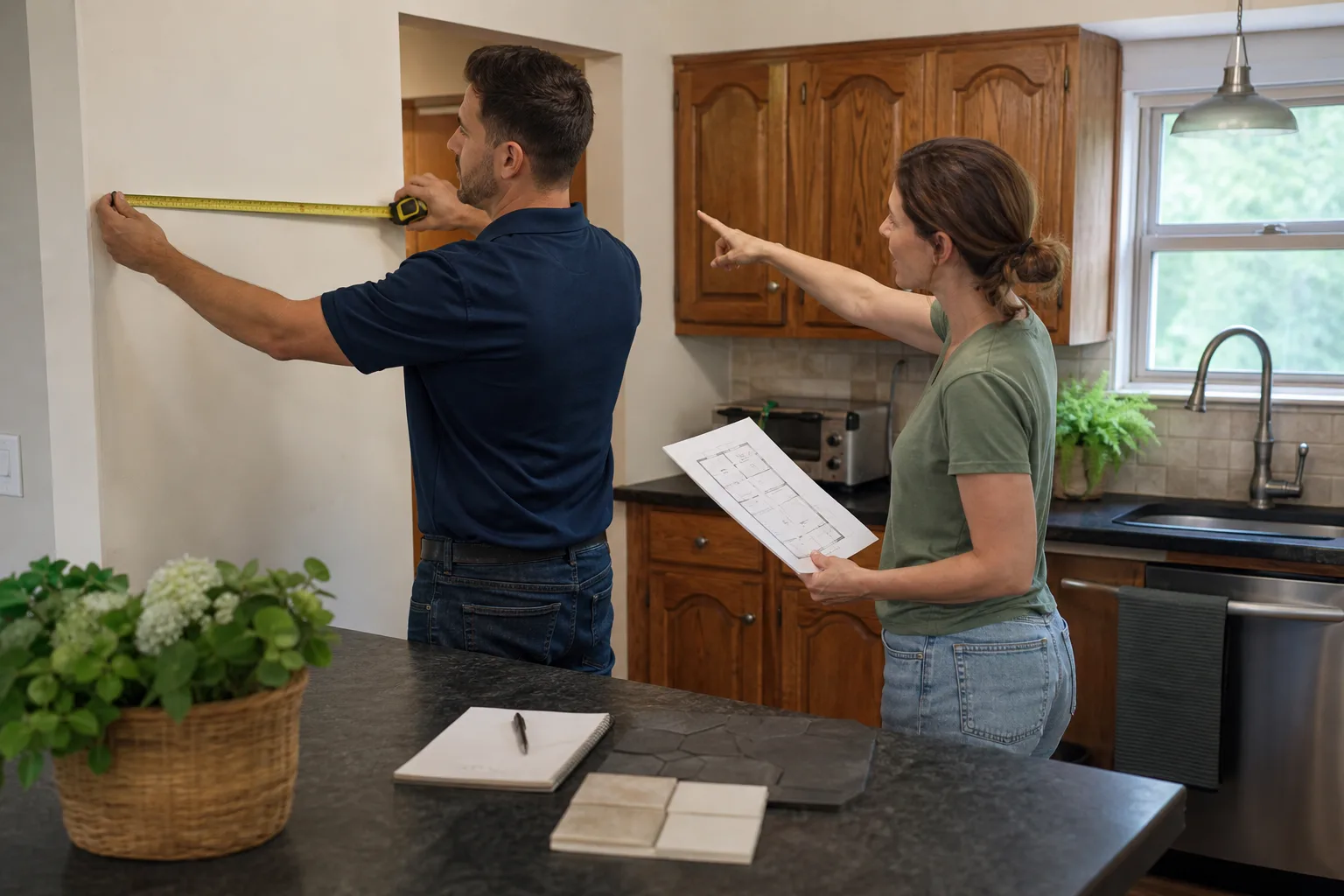
- Inspect and document existing work. Photos, measurements, and a written assessment of what’s usable and what has to come out. This is the substrate check: framing, rough-in, and any prior drywall or tile that has to be removed.
- Pull the permit history and verify what’s been inspected. A recovery scope built on an expired permit is a recovery scope that fails inspection later.
- Put the takeover scope and price in writing. Line by line, before work starts. No “we’ll see once we open it up” pricing on work that can be scoped.
- Address liability for prior defects in writing. The recovery contract should state clearly which existing conditions the new contractor is responsible for and which remain the prior contractor’s liability. Vague language here is where disputes start.
- Set a payment schedule tied to completed milestones. Never a large upfront draw on a recovery job.
The Garrison Standard is built around exactly this sequence. The price is written before any work starts, and it doesn’t move at the door. The 365-Day Done Right Promise means that if the work fails within a year of completion, we come back and fix it at no charge. On a recovery job, that written guarantee is what distinguishes a licensed contractor from a second disaster. Our team’s technicians have up to 22 years of experience assessing and completing projects that other crews walked away from, including work using documented brands like KraftMaid cabinetry, Cambria surfaces, and Therma-Tru doors, so specifications are traceable when the next inspector shows up. If you want the broader picture of how a Concord project is scoped from scratch, our General Contractor in Concord page walks through it.
Scope Creep Without Documentation: How to Stop It
Scope creep is the quiet killer. It doesn’t look like a failure while it’s happening; it looks like a helpful contractor suggesting a small upgrade. Three months later the price has moved, nobody agrees on what was included, and the schedule is a memory. The fix is procedural, and it’s cheap.
- Every change gets a written change order. One page: what’s changing, what it costs, and how it affects the schedule. Signed by both parties before the work begins.
- Every payment is tied to a completed milestone. “Rough-in complete and inspected” is a milestone; “framing day” is not.
- Every week gets a five-minute written update. What was done, what’s next, and what’s open. This is the single best defense against scope disputes.
Concord-specific wrinkle: older homes in neighborhoods like Todos Santos and the areas around downtown frequently uncover hidden conditions once walls are open, which is where the biggest change orders come from. A disciplined contractor will price those discoveries as a documented contingency line before the job starts, not as a surprise mid-job. That single line item is the difference between a project that finishes on budget and a project that finishes in small claims court.
What a Proper Job Close Looks Like
“Squared away” has a specific meaning on a remodeling job, and it’s worth knowing what to expect so you can hold any contractor to it. At close, you should have all of the following in hand:
- A clean site: no debris, no leftover materials in the driveway, no subcontractor tools left behind.
- Final inspections passed and documented, with the permit record closed.
- A written, line-item scope of the completed work, matching the contract price.
- A signed written guarantee, in your hand, with a clear term and a clear process for a return visit if something fails.
- Manufacturer paperwork for named-brand products (GAF roofing, James Hardie siding, and similar), so future warranty claims are traceable.
- A punch list signed off by both parties.
If any of those is missing, the job isn’t done, regardless of what the final invoice says. This is the standard we hold to on every Concord project, and it’s why a live person answers the phone 24/7: when something does go wrong after close, you reach a human, not a queue.
Common Mistakes to Avoid
- Paying a large upfront draw. California caps the down payment at 10% of the contract price or $1,000, and a contractor who asks for more is already out of compliance.
- Hiring on price alone. The lowest bid in a Concord remodel is often the one that under-scoped the permit and the contingency, and it comes back as a change order later.
- Skipping the CSLB license check. Status changes mid-project, so check before signing and again at kickoff.
- Verbal agreements on changes. A hallway conversation about a tile upgrade becomes a $3,000 dispute. Written change order, every time.
- Assuming the permit was pulled because the crew showed up. Verify the permit number on the Contra Costa County portal before demolition starts.
- Ignoring an expired permit. An open permit with unpermitted work can complicate a future sale or refinance, and it’s easier to fix during the job than after.
- Not documenting the existing condition. Photos of the site before work starts are your best evidence in any dispute, licensed or not.
See the difference
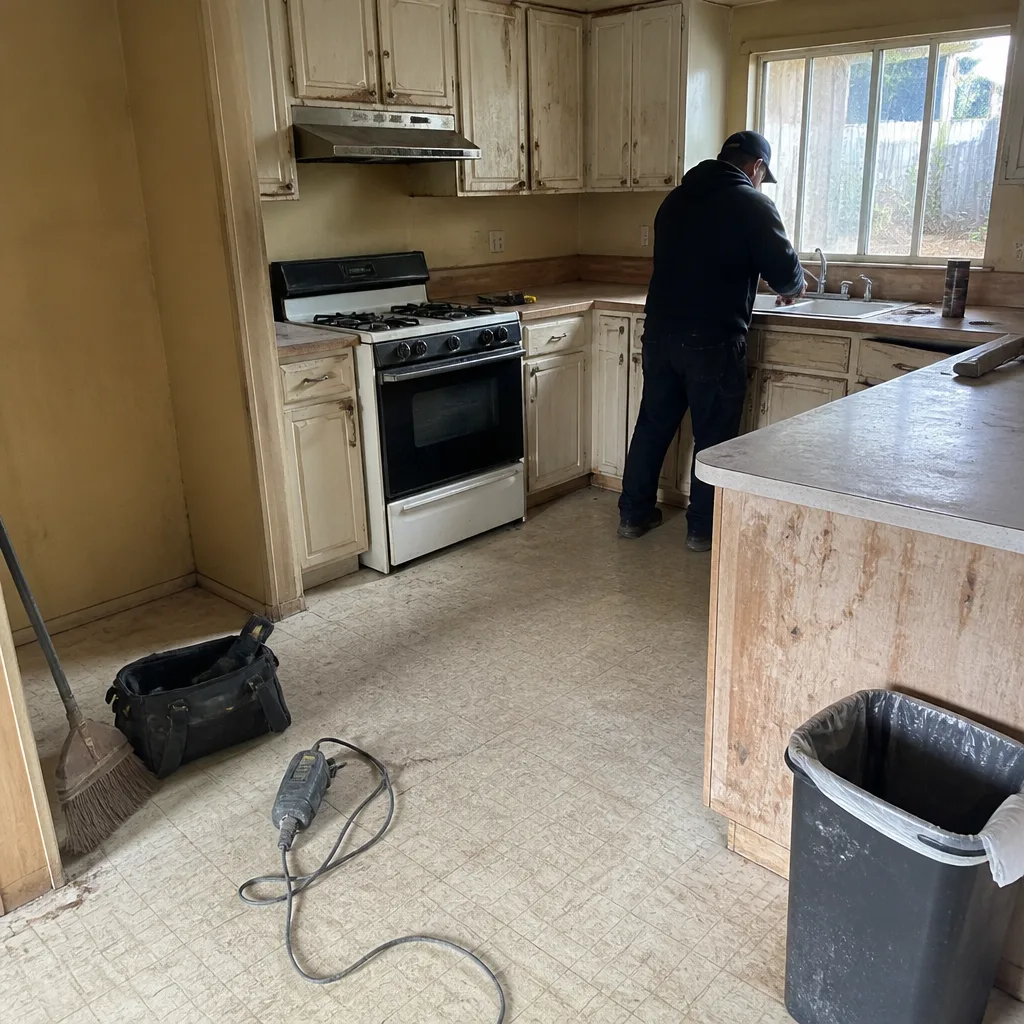 Before
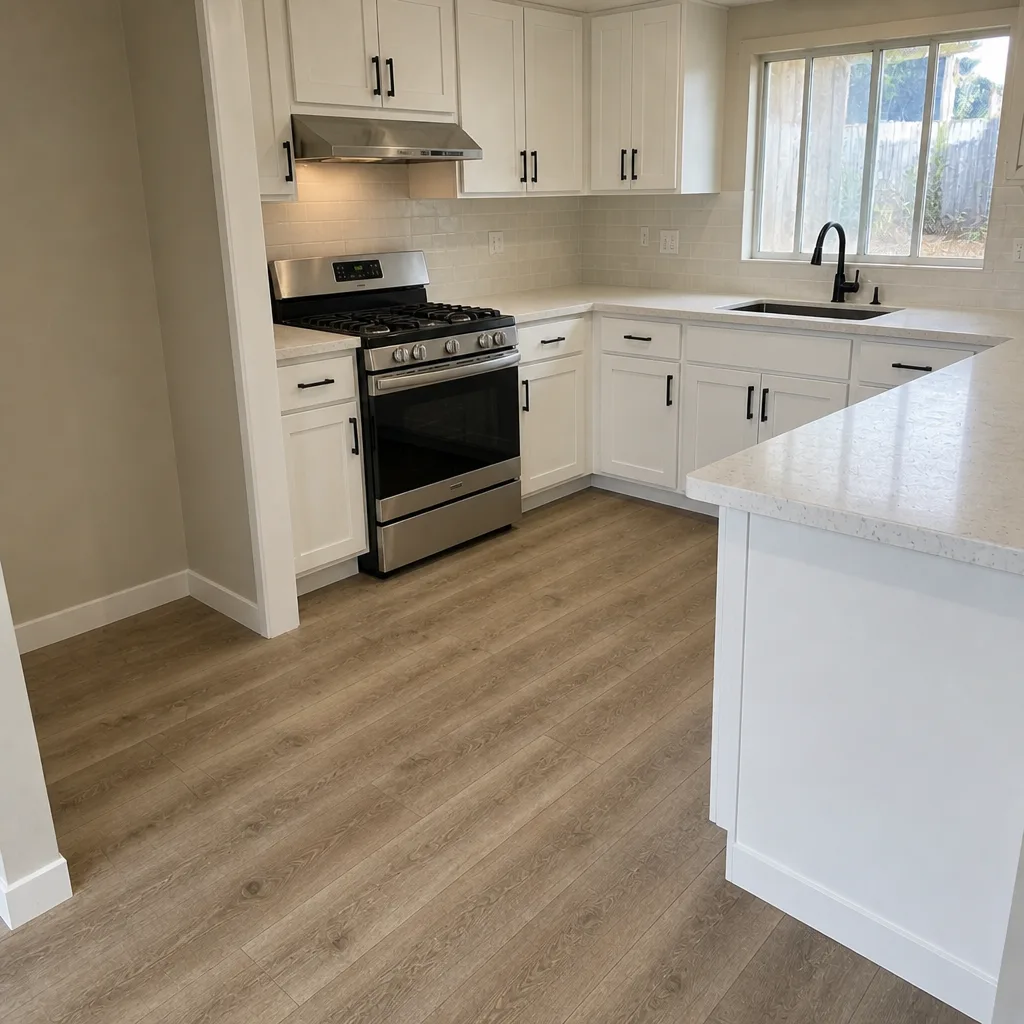 After
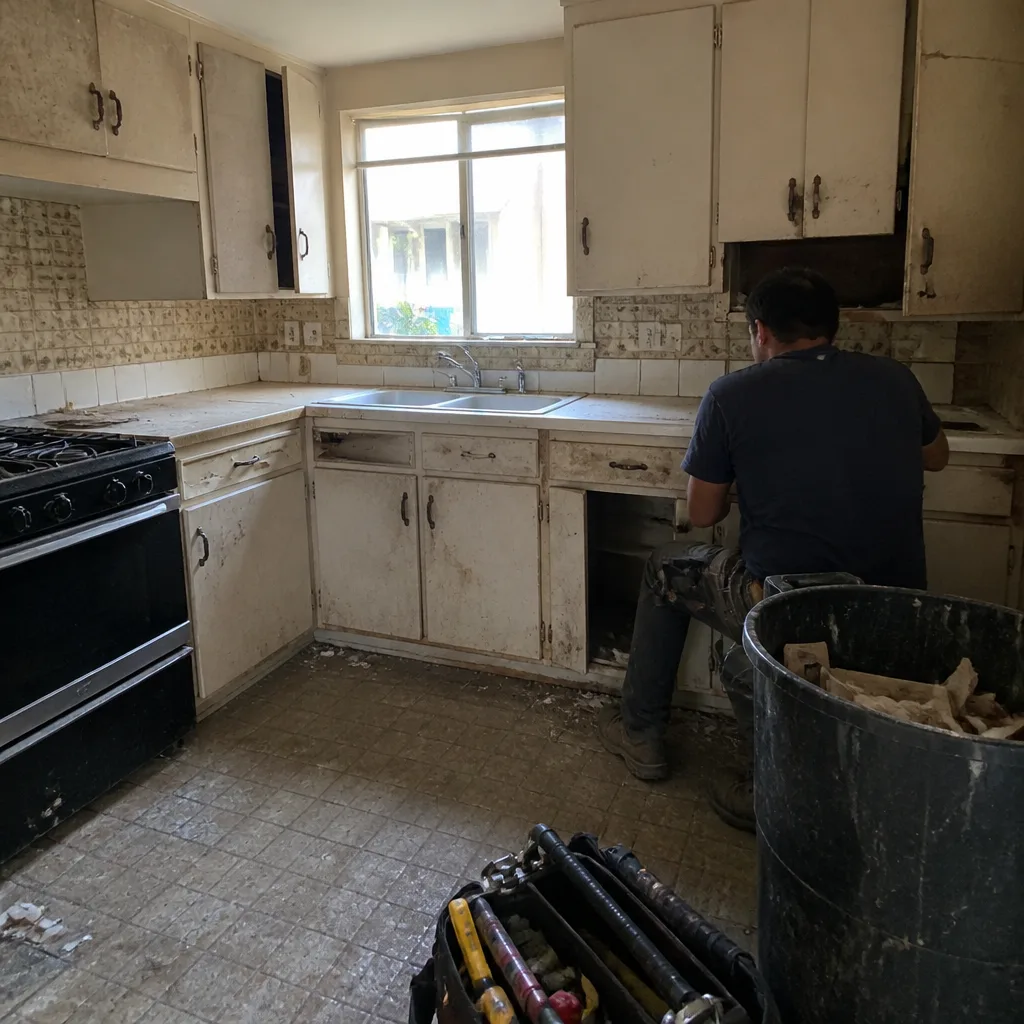 Before
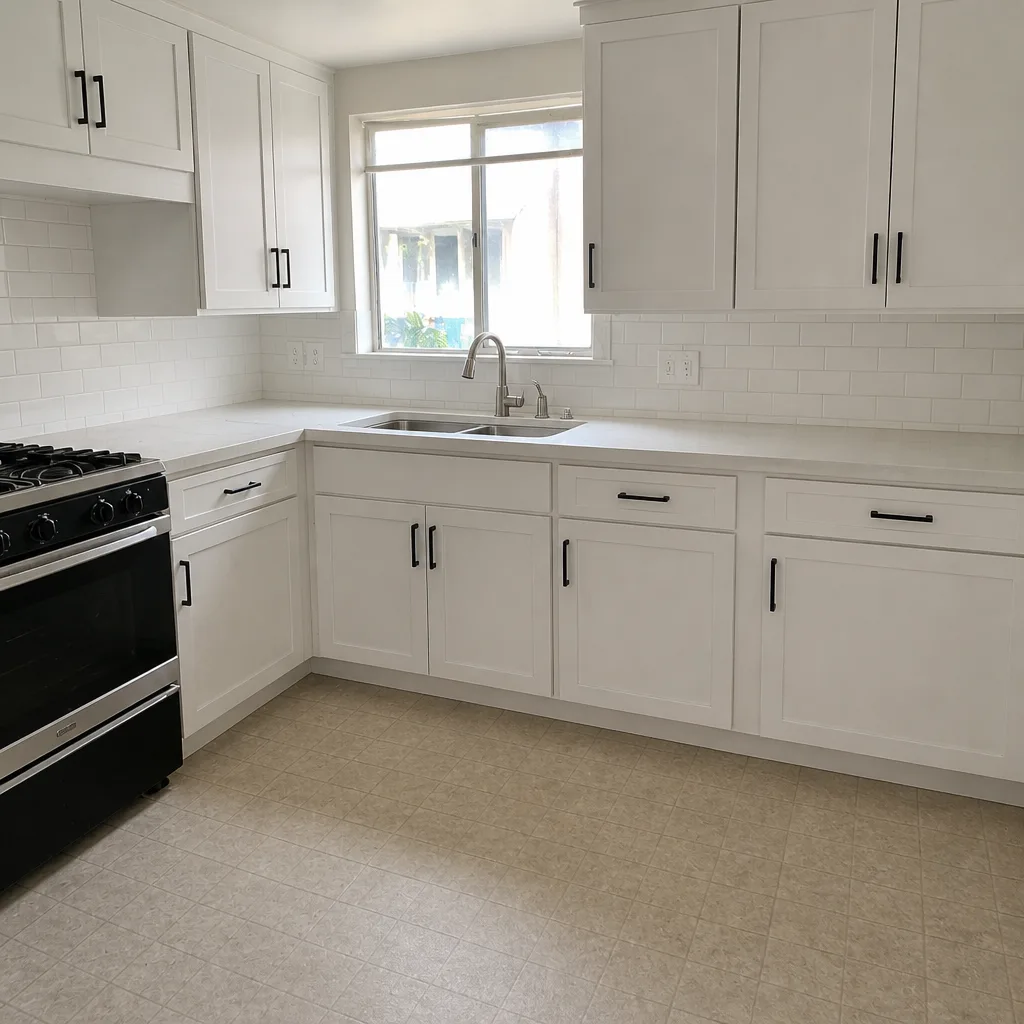 After
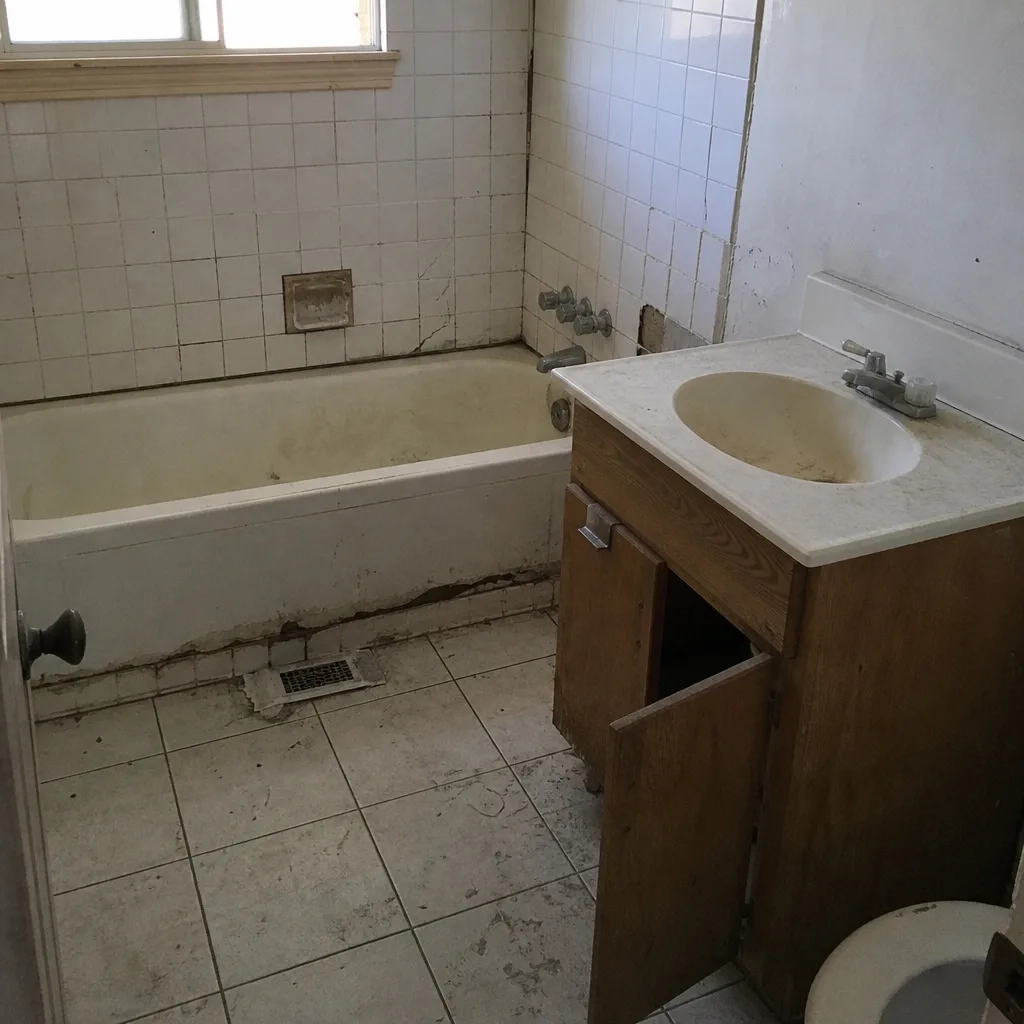 Before
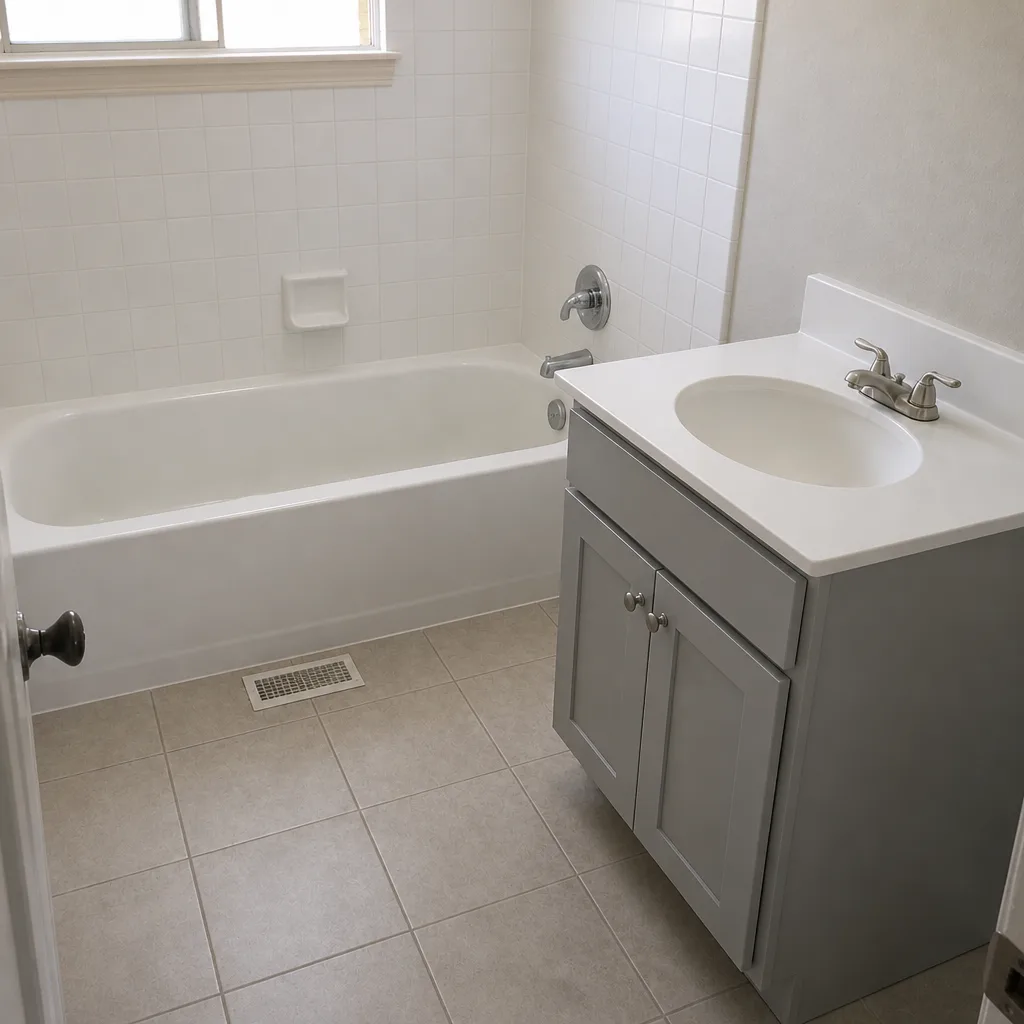 After
When to Call a Professional
Call a licensed professional when any of the following applies: the contractor has stopped showing up, the permit is expired or the work was done without one, an inspection failed and the contractor isn’t scheduling the re-inspection, the scope has drifted without written change orders, or a hidden condition (structural, electrical, or plumbing) has surfaced mid-project and needs a licensed assessment before anyone touches it. Electrical, gas, and structural work are not areas for a homeowner-run fix; an unpermitted or improperly wired repair is a safety issue first and a code issue second. If your project is in any of these states, that’s the moment to get a written assessment and a written price. Bradford Remodeling Co Concord offers free estimates in Concord; call (866) 476-6447 and a live person will pick up.
Frequently Asked Questions
A recovery scope in Concord typically runs higher than the original job’s identical scope because of demolition of failed work, re-permitting, and inspection costs. We give you a written line-item price before any work starts, so you see exactly what the recovery covers. Call (866) 476-6447 for an exact quote; estimates are free.
Not on the work we’ve quoted. Our price is written before any work starts and doesn’t move at the door. If a hidden condition surfaces once walls are open (galvanized pipe in an older Concord home, for example), that’s addressed as a documented change order with a written price, signed before the work proceeds.
Yes. Every job that requires a permit gets one, and final inspections are passed and documented before close. We don’t take on recovery work that skips the permit, because an open or expired permit follows the house and complicates a future sale.
It depends on how much of the prior work can be kept. A kitchend recovery in Concord that reuses existing rough-in and cabinetry can move in weeks; one that requires demolition and re-permitting of unpermitted structural work takes longer. We put the schedule in writing with the price, tied to completed milestones, so you know what to expect.
Every completed project carries a full-year written guarantee: if the work fails within the guarantee period, we come back and correct it at no charge. That’s the written term, in your hand at close, for 365 days from completion. It’s the reason we put the guarantee on paper instead of describing it verbally.
Yes, if the contractor is licensed. Filing is free, and CSLB can investigate, order correction, and pay valid claims from the contractor’s bond up to the bond amount. It cannot recover from an unlicensed operator with no assets; those disputes go to small claims or civil court. Call (866) 476-6447 if you need a licensed assessment to support a claim.
The Bottom Line
Most stalled Concord remodels trace back to a paperwork failure, not a skills failure. Verify the license on the CSLB site, check the permit record on the Contra Costa County portal, tie payments to completed milestones, and put every change in a written change order. If you’re taking over a failed project, expect a documented assessment, a written recovery price, and a clear statement of liability for prior defects before anyone touches a tool. The Garrison Standard exists to make that the default, not the exception: a written price before work starts, a 365-Day Done Right Promise in writing at close, and a live person on the phone when you need one. For the wider context on how we run Concord projects from the ground up, see the Bradford Remodeling Co Concord home page. To price your recovery or new build, call (866) 476-6447 for a free estimate.
Written by the team at Bradford Remodeling Co Concord.