Last updated November 18, 2026






Free written scope consultation - allowances, timeline, and change-order rules on paper before a single trade is scheduled
Seasonal Construction Care for Concord: Year-Round Homeowner’s Guide
The window to re-seal a Concord exterior deck is roughly six weeks – after the last meaningful rain in April and before June heat makes the sealant flash-cure before it penetrates. Most homeowners miss it, then wonder why their deck looks chalky by August and they’re resealing every single year. Concord’s climate isn’t the gentle Bay Area mildness people assume. It’s a Mediterranean extreme: a bone-dry season that bakes exterior finishes and a wet season that probes every gap, crack, and flashing lap. The transition windows between those two seasons are the only time certain repairs are worth doing. This guide gives you a month-by-month maintenance calendar built around Concord’s actual climate rhythm, so you’re working with the weather instead of against it.
Quick Answer
Seasonal construction care in Concord follows two hard deadlines: finish exterior work (caulk, deck sealing, stucco patching, roof flashing) between late April and early June before the heat sets in, and complete all water-management work (gutters, downspouts, roof-to-wall flashing) before the first storm, which usually arrives in late October or November. Everything else – crawlspace checks, attic ventilation, interior vapor barriers – belongs to the wet months when you’re inside anyway.
Styles & brands we work with
- Kitchen remodeling
- Bathroom remodeling
- Home additions & ADU
- Roofing
- Windows & doors
- Driveway & pavers
- Fence
Table of Contents
- March-April: The Post-Rain Inspection Sequence
- May-June: The Exterior Finish Window
- July-September: Roof Components That Fail First
- October-November: Pre-Storm Water Management
- December-February: Interior Moisture and Attic Checks
- The HVAC Transition: Cooling to Heating
- Common Mistakes to Avoid
- Frequently Asked Questions
March-April: The Post-Rain Inspection Sequence
The wettest stretch in Concord runs roughly from December through March, and the soil is fully saturated by the time March arrives. That’s your signal to inspect – not because something is broken, but because this is the one time of year groundwater is high enough to reveal where it’s actually going. By May, ground moisture reverses direction and dries out, and the evidence disappears with it.
Work through these in order:
- Crawlspace first. Get under the house before the soil dries. Look for standing water, damp joists, efflorescence (that white powdery staining on concrete or masonry), and any sign of mold on the subfloor or insulation. In Concord’s lower-elevation parcels, especially near the creeks and the flatter ground toward the bay side, a wet crawlspace in March is a normal seasonal condition. A wet crawlspace in June is a drainage problem.
- Downspout extensions next. Walk the perimeter and confirm every downspout discharges at least four to six feet from the foundation. If water is pooling anywhere within a foot of the slab or stem wall, that’s the source of most of your crawlspace moisture. Extending a downspout is a $20 fix that prevents a $20,000 foundation conversation.
- Window weep holes last. These are the small slots at the bottom of the window frame, usually covered by a tiny flap. They drain water that gets behind the sash. If they’re painted over or clogged with dirt, water backs up into the frame and eventually into the wall. Clear them with a thin wire, never a drill bit.
If the crawlspace is wet and the downspouts are already extended, that’s when you call a professional to assess drainage grading and foundation waterproofing. It’s not a job that rewards a homeowner’s weekend experiment.
May-June: The Exterior Finish Window
This is the six-week stretch the guide opened with, and it’s the most consequential window on the whole calendar. Here’s why: caulk, sealant, stucco patch, and deck stain all have a manufacturer-specified application temperature and a required cure time. Below roughly 50°F, most exterior sealants won’t adhere properly. Above roughly 90°F, they skin over before they penetrate, and the seal fails within a season. Concord in May and early June hits the sweet spot – warm enough to cure, cool enough to penetrate, and dry enough that moisture isn’t trapped behind the finish.
What to tackle in this window:
- Exterior caulk and joints. Walk the perimeter and caulk every joint between dissimilar materials: window frames to stucco, siding to trim, hose bib penetrations, and the vertical joints at corners. Use a paintable exterior-grade caulk rated for the material.
- Deck sealing. Clean first, then seal. A dirty deck traps moisture under the sealant. If the deck surface is wood and has been sealed before, a penetrating sealer is usually the better choice than a film-forming one, because Concord’s dry season causes film-forming finishes to peel.
- Stucco patching. Concord has a lot of older stucco homes, and hairline cracks are normal. Patch cracks wider than a credit card before the dry season opens them further. A proper stucco patch needs a bonding agent and a cure period – this is one area where a professional patch is often worth it, because a bad patch cracks again by October.
If you’re planning a larger exterior improvement, May-June is also the right time to schedule an estimate on general contractor work in Concord, since the dry season is when crews can work without weather delays.
July-September: Roof Components That Fail First
Concord’s summer heat is a thermal cycling machine. A roof surface can hit 150°F to 170°F in direct July sun and drop to 70°F overnight. That cycle happens every single day for four months, and it attacks different components than winter rain does. Homeowners who inspect their roof in summer almost always look at shingles. The reality is that shingles on a Concord roof usually outlast the things connecting them.
Inspect these four, in this order:
- Ridge cap. The ridge cap is the row of shingles along the very top of the roof. It takes the most direct sun and the most thermal movement. Look for cracking, curling, or nails that have backed out. A failing ridge cap is often the source of a leak that appears far lower on the roof.
- Flashing at wall junctions and penetrations. Where the roof meets a wall, a chimney, or a vent pipe, there’s a metal flashing piece sealed with caulk or mastic. That sealant has a lifespan of about five to seven years in Concord heat. If it’s cracked and pulled away, it will leak the first storm after the first rain of the fall.
- Valley flashing. The metal channel where two roof planes meet. Debris piles up here through the dry season, and if it isn’t cleared, the first storm sends water sideways under the shingles.
- Shingles last. Check granule loss, curling, and any lifted tabs. These matter, but they’re the fourth priority, not the first.
If you see missing, damaged, or aged roofing, a qualified roofer should assess it before the wet season. Roof work at height is genuinely dangerous, and the repair is not a homeowner project.
October-November: Pre-Storm Water Management
Concord’s first real storm usually lands between late October and mid-November, and it can drop a substantial amount of rain in a short window. The week before that storm is your last chance to keep water out of the house, and it’s the check most homeowners skip.
Run this sequence:
- Clear the gutters. All of them, not just the ones you can see from the driveway. Concord’s dry season fills gutters with leaves, seeds, and dust that turns into a solid mat when it gets wet. A clogged gutter sends water over the edge and straight into the foundation.
- Confirm downspouts are clear and connected. Pour a bucket of water down each one and watch where it comes out. If it backs up, clear it now.
- Check the roof-to-wall flashing. This is the single most-skipped item on the list. The flashing where the roof meets a vertical wall is often hidden behind siding or stucco, and the sealant behind it ages out of sight. If you can see the flashing and the sealant is cracked, call a professional – resealing this correctly requires getting onto the roof and possibly opening the siding joint.
- Look at the ground slope near the foundation. Soil should slope away from the house at roughly a 5% grade for the first several feet. If it’s settled or was never graded correctly, add compacted soil before the rain.
December-February: Interior Moisture and Attic Checks
Once the rain starts, the work moves inside. The wet months in Concord are when moisture management matters most, and three systems do most of the work.
The vapor barrier. In a crawlspace, the vapor barrier is the plastic sheeting on the ground that stops ground moisture from rising into the structure. It should cover the entire floor, overlap at the seams, and be sealed to the foundation walls. If it’s torn, displaced, or missing, moisture rises into the joists and insulation all winter. Replacing it is straightforward but physically awkward – a professional can usually do it in a day.
Attic condensation. Condensation in the attic is a winter problem, and it comes from warm indoor air leaking into a cold attic and condensing on the cold roof deck. The signs are frost on the underside of the roof sheathing, dark staining on the rafters, or damp insulation. The fix is usually air sealing the attic floor and improving ventilation, not adding more insulation.
Sump pump function. If your home has a sump pump – which is more common on Concord’s lower-elevation flood-prone parcels – test it in December before you need it. Pour water into the pit and confirm the float triggers the pump and the discharge line is clear. A sump pump that’s been sitting dry for eight months is a sump pump that may not start in February.
Interior remodeling is the other productive use of the wet months. If you’ve been putting off a kitchen or bath update, winter is when an indoor project moves fastest – see our kitchen remodeling in Concord page for how that schedule works.
The HVAC Transition: Cooling to Heating
The HVAC handoff from cooling to heating happens somewhere in late October or early November in Concord, and it’s a maintenance event, not just a thermostat flip. Before you run the furnace for the first time:
- Replace the air filter. A filter full of summer dust restarts every fall with restricted airflow.
- Clear the condensate drain line. In summer, the AC produces condensate that can grow a biological clog. If that line is plugged, the system can back up and trip a safety switch.
- Test the heat on a mild day, not the first cold night. That way if something isn’t working, you have time to schedule a service call without an emergency premium.
- Check the outdoor AC unit and clear it of leaves and debris before winter. If your system uses a heat pump, the outdoor unit still runs in winter, and a clogged coil means poor efficiency.
HVAC work involves gas lines, electrical connections, and refrigerants – all genuinely dangerous components. Keep the homeowner checks to filters and visual inspection, and bring in a licensed HVAC technician for anything involving the equipment itself.
See the difference
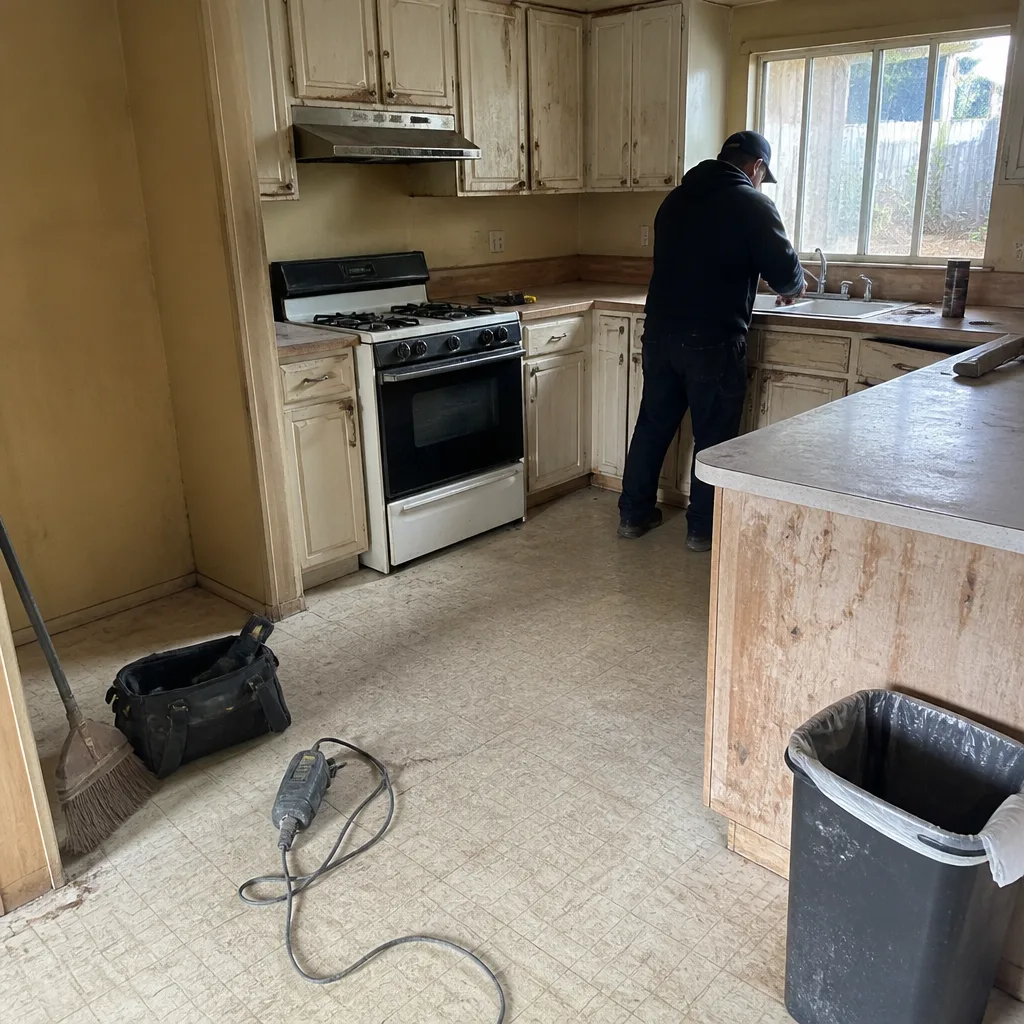 Before
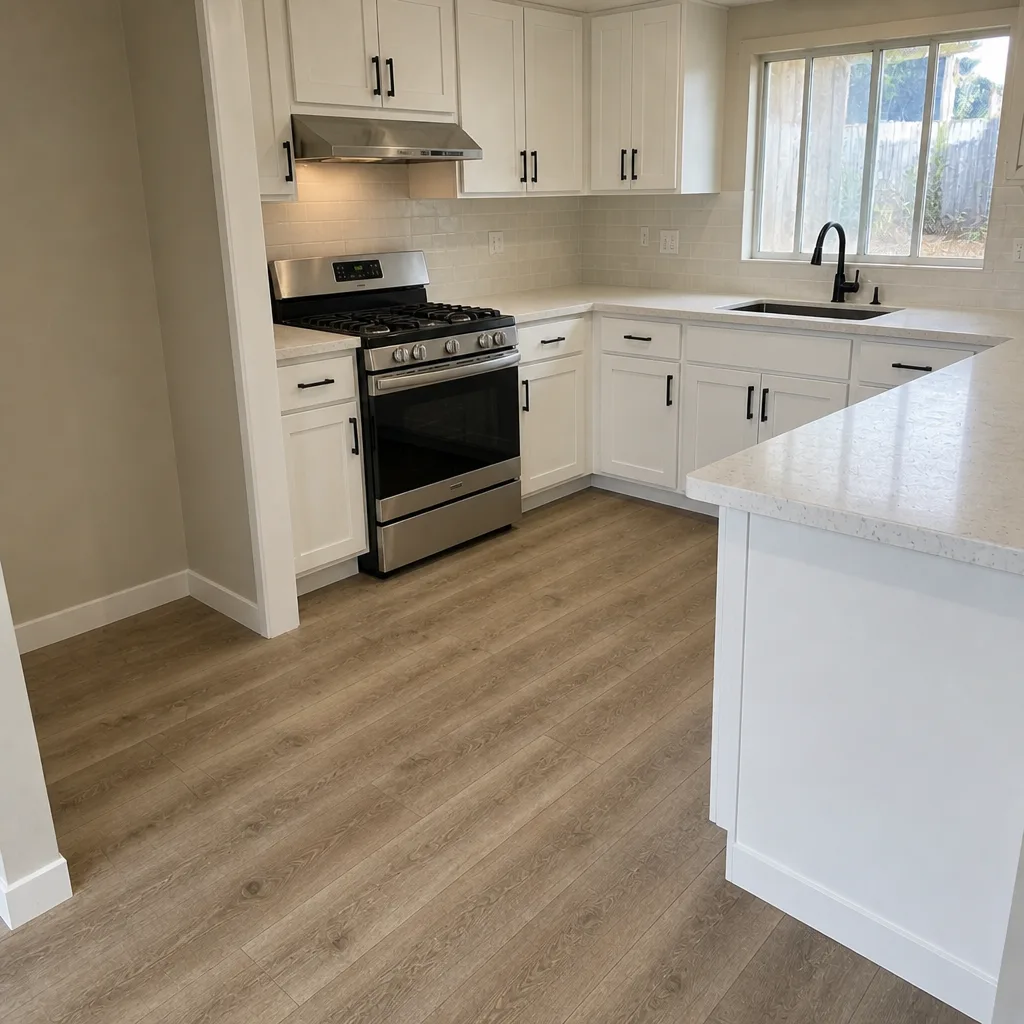 After
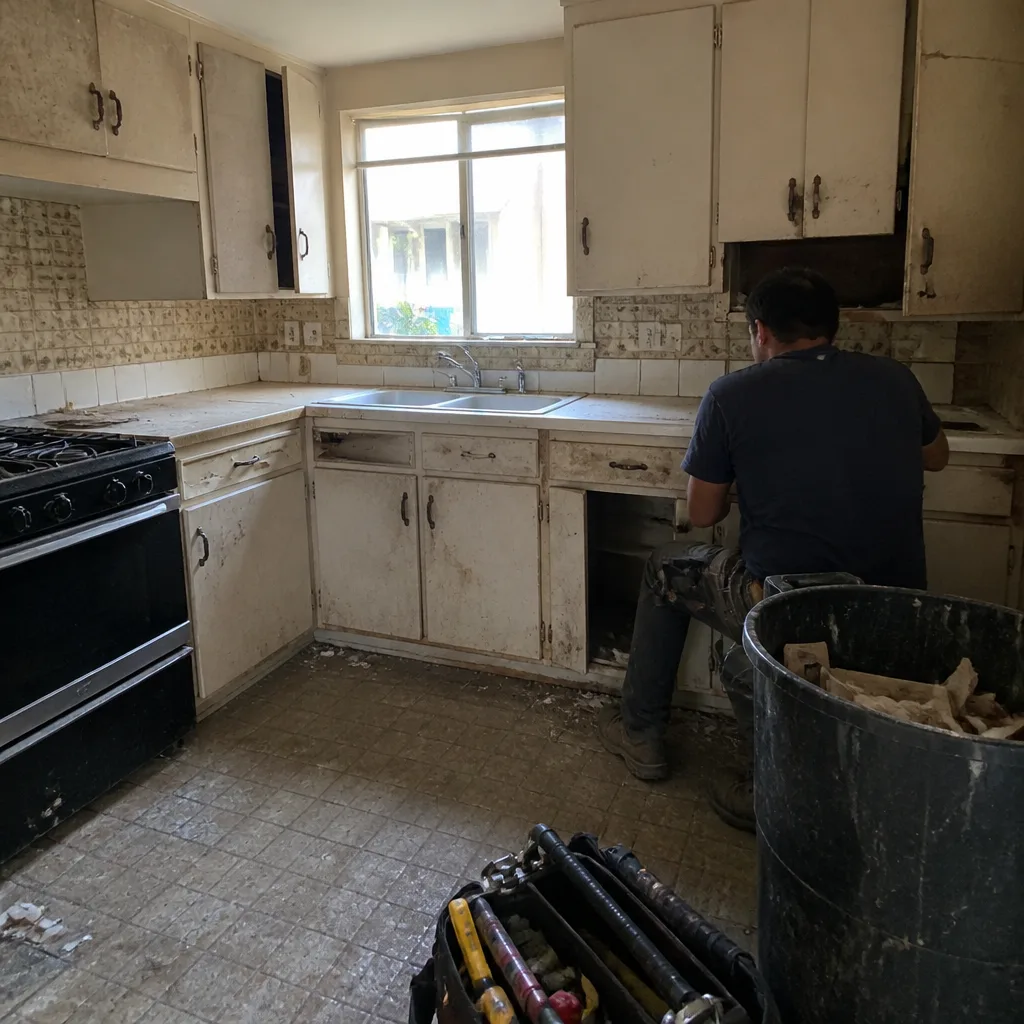 Before
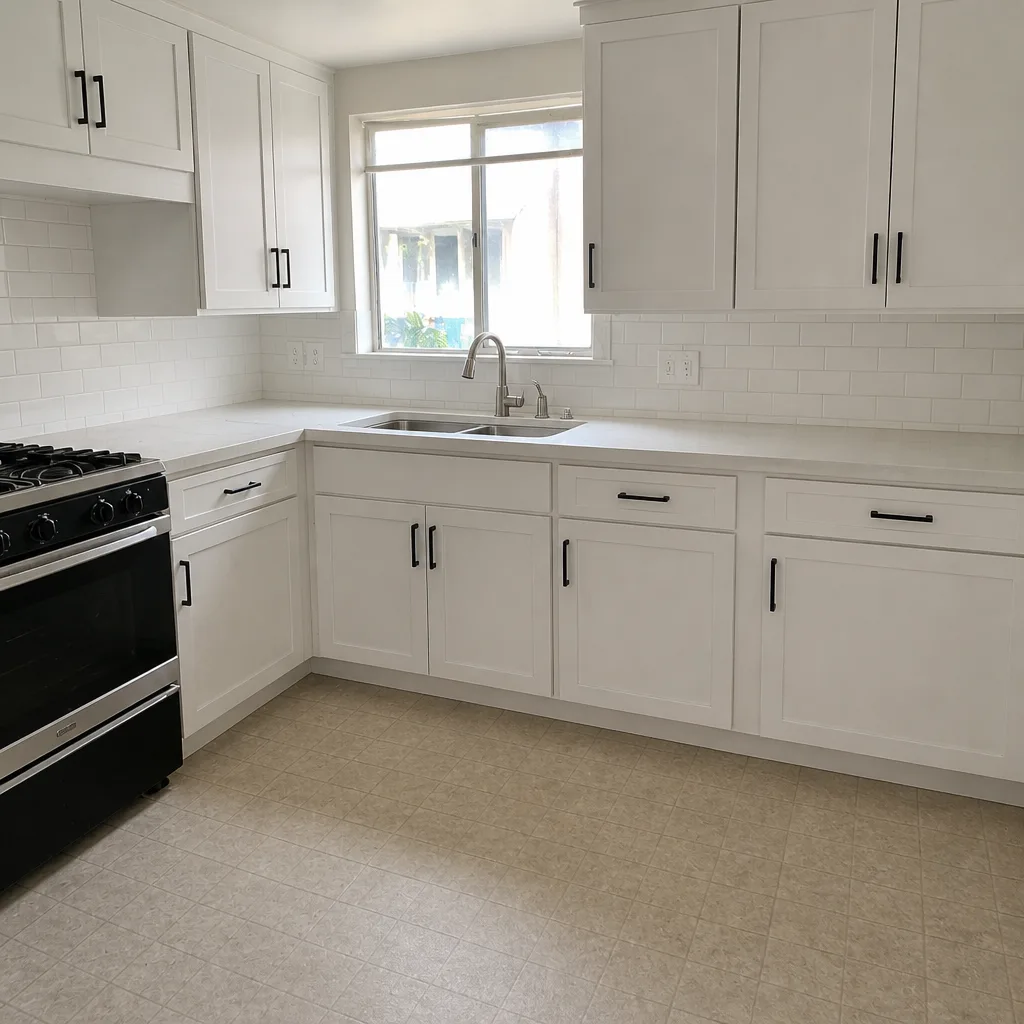 After
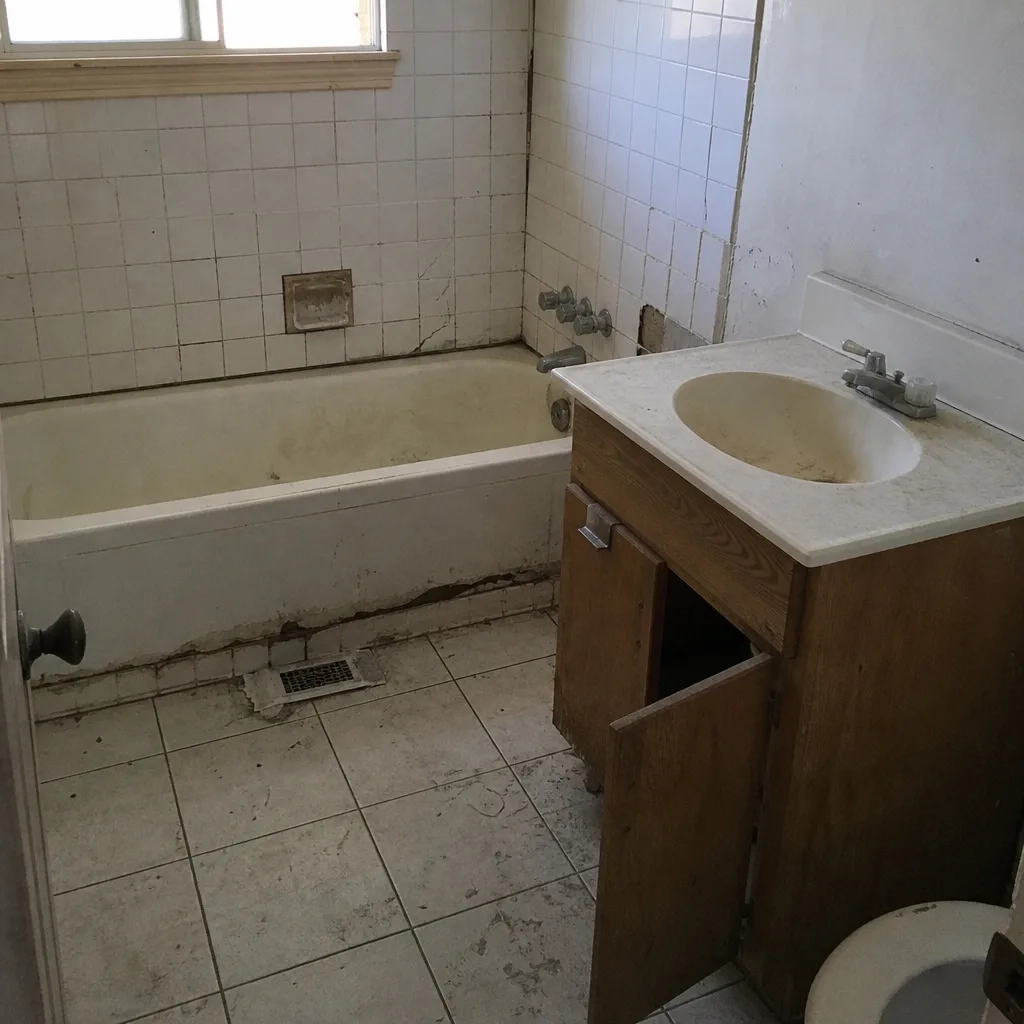 Before
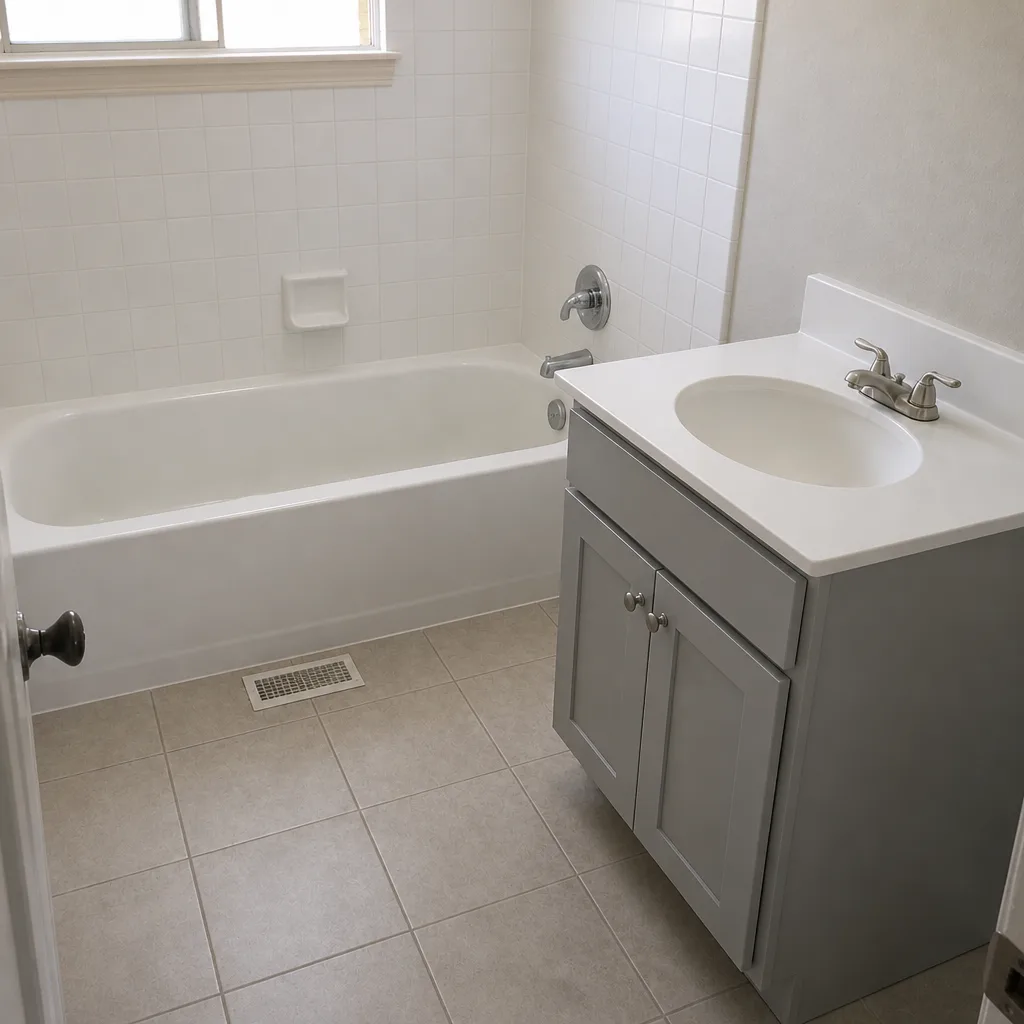 After
Common Mistakes to Avoid
- Sealing the deck in summer heat. Application above 90°F causes the sealant to flash-cure on the surface without penetrating, and the finish fails within a season. Wait for May or early June.
- Inspecting the crawlspace in summer. By July, the soil has dried and any moisture problem looks resolved. The evidence you need to see only exists in March.
- Checking only the shingles. In Concord, ridge caps and flashing fail before shingles do, and a shingle-only inspection misses the actual leak source.
- Ignoring the roof-to-wall flashing. It’s the most commonly skipped item in the fall checklist, and it’s usually the one that causes the interior water stain in December.
- Using a film-forming deck finish. Concord’s dry, hot summers peel film finishes quickly. A penetrating sealer holds up better.
- Waiting until the first cold night to test the furnace. The first cold night is the worst time to discover the heat doesn’t work.
- Assuming the vapor barrier is fine because there’s no visible water. A displaced vapor barrier can cause condensation damage that only shows up as staining after several winters.
When to Call a Professional
Some items on this calendar are homeowner-friendly: clearing gutters, pouring a bucket down a downspout, replacing an air filter, testing a sump pump. Others are not. Call a professional when the work involves the crawlspace and any drainage correction, roof access of any kind, stucco patching that needs to actually hold, HVAC equipment and gas, or anything that requires pulling a permit. Roof work at height and anything touching an electrical panel or gas line carries real injury risk, and the time and money you save isn’t worth it. If a step on this calendar turns up a problem you’re not equipped to fix, get it assessed before the season turns. Bradford Remodeling Co Concord offers free estimates in Concord, with a written price before any work starts – call (866) 476-6447 to schedule one.
Frequently Asked Questions
Late April through early June. The temperatures are warm enough for the sealant to cure but cool enough that it penetrates the wood before it skins over. Sealing in July and August usually fails within a season because the surface heat flash-cures the product.
Twice a year – once in spring after the rain stops, and once in late summer before the wet season. The summer inspection should focus on ridge caps and flashing, not shingles, because those are the components that fail first under Concord’s thermal cycling. If anything looks damaged or missing, call a roofer for an assessment rather than getting on the roof yourself.
Usually because downspouts are discharging too close to the foundation, or the ground doesn’t slope away from the house. In Concord’s lower-elevation parcels near the creeks, high winter groundwater is also a factor. Extending downspouts and correcting grading solves most of it; the rest needs a professional drainage assessment.
The week before the first storm, which in Concord usually means late October or the first week of November. Clear them completely, including the ones you can’t see from the ground, and confirm every downspout drains freely.
It depends on the scope. Smaller repairs like caulking, painting, and sealant replacement typically don’t require a permit, while reroofing, stucco repair beyond cosmetic patching, and structural work usually do. Ask the professional you hire which permits apply, and confirm they’re pulling them before work begins. A written price should state clearly who is responsible for permits.
Stop the source first – clear a clogged gutter, redirect a downspout, or shut off water at the fixture. Then document the damage with photos and call a professional to assess. Water damage spreads fast, and the repair cost goes up the longer it’s left.
When it’s time for the repair or the remodel, Bradford’s 365-Day Done Right Promise covers every completed project with a full-year written guarantee – if the work fails within that window, Bradford comes back and corrects it at no charge. Background-checked, uniformed technicians arrive on every job, and a live person answers the phone around the clock. If your project involves a larger interior update, our bathroom remodeling in Concord page walks through what a winter-timed bath project looks like. And for the big picture on how a full project runs, start with Bradford Remodeling Co Concord.
The Bottom Line

Concord’s climate rewards homeowners who work the calendar. The deck gets sealed in May, the roof gets inspected for flashing in August, the gutters get cleared in late October, and the crawlspace gets checked in March when the moisture is still visible. Miss a window, and the correction usually costs more than the maintenance would have. The two hard deadlines are the exterior finish window from late April to early June, and the pre-storm water-management week before the first rain. Everything else can flex. If a step on this list turns up a problem beyond a quick DIY fix, get a professional assessment, get it in writing, and get it squared away before the season changes.
Ready to schedule the work? Call (866) 476-6447 for a free estimate. No-hassle upfront pricing, a written price before any work starts, and a live person to answer the phone. That’s the standard we work to.
Written by the team at Bradford Remodeling Co Concord.