Last updated November 18, 2026






Free written scope consultation - allowances, timeline, and change-order rules on paper before a single trade is scheduled
Bathroom Remodeling Troubleshooting: Common Problems and How to Fix Them
Grout cracking within 90 days of a tile install is almost never a grout problem. It’s a substrate deflection problem, and no amount of re-grouting fixes it. We’ve pulled up “failed” shower floors in Concord where the tile layer was blamed three times over, only to find the real culprit was a plywood subfloor that flexed every time someone stepped near the drain. Bathroom failures are rarely random. They trace back to four root causes: bad substrate prep, wrong product selection, skipped inspections, and sequence violations. This guide shows you how to identify which one you’re facing, because that answer determines whether you’re looking at a simple callback, a warranty claim, or a reason to find a new contractor.
Quick Answer
Most bathroom remodel problems come from four root causes: improper substrate prep, wrong product for the application, skipped permits and inspections, and work done out of sequence. Diagnose the root cause first, because the fix depends on it. Cracking grout usually means a moving substrate, a shower leak’s location tells you which trade owns the repair, and a written guarantee is what separates a legitimate warranty callback from a repair you’ll pay for twice.
Styles & brands we work with
- Kitchen remodeling
- Bathroom remodeling
- Home additions & ADU
- Roofing
- Windows & doors
- Driveway & pavers
- Fence
Table of Contents
- The Four Root Causes Behind Nearly Every Bathroom Failure
- How to Diagnose a Shower Leak by Location
- Waterproofing Membranes: Budget vs. Sheet Systems and What Remediation Looks Like
- Warranty Callback vs. Homeowner Damage: How to Tell the Difference
- The Decision Framework: What You Can Fix Without Opening Walls
- Skipped Inspections and Permit Problems
- Concord-Specific Conditions That Affect Your Bathroom
- Common Mistakes to Avoid
The Four Root Causes Behind Nearly Every Bathroom Failure
Every problem we troubleshoot in a bathroom falls into one of four buckets. Knowing which bucket you’re in changes everything about the fix.
- Improper substrate prep. The substrate is the surface underneath your tile or flooring. If it deflects, isn’t flat, or wasn’t properly prepped for moisture, the finish above it will fail no matter how good the materials are. Example: a Concord hall bath where the installer screwed cement board directly to joists spaced 24 inches apart. The floor flexed, the grout cracked in eight weeks, and the fix required pulling the floor, adding blocking, and starting over.
- Wrong product selection. A standard drywall board behind shower tile, or a “water-resistant” drywall where a true waterproof membrane was needed, will fail. It’s not installation error; it’s the wrong product for a wet environment.
- Skipped inspections. Plumbing rough-in, electrical, and waterproofing inspections exist for a reason. When they’re skipped, problems get buried behind finished walls and surface years later as slow leaks or failed GFCI protection.
- Sequence violations. Setting tile before the shower pan passes a flood test, installing the vanity before the plumbing rough-in is confirmed, or grouting before thinset cures fully. Each shortcut saves a day and costs a callback.
When we walk into a Concord bathroom with a problem, the first question isn’t “what’s broken?” It’s “which of these four happened?” That’s the difference between a targeted repair and a demolition. Our Bathroom Remodeling in Concord projects get a written scope that names the substrate, the membrane system, and the inspection schedule before demolition starts, precisely so these four causes don’t stand a chance.
How to Diagnose a Shower Leak by Location
Where a shower leaks tells you who’s responsible for fixing it. A leak at the pan is a waterproofing and tile problem. A leak at the valve is a plumbing problem. Same shower, two different trades, two different responsible parties.
Leak at the pan (floor)
Water shows up on the ceiling below, usually near the center of the shower. The cause is almost always a failed pan liner, a clogged weep hole, or no preslope under the liner. Fix: the pan has to be rebuilt. There’s no topical solution. Responsible party: the tile contractor or waterproofing installer.
Leak at the curb
Water seeps at the threshold or along the outside face of the curb. Common cause: nails or screws driven through the liner at the curb, or a liner that wasn’t folded and fastened correctly. Fix: the curb gets rebuilt with proper liner protection. Responsible party: tile contractor.
Leak at the valve
Water appears around the shower valve trim, sometimes running down the wall behind the tile. Cause: failed cartridge, loose connections, or the rough-in valve not sealed to the substrate. Fix: cartridge replacement or resealing the trim plate. Responsible party: a licensed plumber.
Leak at the grout
The tile surface itself is darkening or the grout is eroding. Cause: porous or improperly sealed grout in a wet area, or a deflection problem causing grout to crack. Fix: if the substrate is stable, regrouting with an epoxy grout and proper sealing works. If the substrate deflects, no regrout will hold. Responsible party: tile contractor after diagnosing the substrate.
We use a simple flood test to confirm a pan leak in about 24 hours. Fill the pan with water, mark the level, and check the ceiling below. If it drops, you’ve found your pan. If it doesn’t, the leak is elsewhere.
Waterproofing Membranes: Budget vs. Sheet Systems and What Remediation Looks Like
Waterproofing is where the trade quietly separates the careful installers from the fast ones. Two common approaches dominate, and their failure modes look different.
Liquid-applied membranes (the budget-friendly approach) are rolled on like paint. They work when applied at the correct wet-film thickness, in the right number of coats, with proper cure time between coats. Failures happen when a coat is skipped, cure time is rushed, or coverage thins at corners. Remediation means the entire shower surround is demolished back to studs, because the membrane is bonded to the backer board.
Sheet membrane systems, like the Schluter Kerdi system, are fabric sheets bonded to the substrate with thinset and overlapped per manufacturer specs. They’re more installer-dependent but less forgiving of skip. Sheet failures usually come from overlapping less than required or missing the sealant at corners. Remediation for a sheet failure is sometimes localized, if the failure point is reachable, but a shower pan failure still requires a full rebuild.
If a contractor offers to fix a failed waterproofing with a topical sealer or “re-grout and seal,” that’s not remediation. That’s a delay tactic. The leak will return within one to two wet seasons. In Concord, where we get wet winters and long dry summers, that cycle is fast.
We specify systems like Schluter and Toto fixtures on our Bradford Remodeling Co Concord home projects because the manufacturer publishes a spec sheet and honors a warranty that backstops ours. When a membrane fails, the documentation trail matters as much as the fix.
Warranty Callback vs. Homeowner Damage: How to Tell the Difference
A legitimate warranty callback is a repair the contractor performs at no charge because the work failed within the guarantee period. Homeowner-caused damage is anything that happened after the guarantee kicks in from misuse, neglect, or unauthorized alterations. The written guarantee is what makes that line clear before work starts.
The 365-Day Done Right Promise covers every completed project for a full year. If the work fails inside that window, we come back and correct it at no charge. The distinction matters: if the shower pan leaks at month eight due to a skipped preslope, that’s ours. If a homeowner drilled through a valve to hang a shelf at month eight, that’s not.
Every written guarantee should specify:
- What’s covered (labor, materials, or both)
- The window (in our case, 365 days)
- The correction process (phone call, site visit, repair or rebuild)
- What’s excluded (homeowner alterations, improper cleaning products, damage from neglect)
If a contractor won’t put the guarantee in writing before the job starts, you don’t have a guarantee. You have a verbal understanding. When a problem arises, the contractor who shows up with a documented scope and a signature on the guarantee fixes it; the contractor who doesn’t, disappears.
The Decision Framework: What You Can Fix Without Opening Walls
Some bathroom problems are a weekend of work. Others require a licensed plumber or tile contractor because opening a wall or breaking a pan is the only real fix. Here’s how to tell the difference.
Fixes you can handle without opening walls
- Recaulking around the tub and shower. If the caulk is failing but the grout and substrate are intact, this is a homeowner job with proper bathroom silicone caulk.
- Regrouting shallow erosion. If grout is eroding but not cracking, and the substrate doesn’t flex, regrouting with proper grout is a homeowner job.
- Replacing shower valve cartridges. Some brands (Moen in particular) sell a cartridge replacement kit and a puller. If you’re reasonably handy, fine. If you’re not, call a licensed plumber.
- Resealing the shower head arm and trim plate. Simple plumbing seal work.
- Replacing a toilet flapper or fill valve. Standard homeowner repair.
Fixes that require a licensed professional
- Shower pan leaks. The pan needs to be rebuilt to code.
- Cracking grout from deflection. The substrate needs correction, which means opening the floor.
- Water damage behind tile. The wall has to come open, the source fixed, and the substrate replaced.
- Any rough-in plumbing work. Permits and licensed plumber required in Concord.
- Any electrical work inside the bathroom. That includes GFCI outlet replacement and exhaust fan wiring.
If you’re not sure which column a problem falls into, that’s already a professional call. A $150 diagnostic now can save a $4,000 rebuild later.
Skipped Inspections and Permit Problems
Permits matter more in the bathroom than any other room. Plumbing rough-in, electrical, and waterproofing all have inspection points, and skipping them means you’re relying entirely on the installer’s workmanship. In Concord, and throughout Contra Costa County, most bathroom plumbing alterations require a permit, and the inspection sequence is: rough plumbing first, then electrical, then waterproofing flood test, then final.
Skipped inspections cause two problems. First, the failure shows up years later when no one can prove who did what. Second, when you sell the home, the buyer’s inspector flags unpermitted work and the sale stalls or you take a price hit.
- Ask your contractor for the permit number before work begins. Not after. Before.
- Confirm inspection dates appear on the written scope.
- Keep the signed-off inspection cards. They’re proof the work passed.
- Never pay for a “permit-less” discount. It’s a shortcut, not a savings.
Our process pulls and passes permits on every job where the code requires it. If a contractor offers to work without a permit “to save you time,” that’s a red flag for everything else about the job.
Concord-Specific Conditions That Affect Your Bathroom
Concord’s climate is a specific challenge for bathrooms. Long dry summers, wet winters, and wide day-to-night temperature swings stress every joint, seal, and caulk line in the house. Grout that would hold for a decade in a stable climate will crack in Concord within two to three years if the substrate isn’t rigid.
The other Concord factor is the housing stock. Much of the city was built between the 1960s and 1990s, and a lot of bathrooms in those homes still carry the original 1980s-era plumbing fixtures. When a homeowner remodels, the rough-in often has to be brought up to current code, which means the project is more than a cosmetic upgrade.
Neighborhood specifics matter. In older homes near Todos Santos Plaza and the downtown Concord area, we routinely find galvanized plumbing that needs full replacement before the vanity can go back in. In newer construction in the Clayton Valley and Concord’s eastern hills, the plumbing is fine, but the original tile showers fail on the waterproofing side. Knowing which era a home is from tells you which problem to look for first.
We plan every General Contractor in Concord project with those local factors in the written scope. It’s not a marketing point; it’s how a real estimate gets accurate.
Common Mistakes to Avoid
- Re-grouting a shower without checking the substrate. If the floor flexes, the regrout will fail within a year. Concord’s temperature swings make this a fast failure.
- Using drywall instead of cement board or a waterproof membrane behind tile. This is a top cause of hidden water damage in Concord homes built before 2000. It’s an easy shortcut, and it always shows up as a $4,000 repair.
- Hiring a contractor who doesn’t pull permits. Unpermitted plumbing rough-in fails at resale inspection, and the homeowner eats the cost of opening walls again.
- Accepting a verbal guarantee. A guarantee that isn’t in writing before the job starts is not a guarantee.
- Choosing the lowest bid without seeing the substrate plan. The bid that ignores what’s under the tile is the bid that costs you twice.
- Skipping the flood test on a new pan. A pan that leaks after completion means the whole shower comes out. A 24-hour flood test before tile prevents that.
- Installing an exhaust fan without a timer or humidistat. Concord bathrooms without proper ventilation grow mold within months.
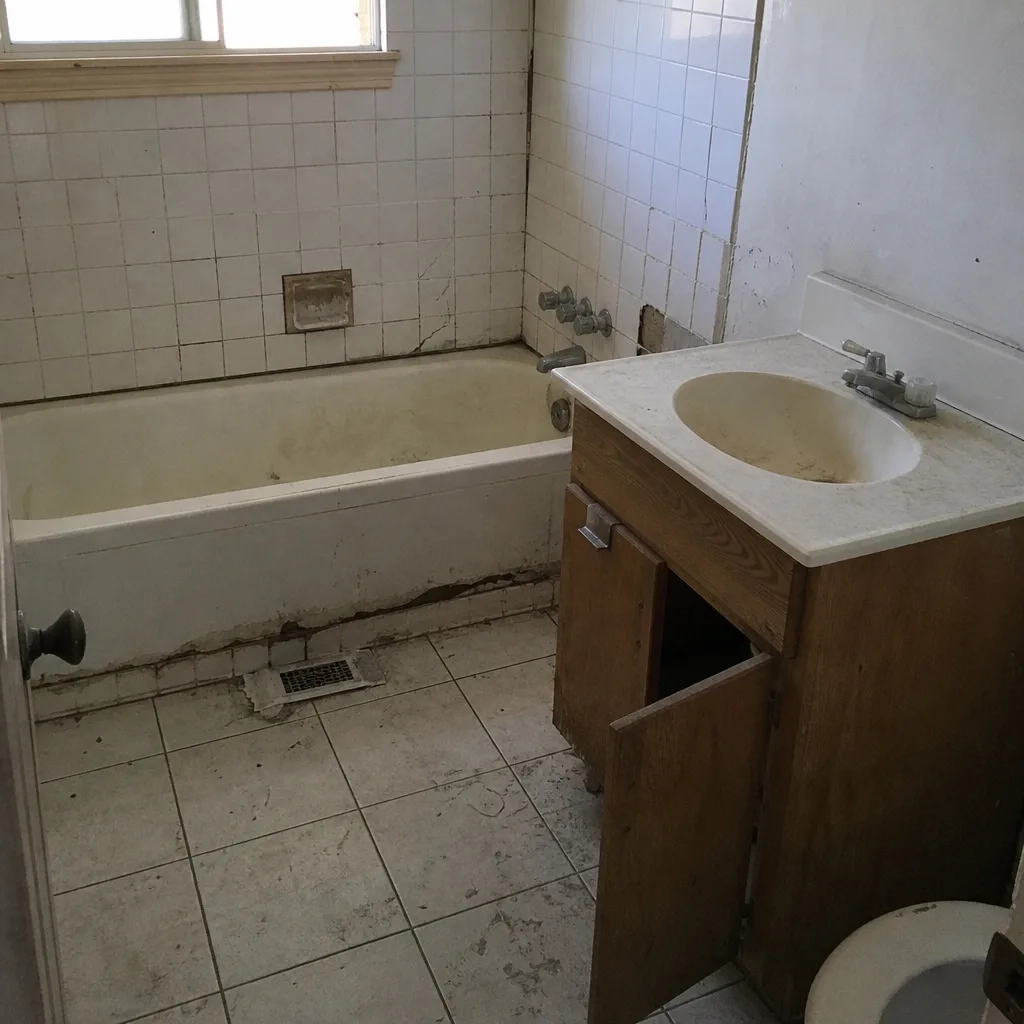
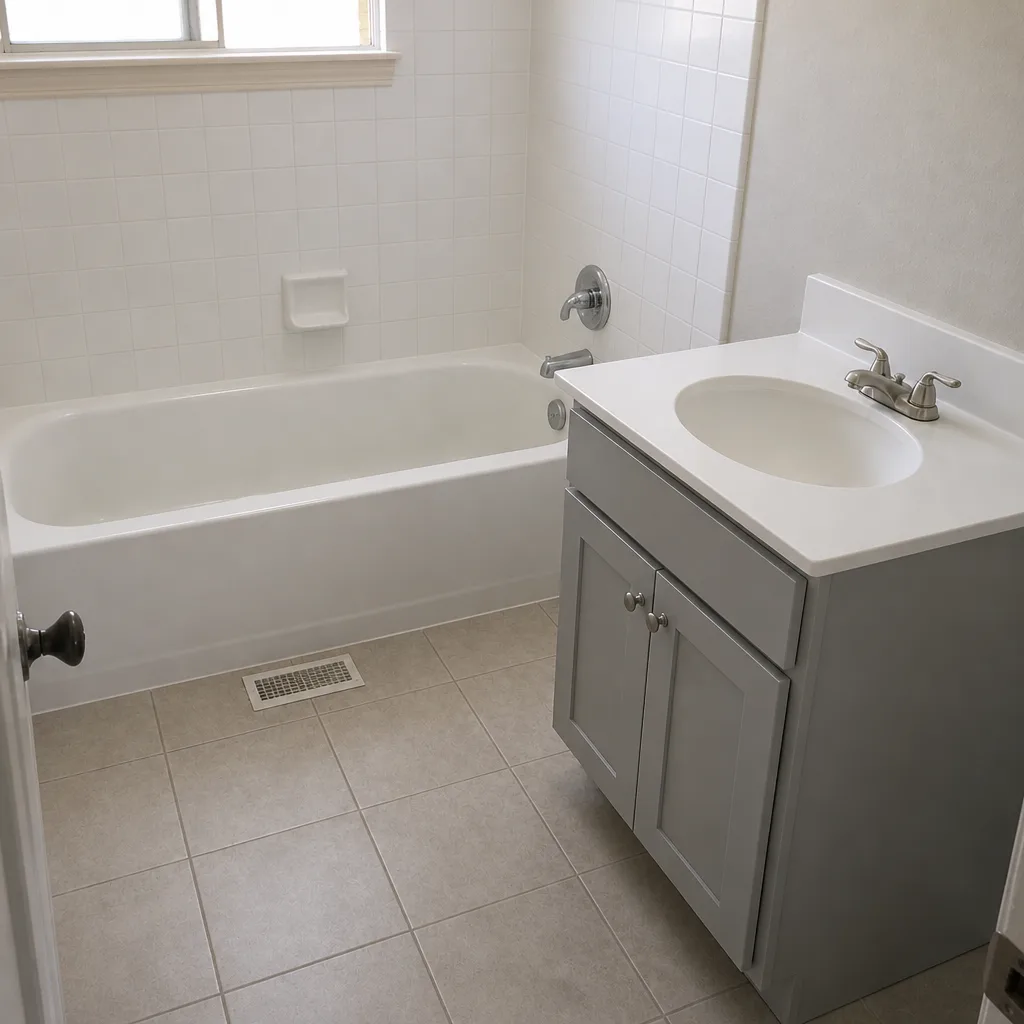
See the difference
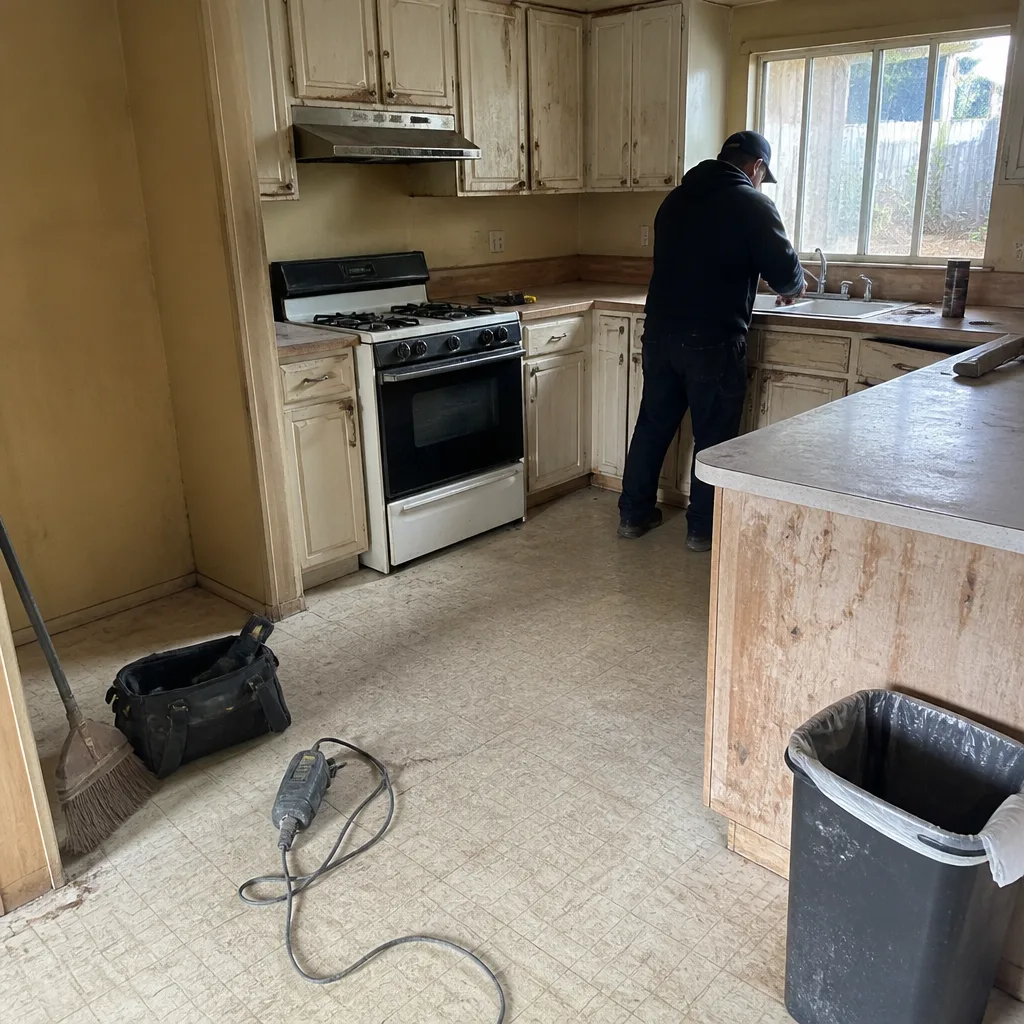 Before
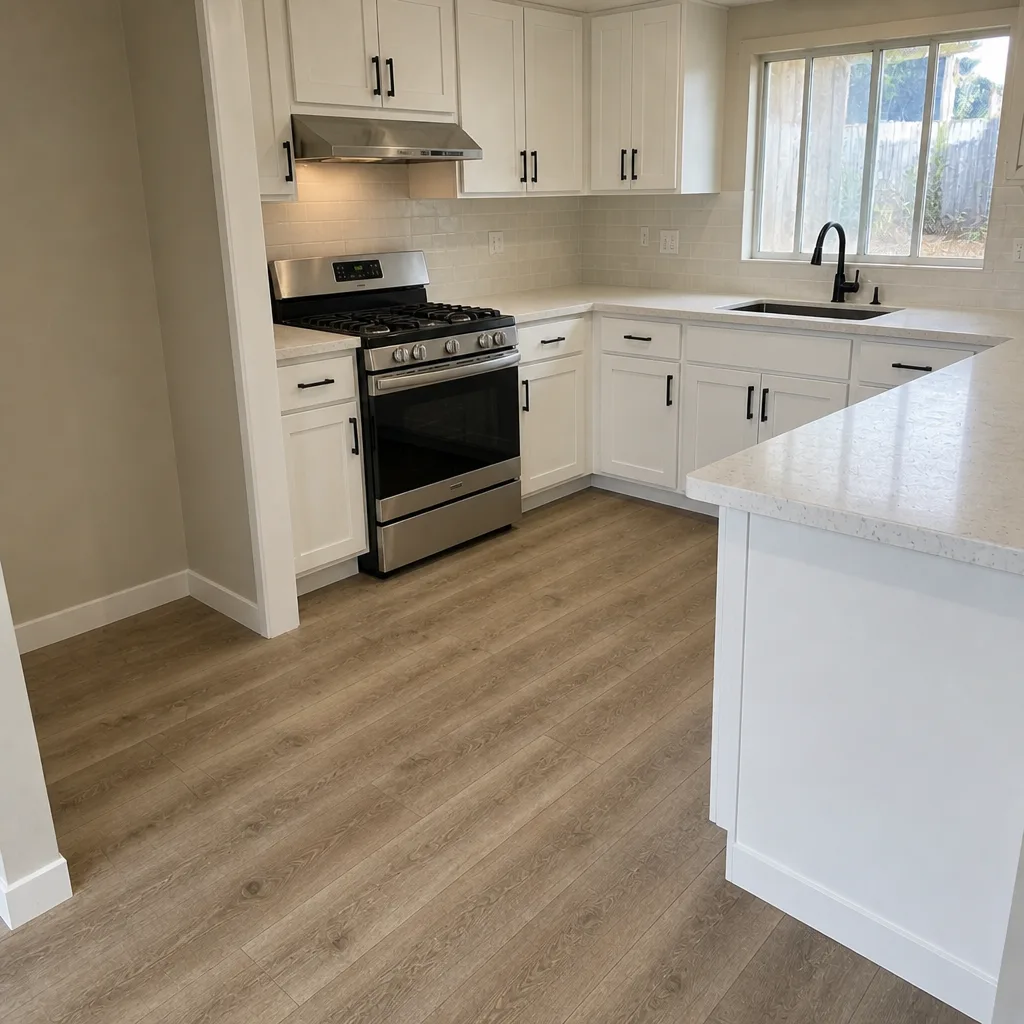 After
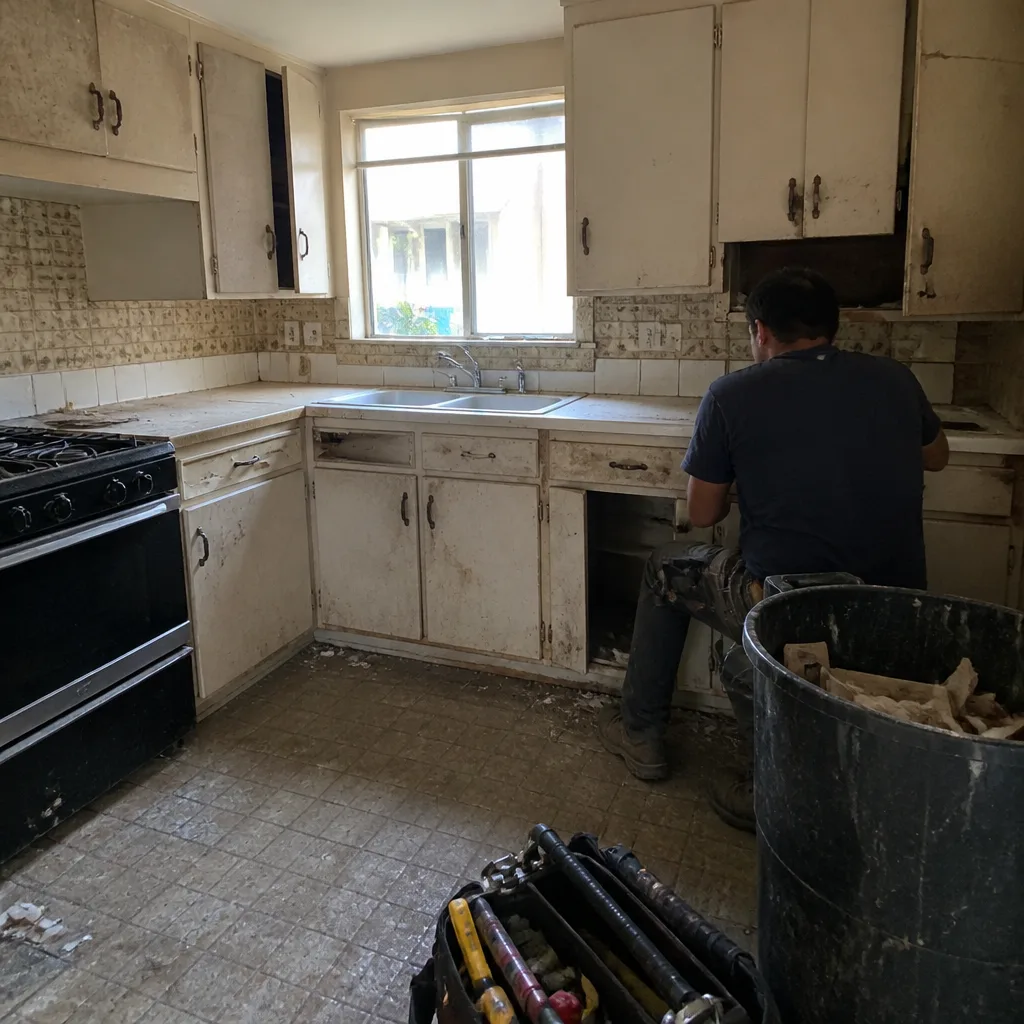 Before
 After
 Before
 After
When to Call a Professional
Call a professional when a shower leak originates at the pan or curb, when grout cracking is accompanied by a flexing floor, when water staining shows up behind tile or on a ceiling below, when the work involves rough-in plumbing or electrical, or when the original permit was never pulled. Those are all situations where DIY fixes don’t hold and the cost of redoing them exceeds the cost of doing it right the first time. Bradford Remodeling Co Concord offers free estimates in Concord – call (866) 476-6447. A live person answers, and we’ll give you a written price before any work starts, whether that’s a diagnostic visit or a full rebuild. Our technicians have up to 22 years of experience, and every completed job carries the 365-Day Done Right Promise in writing.
Frequently Asked Questions
Shower pan replacement in Concord typically runs $1,800 to $4,200 depending on whether the pan is a standard 36×48 alcove or a custom mud-set design, and whether the surrounding tile has to come out with it. The cost includes membrane, preslope, test, and tile. Call (866) 476-6447 for an exact quote – estimates are free.
Cracking grout almost always means substrate deflection, not a bad grout job. The floor under the tile is flexing when weight is placed on it, which shears the grout joint. Regrouting will fail again within 6 to 12 months if the substrate isn’t corrected. The real fix is correcting the framing underneath.
It depends on where the leak is. Valve trim leaks, failed caulk lines, and shower head arm leaks are homeowner jobs. Shower pan leaks, leaks behind the tile, and any leak connected to plumbing rough-in require a licensed plumber or tile contractor. If you’re not sure, call (866) 476-6447 for a free diagnostic.
Most plumbing, electrical, or structural changes require a permit in Concord. Cosmetic updates like paint, flooring, and fixture replacement typically don’t. Anything touching the plumbing rough-in or the electrical circuit requires a permit and an inspection. Bradford pulls and passes permits on every project where the code requires it.
Every completed project is covered for a full year from completion. If the work fails within that window – a leak, a failed waterproofing system, a grout failure caused by installation – we return and correct it at no charge. Homeowner-caused damage from neglect or modification is not covered. The guarantee language is in the written estimate before work starts.
The clearest sign is a missing inspection record on file with the city, which a title search will usually surface when you sell. Other signs include outlets without a bathroom-specific GFCI, electrical boxes set into tile without a deck, or a shower that leaks within a year of install. Call (866) 476-6447 if you want a diagnostic visit to confirm.
The Bottom Line
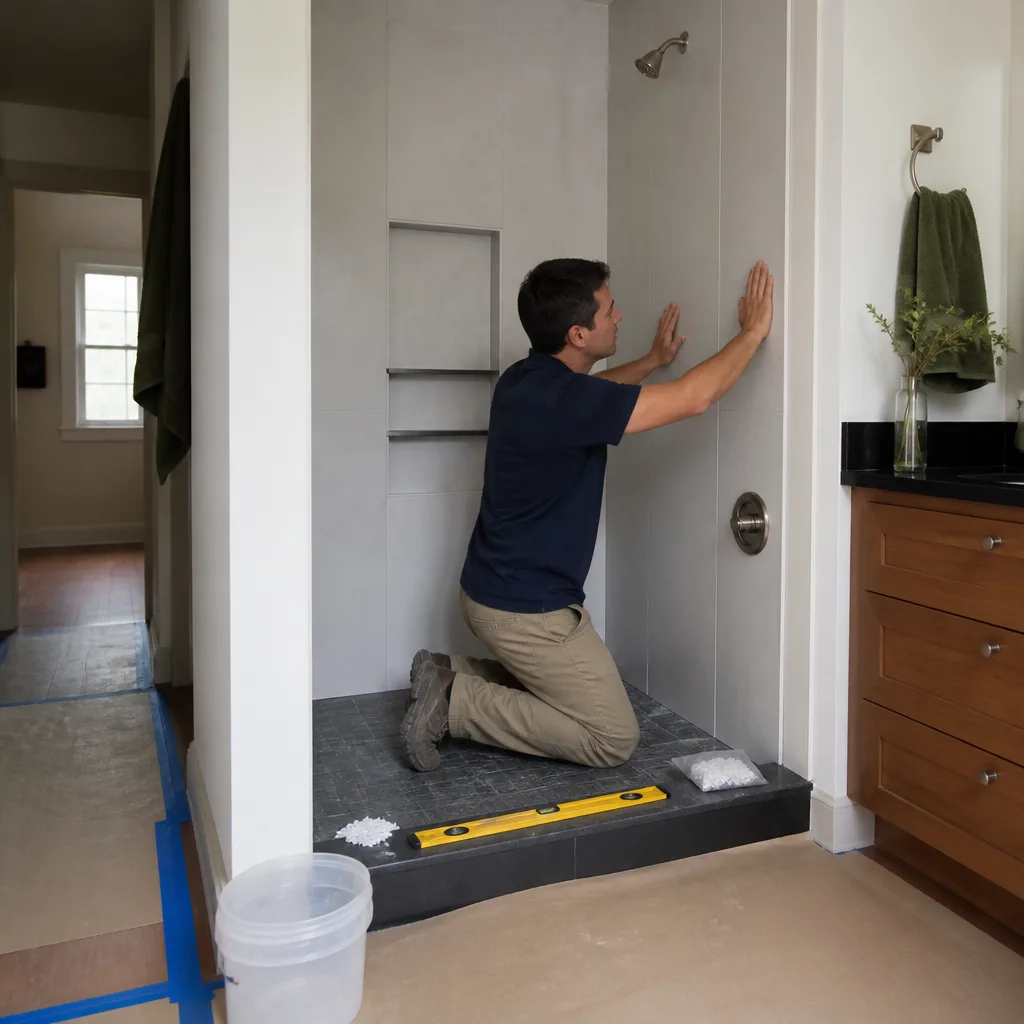
Bathroom remodeling problems trace back to four root causes: bad substrate prep, wrong product selection, skipped inspections, and sequence violations. Diagnose the root cause before you call anyone, because the fix is different in each case. A cracking grout line means deflection; a pan leak means rebuild; a skipped permit means open the wall. None of these are fixed by a topical sealant or a re-grout. If you’re in Concord and the problem is beyond cosmetic, our Kitchen Remodeling in Concord and bathroom teams give you a written price, a written guarantee, and a live person on the phone. Call (866) 476-6447 for a free estimate.
Written by the team at Bradford Remodeling Co Concord.