Last updated November 18, 2026
Free written scope consultation - allowances, timeline, and change-order rules on paper before a single trade is scheduled
DIY vs Professional Home Remodeling: What’s Safe to Do Yourself
A Contra Costa County home sale fell through in 2023 because the buyer’s lender flagged an unpermitted bathroom addition the seller had built himself. The seller had to tear out finished walls, flooring, and a tiled shower before escrow could close. He was a capable carpenter. Skill wasn’t the problem. The permit was. That’s the test this guide uses: not whether you can swing a hammer, but whether the work crosses a line that requires a permit, an inspection, or a licensed sign-off. We’re Bradford Remodeling Co Concord, and we’ve walked into plenty of Concord homes where a confident weekend project turned into a six-figure problem at resale. Below we draw the line where it actually belongs.
Quick Answer
Safe DIY remodeling is limited to finish work that touches no structure, no mechanical, electrical, or plumbing (MEP) systems, and no permit threshold: painting, cabinet hardware, a tile backsplash over existing substrate, swapping a faucet. Anything requiring a building permit, an inspection, or a licensed trade sign-off is not a DIY decision in Concord or anywhere in Contra Costa County, because unpermitted work can block a home sale and void your insurance on a claim. The permit threshold, not the skill threshold, is where you should draw the line.
Styles & brands we work with
- Kitchen remodeling
- Bathroom remodeling
- Home additions & ADU
- Roofing
- Windows & doors
- Driveway & pavers
- Fence
Table of Contents
- The permit threshold: what actually requires a permit in Concord
- Why unpermitted work can void your homeowner’s insurance
- The genuinely safe DIY zone
- The hybrid approach: owner demo, contractor rough-in
- California resale disclosure and your DIY paper trail
- What each category actually costs in the Concord market
- When to call a professional
- Frequently asked questions
The permit threshold: what actually requires a permit in Concord
Concord follows the California Building Standards Code as adopted by Contra Costa County, and the categories that trigger a permit are clearer than most homeowners assume. If your project falls in one of these buckets, the code does not care that you’re handy. It cares who pulls the permit.
- Electrical panel work. Any panel replacement, service upgrade, or new circuit run needs a permit and an inspection. A licensed electrician signs off. This is not a job where “I watched a video” is a defensible position.
- Structural changes. Removing a wall, cutting a header, opening a load path, adding a beam, or anything touching a foundation or bearing wall. Even a “non-bearing” wall often turns out to be carrying something once you open it up.
- Plumbing rough-in. Relocating a drain, adding a fixture, moving a supply line inside a wall, or replacing a water heater. Finish plumbing (a faucet swap) is separate from rough-in, and the distinction matters.
- HVAC additions. New ductwork, a new condenser, a mini-split install, or anything that changes the mechanical system. Permits and inspections apply.
What doesn’t usually require a permit in Concord: interior paint, cabinet hardware, a backsplash over sound existing drywall, replacing a light fixture on an existing circuit (though we’d still have an electrician do it), and swapping a faucet. The line is not “big project vs small project.” It’s “does this touch a system or a structure that the code governs.” When you’re unsure, a quick call to the Concord building department settles it. Our General Contractor in Concord team pulls permits and passes inspections as a matter of course on every structural job.
Why unpermitted work can void your homeowner’s insurance
Here’s the part most DIY guides skip. Homeowner policies commonly exclude losses caused by, or connected to, unpermitted work, and insurers have gotten sharper about this. The trap is that the exclusion can apply even when the unpermitted work wasn’t the direct cause of the loss. A water heater installed without a permit fails and floods a finished basement. The adjuster asks for the permit. There isn’t one. The claim gets contested, delayed, or denied on grounds that the installation wasn’t to code.
We’ve seen this in Concord more than once, usually after a slow leak under a DIY’d bathroom vanity or a panel that a previous owner wired himself. The work looked fine for years. The insurance conversation is what surfaced the problem.
There’s a second layer: liability. If unpermitted electrical or gas work causes a fire and injures someone, your exposure is not just the repair bill. Gas lines and electrical panels are genuinely dangerous components. A licensed professional is not a luxury on those; it’s the baseline. Our team frames the safety caveat plainly because we’ve seen what a shortcut costs: the work is done by someone trained on it, inspected, and documented, or it isn’t done.
The genuinely safe DIY zone
You can save real money on remodeling without touching anything that requires a permit. The safe zone is finish work over sound substrate, cosmetic upgrades, and anything reversible. Here’s where a confident Concord homeowner can reasonably work:
- Interior painting. Walls, ceilings, trim, doors. Prep is 80% of the job and prep is skill-neutral.
- Cabinet hardware. Pulls, knobs, hinges. Measure twice; drill once.
- Tile backsplash over existing substrate. As long as the drywall is sound and you’re not moving outlets or adding a circuit, this is finish work. If you need a new outlet for a coffee station, that’s a permit item.
- Faucet and fixture swaps. A kitchen faucet or a bathroom faucet swap under an existing sink is finish plumbing. We install plenty of Kohler and Moen fixtures and consider the swap a reasonable homeowner job when the shutoff valves are in good shape.
- Landscaping and paint touch-up. Anything reversible and cosmetic.
What’s not in the safe zone even if it looks small: moving an outlet, adding a circuit for a new appliance, relocating a drain line, cutting into a wall to “see what’s back there,” and anything that changes a bearing wall. Those are permit jobs. In our experience the Concord homes where DIY goes wrong are the ones where someone started in the safe zone and kept going because the wall was already open.
The hybrid approach: owner demo, contractor rough-in
There’s a middle path that saves money and stays legal, and it’s the one we recommend to homeowners who want to be involved. You do the demolition and the finish work. A licensed contractor pulls the permit and performs the rough-in, and the inspections happen on the systems. It splits the work where the risk actually lives.
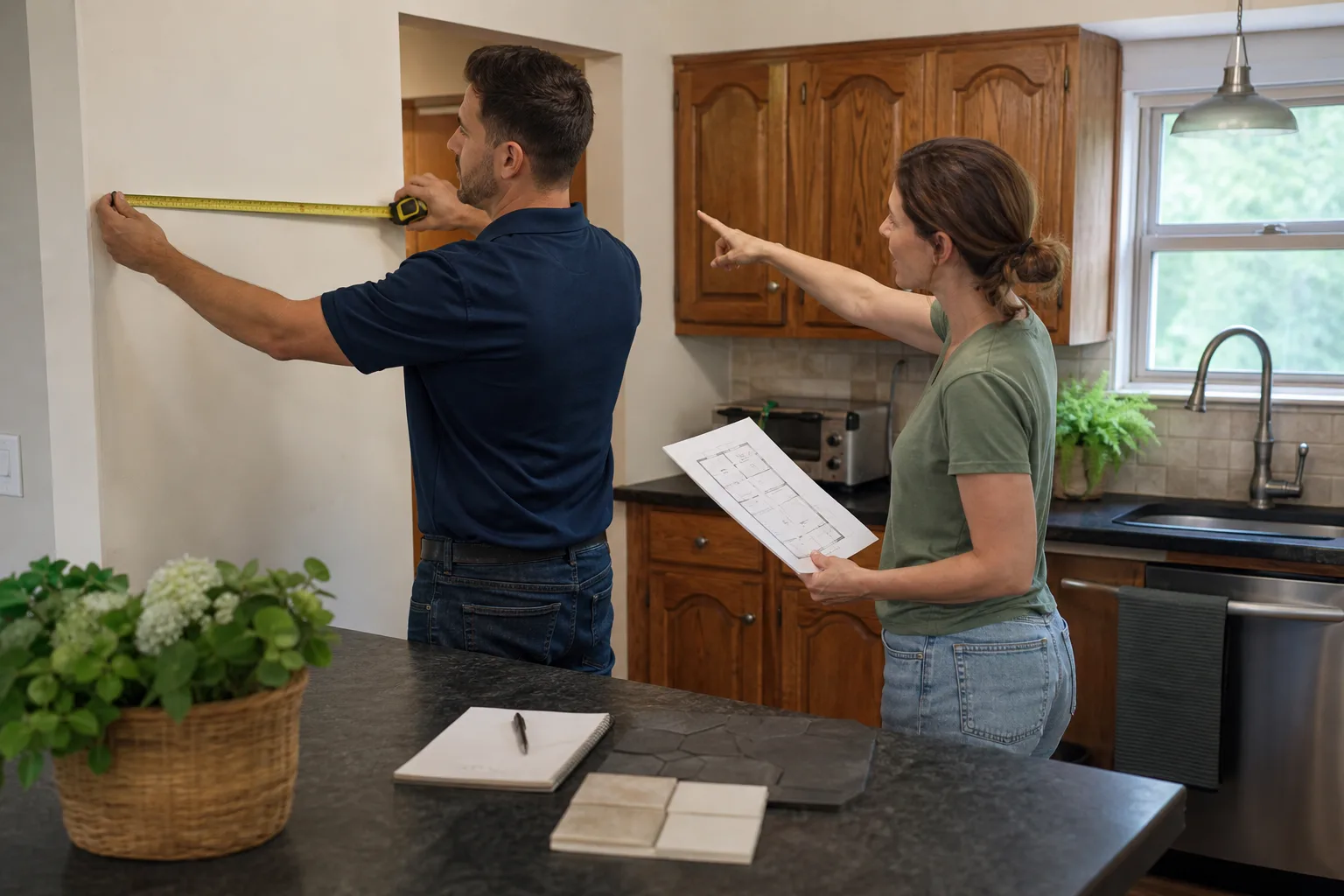
- Scope the split in writing before demo. Decide exactly which work is yours (demo, paint, tile, hardware) and which is the contractor’s (framing, rough-in, electrical, plumbing, HVAC, inspections). Put it in a written scope so nothing gets assumed.
- The contractor pulls the permit. This is the non-negotiable piece. The permit is in the licensed contractor’s name, and the inspections are theirs to pass.
- You demo to the agreed stopping point. Careful demolition is real work, and doing it yourself can meaningfully reduce labor cost. Stop where the scope says stop.
- Rough-in and inspections happen. The contractor’s trades do the mechanical, electrical, and plumbing work and the inspections get signed off. You get a paper trail.
- You finish. Paint, tile, trim, hardware. The finish work is where a careful homeowner adds the most value per hour.
This is how a careful homeowner ends up with a legally permitted project and a lower bill. Our Kitchen Remodeling in Concord and Bathroom Remodeling in Concord teams run hybrid scopes regularly, and every one of those projects gets a written price before work starts, with the split documented so nothing moves at the door.
California resale disclosure and your DIY paper trail
California sellers must disclose known unpermitted work on the Transfer Disclosure Statement and the Seller Property Questionnaire. That’s the sentence that surfaces every shortcut taken over the years, because a seller has to disclose what they know. “I did it myself years ago and never pulled a permit” is a known unpermitted condition, and it goes on the form.
What happens next in Concord: the buyer’s lender or appraiser flags the discrepancy, the buyer’s agent asks for permits, and the deal either gets repriced or stalls until the work is inspected or removed. The 2023 example at the top of this page is not unusual. Unpermitted bathroom additions, converted garages, and finish basements are the three most common items we see blow up a Concord escrow.
The fix is to build the paper trail as you go. If it needed a permit, pull it. If it didn’t, keep the receipts and photos so you can show the work was finish work. A signed-off inspection is worth more at resale than any amount of “it’s solid, trust me.”
What each category actually costs in the Concord market
Here’s where the numbers live, because “call for a quote” is not an answer. These are representative Concord price ranges for common categories, split by who does the work.
| Project | DIY range | Pro range (Concord) | Permit? |
|---|---|---|---|
| Interior paint, 3-bedroom | $400 – $900 materials | $3,000 – $7,500 | No |
| Tile backsplash over existing substrate | $300 – $700 materials | $1,200 – $2,800 | No |
| Faucet swap (under existing sink) | $150 – $400 fixture | $250 – $500 labor | No |
| Electrical panel replacement | Not a DIY job | $1,800 – $4,200 | Yes |
| Bathroom rough-in (relocate drain, add fixture) | Not a DIY job | $2,500 – $6,500 | Yes |
| Load-bearing wall removal | Not a DIY job | $5,000 – $14,000 | Yes |
| HVAC addition or mini-split | Not a DIY job | $3,500 – $9,000 | Yes |
The gap between DIY and pro on finish work is real, but it’s smaller per hour than most homeowners expect once paint, materials, and the cost of an unused weekend get counted. On the permit-triggering categories, there is no legitimate DIY option, because the inspection has to be signed off by a licensed trade. Our Bradford Remodeling Co Concord home page lays out how we scope and price a project before any tool comes out.
Common Mistakes to Avoid
- Assuming small means no permit. Moving a single outlet for a new appliance is a permit job. Size is a poor proxy for whether the code cares.
- Doing the demo before scoping the split. If you remove too much, you’ve created a condition the contractor has to fix and there’s no written scope to point to. Scope first, demo second.
- Calling a load-bearing wall “non-bearing” once it’s open. We’ve opened Concord walls that were confidently labeled cosmetic and found a header carrying a second floor. The label comes from an engineer or a permit, not from a hunch.
- Skipping the inspection “because it looks fine.” The inspection is the paper that protects your resale and your claim. Without it, the work is invisible until it’s a problem.
- Buying materials before the permit is pulled. Specs sometimes change once the inspector weighs in. Buy fixtures after the scope is locked, not before. A kitted-out Kohler or Moen fixture spec is a good thing to have in writing, but it’s the rough-in that gets inspected first.
- Forgetting the resale disclosure. Every unpermitted item you touched is something you’ll need to disclose in California. It’s easier to pull the permit now than to explain it to a buyer later.
- Treating a faucet swap like a plumbing project. The safe zone exists, and finish plumbing lives in it, as long as you don’t touch the rough-in. Know which side of the line you’re on.
See the difference
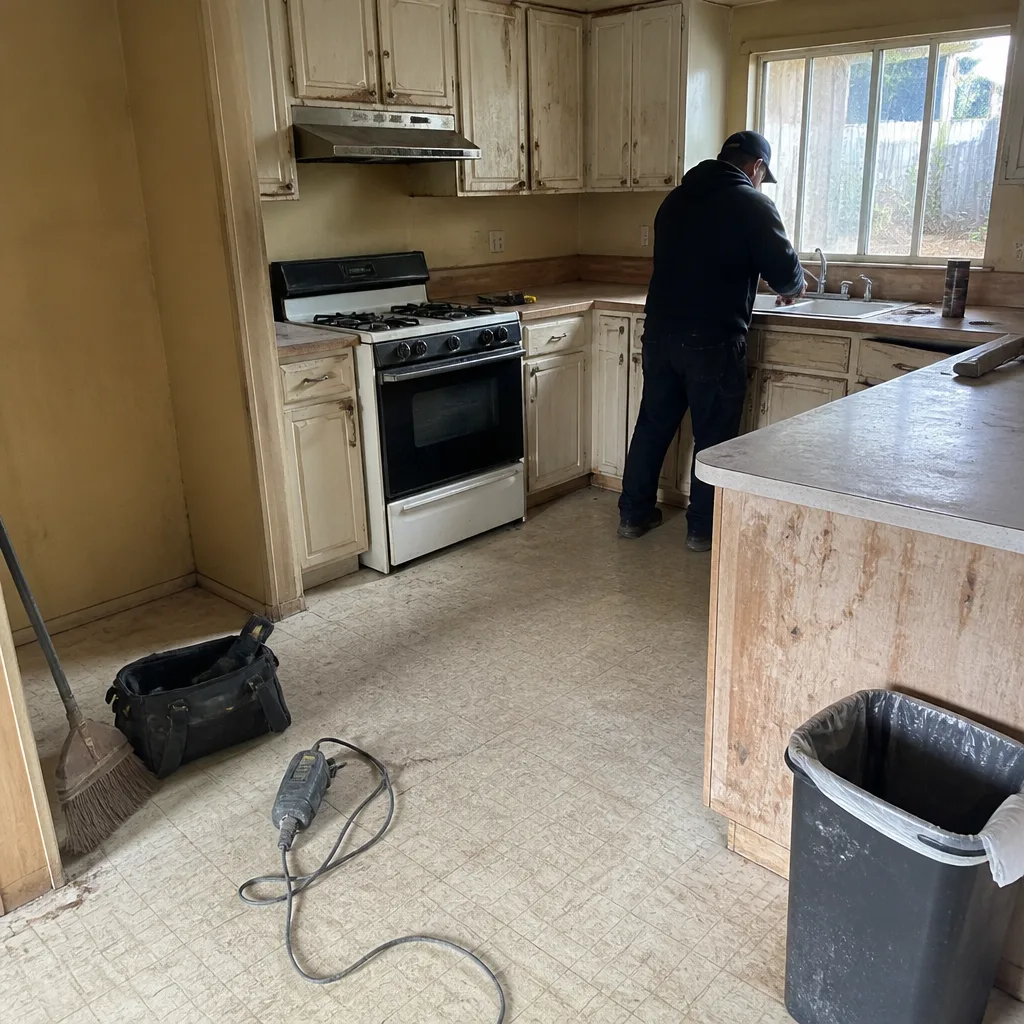 Before
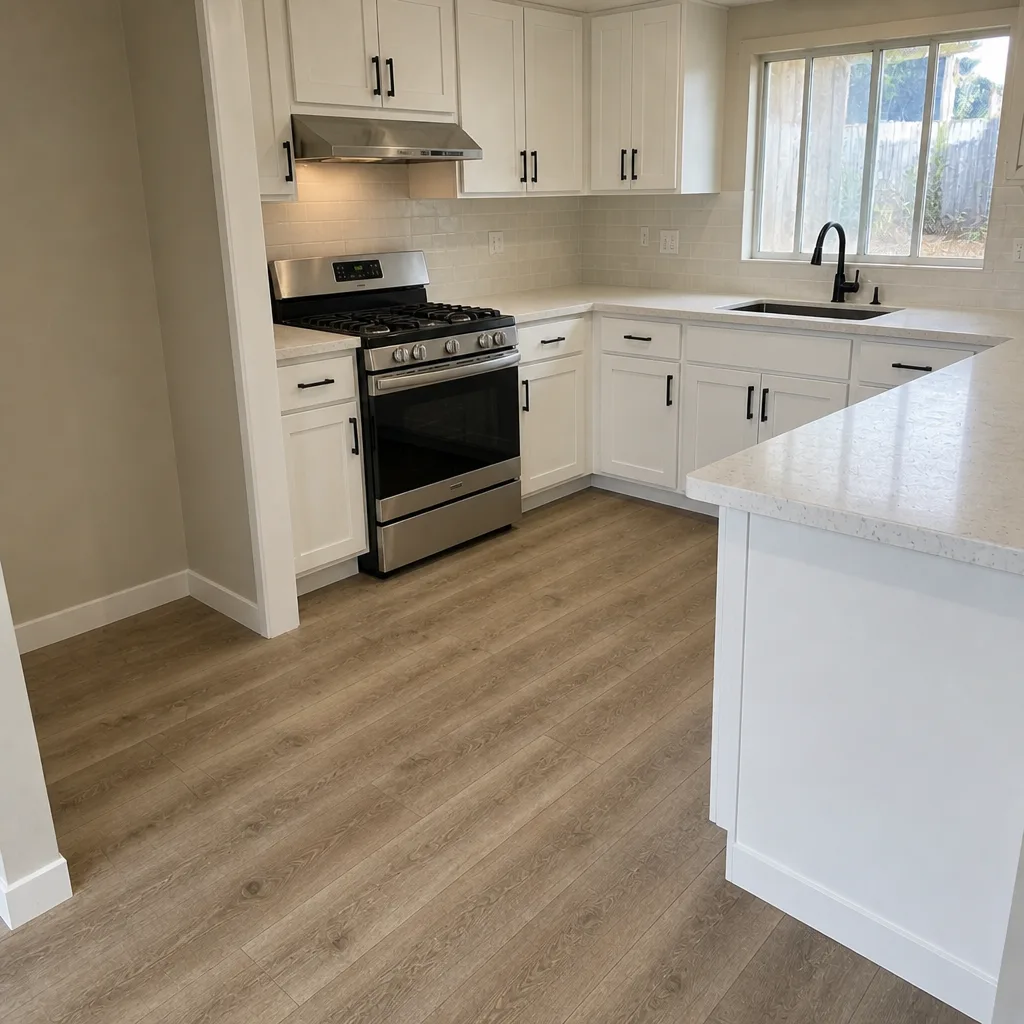 After
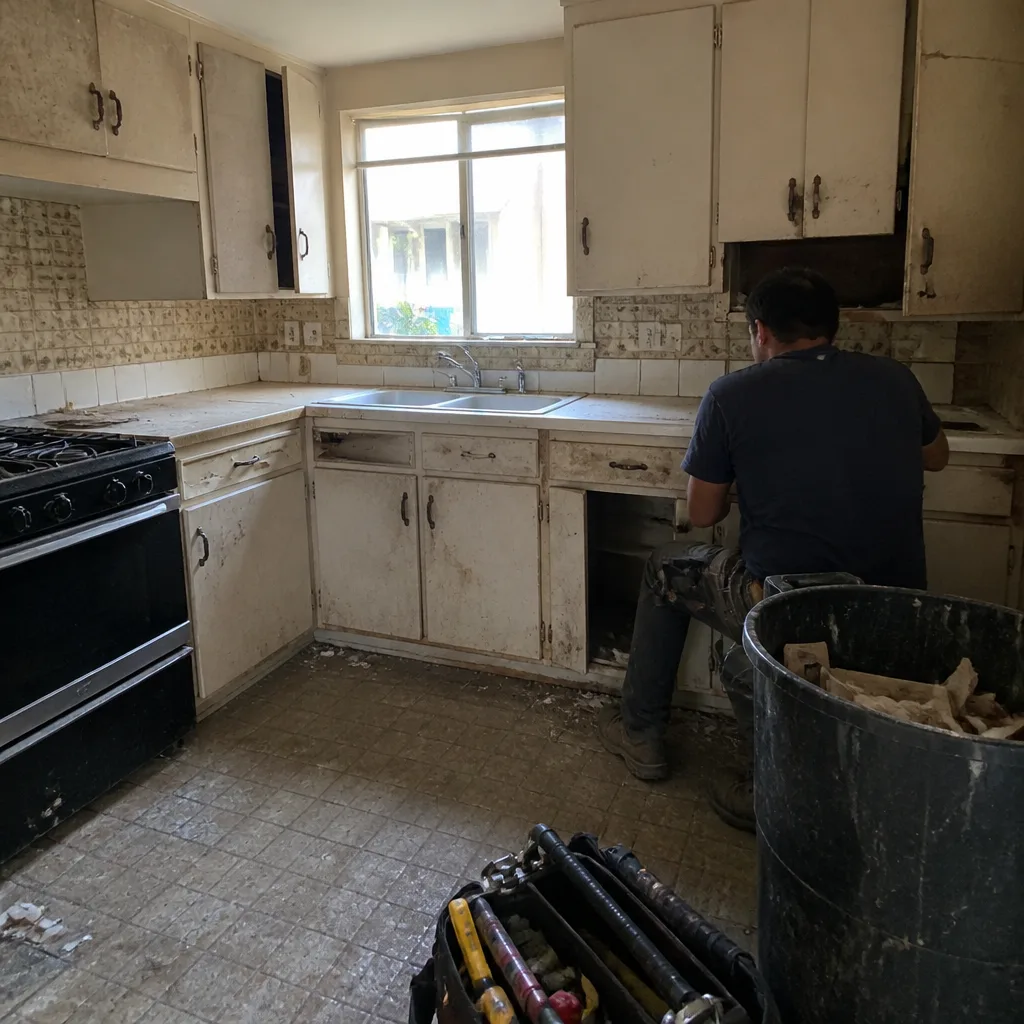 Before
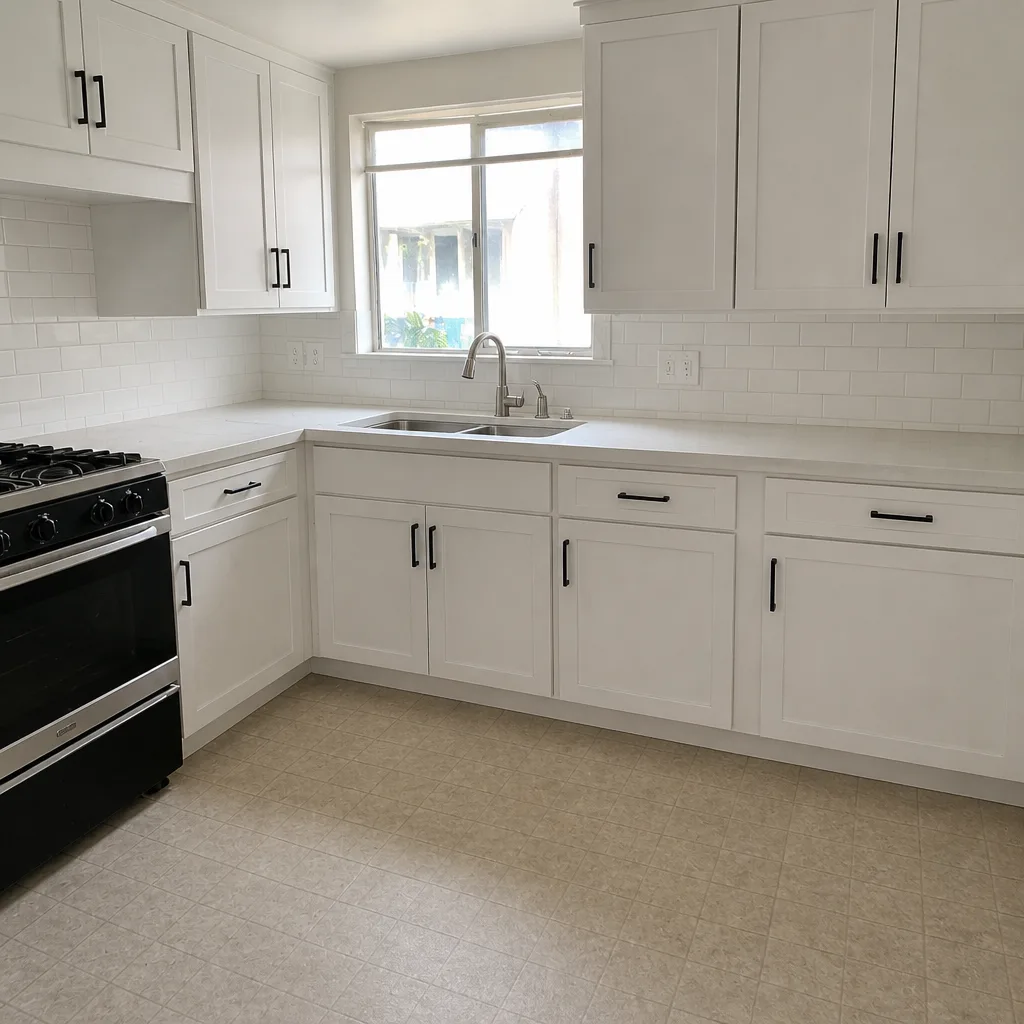 After
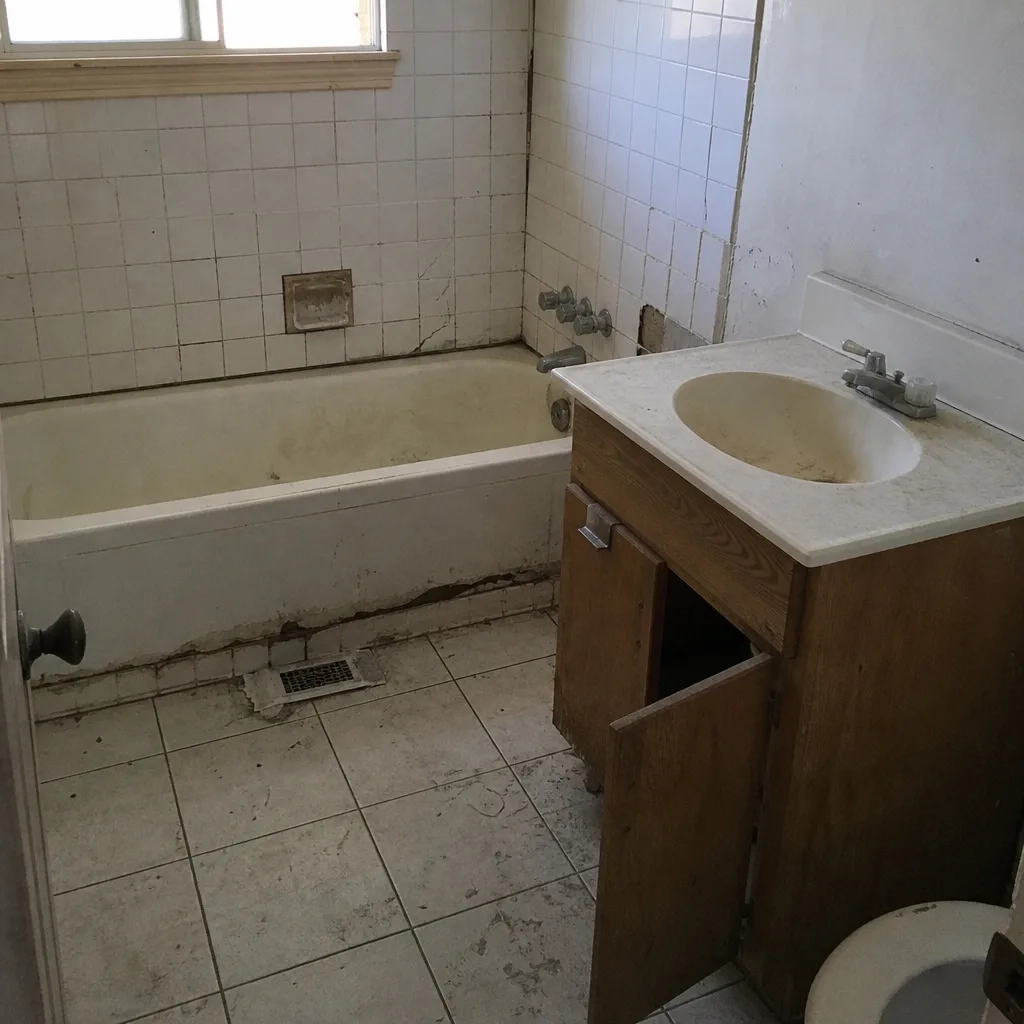 Before
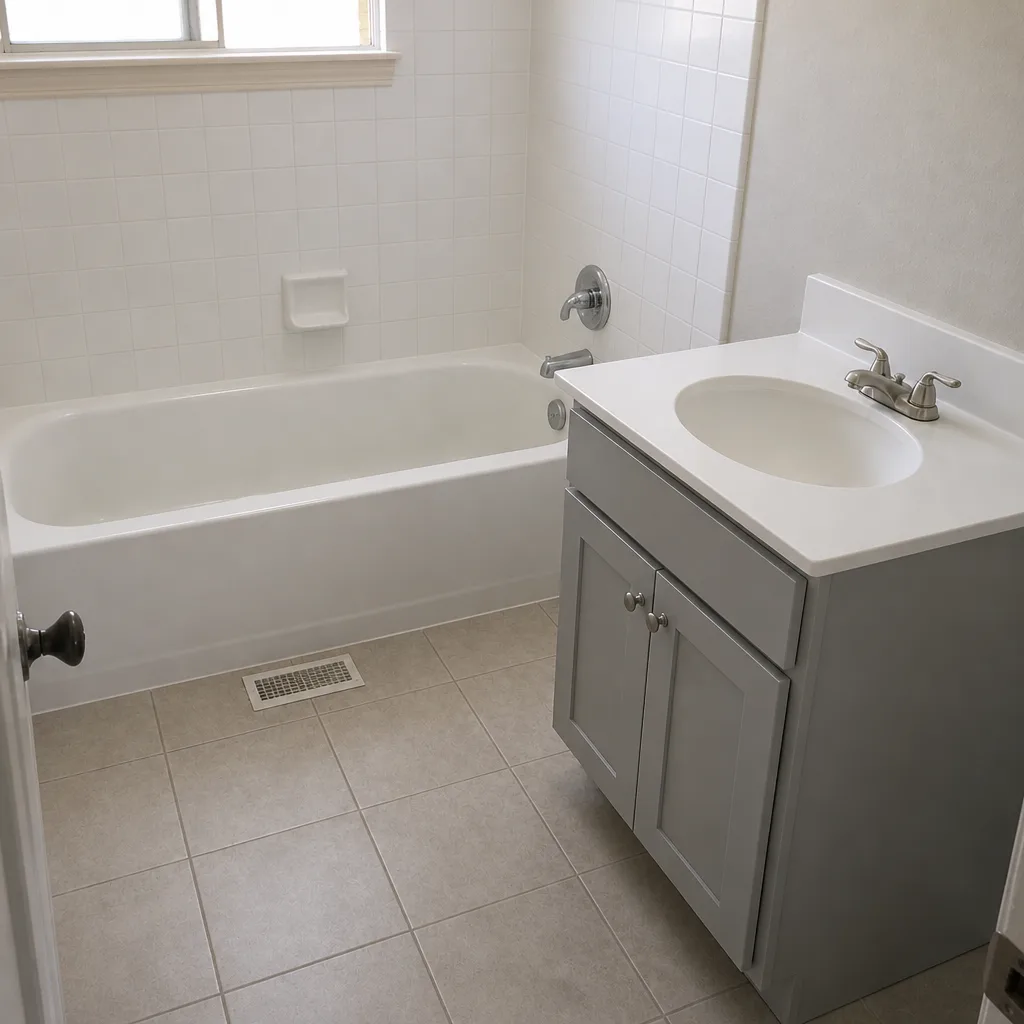 After
When to Call a Professional
Call a professional the moment the job crosses any of these: a permit is required, an inspection will be needed, a licensed trade has to sign off, a wall might be structural, or you’re touching a panel, a gas line, or a plumbing rough-in. Call earlier if the job is close to the line, because the real cost of finding out you crossed it is a stalled sale or a contested insurance claim, not a labor bill. Concord homeowners who plan to sell within a few years have an even stronger reason to keep the paper trail clean. Bradford Remodeling Co Concord offers free estimates in Concord. Every price is in writing before work starts, and every completed project carries the 365-Day Done Right Promise: if the work fails within a year, we return and correct it at no charge. Call (866) 476-6447 for a free estimate.
Frequently Asked Questions
Yes, if the work touches plumbing rough-in, electrical, framing, or the mechanical system. Finish work like a tile backsplash over existing drywall, a faucet swap, or paint does not usually require a permit. The test is whether the work touches a system or a structure the code governs, not how big the project is.
No. A panel replacement or service upgrade needs a permit and an inspection signed off by a licensed electrician, and doing it yourself exposes you to serious injury and an insurance claim that won’t be paid. It’s one of the categories where the safety risk alone rules out DIY.
Most policies exclude losses connected to unpermitted work, and the exclusion can apply even if the unpermitted work wasn’t the direct cause of the loss. The adjuster asks for the permit, and if there isn’t one, the claim gets contested or denied. It’s the part of this conversation that surprises homeowners most.
Interior paint, cabinet hardware, a tile backsplash over sound existing substrate, and faucet swaps under existing sinks are the safe zone. They’re finish work over sound substrate, reversible, and don’t touch MEP systems or the permit threshold. Anything that does is a professional job, in Concord or anywhere in Contra Costa County.
Yes, when it’s scoped in writing before demo. Homeowner demo and finish work can meaningfully cut labor cost, and the licensed contractor’s rough-in and inspections remain the legal, insurable core of the job. The savings are real; they need to be in scope, not improvised.
Representative Concord ranges: electrical panel replacement runs $1,800 – $4,200, a bathroom rough-in runs $2,500 – $6,500, and load-bearing wall removal runs $5,000 – $14,000, permits and inspections included. Call (866) 476-6447 for an exact written quote; estimates are free.
The Bottom Line
The DIY question is a permit question, not a skill question. Finish work over sound substrate is fair game: paint, hardware, backsplash tile, a faucet swap. The moment a job requires a permit, an inspection, or a licensed trade sign-off, DIY stops being a money saver and becomes a liability that can block a Concord home sale and void an insurance claim. The hybrid approach, where you demo and finish and a licensed contractor handles the rough-in and inspections, is the smart middle path. Whatever you choose, keep the paper trail clean in California, because it will surface at resale. Bradford Remodeling Co Concord runs permit-pulled, inspected work with a written price before any tool comes out, and every project carries the 365-Day Done Right Promise.
Written by the team at Bradford Remodeling Co Concord.