Last updated November 18, 2026








Free written scope consultation - allowances, timeline, and change-order rules on paper before a single trade is scheduled
General Contractor Maintenance Checklist for Concord Homeowners
Open up a south-facing exterior wall on a Concord home and you’ll usually find the same two things: caulk joints that gave out two summers ago, and attic vents packed solid with debris the Diablo winds pushed in. Both are preventable. Neither gets caught until something rots or a roof warranty gets voided. Concord sits in the Diablo Range rain shadow, which means brutal UV from May through September, dry wind events that hammer the foothills, and a wet season that arrives fast in November. We’ve learned to time maintenance to that rhythm. This guide walks you through the annual checklist a contractor actually uses before opening a wall here.
Quick Answer
The core Concord maintenance checklist is: inspect and replace failed caulk on south and west facades every April before the heat cycle; clear attic soffit vents of Diablo-wind debris each spring; confirm water heater strapping and seismic gas shutoff valve compliance; check the crawlspace vapor barrier after the wet season ends; and inspect HVAC duct seals and filters before June cooling load spikes. Add gutter clearing, roof flashing, and grading to your wet-season prep. Do these five to seven items once a year and you’ll prevent most of the expensive repairs a general contractor sees in Concord homes.
Styles & brands we work with
- Kitchen remodeling
- Bathroom remodeling
- Home additions & ADU
- Roofing
- Windows & doors
- Driveway & pavers
- Fence
Table of Contents
- 1. South and West Facade Caulk Inspection (Do This in April)
- 2. Attic Ventilation and Diablo Wind Debris
- 3. Water Heater Strapping and Seismic Gas Shutoff
- 4. Crawlspace Vapor Barrier After the Wet Season
- 5. HVAC Filters and Duct Seals Before June
- 6. Roof, Gutter, and Drainage Prep for the Wet Season
- 7. Exterior Paint, Siding, and Window Seal Checks
- 8. The Concord Maintenance Calendar at a Glance
1. South and West Facade Caulk Inspection (Do This in April)
Concord’s summer UV is severe enough to crack a fresh bead of exterior caulk inside a single season. The south and west faces of a house take the worst of it. Our rule: inspect and re-caulk in April, before the first sustained 90°F-plus stretch, not in the fall when the damage is already done.
Failed caulk is the entry point for almost every exterior water problem we fix. Once the sealant pulls away from trim or siding, the next rain drives water behind the cladding. That water wicks into the substrate – the structural layer behind siding, trim, or stucco – and by the time you see a stain inside, the repair is a wall section, not a tube of caulk.
What to check in the April walkthrough
- Run a finger along every caulk joint on south and west walls. If it cracks, pulls away, or feels chalky, it’s done.
- Look at window and door perimeters, corner trim, and where siding meets the foundation or soffit.
- Check around hose bibs, dryer vents, and any penetration through the facade.
- Test for adhesion in a small spot – if the caulk peels back cleanly, moisture is already trapped.
- Replace with a UV-rated exterior sealant rated for high-heat exposure, and tool it tight.
If you find soft wood, bubbling paint, or a spongy trim board during the walkthrough, stop caulking and get an evaluation. That’s the moment a small repair turns into a wall rebuild if you keep sealing over a wet substrate. This is also why a scheduled inspection before a general contractor in Concord opens up a wall for a remodel often surfaces caulk-and-flashing issues nobody looked at for years.
2. Attic Ventilation and Diablo Wind Debris
Diablo wind events push fine debris – dust, seed pods, dry grass, leaves – into soffit vents (the vents under the roof eaves). Over a few seasons, they pack the vent screen and the insulation below it. A blocked soffit vent moves your attic into a pressure imbalance, which is exactly the kind of defect a roofing manufacturer can point to when a warranty claim comes in. Blocked intake vents can void a roof warranty because the roof system wasn’t ventilating as designed.
Clearing the vents is a free job you can do with a flashlight, a soft brush, and a ladder – a $0 annual walkthrough that prevents a five-figure roof problem. Do it in spring, after the last big wind event, and again after the wet season.
What to inspect
- Every soffit vent along the eaves – look for screen blockage, not just surface debris.
- The underside of the roof deck for condensation staining or dark streaks, which point to poor ventilation.
- Insulation depth at the eaves – if it’s covering the vents, air can’t move.
- Ridge and gable vents for blockage, and any attic fan for a seized motor.
- Baffles – the foam or plastic channels that keep insulation off the vents – for crush or displacement.
If you’re planning an attic conversion or a whole-home remodel, ventilation gets audited before the design is priced out. An Bradford Remodeling Co Concord home project starts with a walkthrough of things exactly like this, because a remodel that ignores a blocked vent system just buries the problem behind new drywall.
3. Water Heater Strapping and Seismic Gas Shutoff
California Health and Safety Code 19211 requires water heaters to be strapped, anchored, or otherwise secured against earthquake movement. You’d be surprised how often a utility closet reveals a tank that was never properly strapped – or was strapped to drywall instead of studs. That check is a two-minute inspection and a serious safety item.
A seismic gas shutoff valve is the other half. It’s a valve installed on the gas line that closes automatically when it senses strong shaking, so a ruptured line doesn’t feed a fire after an earthquake. Many Concord homes built or remodeled before seismic shutoff valves became commonplace don’t have one. If yours doesn’t, have a licensed plumber evaluate it. We don’t recommend homeowners install or adjust gas-line components themselves.
What to check in the utility closet
- Confirm the water heater has two straps – upper and lower – secured into wall studs, not just drywall.
- Verify there’s at least 6 inches of clearance between the tank and any ignition source on the garage floor.
- Look for a seismic shutoff valve on the gas line feeding the water heater and furnace.
- Check the tank for rust at the base and the pressure relief valve for corrosion.
- Note the manufacture date – tanks past their service life fail quietly, then leak.
While you have the flashlight out, confirm the shutoff valve is actually operable. A seized valve is worse than no valve because it gives you false confidence. This is a genuine safety check, and a trained professional should touch any gas-line work.
4. Crawlspace Vapor Barrier After the Wet Season
Concord’s wet season is compressed – most of the rain lands between November and March, then stops hard around April. That timeline matters in the crawlspace. A ground vapor barrier (the plastic sheet covering the soil under the house) takes moisture from the ground and keeps it out of the structure. If it’s torn, incomplete, or pulled back, that moisture migrates up into floor joists and framing all summer.
Check the crawlspace in late April or early May, right after the wet season ends and before the heat sets in. That’s the window when water damage from the winter is still recent enough to catch and dry out.
Vapor barrier inspection checklist
- Confirm the plastic sheet covers the full crawlspace floor, overlapped at seams, and runs up the foundation walls a few inches.
- Look for standing water, damp soil, or mud after the rains.
- Inspect floor joists and the subfloor – wood that’s soft, stained, or growing white or black fuzz points to ongoing moisture.
- Check for daylight at the foundation vents (they should be open for ventilation, closed only if local conditions call for it).
- Smell the space – a persistent musty odor means moisture, even if you can’t see it.
The Diablo Range rain shadow means Concord gets sharply less rain than the coast but in concentrated bursts, so the crawlspace fills up quickly and drains slowly. If a vapor barrier needs replacement, that’s a contained, low-cost job done right – and a bigger one if you wait until a joist is compromised.
5. HVAC Filters and Duct Seals Before June
Concord cooling loads spike in June, and a leaking duct can add roughly 25% to your energy bill overnight – the number is real and it’s rarely caught until the first hot month’s bill arrives. Every duct joint that leaks moves conditioned air into the attic or crawlspace instead of the house. Seal the system in May, before you’re running the AC hard.
Pre-summer HVAC checklist
- Replace the furnace/AC filter – monthly during heavy-use months, or every two to three months at minimum.
- Inspect accessible duct joints for gaps, tears, or disconnected sections, especially in the attic and crawlspace.
- Feel along duct runs for escaping air while the system runs.
- Check refrigerant lines and the outdoor condenser for debris, and confirm the condenser is level and clear.
- Have the system serviced by an HVAC technician in May, before the first heat wave and the service backlog.
Duct sealing and filter changes are homeowner-level checks. Refrigerant, electrical, and gas furnace work are not – those belong to a licensed technician. Sealing a duct with approved tape and mastic is a reasonable DIY job; repairing a leaking coil or charging refrigerant is not.
6. Roof, Gutter, and Drainage Prep for the Wet Season
Concord gets the bulk of its rain fast. A clogged gutter doesn’t just overflow – it dumps water at the foundation, at the siding, and into window wells. Do the roof and drainage inspection in October, before the first real storm, not during it.
What to check
- Clear gutters and downspouts of leaves and debris – and confirm downspouts discharge well away from the foundation.
- Ground-slope check: soil should fall away from the house, not toward it. A low spot at the foundation holds water against concrete all winter.
- Inspect roof shingles and flashing for lifting, cracking, or missing granules – GAF, CertainTeed, and Owens Corning products have service lives worth tracking.
- Look at chimney and skylight flashing, the most common leak points.
- Check window and door seals, and any exterior lighting or outlet penetrations, before they let water in.
If your roof is past 15 to 20 years, have it evaluated before the rain arrives. A general contractor can tell you whether flashing repair buys you a few more years or replacement is the honest call. Roof height work is dangerous – don’t do the roof check yourself if you’re uncomfortable on a ladder at roof height.
7. Exterior Paint, Siding, and Window Seal Checks
Paint is a maintenance layer, not just a look. Once it fails – peeling, bubbling, chalking – the siding and trim take the sun directly, and that’s when the substrate starts to fail. Check paint and siding every spring alongside the caulk walkthrough. On Concord’s south-facing facades, sun damage is worst.
Checklist
- Look for peeling, blistering, or chalking paint, especially on sun-facing walls.
- Press on siding and trim for softness or give at the seams.
- Inspect window glazing, trim, and sills for gaps and rot.
- If you’re considering window replacement, brands like CGI, CWS, and ES Windows are specified with manufacturer warranties that need correct installation to stay valid.
- Check door seals and weatherstripping – Therma-Tru doors, for example, hold up well when the frames and seals are right.
If you’re planning a kitchen or bath project, this is the same check that protects the new work – a kitchen remodeling in Concord job is only as good as the wall, window, and exterior conditions behind it. Seal the exterior first, then build.
8. The Concord Maintenance Calendar at a Glance
Everything above works best on a fixed annual calendar, tuned to Concord’s climate. Here’s how we sequence it.
- April: Caulk inspection and replacement on south and west facades; end-of-wet-season crawlspace vapor barrier check; attic soffit vent clearing after the last Diablo wind event.
- May: HVAC filter replacement and duct seal inspection ahead of June cooling loads; utility closet and water heater strapping check.
- June through September: Watch for interior stains, musty smells, and rising energy bills; spot-check exterior caulk mid-summer for early cracking.
- October: Roof, gutter, and drainage inspection before the first storm; ground-slope check at the foundation; window and door seal check.
- November through March: Wet season – watch downspouts and window wells for overflow; note any interior moisture to inspect in April.
- Any month: Replace HVAC filters monthly in heavy use; keep the crawlspace access clear.
The common thread: most of these checks cost nothing but time. The repairs they prevent are the expensive ones.
Common Mistakes to Avoid
- Caulking over wet wood. If a trim board is soft or the caulk peels back and the substrate feels damp, sealing it traps moisture. Dry it, repair the wood, then caulk.
- Cleaning gutters mid-storm. Concord’s rain arrives fast, and a ladder in wind-driven rain is dangerous. Clear them in October, before the season starts.
- Skipping the soffit vents. Homeowners clean gutters but forget the soffit vents packed by Diablo winds. That’s the defect that can void a roof warranty.
- Assuming the water heater is strapped correctly. Straps screwed into drywall instead of studs don’t do the job. Verify where they’re anchored.
- Checking the crawlspace in summer. By August, wet-season moisture has had months to spread. Inspect in April, when the evidence is fresh.
- Sealing ducts with the wrong tape. Standard duct tape fails in heat; use approved metal-foil or mastic. Poor sealing wastes the money you spent on the AC.
- Waiting for a leak to show indoors. By the time water reaches drywall, it’s a wall repair. Test the exterior seal before the first rain, every year.
See the difference
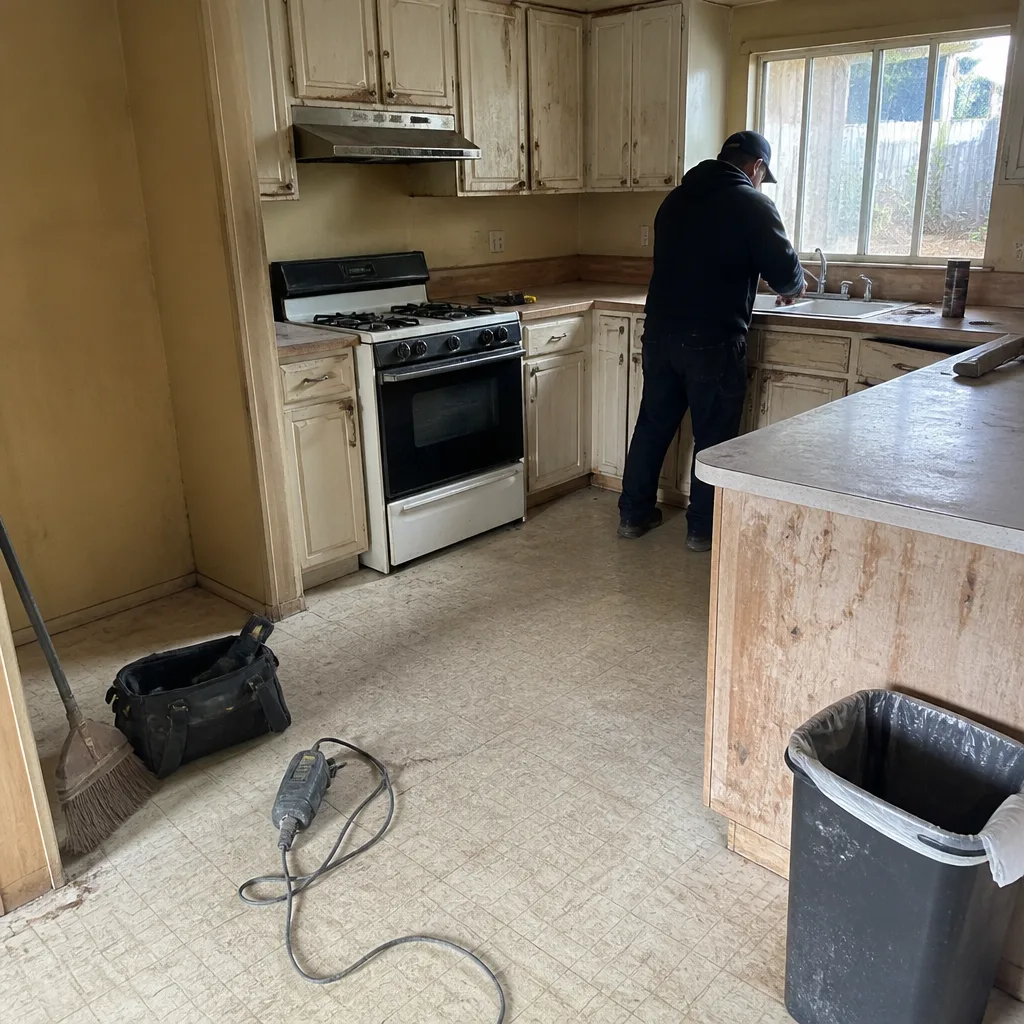 Before
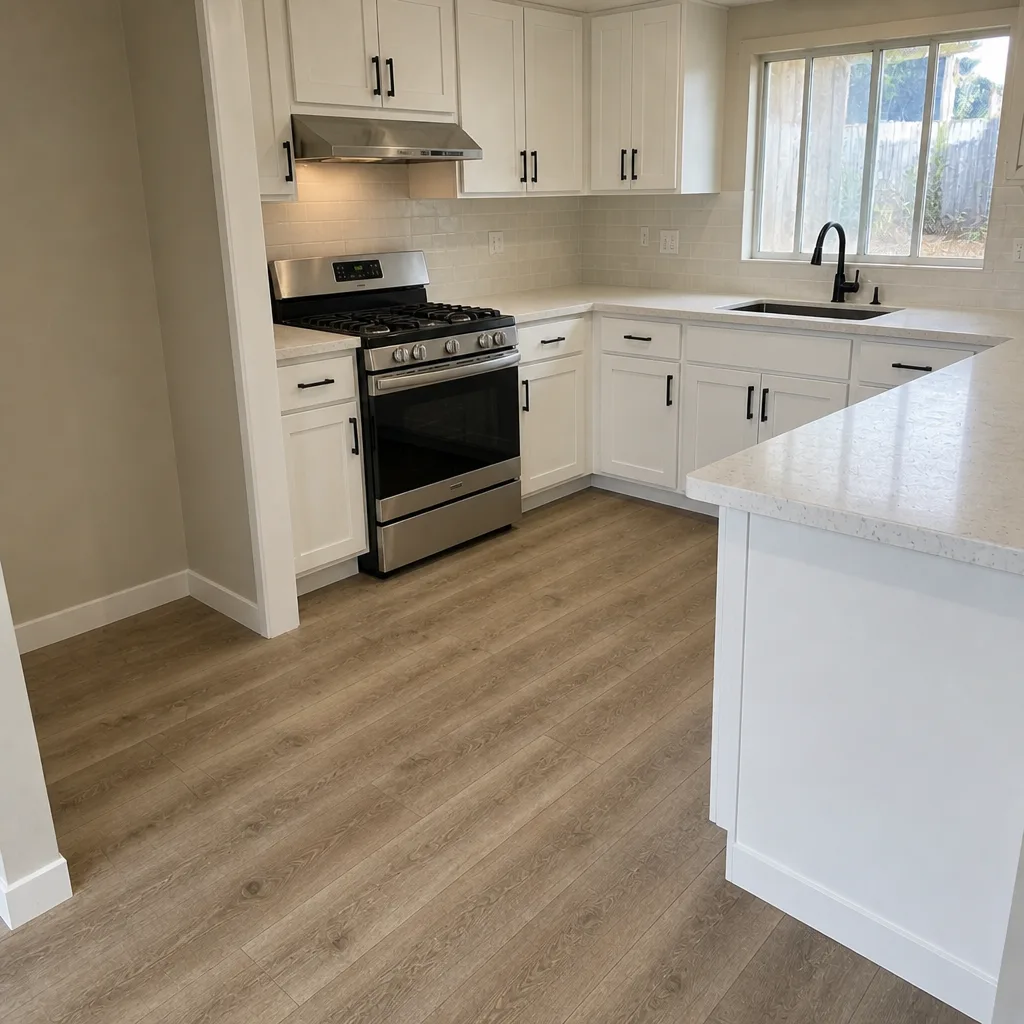 After
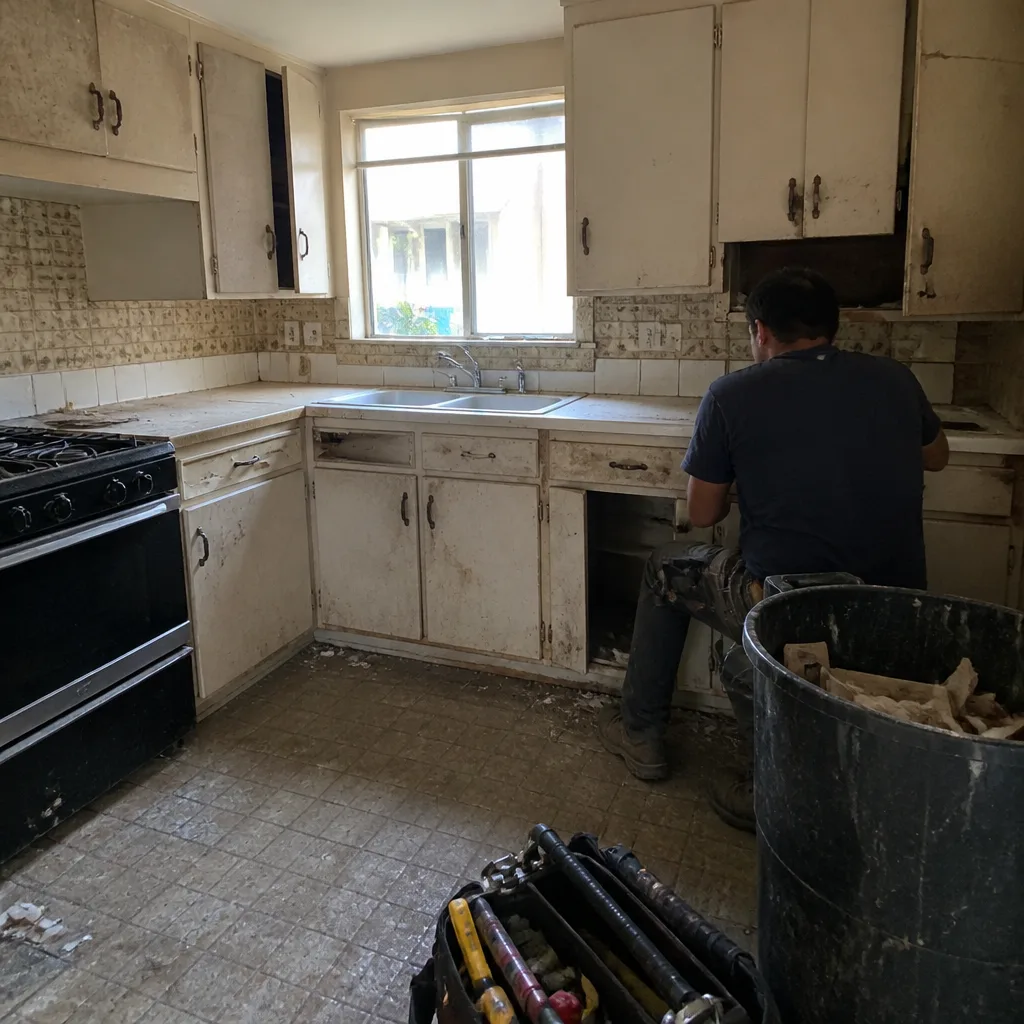 Before
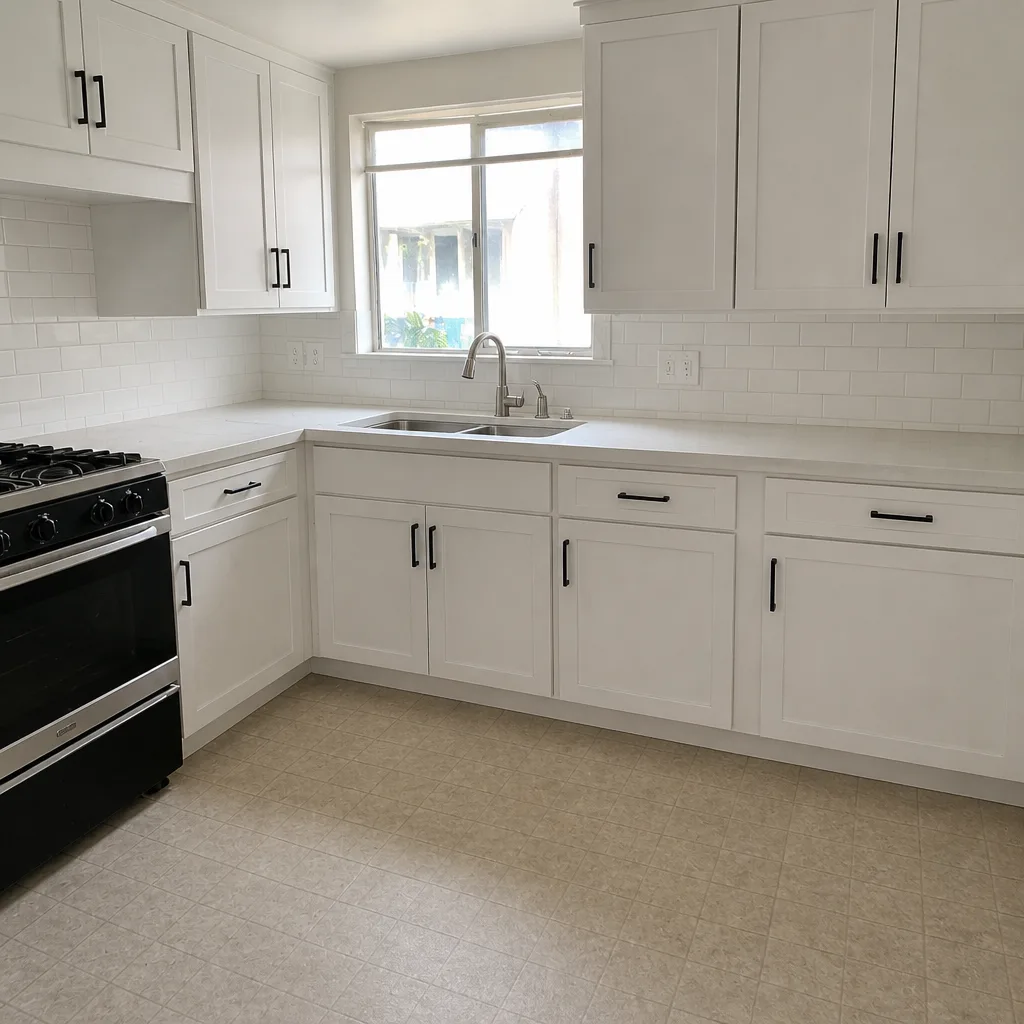 After
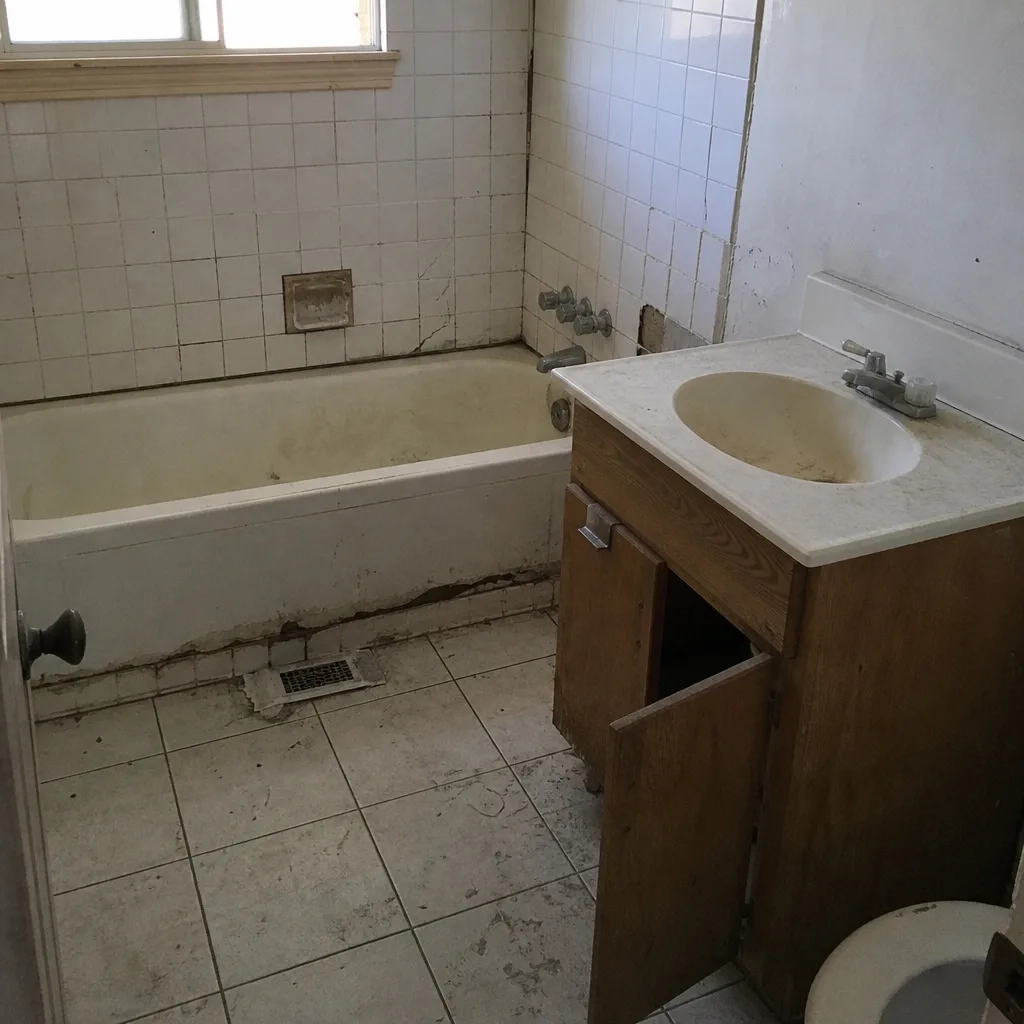 Before
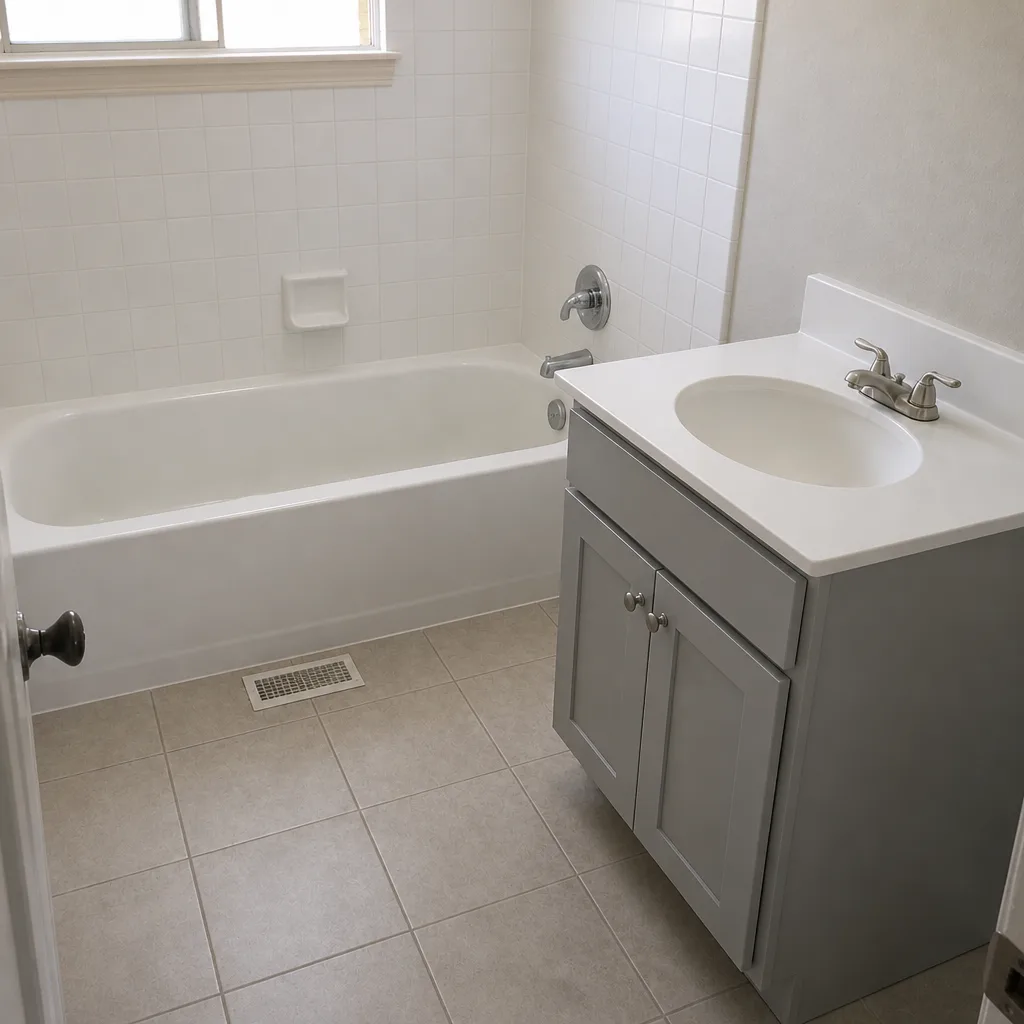 After
When to Call a Professional
Some of this checklist is genuine DIY – filter changes, gutter clearing, visual caulk inspection. Some isn’t. Call a professional if you find soft or stained framing in the crawlspace, a water heater that isn’t properly strapped or lacks a seismic shutoff valve, roof flashing you don’t trust, or exterior damage that goes past the paint layer. Gas-line components, refrigerant, and electrical work always belong to a licensed trade – we don’t recommend homeowners touch those.
If the annual walkthrough turns up something that needs a real repair or a remodel decision, Bradford Remodeling Co Concord offers free estimates in Concord – call (866) 476-6447. Every price is written down before any work starts, and background-checked, uniformed technicians are on every job, so you know exactly who’s coming through your door.
Frequently Asked Questions

Once a year, timed to the climate: the caulk, crawlspace, and attic checks in April after the wet season, the HVAC check in May, and the roof and drainage check in October before the rain. Filters get changed more often – monthly during heavy cooling use in summer. The annual walkthrough is the anchor; the monthly items are quick.
Because Concord’s UV is severe enough to crack fresh exterior caulk within one summer, and April is before the first sustained heat cycle. Catching a failing joint in April gives you months to fix it before winter rain finds the gap. Check in the fall and you’re inspecting damage that already had all summer to spread. Call (866) 476-6447 for a free estimate if you want a professional walkthrough.
It can. Roof manufacturers – GAF, CertainTeed, Owens Corning included – specify minimum attic ventilation, and a warranty claim can be denied if the roof wasn’t ventilating as designed. Diablo wind events pack soffit vents with debris faster than most homeowners expect. Clear them annually; it’s a $0 job that protects a roof you paid for.
It’s the California Health and Safety Code section requiring water heaters to be strapped, anchored, or otherwise secured against earthquake movement. It’s often skipped in utility closets until a contractor opens one up. The practical check: two straps anchored into studs, upper and lower, plus a seismic gas shutoff valve on the gas line. Anything gas-related goes to a licensed plumber.
Prevention is cheap – a tube of UV-rated caulk, a filter, a cleared vent. The repairs they prevent are not: wall surgery behind failed flashing, crawlspace framing repair after a torn vapor barrier, or roof replacement after years of blocked attic ventilation. That gap is the whole reason for a $0 annual walkthrough. Call (866) 476-6447 for a free estimate if you’re facing a repair decision; the price is written before work starts.
Most of the visual checks and the filter and gutter work are homeowner-level. What you should hand off: gas-line work, refrigerant and HVAC service, roof-height inspection if you’re not comfortable on a ladder, and any repair that goes past the surface – wet framing, failed flashing, structural damage. A bathroom remodeling in Concord project often surfaces exactly these hidden maintenance failures once the wall is open.
The Bottom Line
Concord homes fail in predictable places, and the causes trace back to the local climate: severe summer UV, dry Diablo winds, and a fast wet season in the rain shadow. The five core checks – April caulk inspection on south and west walls, annual soffit vent clearing, water heater strapping and seismic shutoff verification, crawlspace vapor barrier inspection after the wet season, and pre-June HVAC duct and filter service – prevent most of the expensive repairs a contractor sees here. Add roof and drainage prep in October and you’ve covered the year. Most of it costs nothing but an afternoon. The word of the checklist: bring someone in before a small problem becomes a structure, not after.
If you’re ready to move on a repair or a remodel, Bradford Remodeling Co Concord puts the price in writing before work starts, backs completed work with the 365-Day Done Right Promise, and answers the phone with a live person, 24/7. Call (866) 476-6447 for a free estimate.
Written by the team at Bradford Remodeling Co Concord.