Last updated November 18, 2026
Free written scope consultation - allowances, timeline, and change-order rules on paper before a single trade is scheduled
The Complete General Contractor Guide for Concord Homeowners
Concord’s building department has averaged well over 60 days to issue standard remodel permits in recent years. Most general contractor bids don’t account for that timeline. A fixed-price contract signed in April can hit demo in June and start bleeding money in July, and the homeowner is the one holding the schedule risk. This guide treats Concord’s permit pipeline, soil, housing stock, and subcontractor market as the main event, not a footnote. By the end you’ll know how to read a scope of work, how county plan check differs from over-the-counter approval, and what your contractor’s insurance certificate actually covers.
Quick Answer
Hiring a general contractor in Concord means verifying three things before you sign: a current California license with the right classification, a written scope of work that meets CSLB contract requirements, and an insurance certificate that covers both the GC and every subcontractor who walks onto your property. Concord’s older tract homes and Contra Costa County’s tiered permit process add scope and time that most bids underestimate, so the contract needs to name who carries that risk.
Styles & brands we work with
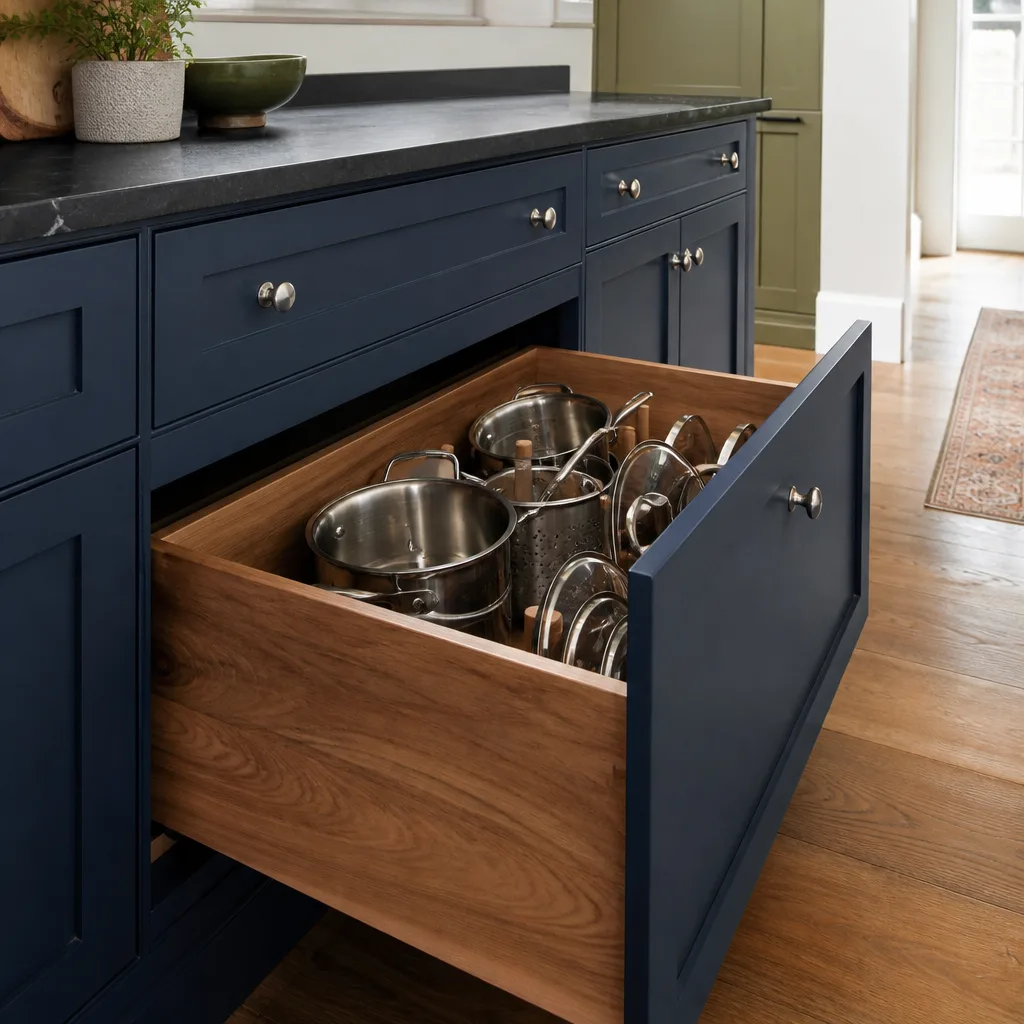
- Kitchen remodeling
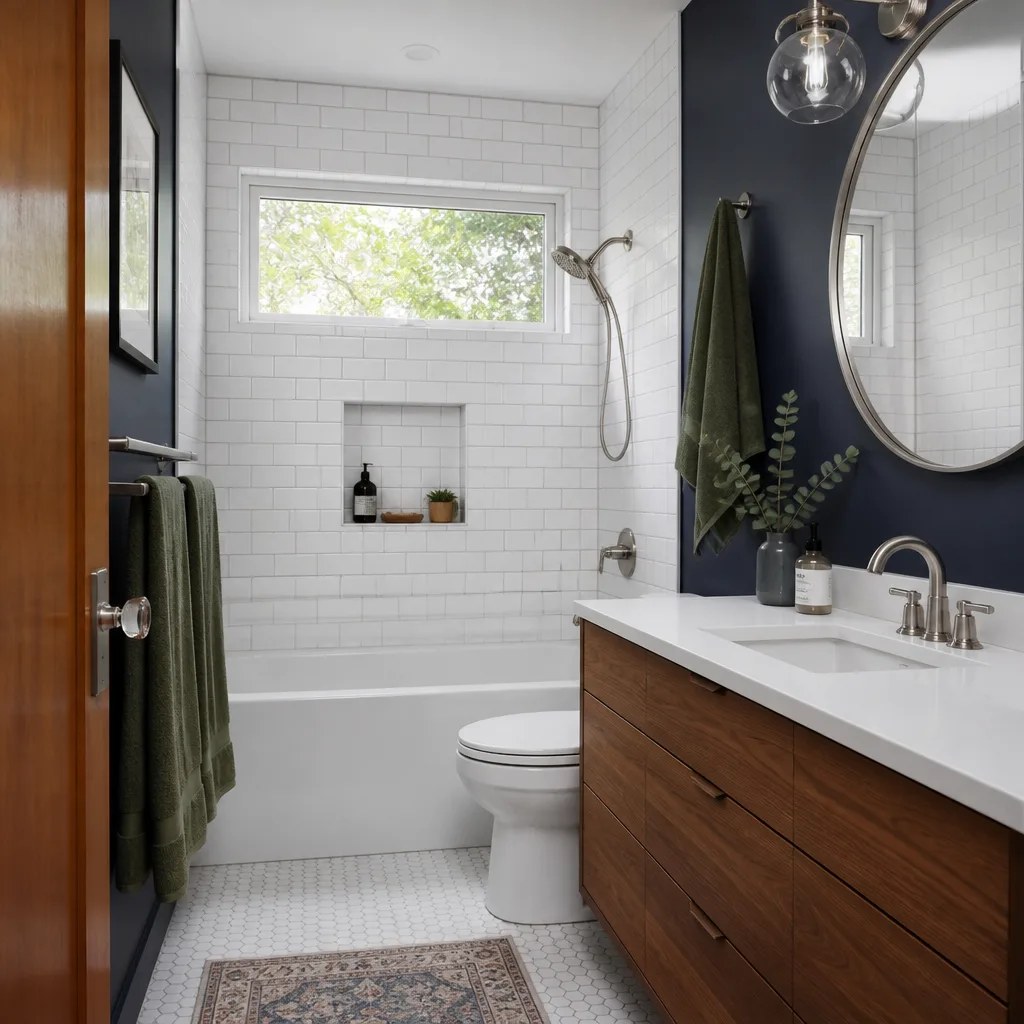
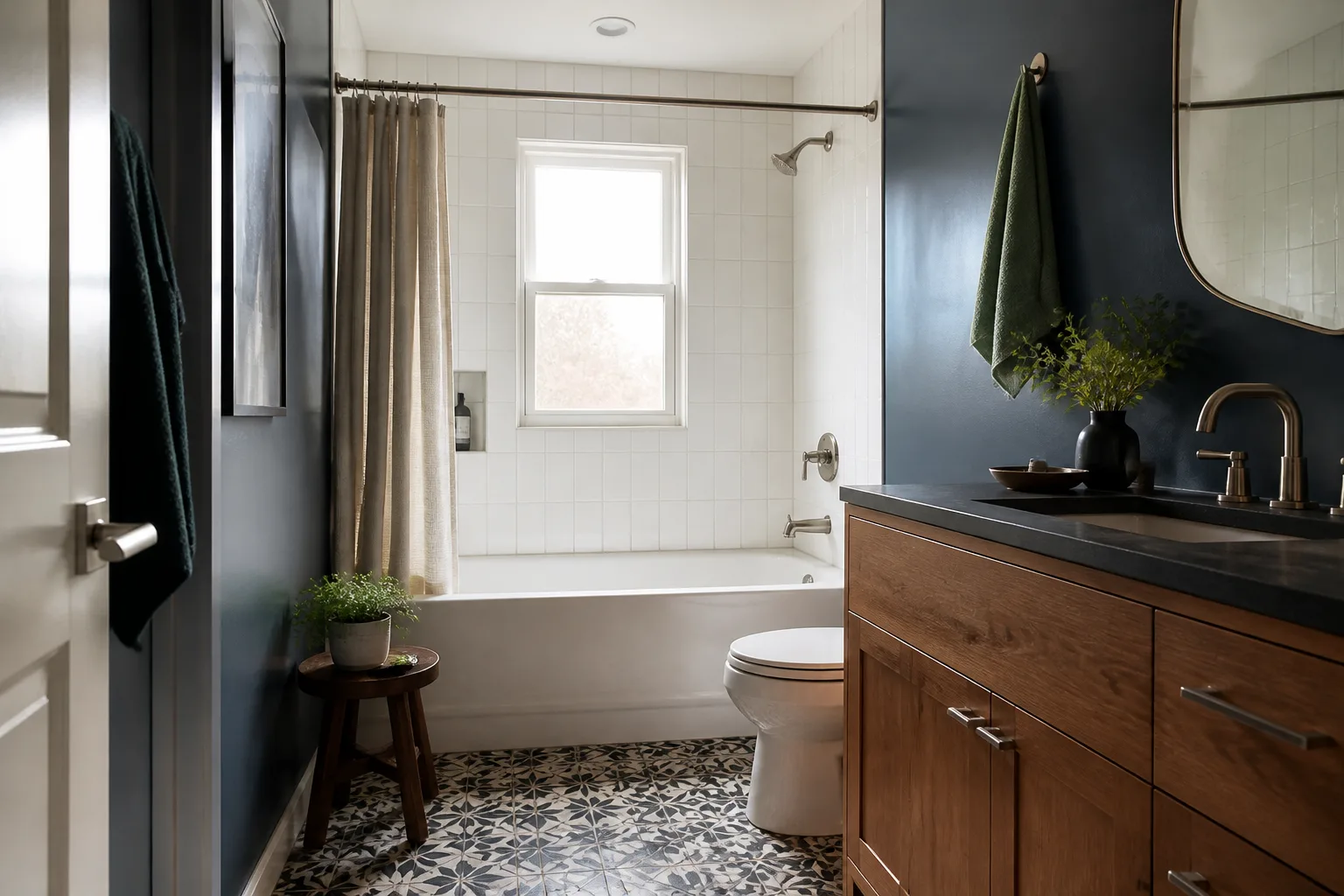
- Bathroom remodeling
- Home additions & ADU
- Roofing
- Windows & doors
- Driveway & pavers
- Fence
Table of Contents
- How Does Contra Costa County’s Permit Process Work for Concord Projects?
- Why Concord’s 1950s – 1970s Housing Stock Changes Your Scope
- Self-Perform vs. Broker: Why It Changes Your Liability
- What a Written Scope of Work Must Include in California
- How to Read a GC’s Insurance Certificate
- What to Ask a Concord General Contractor Before You Sign
- A Realistic Concord Remodel Timeline
- What Remodeling Costs in Concord
How Does Contra Costa County’s Permit Process Work for Concord Projects?
Contra Costa County runs a tiered permit system. Small cosmetic work can go over the counter at the Concord permit center in a single visit. Structural, mechanical, electrical, and plumbing work usually routes to plan check, and plan check is where calendars get eaten. Neighboring counties vary in how strictly they separate these tiers, which is why a GC who works mostly in Alameda or Solano may misjudge a Concord timeline.
Here’s the practical split. Over-the-counter approval is typical for:
- Like-for-like fixture replacements with no layout change
- Re-roofing with the same material class and no structural repair
- Interior cosmetic work that touches no plumbing, gas, or load-bearing walls
Plan check is triggered when a project moves walls, adds square footage, changes the building envelope, alters a kitchen or bath layout with new plumbing rough-in, upgrades an electrical panel, or touches anything structural. Kitchen and bath remodels that relocate a sink or range almost always land here, even in a modest Concord ranch home.
Plan check in Concord typically involves resubmittals. Expect at least one round of comments on a structural package. Two rounds is common on additions. A bid that treats permit time as a two-week formality is either inexperienced with the local jurisdiction or pricing the delay into a change order later. Ask any contractor how many resubmittals they budget for on a project like yours. If the answer is “none,” get a second bid. You can read more about how we approach permitting on our General Contractor in Concord page.
Why Concord’s 1950s – 1970s Housing Stock Changes Your Scope
Much of Concord’s residential inventory was built between roughly 1950 and 1975. That’s a specific construction era with specific problems. The tract homes in neighborhoods like Sun Terrace, Holbrook, and the older stretches off Clayton Road were built fast, to code as it stood then, with materials we now handle carefully.
Three hidden scope items show up again and again:
- Asbestos. Vinyl floor tile, mastic, drywall joint compound from certain years, and pipe insulation can all contain asbestos. Any remodel that disturbs these materials requires testing and, if present, abatement by a licensed abatement contractor before demo continues. Testing runs a few hundred dollars. Abatement can run into the thousands.
- Galvanized plumbing. Many of these homes still carry galvanized steel supply lines. They corrode from the inside, restrict flow, and fail at joints. Opening a wall for a bathroom remodel often exposes lines that are at the end of their life, and repiping while the wall is open is far cheaper than doing it later.
- Ungrounded wiring. Two-prong outlets and ungrounded circuits are common in homes of this vintage. Any electrical work that triggers an inspection will bring this to light, and bringing circuits up to current code can touch every room on the circuit.
We’ve seen bids that excluded all three, then hit the homeowner with a change order at demo. The fix is simple: require a pre-contract inspection of these systems and a written price for the realistic outcomes. The written price should be in the contract before demo, not discovered during it.
Self-Perform vs. Broker: Why It Changes Your Liability
Two kinds of general contractors exist. One self-performs a meaningful share of the work. The other brokers nearly all of it. Both can build a good project, but the distinction changes who is on the hook when something goes wrong.
A self-performing GC has employees on site. Payroll, workers’ comp, and supervision stay inside one company. When an employee is injured on your property, that injury is covered under the GC’s workers’ comp policy, and your homeowner’s policy is not on the front line.
A GC who brokers the work hires subcontractors. In California, a subcontractor without workers’ comp coverage can leave the general contractor and, in some cases, the property owner exposed. If an uninsured sub is injured on your property, the claim can reach your homeowner’s policy. The GC’s insurance certificate has to name the sub, or the sub has to carry its own policy, or both.
Neither model is inherently wrong. Many reputable builders broker most of the work and run disciplined paperwork. But you need to know which model you’re hiring so your insurance expectations match reality. Ask directly: who is the employer of record for the framing crew, the plumber, the electrician? If the answer isn’t clear, ask again in writing.
What a Written Scope of Work Must Include in California
California’s Contractors State License Board sets specific requirements for home improvement contracts. A contract that skips core elements is harder to enforce, and an unenforceable contract is worse than no contract because it creates a false sense of protection.
A compliant written scope of work in Concord needs to include:
- The contractor’s legal name, business address, and license number. The license number belongs in the contract itself, not just on the truck.
- A description of the work specific enough to price. “Kitchen remodel” is not a scope of work. “Replace 30 linear feet of base cabinetry with KraftMaid maple, install Cambria quartz countertops over 42 square feet, relocate the sink drain 18 inches” is a scope of work.
- Materials identified by brand and model where specification matters. This is where documented brands protect you. If the contract names Kohler fixtures and Moen faucets, the specification is traceable and substitution requires your signature.
- A total price and a payment schedule tied to milestones. California limits the down payment on home improvement contracts to 10% of the contract price or $1,000, whichever is less. Anything more than that is non-compliant.
- Start and completion dates where they can be reasonably stated, plus a description of what happens if the schedule slips.
- A three-day right to cancel, required on contracts signed at the homeowner’s residence.
- Language about change orders. Any change to the scope requires a signed written change order with a price. Verbal changes are not enforceable and open the door to disputes.
If any of these is missing, the contract is weaker than it should be. The written price commitment isn’t a sales tool. It’s the enforceable baseline of the whole agreement.
How to Read a GC’s Insurance Certificate
When a contractor hands you an ACORD certificate of insurance, most homeowners glance at it, see the word “certificate,” and set it down. Reading it takes three minutes and tells you whether you’re actually protected.
Check these lines:
- General liability limits. Look for at least $1 million per occurrence and $2 million aggregate. Anything lower is under-insured for a remodel of scale.
- Workers’ compensation. This must be active if the GC has employees. If “workers’ comp exempt” appears, that means no employees, which means subcontractors are doing the work, which means you need their certificates too.
- Certificate holder. Your name and property address should appear as certificate holder, or the certificate should name you as additional insured on the general liability policy. Additional insured status is better than certificate holder status because it gives you a claim on that policy.
- Expiration date. Certificates expire. A certificate dated eight months ago may already be lapsed, and the contractor who hands you a lapsed certificate is either careless or hoping you don’t check.
- Subcontractor coverage. If the GC brokers work, ask for certificates from each sub. A GC’s own insurance does not cover the sub’s employees. The sub has to carry its own policy, or the GC’s policy has to specifically endorse them.
Any contractor who hesitates when you ask for a current certificate is telling you something. Sound, documented insurance is part of the paperwork, and the paperwork should be ready before you ask.
What to Ask a Concord General Contractor Before You Sign
Ask these questions in the order listed. The answers tell you more than a portfolio does.
- Are you licensed, and what is your classification? A general building contractor classification (B) allows a contractor to build the whole project. A specialty classification (C-series) restricts them to one trade. Verify any license number through the CSLB website before signing.
- Who pulls the permits? A contractor who asks the homeowner to pull the permit is shifting the liability. The licensed contractor who performs the work should pull the permit and be listed as the responsible party.
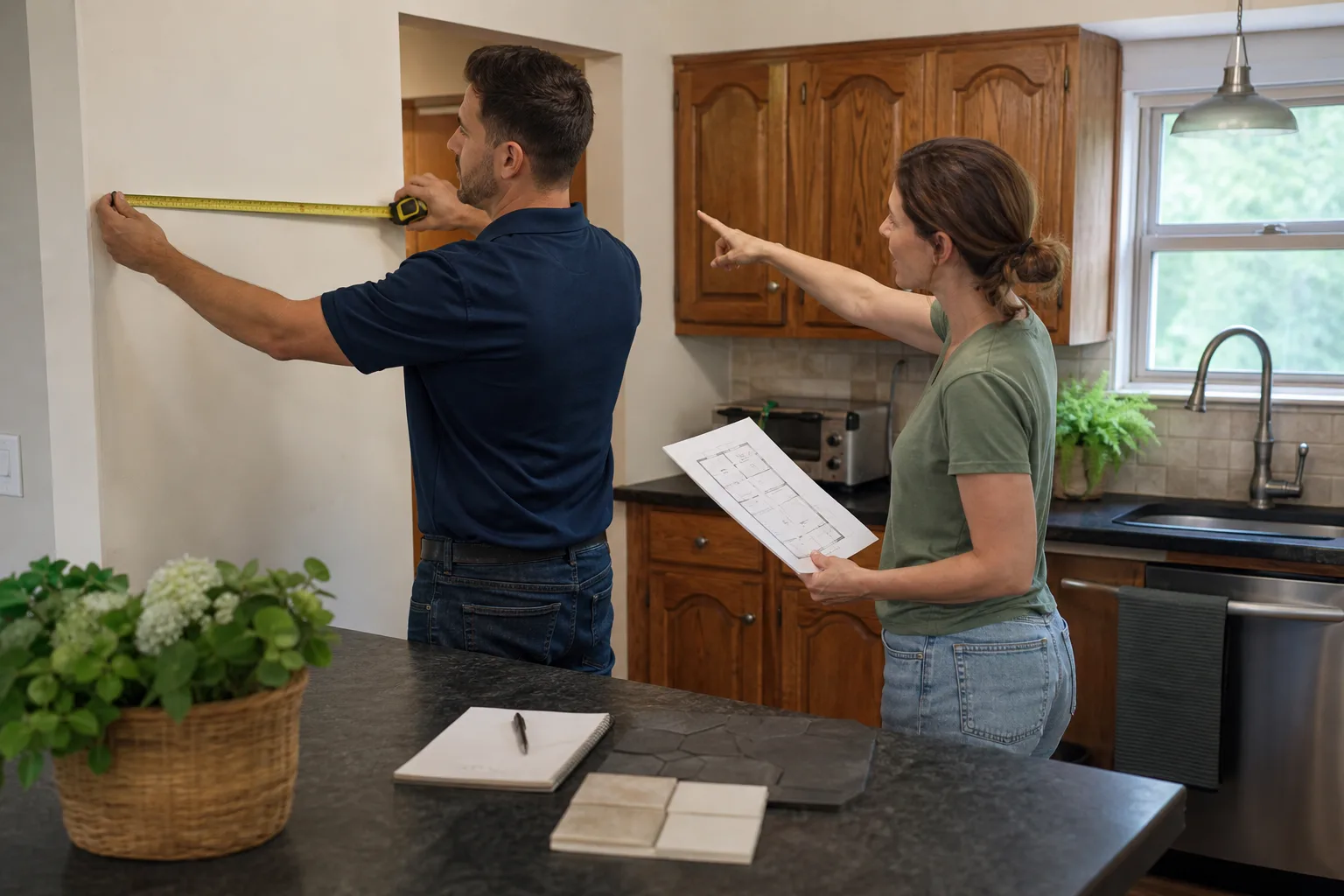
- What does your written scope of work cover, line by line? Ask for the scope in writing before the contract. A contractor who can produce a line-item written scope on the first visit is organized. One who produces a lump-sum number is guessing.
- Who is on site, and are they employees or subs? The answer defines your insurance exposure.
- How is the schedule structured, and what happens if the permit timeline runs long? You want a written schedule with permit time built in, not an aspirational start date.
- What warranty do you offer, in writing, and for how long? Ask for the warranty terms before the contract. A full-year written guarantee is a meaningful standard. A verbal “we’ll take care of you” is not.
- What do you do with the site at close? Construction debris removal, daily cleanup, and a documented close-out should be in the written scope.
For a closer look at what a kitchen project actually involves in this market, our Kitchen Remodeling in Concord page walks through the scope categories line by line.
A Realistic Concord Remodel Timeline
Most remodels run longer than the bid suggests. Here’s a realistic schedule for a mid-size Concord kitchen remodel, assuming permit time is budgeted properly:
- Design and specification: 3 to 6 weeks. Cabinet selections (KraftMaid and Wellborn both have lead times worth checking early), countertop templating, fixture specification (Caesarstone, Kohler), and finish selections all happen here.
- Permit application and plan check: 4 to 10 weeks. Budget for at least one resubmittal round.
- Pre-construction and material lead times: 4 to 8 weeks. Cabinets typically run 4 to 6 weeks from order. Countertops run 2 to 3 weeks after templating, and templating happens after cabinets are set.
- Demo and rough-in: 1 to 2 weeks. This is where hidden scope appears. The galvanized plumbing, ungrounded wiring, or asbestos in the mastic will show up now if it wasn’t fully inspected before the contract.
- Inspections: 1 week per phase. Rough framing, rough MEP, and final each get an inspection, and scheduling them adds calendar time.
- Finishes and close-out: 3 to 4 weeks. Cabinets, counters, tile, paint, punch list.
Total is 16 to 30 weeks for a mid-size kitchen, with the wide range driven mostly by permit time and material lead times. Any Concord contractor quoting 8 weeks on a kitchen remodel with a permit is either assuming fast-track review they don’t control or not including permit time in the number.
What Remodeling Costs in Concord
Contra Costa County sits in the upper range of Bay Area remodel pricing, but not at Marin or Peninsula levels. The line-item ranges below reflect what we see on Concord bids for mid-grade work with documented brands:
- Kitchen remodel, mid-grade: $65,000 to $110,000. Cabinet replacement, quartz countertops, tile backsplash and floor, new appliances at the standard grade, plumbing and electrical rough-in.
- Primary bathroom remodel: $25,000 to $55,000. Layout-preserving work runs the low end. Moving a toilet or adding a shower runs the high end.
- Whole-home remodel: $200,000 to $400,000. Depends heavily on whether walls move and how much MEP (mechanical, electrical, plumbing) is upgraded.
- Galvanized plumbing replacement: $8,000 to $18,000. Varies with house size and access.
- Electrical panel upgrade: $3,500 to $7,500. Includes permit and inspection.
- Asbestos testing and abatement: $400 to $1,200 for testing, $2,000 to $8,000 for abatement depending on square footage and material type.
These are the ranges to expect. Any bid that lands 40% below the low end without an obvious scope reduction is compressing something, and what usually gets compressed is what shows up later as a change order. The written price should match the written scope. If it doesn’t, walk away. For a more focused look at how these numbers apply to full-home work, see our Bradford Remodeling Co Concord home page.
Common Mistakes to Avoid
- Signing a lump-sum bid without a line-item scope. A single total on a page is not a scope of work. You won’t know what’s covered until it’s not.
- Assuming permit time is the contractor’s problem. It’s built into the contract one way or another, and if it isn’t in the schedule, it ends up in a change order.
- Skipping pre-contract inspections on a 1960s Concord tract home. The asbestos, galvanized plumbing, and ungrounded wiring are all knowable before contract. Finding them at demo turns a fixed price into an open invoice.
- Not asking whether the GC self-performs or brokers. The answer determines whether your homeowner’s policy is exposed when a sub is injured.
- Accepting a certificate of insurance without an additional-insured endorsement. Certificate holder status is weaker than additional insured status, and the difference matters when a claim happens.
- Treating brand specification as optional. If the contract doesn’t name the cabinet brand, the countertop brand, and the fixture brand, substitution is a matter of the contractor’s discretion. Naming brands and models in the contract makes substitution a signed change order.
- Accepting a down payment over 10% or $1,000. California caps it. Larger deposits are non-compliant regardless of how the contractor frames the arrangement.
See the difference
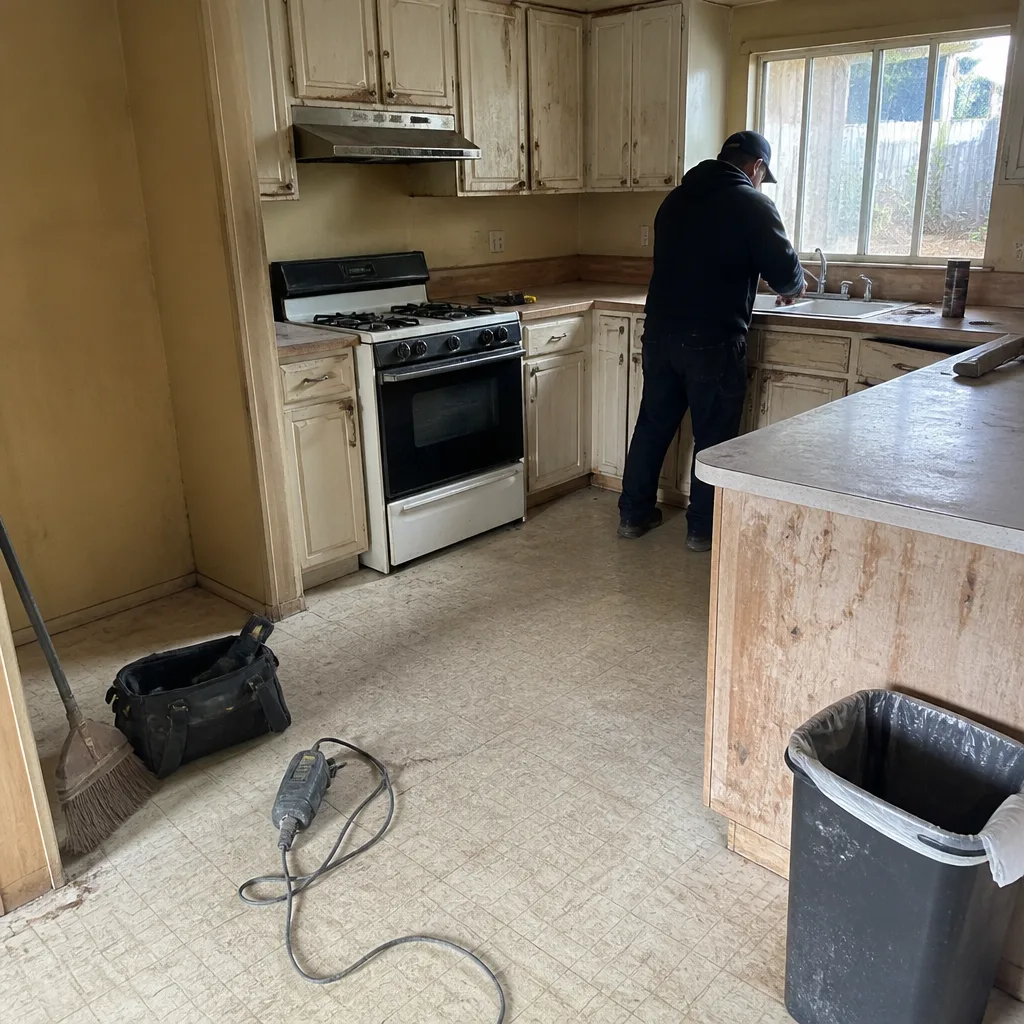 Before
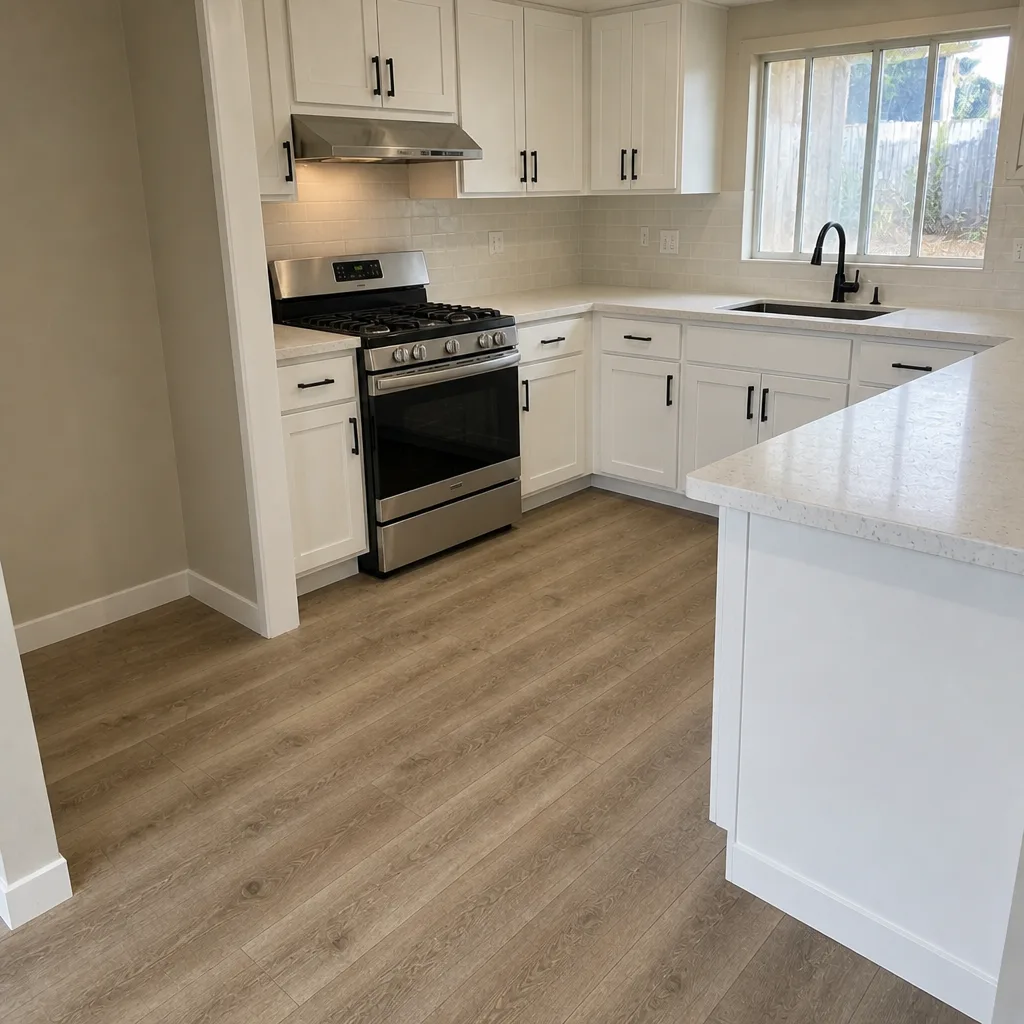 After
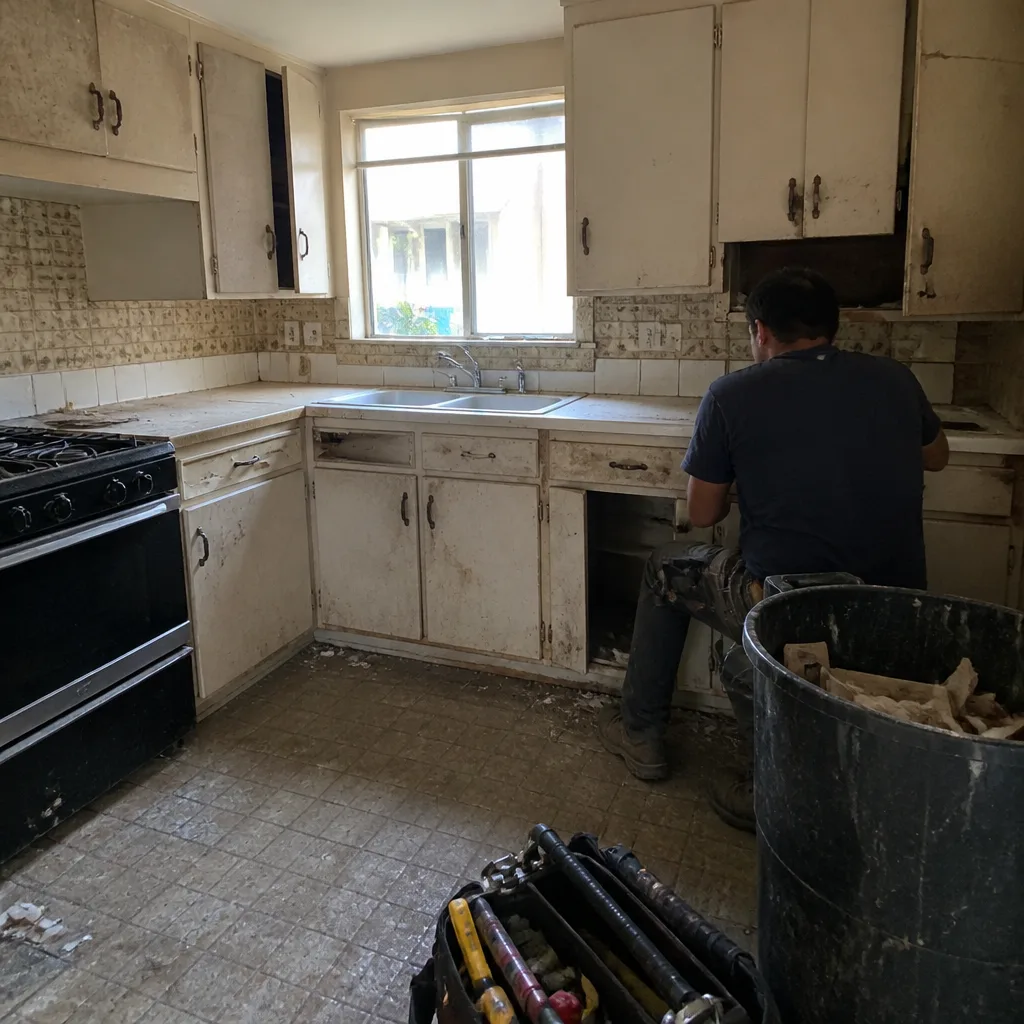 Before
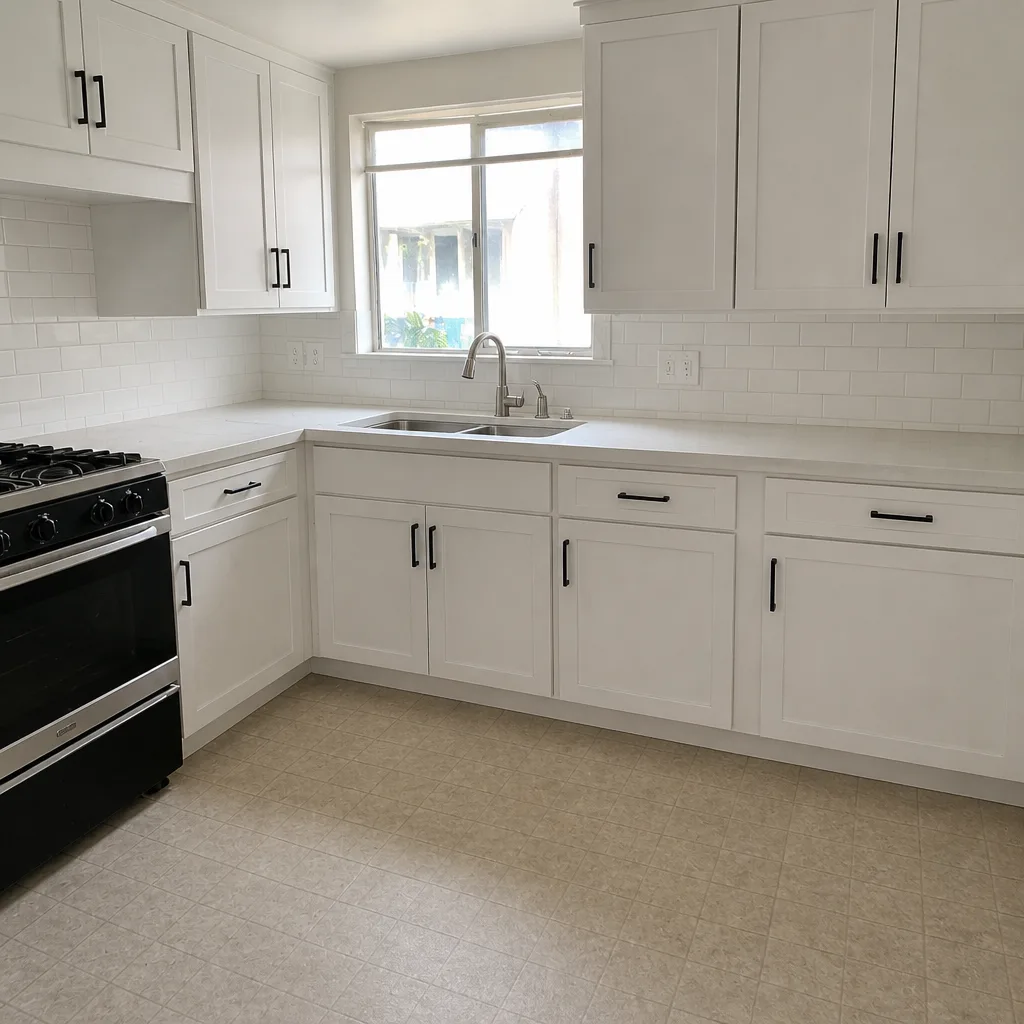 After
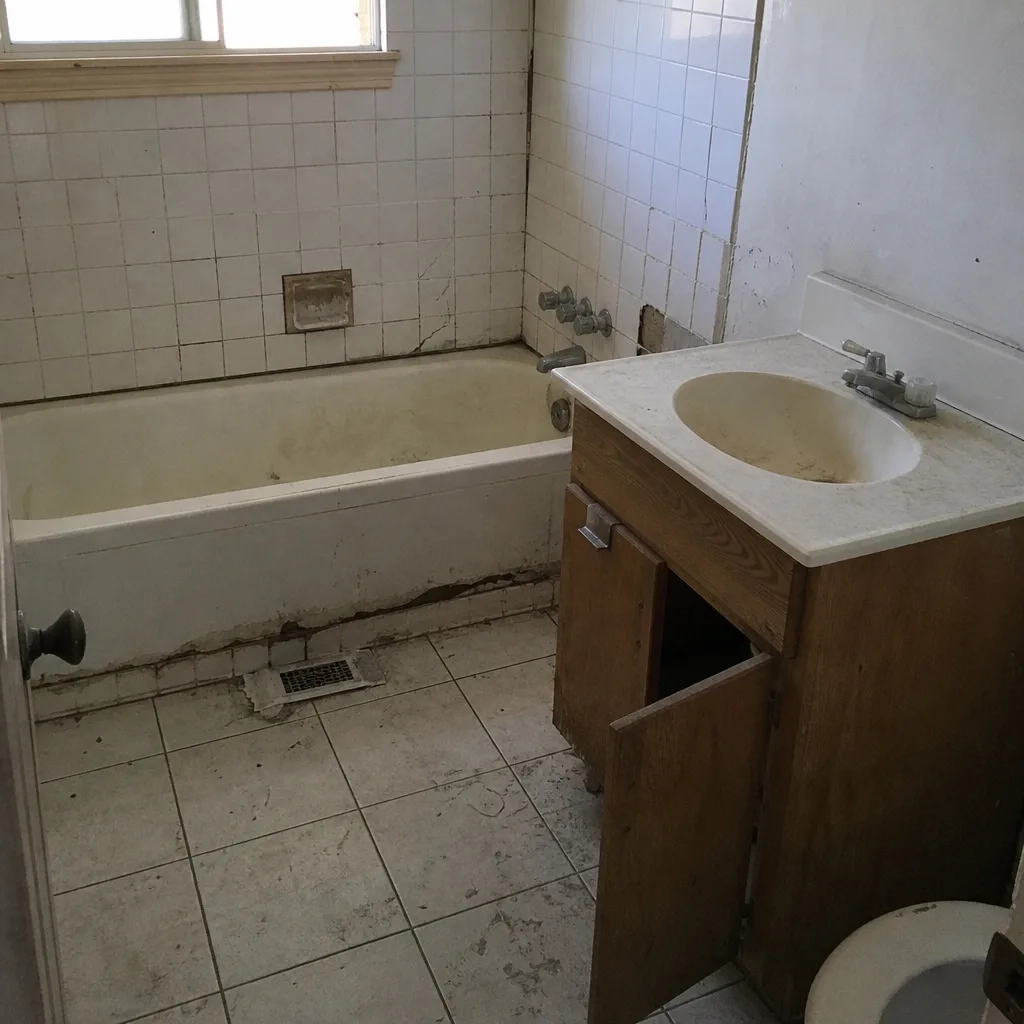 Before
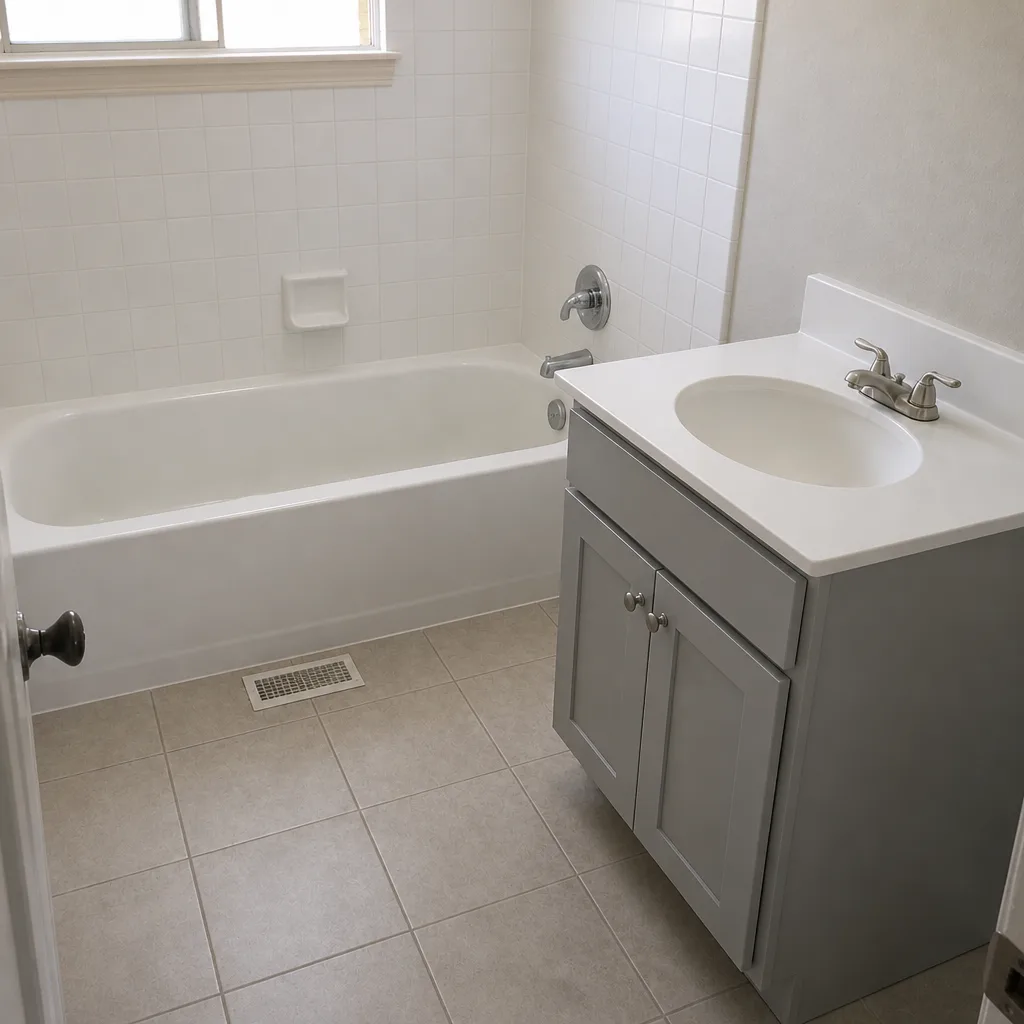 After
When to Call a Professional
Call a licensed general contractor when the work touches structure, moves or adds walls, relocates plumbing or gas, adds electrical circuits, or requires a permit. In Concord, that covers almost every kitchen or bathroom remodel of any depth, all additions, any work that opens a wall in a 1950s – 1970s home, and anything that touches the building envelope. Also call if you’re unsure whether the work needs a permit. The penalty for unpermitted work at resale is far higher than the cost of a permit. Bradford Remodeling Co Concord offers free estimates across Concord. Our technicians have up to 22 years of experience, we put the written price in your hands before any work starts, and every project carries the 365-Day Done Right Promise. Call (866) 476-6447 to schedule your free estimate.
Frequently Asked Questions
Standard remodel permits in Concord have averaged well over 60 days in recent years, with over-the-counter approval available only for limited cosmetic work. Structural, electrical, plumbing, and layout-changing work routes to plan check, which typically includes at least one resubmittal. Budget 4 to 10 weeks for permit issuance and build that into the contract schedule, not into hope. Call (866) 476-6447 for a free estimate with permit time written into the plan.
A mid-grade kitchen remodel in Concord typically runs $65,000 to $110,000, with layout changes and MEP upgrades pushing toward the top of that range. The low end holds when cabinets stay roughly in place and the plumbing and electrical rough-in doesn’t extend. Get a written line-item scope before pricing any kitchen work. Call (866) 476-6447 for an exact quote. Estimates are free.
It shouldn’t if the pre-contract inspection was done properly. The price changes on a Concord remodel when hidden scope (asbestos, galvanized plumbing, ungrounded wiring) was excluded from the bid. A disciplined contractor inspects for those before contract, prices the realistic outcomes in writing, and produces signed change orders if anything unexpected appears. Verbal changes are not enforceable. Call (866) 476-6447 to talk through a written-price quote.
Yes. The licensed contractor who performs the work pulls the permit and holds the responsibility. A contractor who asks you to pull the permit is shifting liability to you, and any inspector will note that arrangement. In Concord, the permit should appear in the contract as a line item with the fee disclosed. Call (866) 476-6447 for a permit-inclusive written estimate.
At least $1 million per occurrence and $2 million aggregate on general liability, an active workers’ compensation policy (or certificates from every subcontractor if the GC is exempt), and your name listed as additional insured. Check the expiration date. A certificate dated months back may already be lapsed. Do not assume the paperwork is current just because it was handed to you. Call (866) 476-6447 to review how we document insurance and scope in writing.
A self-performing GC has its own employees on site, and those employees are covered under the GC’s workers’ comp policy. A GC who brokers the work hires subcontractors, and each sub needs its own insurance or exposure can reach your homeowner’s policy in the event of an injury. Both models can produce a good project. The question is whether you know which one you’ve hired and whether the certificates match. Call (866) 476-6447 for a free estimate and a clear answer on how we staff each project.
The Bottom Line
Hiring a general contractor in Concord is a paperwork exercise before it’s a construction exercise. Verify the license, read the scope line by line, confirm the insurance certificate covers every sub, and make sure the schedule accounts for Contra Costa County’s permit timeline. The 1950s – 1970s tract homes that make up much of Concord’s housing stock have known hidden scope (asbestos, galvanized plumbing, ungrounded wiring) that belongs in the written price before contract, not in a change order mid-job. The written price is the whole thing. It’s the reason a Bathroom Remodeling in Concord project either stays in budget or doesn’t.
Contact

Ready to talk about your project? Call Bradford Remodeling Co Concord at (866) 476-6447 for a free estimate. We put the written price in your hands before any work starts, we build the Concord permit timeline into the schedule, and every completed project carries the 365-Day Done Right Promise: if the work fails within the year, we come back and correct it at no charge. A live person answers the phone around the clock. Call (866) 476-6447 to schedule your free estimate.
Written by the team at Bradford Remodeling Co Concord.