Last updated November 18, 2026
Free written scope consultation - allowances, timeline, and change-order rules on paper before a single trade is scheduled
Construction Cost Breakdown: The Concord Homeowner’s Reference for 2026
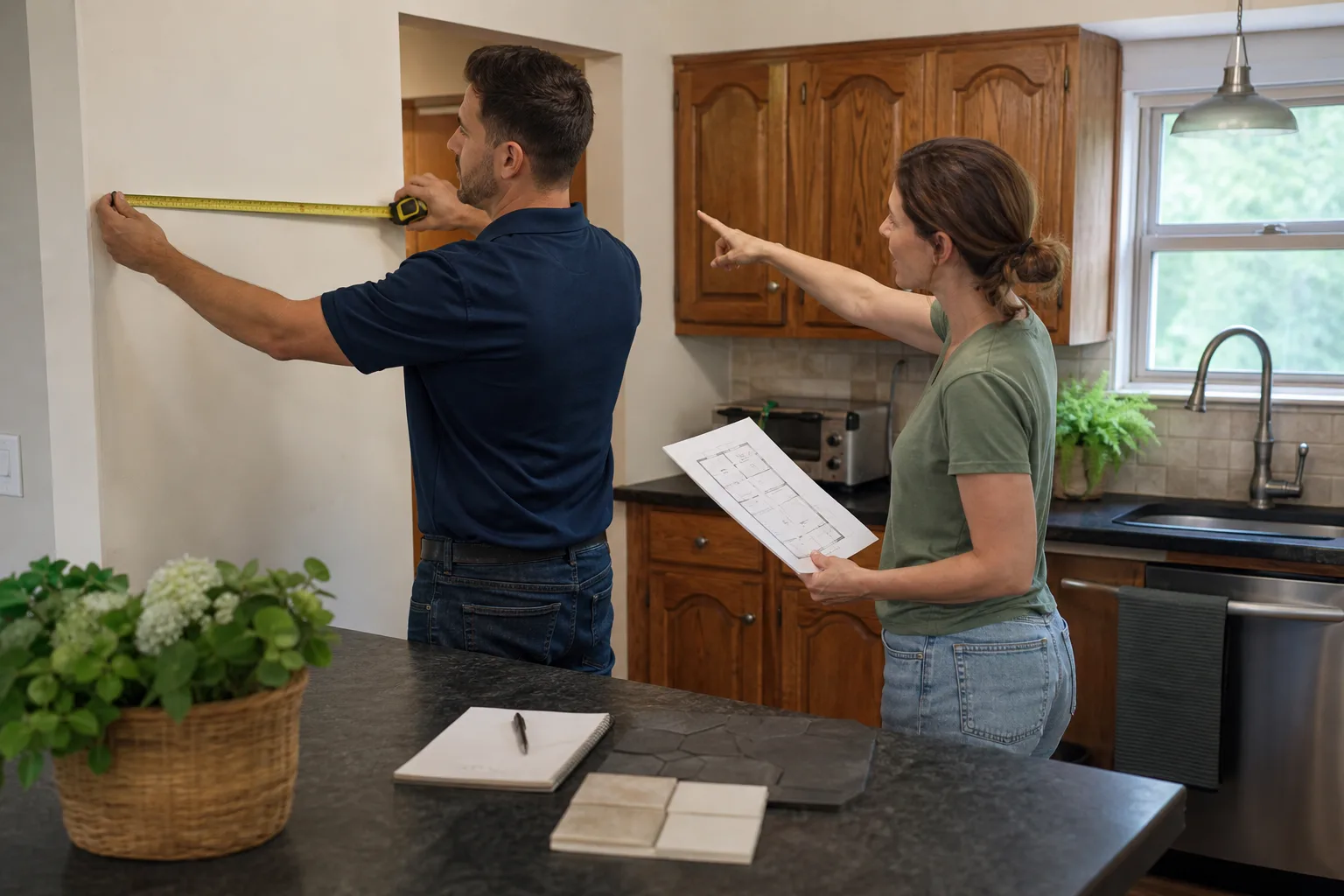
Two Concord kitchen remodel bids land on your table: one at $68,000, one at $94,000. The easy assumption is that the higher bidder is padding profit. In our experience reviewing hundreds of estimates across Concord, the gap is rarely margin. It’s scope. One bid likely carries a seismic upgrade the other skipped, a permit allowance the other left blank, or a window package with a different lead time baked into labor. This reference breaks a Concord remodeling budget into its working parts so you can compare bids line by line instead of guessing at totals.
Quick Answer
A mid-range kitchen remodel in Concord runs roughly $75,000-$115,000 in 2026, while a full bathroom lands around $28,000-$55,000 and a room addition typically starts near $320 per square foot. Concord costs run above California averages because of Bay Area labor rates, permit fees tied to project valuation, and seismic requirements that apply to additions, second-story work, and most ADUs. The only way to know which of two bids is honest is to demand a written, line-item price before work starts.
Styles & brands we work with
- Kitchen remodeling
- Bathroom remodeling
- Home additions & ADU
- Roofing
- Windows & doors
- Driveway & pavers
- Fence
Table of Contents
- What Concord Permit Fees Actually Cost by Project Type
- Labor Cost Benchmarks for Concord Trades in 2026
- Bay Area Material Costs and Supply Chain Realities
- How Seismic Requirements Add Cost to Additions and ADUs
- Cost-Per-Square-Foot: How to Use It Correctly
- How to Read a Bid Like a Contractor
- Common Mistakes to Avoid
- Frequently Asked Questions
What Concord Permit Fees Actually Cost by Project Type
Permit fees are public record, and any legitimate Concord estimate should show them as a line item. Here is roughly what the city assesses across the project types we see most often:
| Project Type | Typical Valuation | Estimated Total Permit Fees |
|---|---|---|
| Bathroom remodel (fixtures relocated) | $15,000-$45,000 | $900-$2,600 |
| Kitchen remodel (structural, electrical, plumbing) | $60,000-$120,000 | $2,800-$6,500 |
| Room addition | $150,000-$400,000 | $6,000-$15,000+ |
| ADU (detached or attached) | $180,000-$350,000 | $7,000-$14,000+ |
| Seismic retrofit (limited scope) | $8,000-$25,000 | $500-$1,500 |
Fees scale with valuation, which means the permit line on a bid is one of the easiest places to spot a cheat. A $94,000 kitchen bid with $6,500 in permits and a clearly itemized plan check, inspection, and school district contribution is a known quantity. A competing bid with “$2,000 permits” as a lump sum either undervalued the project to win the job or plans to hit you with an adjustment at final inspection.
Concord’s permitting process for larger projects also requires structural drawings from a licensed engineer, and that fee (often $1,800-$4,500 for a typical addition) should appear on the same line. If a contractor says permits are “included,” ask for the dollar figure. A permit that’s included but not priced is a permit that hasn’t been calculated.
Labor Cost Benchmarks for Concord Trades in 2026
Labor is the largest single line on most Concord remodeling budgets, and it is where the gap between a low bid and an honest bid usually hides. Here is the 2026 range for common trades, expressed as hourly rates on a residential project:
- Framing: $85-$135 per hour
- Finish carpentry: $90-$150 per hour
- Tile: $85-$140 per hour
- Electrical (licensed journeyman): $95-$160 per hour
- Plumbing (licensed journeyman): $95-$175 per hour
- Drywall and paint: $65-$110 per hour
The delta between union and non-union crews in the Concord labor market is real and typically runs 15%-30% on the wage side, but the difference in a bid is rarely just wage. Union framing crews carry established apprenticeship pipelines and predictable scheduling; non-union specialty subs can move faster on small jobs and cost less. Neither is automatically the honest choice. What matters is whether the bid ties a rate to a scope. A tile line that says “tile install” with no square footage, no substrate prep, and no waterproofing allowance is where you lose money on a California bathroom.
Our technicians have up to 22 years of experience, and one pattern holds across every Concord job: the labor lines that are vague are the lines that grow. If you want to understand how that plays out in a specific room, our Bathroom Remodeling in Concord page walks through a full scope line by line.
Bay Area Material Costs and Supply Chain Realities
Concord sits at a specific point in the Bay Area supply chain, and where a material is sourced changes both its cost and your schedule. Here is what we see in 2026:
- Windows and doors: Custom and made-to-order units from brands like James Hardie or Therma-Tru for exteriors and finish siding still carry lead times of 8-14 weeks when the specification is non-standard. Stock sizes from a local supplier can arrive in 2-4 weeks. The difference between a 4-week and a 14-week window package isn’t just money, it’s whether drywall and trim come in sequence or stall waiting on a delivery.
- Lumber: Framing lumber prices in California have swung 20%-40% over a 12-month window in recent years. A bid written on today’s price for a project framed in the fall has real exposure. A contractor with an escrow of that volatility will build in a small buffer or specify a fixed-price agreement with a documented supplier.
- Cabinetry and surfaces: KraftMaid and Wellborn cabinet orders in a semi-custom configuration typically run 6-10 weeks from signature to delivery. Cambria quartz countertops add 3-4 weeks from template to install. These are predictable timelines, not surprises, and a bid that doesn’t state them is hiding the schedule, not the cost.
- Local supplier vs. big-box: Local suppliers handle returns on damaged product, cut to spec, and hold inventory of items like Hardie siding for fast replacement. Big-box stock is cheaper per unit but carries no waste replacement, and a damaged sheet on install day can set a project back a week.
The practical takeaway: when you compare bids, look for a material schedule. A bid that lists specific brands, models, and lead times is verifiable. A bid that says “premium cabinets” is asking you to trust them. Our team at Bradford Remodeling Co Concord works from a documented roster of name-brand materials so specifications are traceable from the estimate to the invoice.
How Seismic Requirements Add Cost to Additions and ADUs
Concord sits in a seismic zone where local code requires specific structural detailing on additions, second-story work, and new ADUs. These requirements are not optional, and contractors who omit them from initial bids often come back at the pre-construction meeting with a change order. Here is what actually adds cost:
- Foundation anchoring and hold-downs: $4,000-$12,000 on a typical addition, depending on existing foundation condition.
- Shear wall detailing: $2,500-$8,000 when the new construction ties into an existing lateral system that needs upgrading to meet current requirements.
- Second-story framing: Roughly 15%-25% above comparable first-floor framing because of the load path detailing and engineering review.
- ADU structural separation: $6,000-$18,000 on a detached ADU where an independent lateral system is required.
In Concord specifically, we regularly see older ranch homes in neighborhoods like the Ygnacio Valley corridor where a permitted addition triggers a foundation evaluation, and the existing stem wall turns out not to meet current anchor bolt requirements. That’s a legitimate cost, not a contractor upcharge, but it needs to be on the bid before work starts, not discovered at framing inspection.
Seismic work is structural and engineering-led. It isn’t a homeowner DIY project, and we don’t recommend anyone attempt retrofit of load-bearing elements. Detail on how the engineering scope connects to the rest of the job is on our General Contractor in Concord page.
Cost-Per-Square-Foot: How to Use It Correctly
Cost-per-square-foot is the most misunderstood number in remodeling. It’s a screening tool, not a final bid. Used correctly, it helps you spot a bid that is genuinely out of range. Used incorrectly, it hides the entire scope that determines the real price.
Here is how to treat it:
- Use it to screen, not to quote. A 300-square-foot addition in Concord at $320-$450 per square foot is a realistic range. A bid at $180 per square foot is missing scope; a bid at $750 per square foot is doing something premium. Both are worth asking about, neither tells you what your job will cost.
- Check what’s inside the number. Does the stated square footage include the covered patio, the closet, the mechanical room? Two bids can both claim $380 per square foot and cover very different square footage.
- Don’t compare across project types. A kitchen at $250 per square foot and an addition at $250 per square foot are not the same job. Kitchens carry appliance and cabinetry costs; additions carry foundation, framing, roofing, and siding.
- Watch the exclusions. Permits, engineering, hazardous material testing, and site work are often excluded from the per-square-foot figure. Add them back before comparing.
For whole-home work in Concord, we quote per room and per system rather than per square foot alone, because a 1940s cottage and a 1990s build in the same neighborhood behave very differently on a remodel.
How to Read a Bid Like a Contractor
Whether you’re pursuing a kitchen, a bath, or a full Kitchen Remodeling in Concord project, the structure of the bid tells you as much as the total. Here is the discipline we apply to every scope, and what to ask:
- Demand a line-item breakdown. Labor, materials, permits, engineering, and allowances should each be their own line.
- Ask what’s excluded in writing. If it’s not on the bid, it’s usually on the change order.
- Confirm the allowance amounts. Tile, lighting, and fixtures often land as allowances. A $2,000 allowance on a $6,000 tile package is a $4,000 change order waiting to happen.
- Check the schedule dependency. Material lead times for cabinets and windows drive your real finish date. Ask for them on paper.
- Verify the warranty language. Everything we complete carries the 365-Day Done Right Promise: if the work fails within that year, we come back and correct it at no charge. Ask any contractor what their guarantee says, in what writing, and for how long.
Common Mistakes to Avoid
- Comparing totals without comparing scope. The lower total in Concord is almost always the less complete scope. Line-item comparison is the only honest measure.
- Taking the low bid and hoping permits are included. A permit that isn’t priced is a permit that hasn’t been pulled, and Concord won’t sign off on unpermitted work at resale.
- Choosing on speed and not on schedule. Custom cabinets take 6-10 weeks regardless of who installs them. A contractor who promises 3-week turnaround on KraftMaid semi-custom is either guessing or planning to substitute.
- Not asking about seismic scope on an addition. If a bid for a room addition doesn’t mention lateral bracing or foundation anchoring, it isn’t a complete bid for Concord.
- Skipping the written change order process. Verbal changes turn into disputes. Every change in scope should carry a written price before anyone touches a wall.
- Ignoring site and hazardous material testing. Homes built before 1980 may carry asbestos in joint compound or floor tile. Testing is a $500-$1,500 line item that can prevent a $9,000 discovery mid-demo.
- Overlooking who’s actually on site. Ask whether the people in your home are background-checked and identified in advance. It matters for a project that runs months.
See the difference
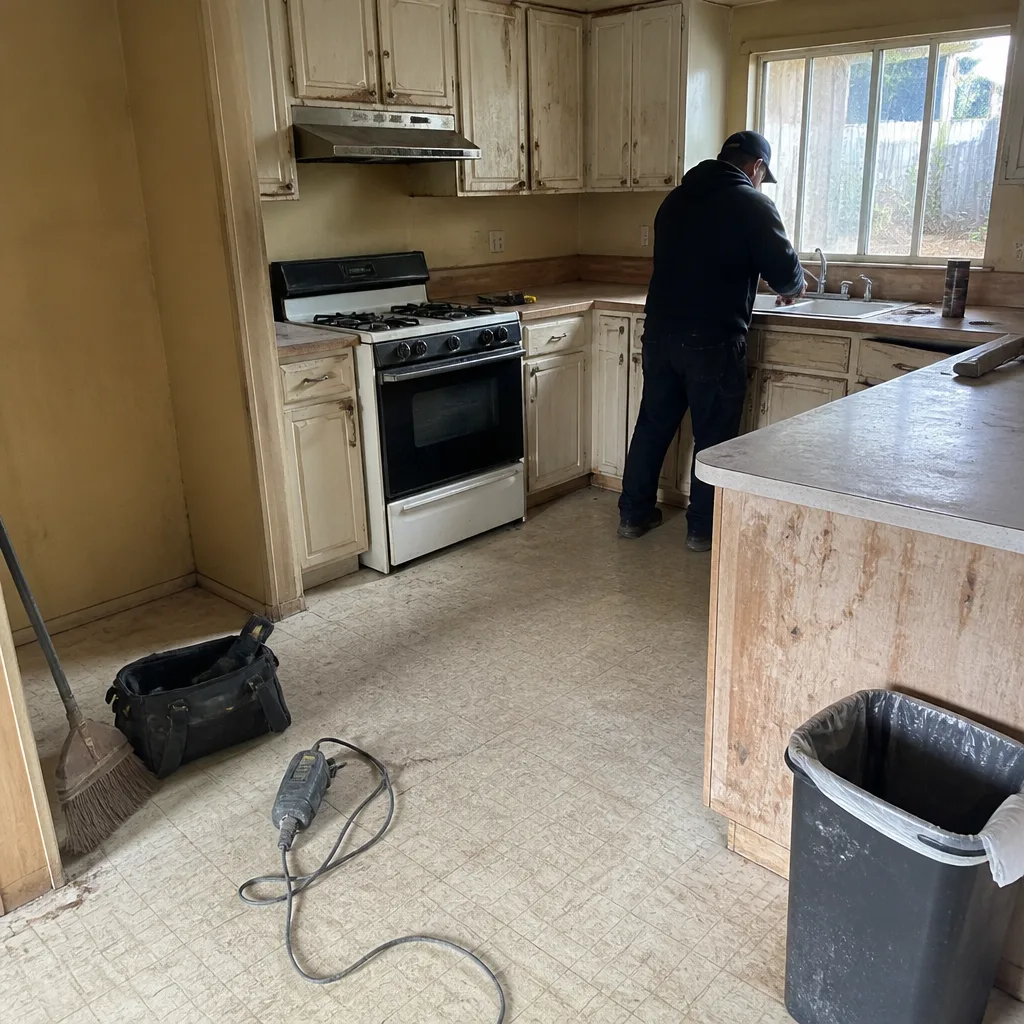 Before
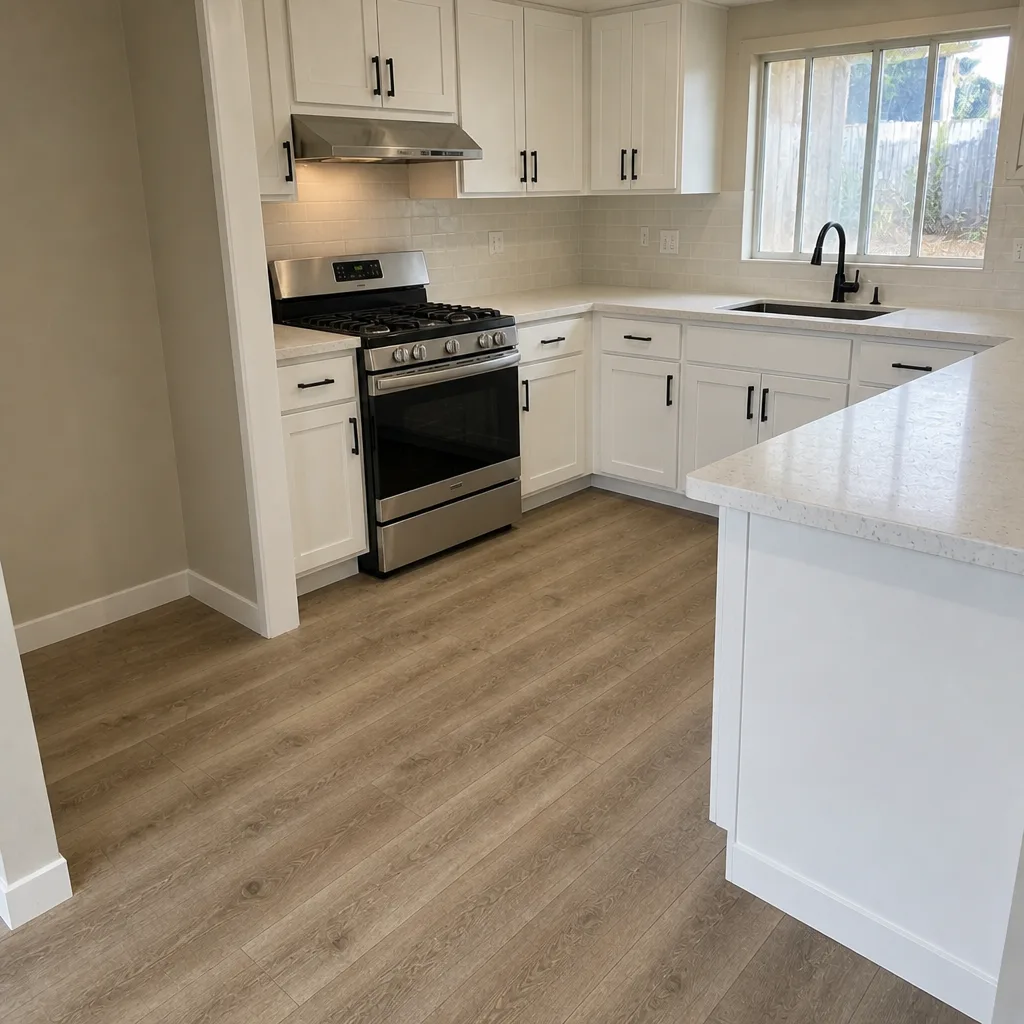 After
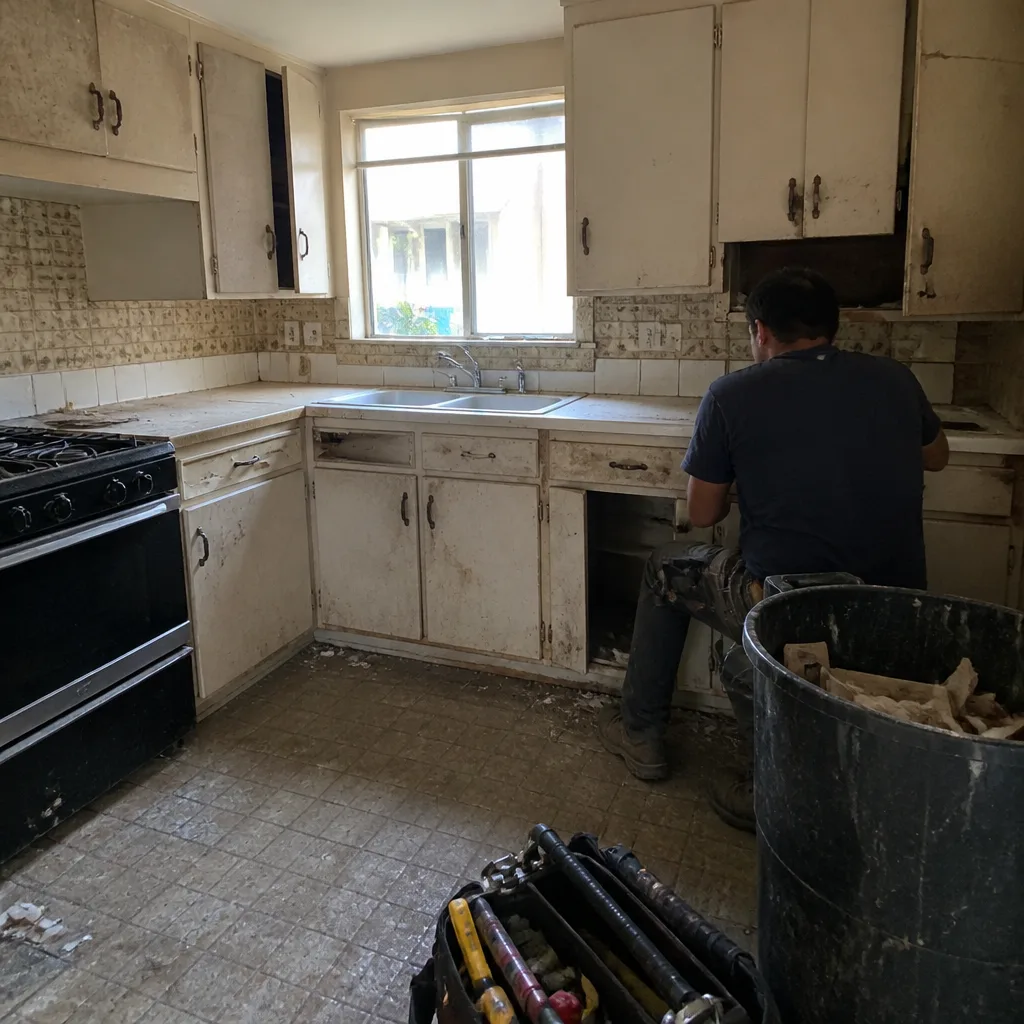 Before
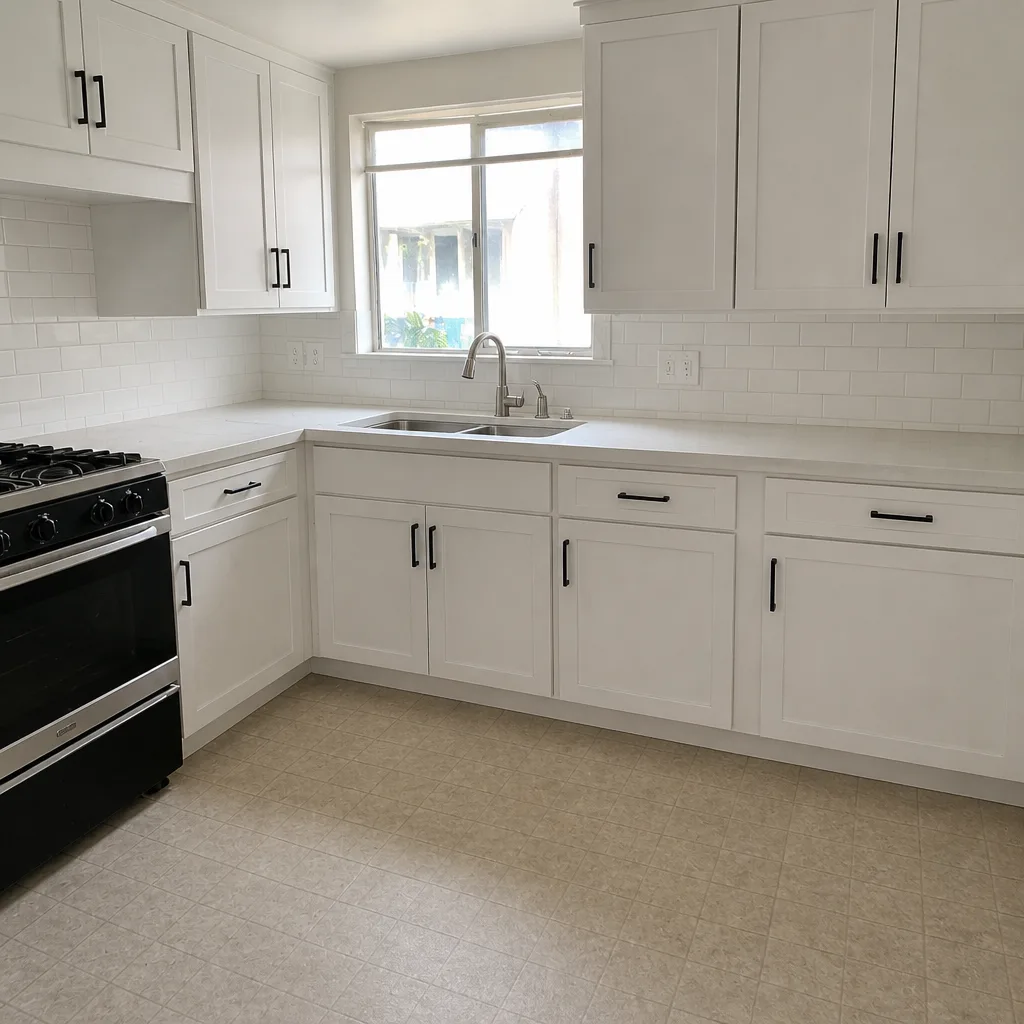 After
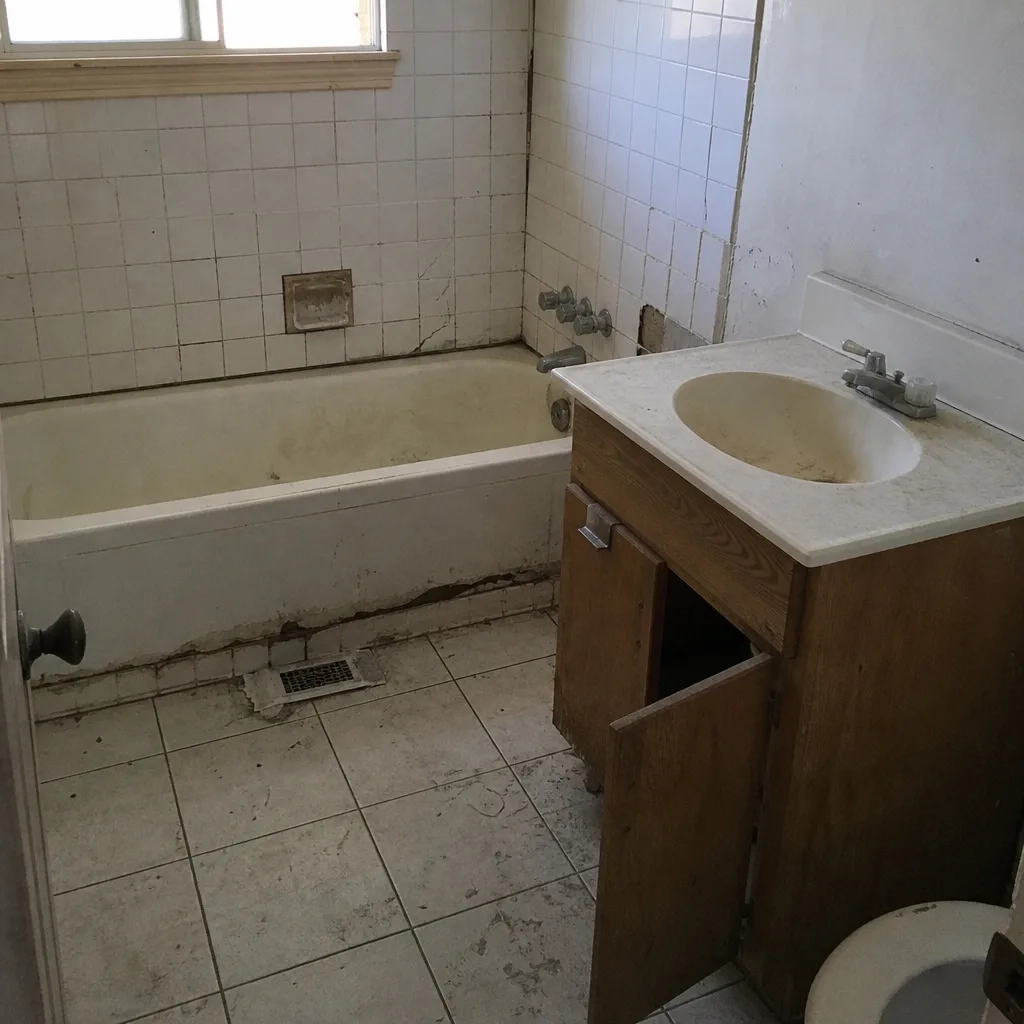 Before
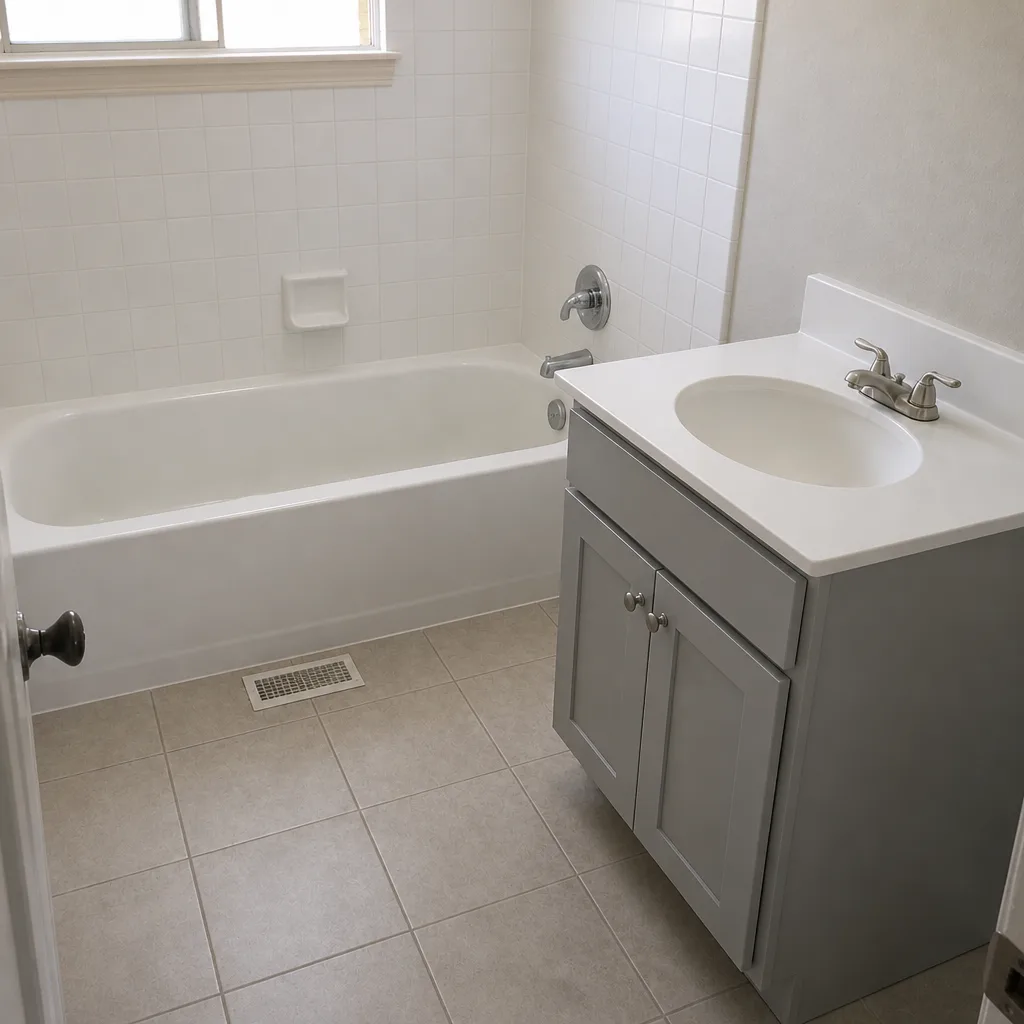 After
When to Call a Professional
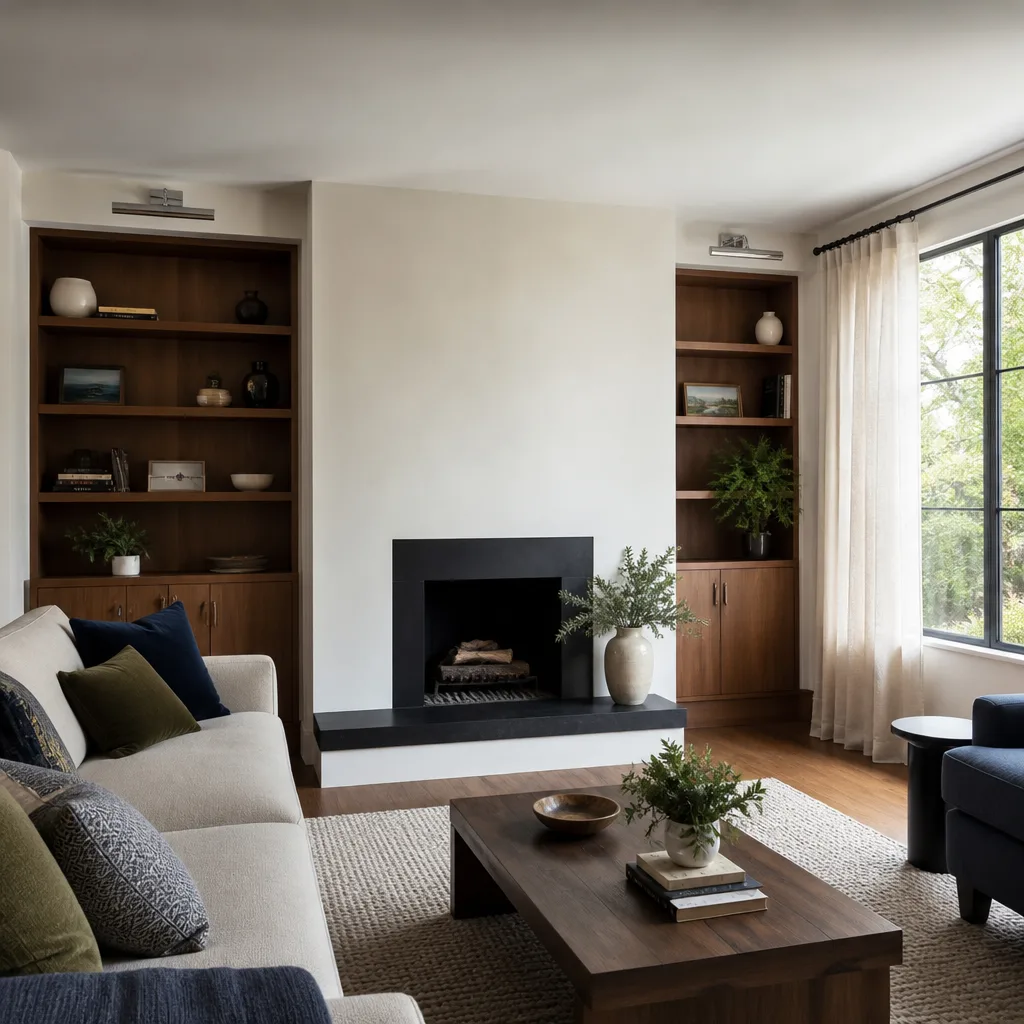
Some jobs are genuinely homeowner territory: swapping a faucet, painting a room, replacing a light fixture. But when the work touches load-bearing walls, electrical panels, gas lines, or the building’s lateral system, it belongs with a trained professional. A kitchen reconfiguration that moves a range into a wall the drawings call out as shear-resisting is not a weekend job, and the cost of getting it wrong far exceeds what you’d save. Similarly, any addition, second-story project, or ADU in Concord requires engineering and permits that a homeowner can’t legitimately navigate alone. If a job touches permits, structure, or a signed guarantee you want in hand at completion, it’s time for a contractor. Bradford Remodeling Co Concord offers free estimates in Concord. Call (866) 476-6447 to schedule one. Every price comes in writing before work starts.
Frequently Asked Questions
A mid-range kitchen remodel in Concord costs roughly $75,000-$115,000 in 2026, with premium projects running above that. The biggest cost drivers are cabinetry specification, whether walls move, and whether plumbing or electrical needs to be cited into the permit. Call (866) 476-6447 for an exact quote. Estimates are free.
Concord runs above state averages because Bay Area labor rates are higher, permit fees scale with project valuation, and seismic requirements add structural scope to additions and second-story work. These are real, traceable costs, not padding. A line-item bid will show each of them.
The price doesn’t change when scope doesn’t change. If a wall reveals a hidden issue, that change gets a written price before anyone touches it. There are no surprise numbers at the door, and no invoices that grow without an approved change order.
Yes. Permit fees are a line item on our estimate, not a lump sum to be adjusted later. The permit is filed under the correct valuation bracket, and the inspection process is coordinated through project close so you have signed-off documentation for resale.
It usually hides foundation work, seismic detailing, engineering fees, and site work. A posted per-square-foot figure may not include any of those, so the real number is often 15%-30% above the per-square-foot figure once they’re added in.
A bathroom typically runs 3-5 weeks, a kitchen 6-10 weeks plus cabinet lead time, and an addition 4-7 months depending on framing inspection and material delivery. The schedule that matters is the one written down, with material lead times listed. Call (866) 476-6447 and we’ll give you a target schedule with your estimate.
The Bottom Line
A Concord remodeling bid tells the truth only if it’s itemized. Permit fees are public record and should be on the page. Labor rates, material lead times, and seismic scope should each be their own line. Cost-per-square-foot is a screening tool, not a final answer, and any contractor who won’t break down the number is asking you to guess. In our experience, the homeowner who has a written, line-item scope and a written guarantee at completion is the homeowner who stays off the pogo-stick, out of the dispute, and out of the change order. Every completed project carries the 365-Day Done Right Promise: a full year of guaranteed work, corrected at no charge if it fails.
Call (866) 476-6447 for a free estimate in Concord. A live person answers, 24 hours a day, and the price you receive is the price in writing before work starts.
Written by the team at Bradford Remodeling Co Concord.