Last updated November 18, 2026


Free written scope consultation - allowances, timeline, and change-order rules on paper before a single trade is scheduled
DIY vs Professional Construction: The Concord Homeowner’s Decision Guide
In California, a homeowner can pull their own permit and legally act as their own general contractor. That single fact is the hinge this whole decision swings on, and most DIY guides skip it entirely. The moment you sign as owner-builder, every bit of liability for code compliance lands on you personally – not on a crew, not on a licensed contractor, not on anyone else. In Concord, where a lot of housing stock predates the 1980s and carries the electrical and plumbing quirks to prove it, that liability has real teeth. This guide walks through what the owner-builder exemption actually allows, where the hard stops are, and how to compare a true DIY cost against a professional bid line for line.
Quick Answer
Hiring a licensed professional is the better call whenever the work touches electrical panels, gas lines, or structural framing, because California’s owner-builder exemption shifts all liability for code compliance onto you and many insurers won’t cover owner-built work. DIY only makes financial sense for finish work – painting, trim, basic tile – where a mistake costs you a weekend, not your home’s insurability. Everything in between depends on whether you can absorb the permit, tool, and resale-disclosure risk.
Styles & brands we work with
- Kitchen remodeling
- Bathroom remodeling
- Home additions & ADU
- Roofing
- Windows & doors
- Driveway & pavers
- Fence
Table of Contents
- What California’s Owner-Builder Law Actually Permits
- Projects With a Hard Stop for DIY in Concord
- How to Calculate the True Cost of DIY
- The Resale Disclosure Problem Nobody Warns You About
- Category-by-Category: Where the Line Falls
- Insurance, Liability, and What Your Policy Won’t Cover
- A Decision Framework You Can Actually Use
What California’s Owner-Builder Law Actually Permits
Business and Professions Code §7044 is the statute that lets a homeowner act as their own general contractor on their own residence. The exemption exists so you can improve or repair your primary home without hiring a licensed contractor. Read the language closely and a few things jump out.
It permits you to pull permits in your own name, hire subcontractors directly, and manage the job yourself. It prohibits you from doing this on a property you don’t occupy or intend to occupy, and it prohibits you from using the exemption as a cover to run a contracting business. If you’re flipping houses in Concord as a side venture, the owner-builder exemption doesn’t apply to you the way you might hope.
The statute also requires that you sign a disclosure acknowledging the risks. That form isn’t legal theater. It’s the state telling you, in writing, that you are now the responsible party for worker safety, code compliance, and the structural integrity of the job. Here’s what changes when you sign it:
- Workers’ compensation: If you hire uninsured subs and someone gets hurt, the liability exposure can land on you.
- Code compliance: Your local building department inspects the work against code. You own the correction cost if it fails.
- Warranty: There’s no contractor warranty behind owner-built work. You are the warranty.
- Insurance: Many homeowner policies exclude or limit coverage for owner-built construction during the build and after.
The exemption is real and it’s legal, but it’s not a loophole. It’s a transfer of responsibility. For a Concord homeowner looking at a kitchen remodel, understanding that transfer is the starting point for any honest comparison against a professional bid. Our team at Bradford Remodeling Co Concord home fields questions on this constantly, and it’s the question most people haven’t asked.
Projects With a Hard Stop for DIY in Concord
Some categories aren’t a judgment call. They’re a stop sign. In Concord, three areas fall into that bucket without exception.
Electrical panel work
Replacing or upgrading a service panel is not a weekend project. The panel is the point where utility power enters your home, and it carries live current at amperages that kill. Permits are required, inspection is mandatory, and most utilities won’t reconnect service without a licensed electrician’s sign-off. A Concord home with a 1950s-era panel and cloth wiring is a common scenario, and pulling that apart without a license is how house fires start.
Gas line modifications
Any change to a gas line – running a new line for a range, moving a dryer, adding a fireplace insert – requires a permit and a pressure test. Gas doesn’t announce a bad joint. It seeps. We won’t give you a how-to here because the honest answer is: don’t. This is work for a licensed plumber or gas fitter who carries the insurance and does the pressure test the inspector will want to see.
Structural changes requiring engineered drawings
Removing a load-bearing wall, adding a beam, opening up a floor plan – anything that changes how the house carries load – needs a structural engineer’s stamp and a plan review. Concord’s building department won’t issue a permit on a napkin sketch. If a contractor tells you they can skip the engineering, you’ve learned something important about that contractor.
For everything in this category, the safe and legal path is a licensed trade plus inspections. Where a general contractor coordinates multiple trades, that job is squarely in our wheelhouse as a General Contractor in Concord – and the reason it matters is that a single point of responsibility for permits, scheduling, and inspections is what keeps a job from stalling mid-frame.
How to Calculate the True Cost of DIY
The number most homeowners compare is the material cost of the DIY path against the bid total of the professional path. That’s not a comparison. It’s a fraction of one side against the whole of the other. Here’s the honest way to build the DIY number.
- Material cost, plus waste. Add 10-15% to your material estimate for waste and cuts. Tile jobs run higher – 15-20% is realistic on a diagonal or pattern layout. A professional bid already includes that waste.
- Permit fees. Pull the fee schedule from Concord’s building department. Kitchen and bath remodels, additions, and any structural change carry fees that add up fast, and DIY doesn’t avoid them. It just makes you the one standing in line.
- Tool rental. Tile saw, demo hammer, drywall lift, scaffolding for exterior work. Price the rentals for the realistic duration, then double the time estimate, because first-time work takes longer.
- Your labor at a real rate. Whatever your hourly is worth, that’s the rate. A bathroom remodel at 100 hours of first-timer effort is not free. It’s a real number you’re choosing to spend instead of earn.
- The redo factor. Budget one professional correction pass. Paint and trim, maybe not. Tile, plumbing rough-in, electrical – realistically, yes.
Stack those five lines and compare them against a written bid that includes materials, labor, permits, inspections, and the warranty behind the work. In our experience, the gap between DIY and professional is much narrower than people assume once tool rental and time are honestly counted. The gap that stays wide is the one where a DIY mistake costs you twice.
The Resale Disclosure Problem Nobody Warns You About
California requires sellers to disclose all known material facts about the property, including work done without permits. When you sell a Concord home with owner-built work that wasn’t permitted or wasn’t inspected, that disclosure isn’t optional. It goes in the transfer disclosure statement, and buyers read it.
Here’s where it gets expensive. Many lenders won’t finance a home with recent unpermitted work, particularly if the work touched structural, electrical, or plumbing systems. That can knock a chunk of buyers out of your pool, or force you to retroactively permit the work – which often means opening walls so an inspector can see what was done. A retrofit on unpermitted work can cost more than permitting it correctly in the first place.
The disclosure requirement has a second layer that catches people. If you hired a contractor and the work was permitted and inspected, the disclosure is straightforward. If you did the work yourself and skipped the permit, you’re disclosing a problem you created. That sentence in the disclosure statement follows the house. Buyers ask about it. Appraisers notice it. And the professional path produces a paper trail – permits closed, inspections passed – that travels with the house and answers the question before it’s asked.
Category-by-Category: Where the Line Falls
The DIY-versus-hire question isn’t one question. It’s four or five. Here’s how the categories sort, sorted by actual risk.
Painting and finish work – DIY-viable
Painting, trim, caulking, basic landscaping. Low risk, low permit exposure, mistakes are cosmetic and fixable. If you’re going to spend your own weekends somewhere, spend them here. The one caveat in Concord: exterior paint prep on older homes often reveals dry rot around window trim and fascia, and that’s a structural question the moment you find it. Stop and get an assessment before you paint over it.
Tile – skill-dependent
Tile is the classic DIY trap. The part people see is the surface. The part that fails is the substrate – the waterproofing and backer board underneath. A shower that isn’t properly waterproofed looks perfect for a year and then rots the framing behind it. If the tile is a backsplash, the risk is low. If it’s a wet area, the substrate work is what separates a fifteen-year shower from a two-year one. Our Bathroom Remodeling in Concord team deals with the fallout from failed DIY waterproofing more often than you’d think.
Framing and rough work – a jurisdiction and liability question
Interior non-load-bearing partitions are a grey area. Load-bearing anything is not. If the wall holds up the floor above or the roof, the decision is made for you: engineered drawings, permits, inspections, licensed trades. Any other path is a structural gamble with your house and your insurability on the line.
MEP – stop here
Mechanical, electrical, and plumbing. This is where DIY goes from a bad idea to a genuine hazard. Panels, gas, rough plumbing inside walls, HVAC refrigerant lines – each requires a licensed trade, a permit, and an inspection. In Concord’s older housing stock, opening a wall for plumbing often reveals surprises – galvanized supply lines, cast iron drains, knob-and-tube wiring – that a licensed trade knows how to handle and a homeowner doesn’t.
For a kitchen remodel specifically, the trade coordination – electrical, plumbing, cabinetry, countertops, tile – is where the job either runs clean or spirals. Our Kitchen Remodeling in Concord process sequences those trades so the permits are pulled, the inspections pass on the first attempt, and the cabinetry – we install KraftMaid and Wellborn – lands on a square, plumb wall instead of a patched one.
Insurance, Liability, and What Your Policy Won’t Cover
Your homeowner policy is written for a house you own, not a construction site you’re running. The moment you start work, the policy’s coverage of that work is a question you should answer before you start, not after. Most policies exclude damage arising from faulty workmanship, which means if the DIY shower fails and water damages the floor below, the policy may decline the claim on the grounds that the damage came from your own construction defect.
The other exposure is workers. If you hire anyone – a neighbor, a handyman, a sub – and they’re injured on your property, you’re exposed to liability that a licensed contractor’s own comp coverage and general liability insurance would normally absorb. Licensed contractors carry that insurance as a condition of being licensed. When you hire uninsured help, you become the insurance.
Professional work also comes with a warranty that functions as a form of insurance. Our 365-Day Done Right Promise is a written guarantee on every completed project: if the work fails inside that year, we come back and correct it at no charge. That’s not the same as an insurance policy, but it is a defined recovery path that owner-built work doesn’t have. Owner-built work has one warranty, and it’s you.
A Decision Framework You Can Actually Use
Run a project through these five questions, in order. The first “yes” anywhere in the list is the answer.
- Does it touch electrical, gas, or structural? If yes, hire a licensed trade. Full stop.
- Does it require a permit with plans? If yes, you’re either pulling as owner-builder with full liability, or hiring someone who does this weekly. The second is usually cheaper once you count the exposure.
- Does your insurer exclude owner-built work? Read the policy or ask the question. If it excludes the work, DIY means self-insuring the job.
- Are you willing to disclose it on sale? If you’d hesitate to sign a transfer disclosure statement naming the work you did, that’s your answer.
- Is it truly finish work? Paint, trim, basic landscaping – yes, DIY. Everything else, get a written bid and compare it against the honest DIY number you built above.
Where a project combines a finish scope with any of the categories above, the cleanest path is a single contract with a single point of responsibility. That’s the structure our General Contractor in Concord work is built around: permits in a professional’s name, inspections passed, and a written price that doesn’t move once the tools come out.
Common Mistakes to Avoid
- Skipping the permit to “save time.” In Concord, unpermitted work shows up in a title search and on a disclosure. The retrofit cost to make it legal usually exceeds the permit fee and inspection time you tried to dodge.
- Assuming the policy covers the build. Most homeowner policies exclude faulty workmanship, and many limit coverage on owner-built construction. Confirm coverage before the demo starts, not after.
- Comparing material cost to a full bid. That comparison always makes DIY look cheaper. It ignores tool rental, waste, permits, and your time. Build the honest number first.
- Hiring the cheapest uninsured sub. If someone gets hurt on your property and they’re uninsured, the exposure is yours. A licensed contractor’s insurance and comp coverage are not optional nice-to-haves; they’re the point.
- Treating tile as a surface job. The substrate underneath – waterproofing and backer – is where wet-area tile succeeds or fails. A beautiful tile job on a bad substrate rots the wall behind it.
- Demolishing before the plan is complete. Tearing out a Concord kitchen before confirming the permit, the layout, and the load-bearing walls is how a three-week job becomes a three-month one with a half-finished room in the middle of it.
- Using the owner-builder exemption on a flip. §7044 applies to a home you occupy. Using it on an investment property can be treated as unlicensed contracting, and the penalties are not small.
See the difference
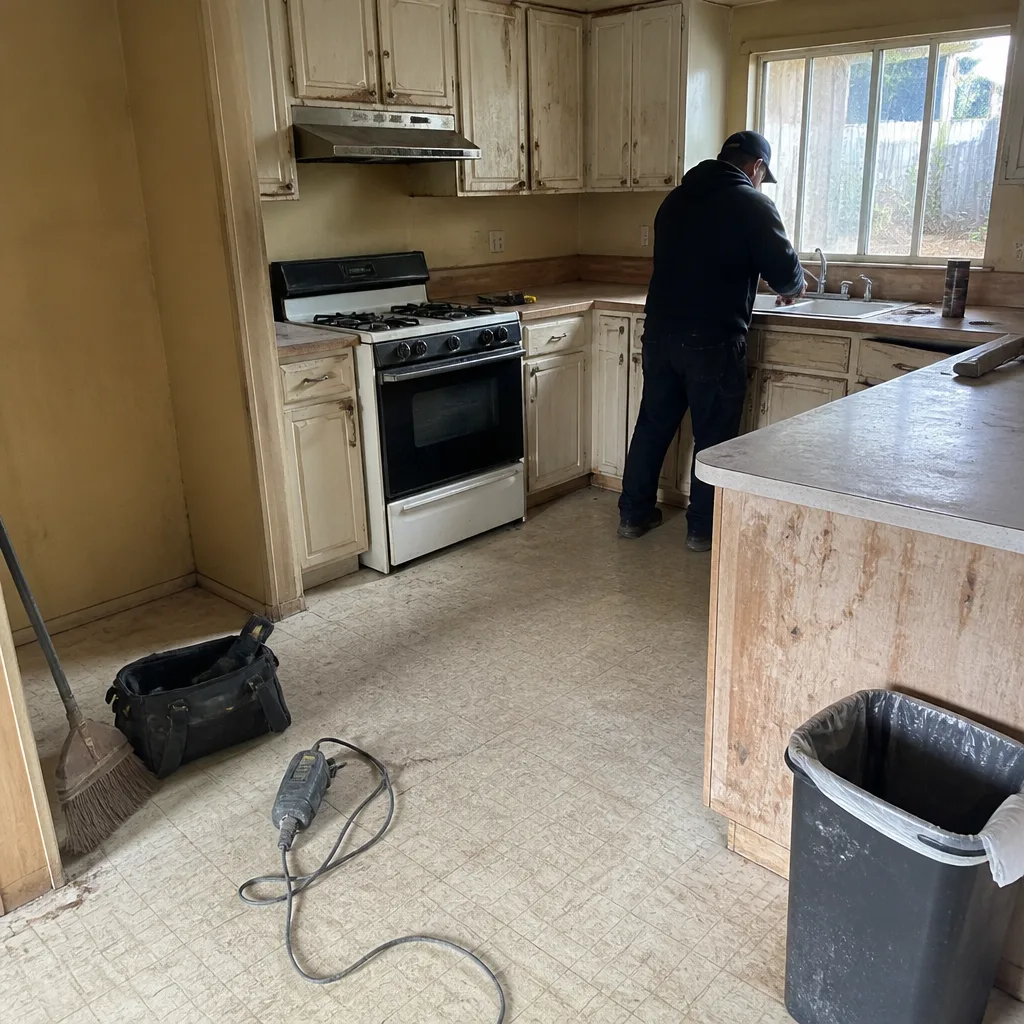 Before
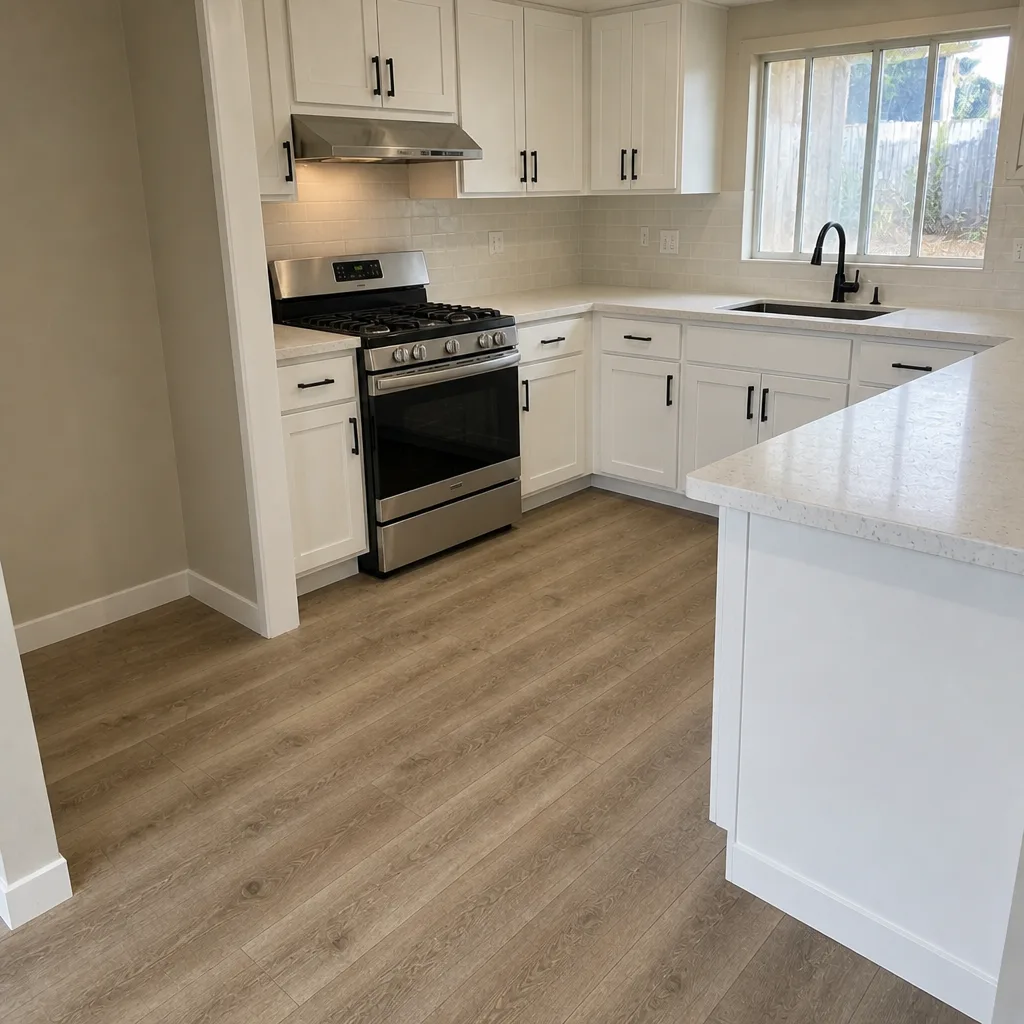 After
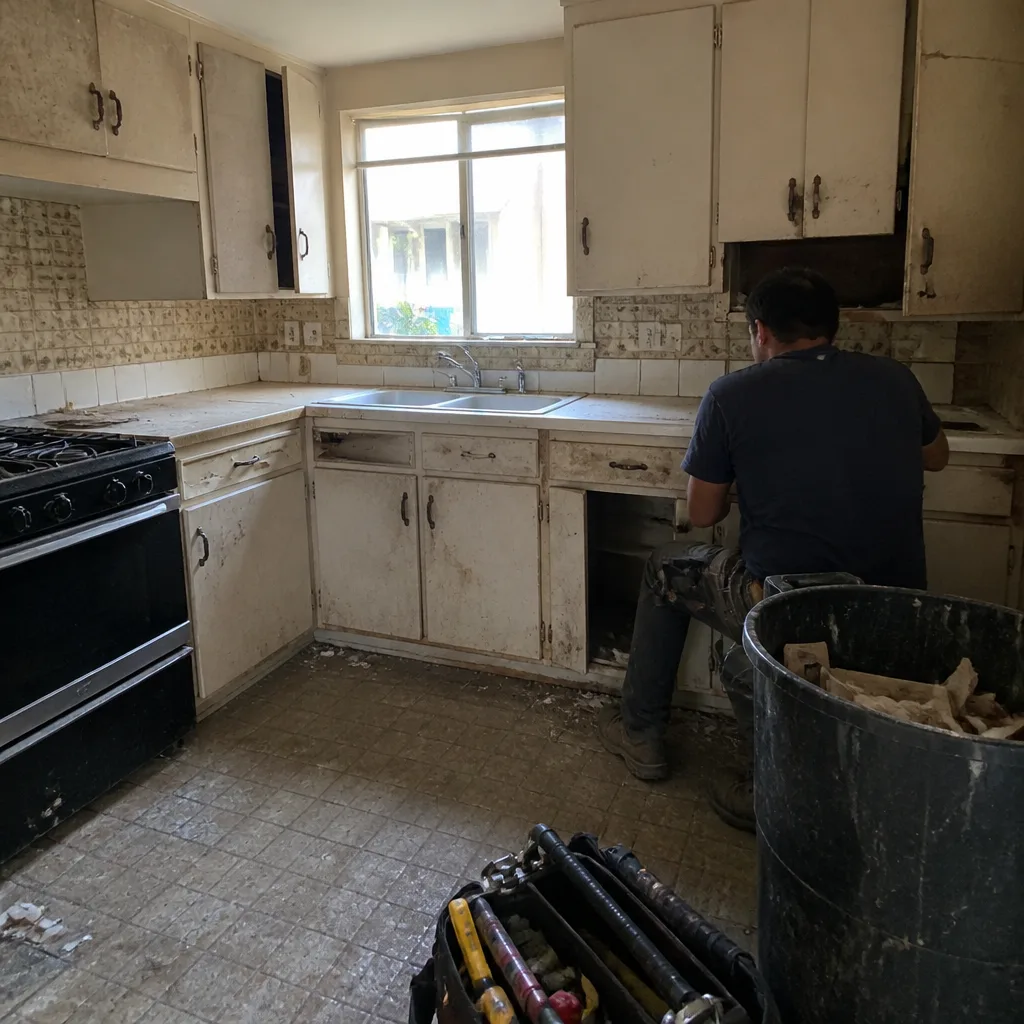 Before
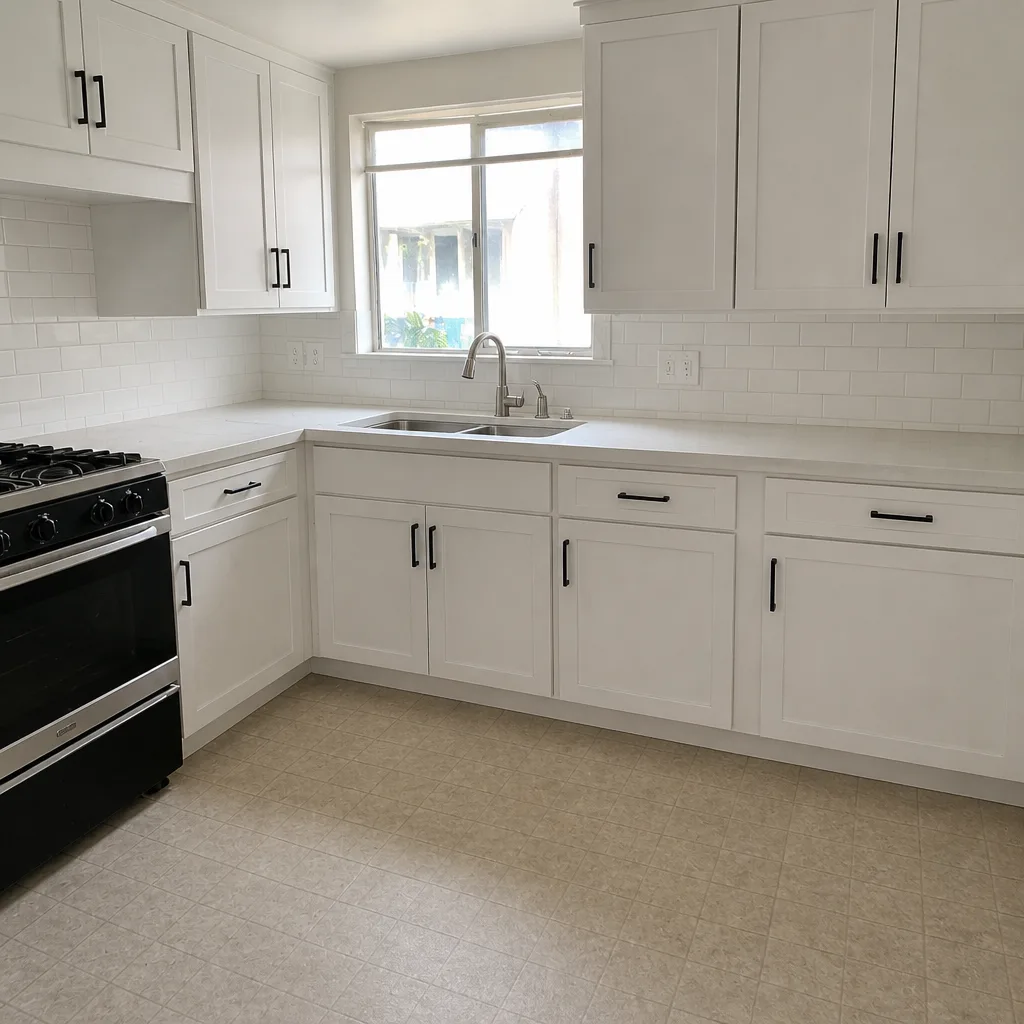 After
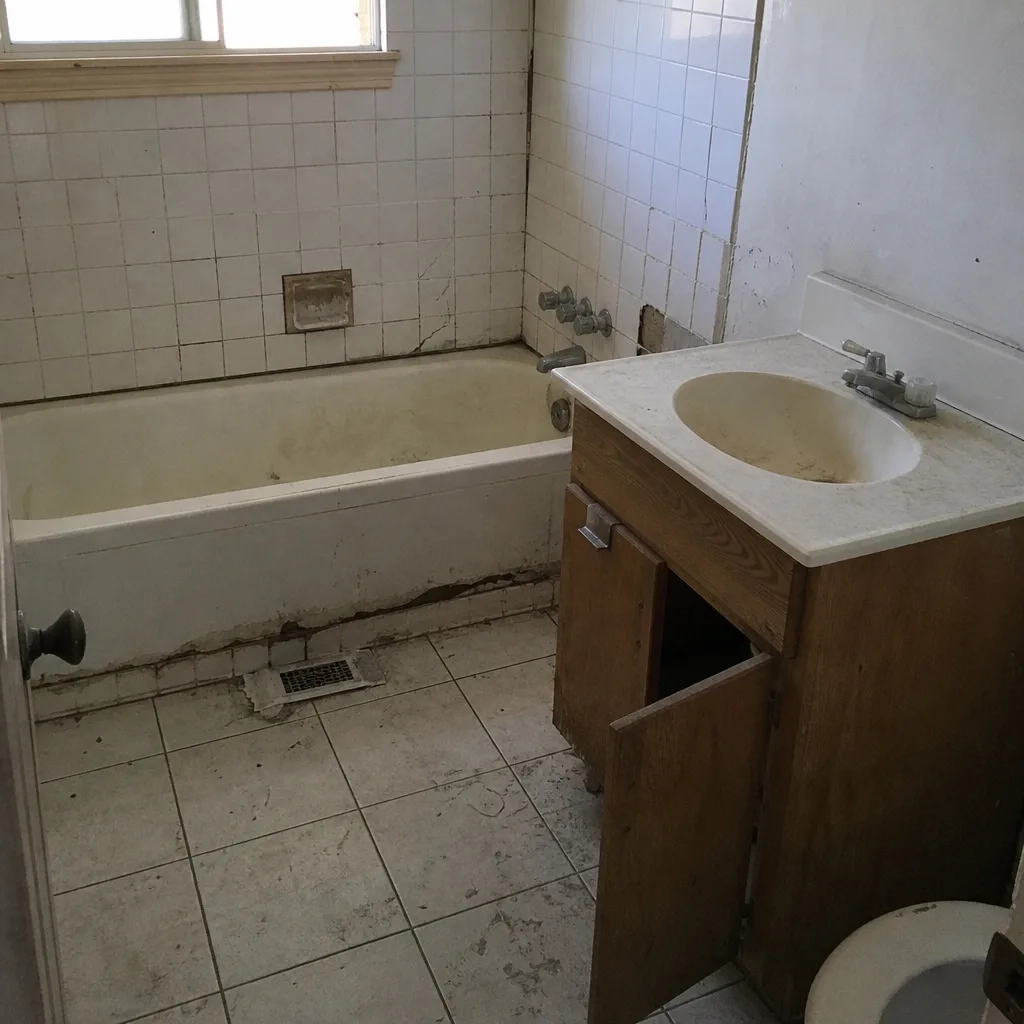 Before
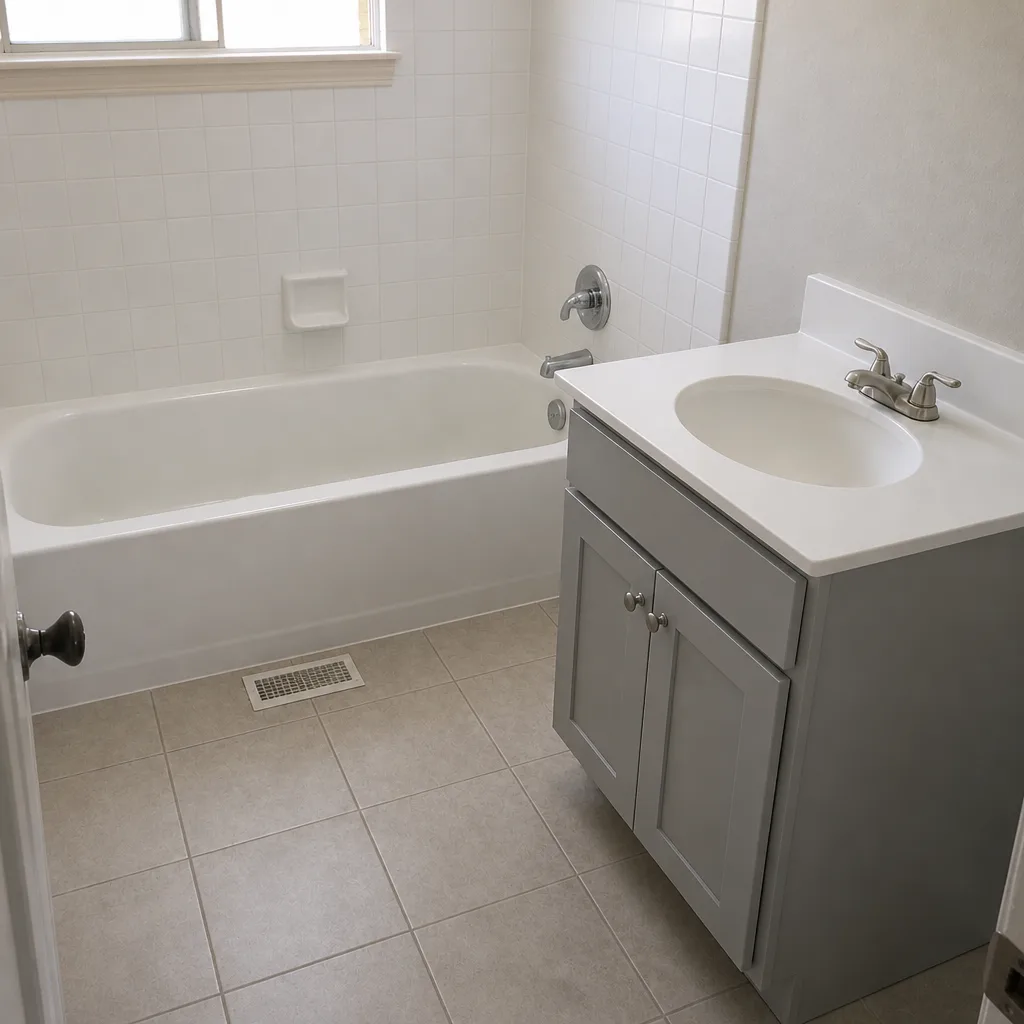 After
When to Call a Professional
Call a professional the moment a project touches a panel, a gas line, load-bearing framing, wet-area waterproofing, or any scope that requires a permit with drawings. Call when the homeowner policy excludes owner-built work. Call when you’re selling within the next few years and can’t afford a disclosure problem. Call when the project has to be finished on a schedule because you live in the space. And call when a Concord project combines a finish scope with rough work, because that’s the combination that fails most often and costs the most to unwind. Bradford Remodeling Co Concord offers free estimates in Concord – call (866) 476-6447. Every estimate includes a written price before any work starts, and every completed project carries our 365-Day Done Right Promise: if the work fails inside that year, we come back and make it right at no charge.
Frequently Asked Questions
Yes. California’s owner-builder exemption under B&P Code §7044 lets you pull permits in your own name on a home you occupy. The catch is that you also take on all liability for code compliance, worker safety, and the structural outcome of the job, and your insurer may exclude coverage for owner-built work.
No, DIY doesn’t avoid permit fees. You pay the same fees whether you pull the permit or a contractor does; the difference is who carries the liability for the inspection outcome. Get the current fee schedule from the Concord building department for your specific scope. For a professional bid with permits and inspections included, call (866) 476-6447 and ask for a written estimate.
Unpermitted owner-built work can. California sellers must disclose known material facts, including unpermitted work, and many lenders won’t finance a home with recent unpermitted structural, electrical, or plumbing work. That narrows the buyer pool and can force a costly retrofit. Permitted, inspected professional work carries a clean paper trail that answers the question before a buyer asks.
You can, but the visible tile is the easy part. The substrate – the waterproofing and backer board underneath – is what determines whether the shower lasts fifteen years or rots the wall in two. Backsplashes are low-risk DIY; wet areas are where we see the most expensive redo work.
Sometimes it’s cheaper on paper to coordinate subs yourself, and usually not once you count the time, the scheduling collisions, and the liability. A general contractor pulls permits under their own license, carries insurance on the trades, sequences the work, and stands behind the outcome. Compare that against a written bid, not an hourly rate.
Our 365-Day Done Right Promise is a written guarantee on every completed project. If the work fails inside the one-year window, we come back and correct it at no charge – that’s the whole guarantee, stated plainly. For a Concord kitchen or whole-home project, ask for the written guarantee terms at the estimate. Call (866) 476-6447 for a free estimate and a written price before any work starts.
The Bottom Line
The DIY versus hire decision in Concord comes down to three things: permit exposure, insurance liability, and what a half-finished project costs you in resale and livability. Finish work – paint, trim, basic landscaping – is fair game for a capable homeowner. Anything that touches a panel, a gas line, load-bearing framing, or a permitted rough-in is a professional’s job, and the honest math usually confirms it once tool rental, time, and the correction pass are counted. A written bid against an honest DIY number is the comparison worth making. Then decide.
Written by the team at Bradford Remodeling Co Concord.
Ready to compare a written professional bid against your DIY plan? Bradford Remodeling Co Concord provides free estimates on kitchens, whole-home remodels, and general contracting work across Concord. Every estimate comes with a written price before any work starts, and every completed project is covered by the 365-Day Done Right Promise. Call (866) 476-6447 to schedule your free estimate – a live person answers, day or night.