Last updated November 18, 2026


Free written scope consultation - allowances, timeline, and change-order rules on paper before a single trade is scheduled
DIY vs Professional General Contractor: What’s Safe to Do Yourself
Here’s the part most DIY guides leave out: in California, you can legally pull your own permits and act as your own general contractor on your own home. That’s a real right, and it’s not a loophole. But the same law that lets you do it also follows the work after you sell. Unpermitted or owner-built work that surfaces during a buyer’s inspection can force mandatory disclosure, stall a sale, and hand the buyer a renegotiation lever at close of escrow. This guide is about the honest dividing line – which parts of a remodel you can safely and legally do yourself in Concord, which parts will cost you far more than you save, and how to tell the difference before you swing a hammer.
Quick Answer
In California, a homeowner can pull permits as an owner-builder and legally handle cosmetic and non-structural work themselves – painting, tile, finish carpentry, landscaping, and swapping fixtures on existing circuits. Electrical panel work, load-bearing wall changes, gas line modifications, and anything that touches structural framing require a licensed contractor because the consequence of failure is injury, fire, or a condemned inspection. The safest rule: if a mistake could hurt someone or void your insurance, it’s not DIY territory.
Styles & brands we work with
- Kitchen remodeling
- Bathroom remodeling
- Home additions & ADU
- Roofing
- Windows & doors
- Driveway & pavers
- Fence
Table of Contents
- What California’s Owner-Builder Rules Actually Allow
- The Resale Disclosure Trap Nobody Warns You About
- Work That’s Genuinely Safe and Cost-Effective to DIY
- The Trade Lines Where DIY Creates Uninsurable Risk
- Being Your Own GC vs. Doing the Physical Work
- The Hidden Cost of DIY Mistakes in Permitted Work
- A Decision Framework: Permit, Skill, Consequence
- Common Mistakes to Avoid
What California’s Owner-Builder Rules Actually Allow
California lets a homeowner apply for permits on their own primary residence without holding a contractor license. That’s the owner-builder exemption, and it’s real. What it does not do is exempt the work from code, from inspection, or from liability. When you pull an owner-builder permit in Concord, you sign a declaration that you intend to occupy the home and that you understand the work must meet current building code.
Here’s what the exemption covers and what it doesn’t:
- You can self-permit: non-structural interior remodels, cosmetic kitchen and bath refreshes that don’t move plumbing or electrical, fences, decks under a certain height, and finish work.
- You cannot self-permit: work on a property you don’t occupy, work on a rental or commercial building, or work that a licensed trade is legally required to perform (electrical service changes, gas piping in some jurisdictions, structural alterations that require engineering).
- You own the liability: if a later owner is injured by your work, or an inspector finds it non-compliant, the paper trail points at you, not a licensed contractor with insurance behind them.
Contra Costa County and the City of Concord both run their own permit desks and inspection schedules, and turnaround times vary by season. In our experience, a straightforward owner-builder permit for a bathroom or finish project in Concord moves faster than most people expect – but the inspection is where owner-built work earns its reputation. Miss a step and you’re starting the correction clock, not the project clock. When you’re ready for the heavier work, our general contractor in Concord team handles the permit and inspection side from the first application forward.
The Resale Disclosure Trap Nobody Warns You About
The owner-builder exemption feels like permission. It’s really a loan against your future sale, and the interest rate is whatever your buyer’s inspector decides it is.
California’s transfer disclosure laws require sellers to disclose known material defects and any work done without permits. If you built a finished basement, converted a garage, or added a bathroom as your own contractor and didn’t permit it, you either disclose it (and watch the buyer negotiate the price down or walk) or you don’t (and open yourself to liability after close). Lenders also care. An unpermitted addition can kill a VA or FHA loan outright because the appraisal can’t confirm the square footage is legal.
Owner-built work that was permitted and passed inspection is a different story. It’s disclosed as permitted, and it usually doesn’t cost you a dollar at closing. That’s the distinction most DIY guides skip: the problem isn’t doing it yourself, it’s doing it yourself without a paper trail. If Concord is where you’re selling, buyers and agents here have learned to ask for the permit history on any remodel, and a clean record is worth more than the labor you saved.
Work That’s Genuinely Safe and Cost-Effective to DIY
Plenty of remodeling work is safe to do yourself and doesn’t need a permit at all. This is where DIY earns its keep – finish work, refresh work, and anything reversible. If you can undo it in an afternoon without opening a wall, it’s usually fair game.
- Interior painting – walls, trim, ceilings. Prep is 80% of the job; buy good tape and don’t rush the dry time.
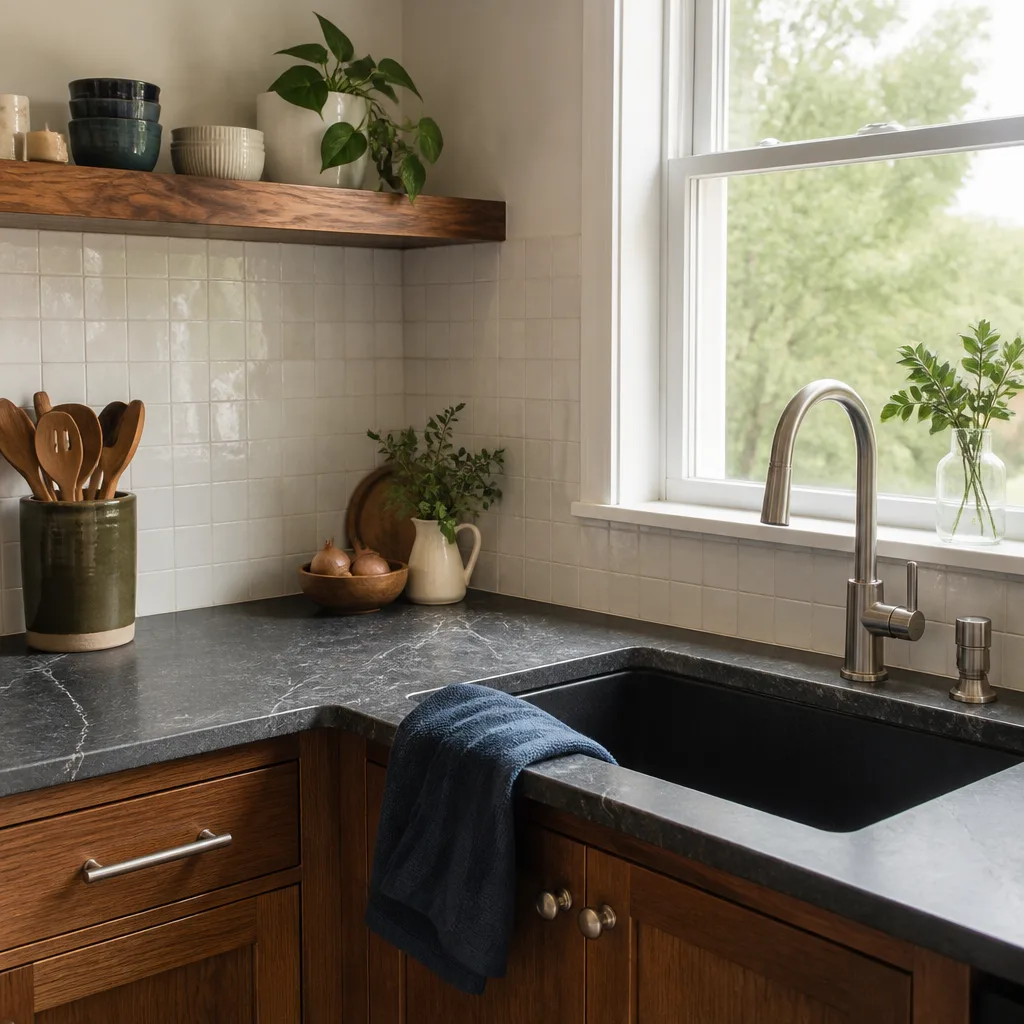
- Tile backsplash – non-structural, no permit, and a great starter project. A bad tile job is ugly, not dangerous.
- Swapping light fixtures and outlet covers – on existing, properly sized circuits. Anything that means opening the panel is a different category (see below).
- Finish carpentry – baseboards, crown, door trim, shelving. Real skill involved, zero permit risk.
- Landscaping and hardscape refresh – planting, mulch, edging, small paver paths. Retaining walls over a certain height are the exception.
- Cabinet hardware, faucet swaps, and fixture replacement – on existing plumbing with shutoff valves that aren’t seized. If the shutoff won’t close, stop and call a plumber.
- Fence repair and gate hardware – like-for-like replacement with brands such as Barrette or Master Halco, keeping the same footprint.
In Concord, we see a lot of this work go sideways for one boring reason: the homeowner picks the hottest weekend of the summer for an exterior project. Concord’s inland heat is unforgiving, and paint, caulk, and adhesive all have temperature windows. Read the tub. That’s the whole trick.
The Trade Lines Where DIY Creates Uninsurable Risk
This is the section to read twice. Some work isn’t just hard to do yourself – it creates risk that your homeowner’s insurance may not cover and that no inspection will bless if you get it wrong. A licensed contractor carries insurance for a reason, and that reason is that these failures hurt people.
Electrical panel and service work
Opening a service panel is one of the most dangerous things a homeowner can attempt. The main breaker doesn’t de-energize the feed coming into the house. A single mistake with a service panel can arc, start a fire inside the wall, or kill you before you register the shock. California requires licensed electrical work for panel replacements, service upgrades, and most new circuits. Don’t do this yourself.
Load-bearing wall changes
Taking out a wall between the kitchen and living room is the dream. If that wall carries load, the fix isn’t “just add a beam” – it’s an engineering calculation, a header specification, and a permit with a structural inspection. Cut a load-bearing wall without a plan and you can crack a slab, sag the second floor, or fail the inspection with the wall already open. This is licensed-contractor territory without exception.
Gas line modifications
Any change to gas piping – moving a range, adding a line for an outdoor grill, rerouting a dryer – requires a licensed plumber or gas fitter in most California jurisdictions and a pressure test that has to pass. A gas leak is not a slow problem. It’s an explosion waiting for a spark. Don’t touch the black pipe or the yellow flex.
Structural framing and foundations
New footings, foundation repairs, and framing modifications need engineering and inspection. Water intrusion from a bad footing shows up two winters later and costs five figures to correct. Concord’s clay-heavy soils make drainage and foundation work a specialty, not a weekend project.
When any of these land on your list, the work is a job for the trades – and we connect homeowners with licensed, insured local pros who hold the permits and carry the coverage. That’s the whole point of the word “licensed”: it means someone else is accountable if the work fails.
Being Your Own GC vs. Doing the Physical Work
Here’s the distinction that unlocks this entire conversation: you can manage a remodel without swinging a hammer. Plenty of homeowners run their own projects by hiring licensed subs directly and supervising the schedule – and that’s a legitimate path that’s completely different from doing the trades yourself.
As an owner-builder, you can pull the permit and hire a licensed electrician, a licensed plumber, and a framing crew as your subcontractors. They pull their own trade permits under yours and they carry their own insurance. You handle scheduling, the punch list, the inspection calendar, and the money. The subs do the dangerous work.
That’s a real option. It also has real costs:
- Your time becomes the schedule. If you’re not on site managing the sequencing, trades arrive out of order and the project stalls. A framing crew that shows up before the rough-in plumbing is done sits in the driveway burning money.
- You own the coordination risk. When the electrician’s inspection fails, you pay the reinspection fee and you hold the bag on the delay. No general contractor absorbs that for you.
- Your subs may not prioritize you. A crew balances a homeowner-managed job against a contractor’s ongoing work, and the contractor usually wins.
- You become the general condition. Site cleanup, dumpster pulls, material deliveries, and the punch list all land on you.
The alternative is hiring a general contractor who owns that coordination. Our Bradford Remodeling Co Concord home page lays out how we run a project from signed written price through final inspection – no change orders at the door, no surprise invoices. It’s a different trade-off, and it’s worth pricing both ways before you decide.
The Hidden Cost of DIY Mistakes in Permitted Work
The labor you save on a DIY permit job is real. So is the cost of failing inspection. Here’s where DIY projects on permitted work tend to run over budget, and it’s rarely the material cost.
- Reinspection fees. Contra Costa jurisdictions charge for each failed inspection, and a failed rough-in can trigger multiple reinspections before it passes. A single missed nail plate on a stud can cost more in reinspection than the plate costs.
- Corrective work. Correction is almost always more expensive than doing it right the first time, because you’ve already closed the wall or finished the tile. Demo, drywall repair, re-tile, re-paint – the whole project re-runs on a compressed timeline.
- Schedule delays. An inspection that fails on a Friday pushes the next trade to the following week. If you’ve got cabinets or tile sitting on a delivery date, a two-week slip means a change fee or a storage fee you didn’t budget.
- Value loss at resale. As noted in the disclosure section, unpermitted work can cost you money at closing. That’s the cost nobody calculates on the DIY side.
In our experience running projects across Concord, the projects that go smoothly are almost never the cheapest bids – they’re the jobs with a documented scope and a clear inspection plan from day one. A written price before work starts isn’t a formality. It’s the thing that keeps the job from drifting into surprises.
A Decision Framework: Permit, Skill, Consequence
Use this three-question test on any project on your list. If you can’t answer all three honestly, the project goes to a pro.
- Does it require a permit? Check the City of Concord’s permit portal or call the building department before you buy a single material. If it needs a permit, the next two questions get stricter, not looser. Unpermitted permitted-work is the worst of both worlds – you carry the liability and the inspection will still find it.
- Is the skill ceiling above your practice curve? Be honest about which projects you’ve actually done. Tile is forgiving. Framing a new opening is not. Gas piping isn’t. If you’ve never done the trade, the first time you do it shouldn’t be inside your own load-bearing wall.
- What’s the consequence of failure? Rank it. A crooked backsplash looks bad. A failed gas fitting can kill someone. A bad panel can burn the house down and won’t be covered by insurance if the work was unlicensed. Consequence of failure is the single most important filter, and it’s the one DIY guides skip.
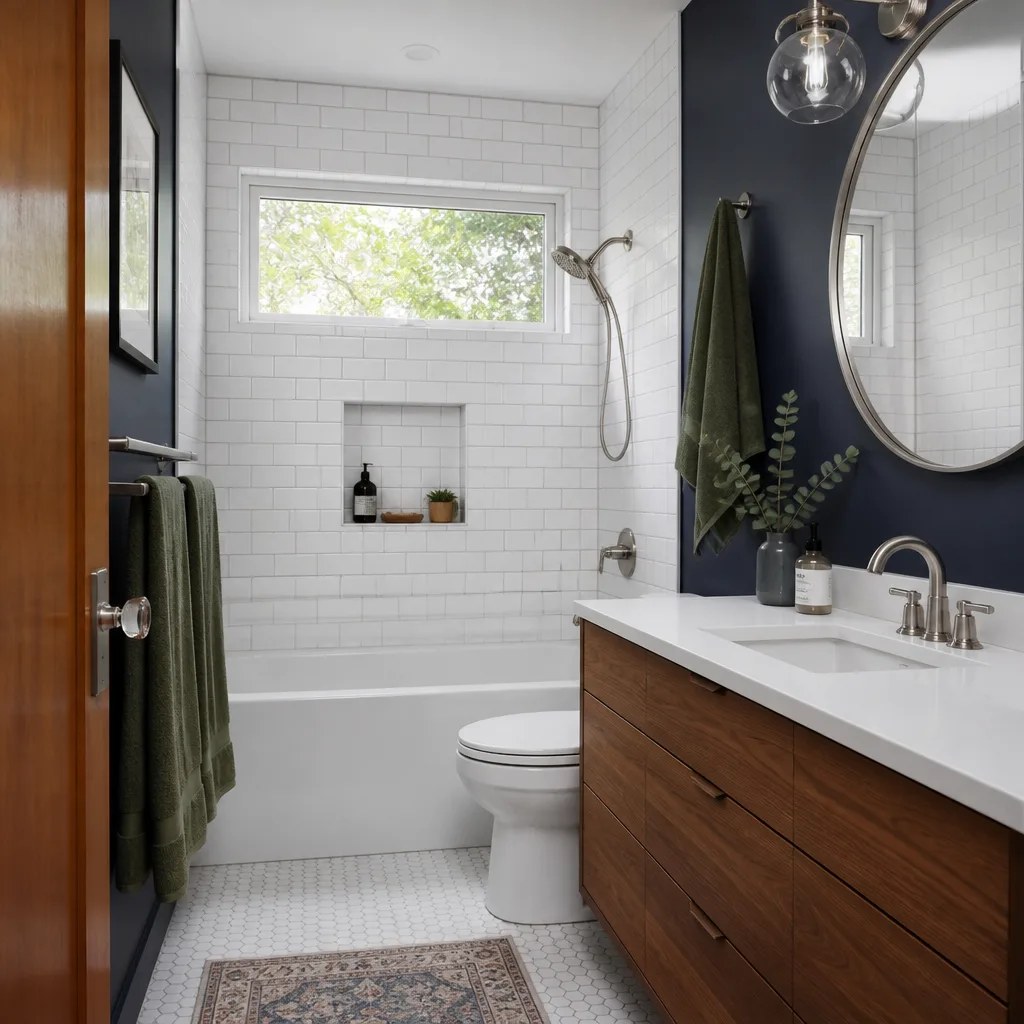
Score each project against those three. Anything where a permit is required and the consequence of failure is safety-grade goes to a licensed pro. Anything cosmetic and reversible goes on your weekend list. The gray zone – projects where the permit is borderline and the consequence is money, not safety – is where you make a judgment call and price the alternatives both ways. Our kitchen remodeling in Concord and bathroom remodeling in Concord pages are a useful sanity check on what professional scope actually looks like on the two rooms where DIY savings are most tempting.
Common Mistakes to Avoid
- Starting before you pull the permit. In Concord, inspectors can require you to open finished work to verify what’s behind it. That turn usually costs more in demo than the permit ever would have.
- Assuming “owner-builder” means “no rules.” The exemption doesn’t waive code, inspection, or disclosure requirements. It just means you’re the one on the hook.
- Cutting a load-bearing wall without an engineer. We’ve seen this shortcut turn a five-figure remodel into a six-figure structural correction when a slab cracks.
- Touching the electrical panel or gas line. Both are safety-grade work with injury consequences. There’s no version of this that’s a smart DIY project.
- Buying materials before you have a written scope. Material surprises are the second-most-common reason DIY budgets run long, behind inspection corrections.
- Ignoring Concord’s summer heat and clay soils. Exterior projects scheduled for July afternoons and footing work without proper drainage are the two repeat offenders we see in this area.
- Thinking you can act as your own GC and do the trades at the same time. Managing a project is a full-time coordination job. Doing the trade work yourself while managing the schedule usually means neither gets done well.
See the difference
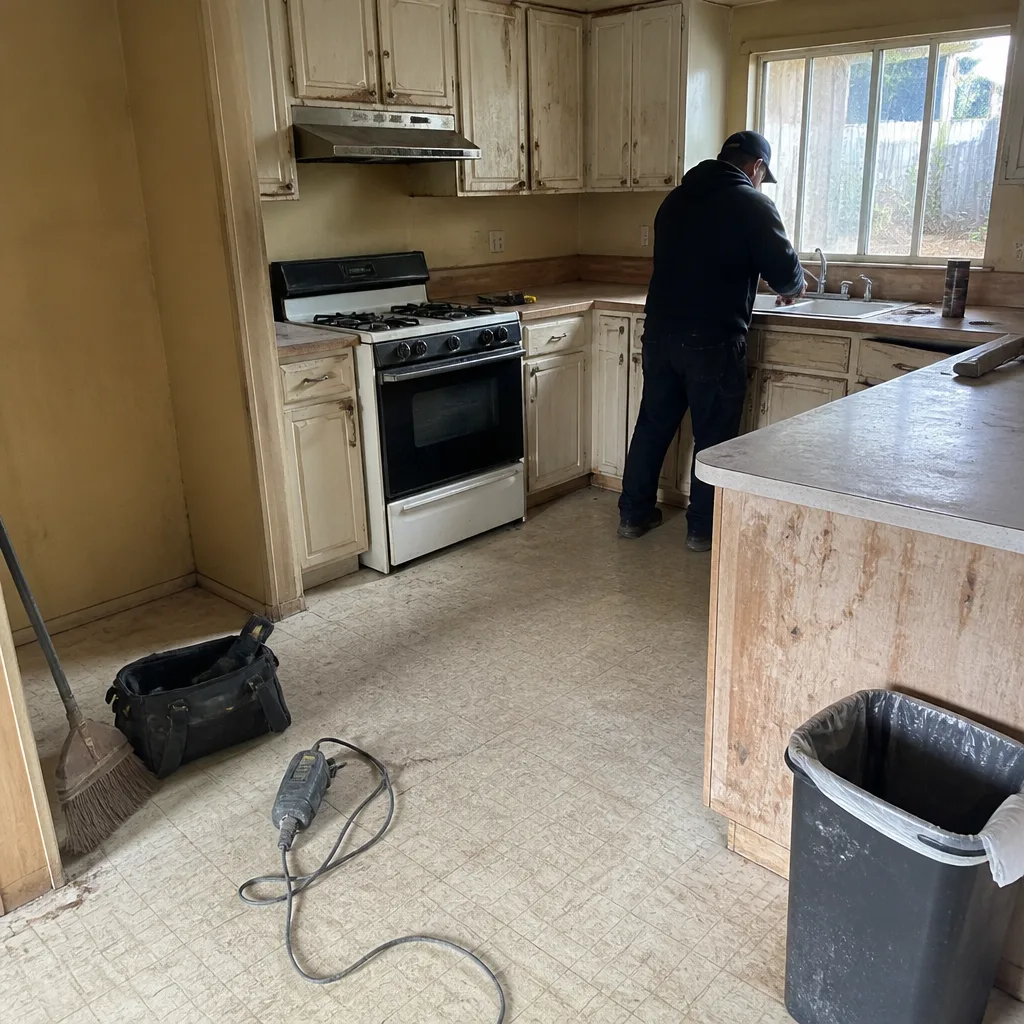 Before
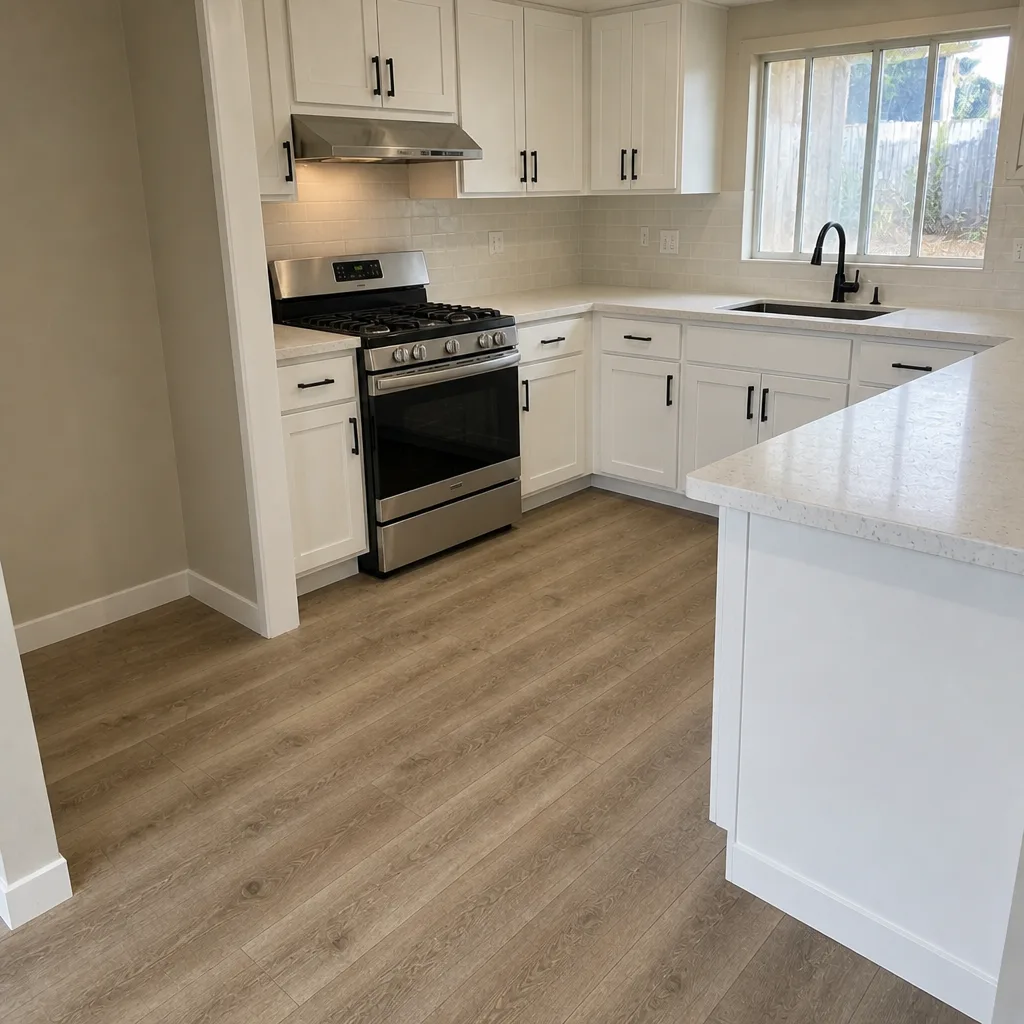 After
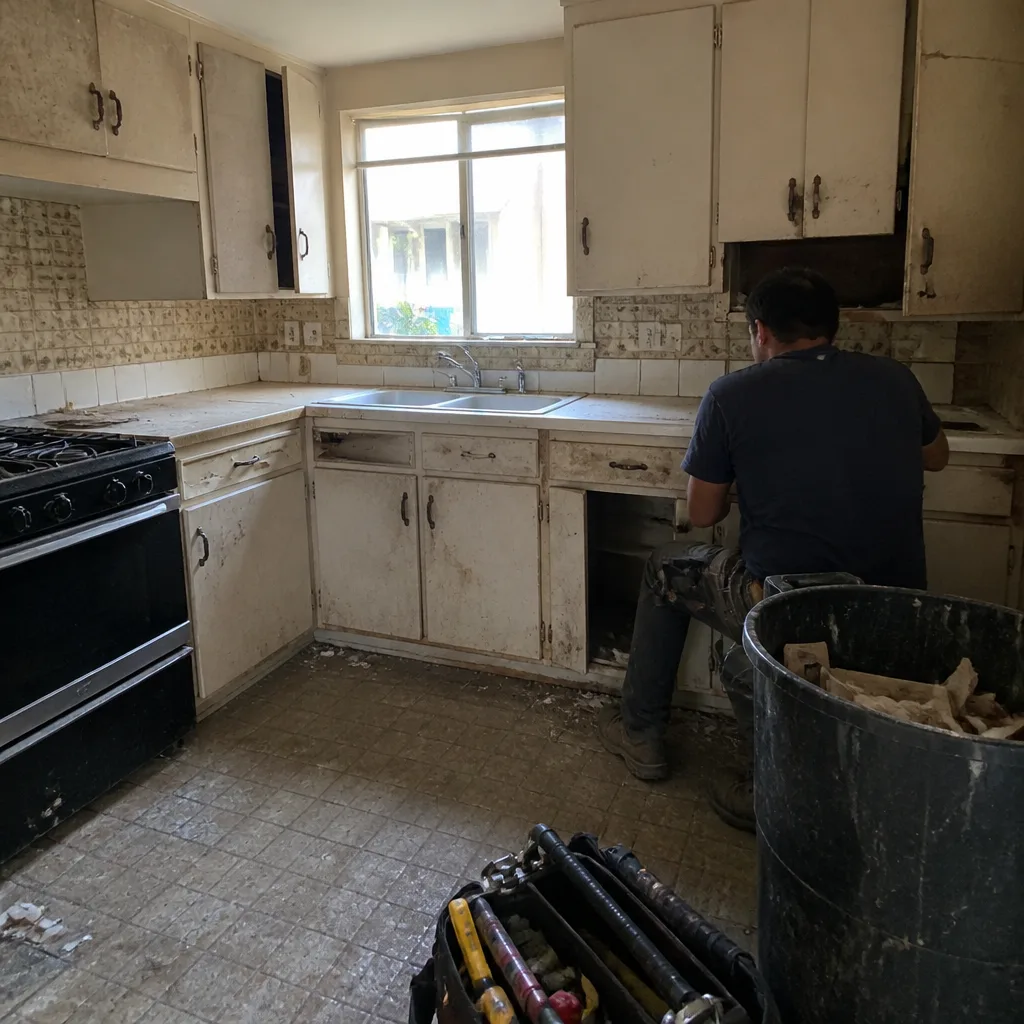 Before
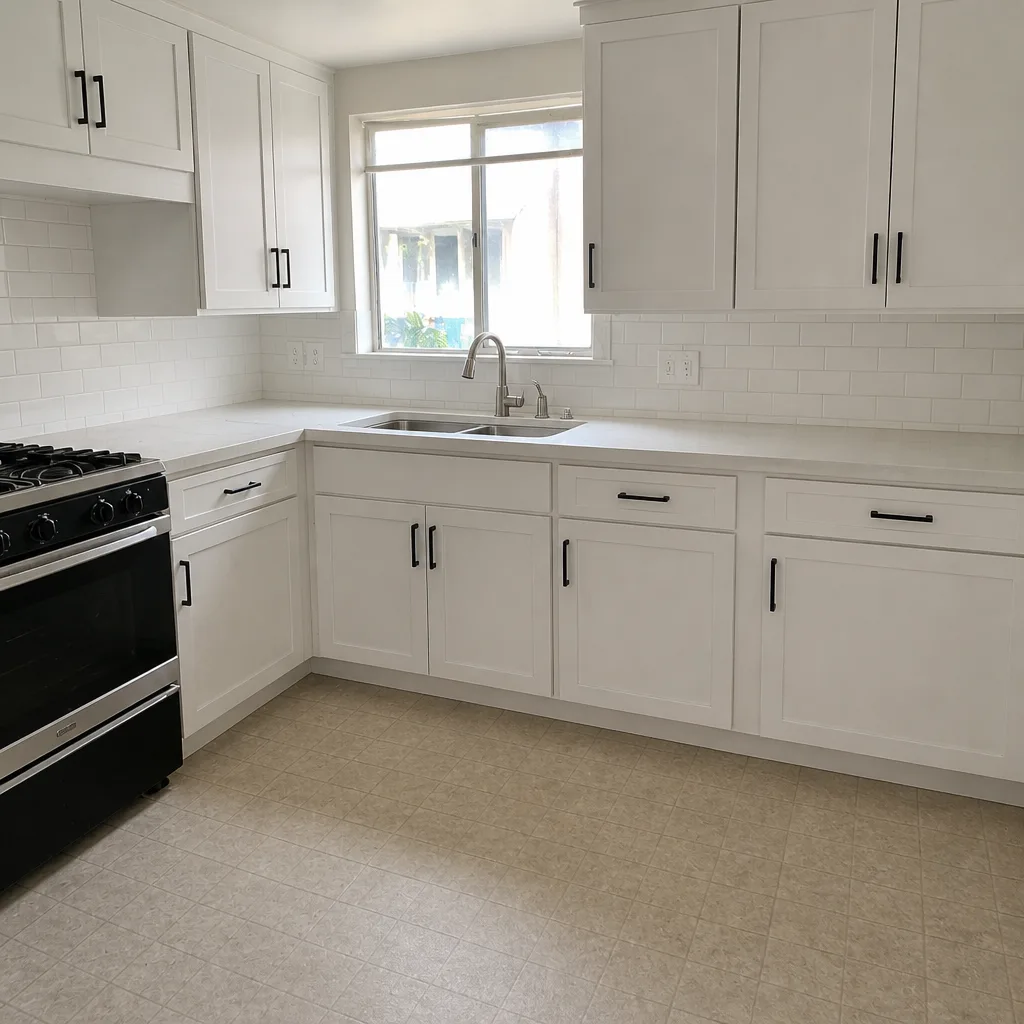 After
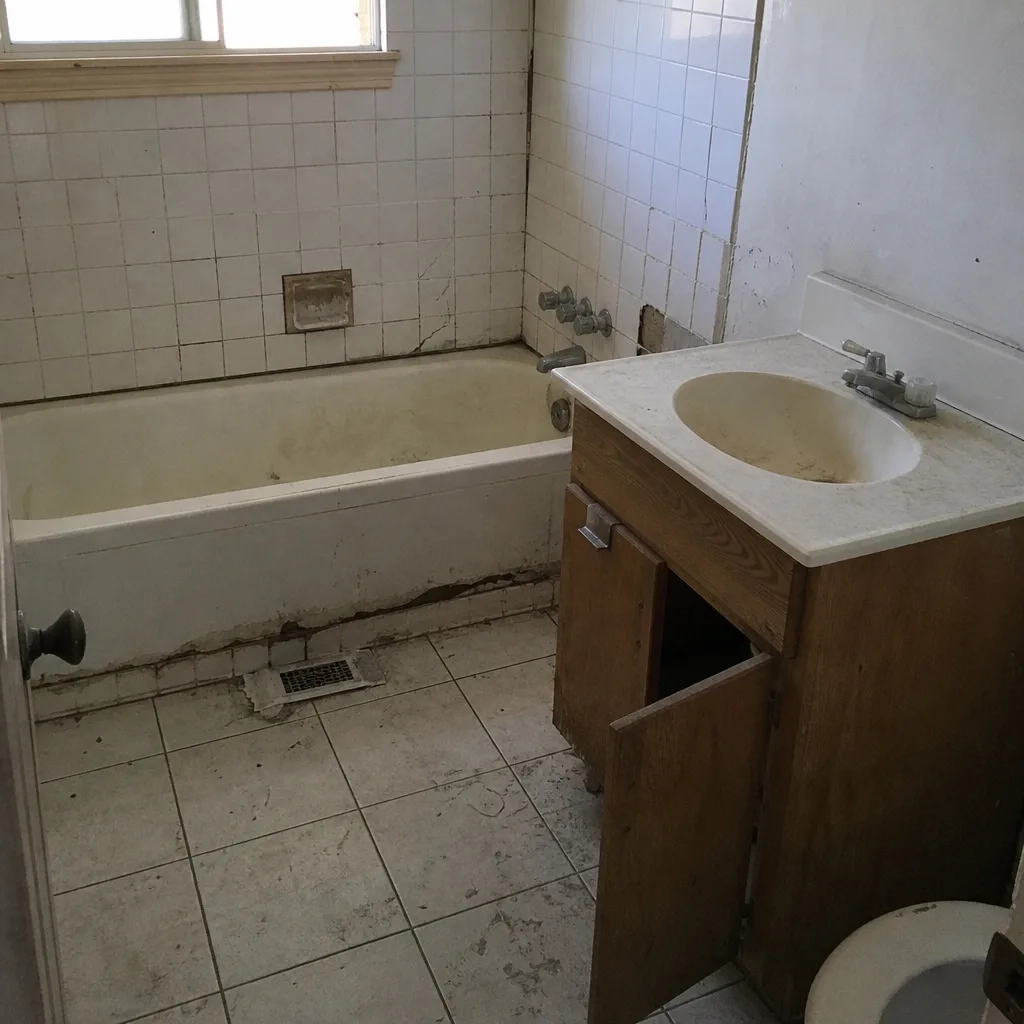 Before
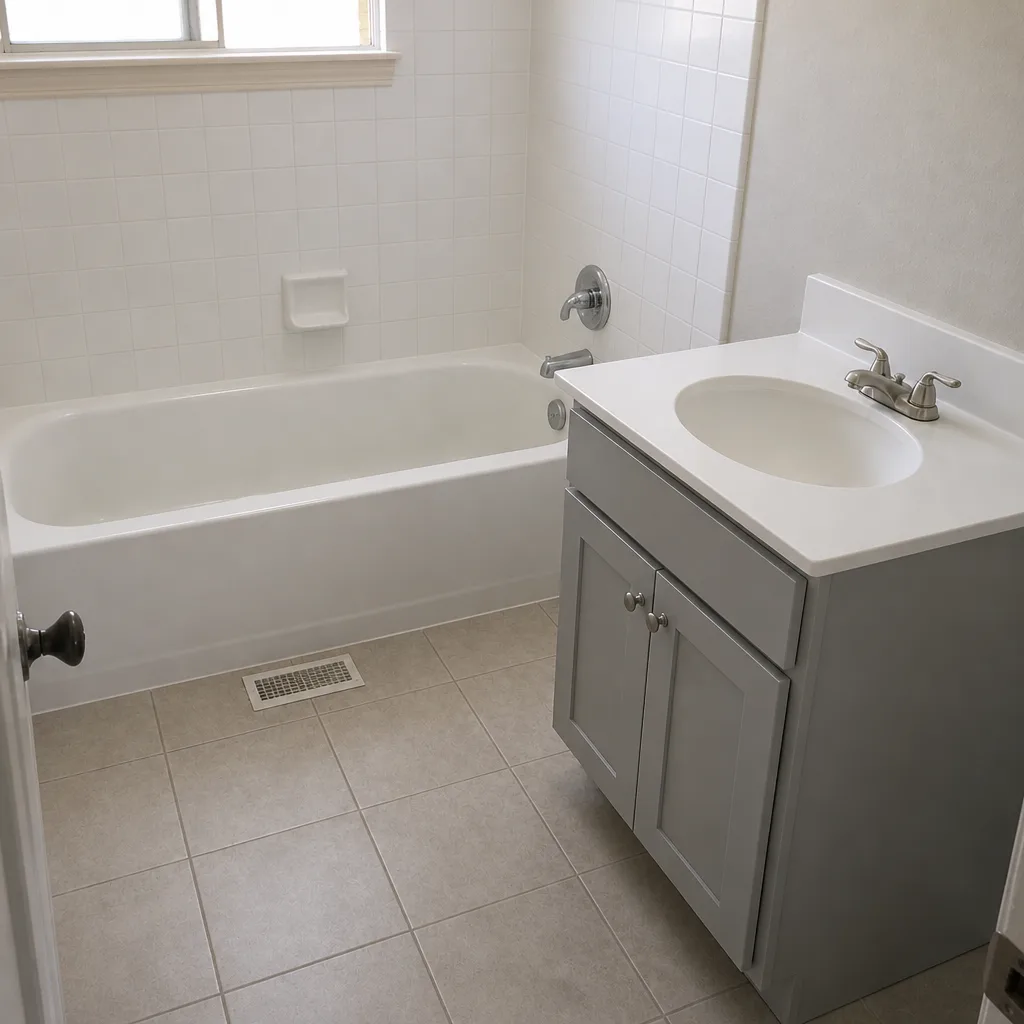 After
When to Call a Professional
Call a professional when the work requires a permit and the failure consequence is safety-grade – electrical service, gas, structural, foundation. Call when you need the work inspected and you don’t have the trade experience to pass the first time. Call when you’re selling within a few years and you need a clean permit history. And call when you’ve decided to act as your own GC but the schedule math is telling you the coordination is a second job you don’t have time for.
Bradford Remodeling Co Concord offers free estimates in Concord – a written price before any work starts, no numbers that move at the door. If you’ve been burned before, that matters. Call (866) 476-6447 and a live person picks up, 24 hours a day.
Frequently Asked Questions
Yes. California’s owner-builder exemption lets a homeowner pull permits on their own primary residence without a contractor license, provided they intend to occupy the home and the work meets current code and passes inspection. The exemption doesn’t waive inspection, doesn’t cover rentals or commercial property, and doesn’t shift liability off you. Call (866) 476-6447 if you want a written scope priced out before you decide which way to go.
Electrical service panel work, gas line modifications, load-bearing structural changes, and foundation work all require licensed trades in Concord and most of Contra Costa County. The City of Concord’s building department handles permits and inspections for both owner-builder and contractor-pulled work. Anything with a safety-grade consequence of failure belongs with a licensed pro.
Yes, and it can hurt significantly. California transfer disclosure laws require sellers to disclose known material defects and unpermitted work, and buyers in Concord often ask for permit history on any remodel. Lenders may refuse VA or FHA financing on unpermitted additions because the appraisal can’t confirm legal square footage. A clean permit record is usually worth more than the labor a homeowner saved.
Yes, and that’s a legitimate path. As an owner-builder you can pull the permit and hire licensed electricians, plumbers, and framing crews as subcontractors who carry their own insurance and trade permits. You take on scheduling, coordination, punch list, and inspection management – which is a real job, typically not compatible with also doing the trade work yourself. Call (866) 476-6447 for a free comparison estimate on the professional route.
It shouldn’t, and with Bradford it doesn’t. Every Bradford Remodeling Co Concord project gets a written price before any work starts – no numbers that move at the door, no surprise invoices at close. The scope is documented, the price is fixed, and every completed project is backed by the 365-Day Done Right Promise: if the work fails within a full year, we come back and correct it at no charge. Call (866) 476-6447 for your written estimate.
You pay a reinspection fee and you redo the work, usually after opening finished surfaces. Corrective work after a failed inspection almost always costs more than doing it right the first time, because you’re paying to demo, repair, and re-run the project on a compressed schedule. Call (866) 476-6447 if you want a pro to look at your punch list before you commit.
The Bottom Line

The DIY question isn’t about courage or weekend hours – it’s about permit requirement, skill ceiling, and the consequence of failure. Cosmetic, reversible work with no safety consequence is worth doing yourself, and picking the right brands on hardware or fencing (ViewLux, Barrette, Ameristar on gates) makes those projects last. Electrical panels, gas lines, structural walls, and foundations are not DIY territory, no matter how many videos you watch. The middle – permitted work you can technically self-manage – comes down to whether you can afford the coordination time and the corrective risk. In Concord, the homeowners who come out ahead are the ones who priced both paths before they committed. Call (866) 476-6447 for a free estimate in Concord – written price, 365-Day Done Right Promise, and a live person on the other end.
Written by the team at Bradford Remodeling Co Concord.