Last updated November 18, 2026







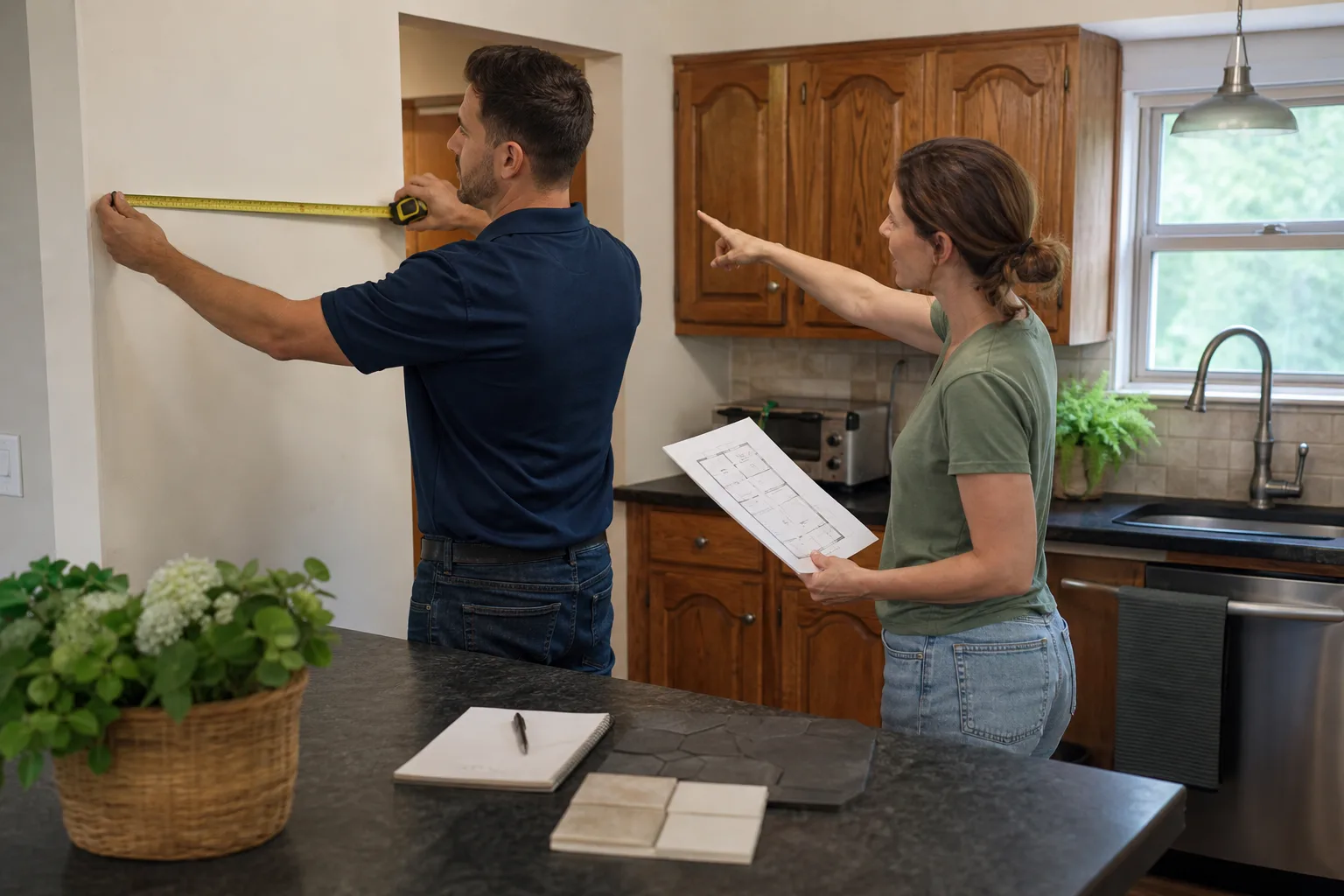
Free written scope consultation - allowances, timeline, and change-order rules on paper before a single trade is scheduled
General Contractor Troubleshooting: Common Problems and How to Fix Them
The CSLB received over 18,000 complaints in a single recent year, and the majority weren’t about bad workmanship – they were about contractors abandoning jobs after taking deposit money. That single fact reshapes how you should troubleshoot a remodeling problem. A leaking shower pan and a contractor who vanishes with your deposit feel like the same disaster, but the fix for one is a phone call and the fix for the other is a formal complaint with the state. This guide separates construction failures from contract failures, maps each to the remedy you actually have, and shows you the paper trail that makes a dispute resolvable before it ever starts. We write this from Concord, where we’ve watched both kinds of trouble play out.
Quick Answer
Most general contractor problems fall into two buckets: defective work (something in the contract was built wrong) and scope gaps (work you assumed was included but never was). Defective work is a warranty and repair issue; scope gaps are a contract issue. The remedy for each is different, which is why the first step in any contractor dispute is reading the signed contract and identifying which category your problem lands in.
Styles & brands we work with
- Kitchen remodeling
- Bathroom remodeling
- Home additions & ADU
- Roofing
- Windows & doors
- Driveway & pavers
- Fence
Table of Contents
- Scope Gap vs. Defective Work: The Distinction That Decides Your Remedy
- The Paper Trail You Need Before Work Starts
- What to Do When a Contractor Abandons the Job
- The CSLB Complaint Process: Timeline and Limits
- Withholding Final Payment: When It’s Protected and When It Backfires
- The Notice of Completion and Why 15 Days Matter
- Permit and Inspection Trouble in Concord
- When to Call a Professional
Scope Gap vs. Defective Work: The Distinction That Decides Your Remedy
Before you call anyone, sort your problem into the right category. This is the single most useful troubleshooting step, and it’s the one most homeowners skip. A scope gap is work that was never written into the contract – the contractor built exactly what was specified, and what’s missing simply wasn’t in the scope. Defective work is the opposite: the work was contracted, and it was done wrong. The remedy for a scope gap is a change order and additional payment. The remedy for defective work is a warranty repair at no cost to you.
Here’s how to tell them apart:
- Read the line items. If the contract says “install tile shower surround” and the surround is leaking, that’s defective work. If it says “install shower pan” and you expected tile on the walls, that’s a scope gap.
- Check the plans and specifications. In Concord, where older homes near the Todos Santos Plaza area often get partial remodels, the drawings are the tiebreaker. If the drawing shows an outlet and the wall doesn’t have one, the electrician missed scope.
- Look at the allowance schedule. If your contract set a $500 allowance for a faucet and you selected a $900 Kohler fixture, the $400 difference is yours to cover, not a defect.
Calling a scope gap “bad workmanship” wastes weeks and often burns the relationship you need to finish the job. Identifying it correctly means you can negotiate a change order and keep moving. If you’re still uncertain which side of the line a problem sits on, that’s a conversation worth having before you withhold anything. See our general contractor services in Concord page for how a written scope is normally structured.
The Paper Trail You Need Before Work Starts
Every dispute we’ve seen become unresolvable was unresolvable because the paper trail was thin. The good news: the documents below are all things a contractor should provide before the first tool comes out, not after something goes wrong. If you’re missing any of them, ask now.
- A signed written contract with line-item scope, materials by brand and model where it matters, and a payment schedule tied to milestones, not dates.
- A written price that doesn’t move. At Bradford, the price is in writing before any work starts, and change orders only happen when you sign one voluntarily.
- The contractor’s license number and proof of insurance. In California, a licensed contractor should be able to hand you these on request. Verify the license number at the CSLB website before work begins.
- Permit paperwork. Concord requires permits for structural work, electrical, plumbing, and most kitchen and bathroom remodels that involve moving fixtures. The permit should be pulled by the contractor, in the contractor’s name.
- The manufacturer specifications for the products going in.
That last point matters more than it sounds. When a James Hardie siding panel fails on a Concord wall, the manufacturer’s install spec is what separates a warranty claim from a finger-pointing contest. Bradford works from a documented roster of name-brand materials, including kitchen remodeling in Concord packages built around KraftMaid and Wellborn cabinetry – because a material that’s traceable to a written spec is a material that can be defended if it fails.
What to Do When a Contractor Abandons the Job
Abandonment is the most common complaint category at the CSLB, and it’s the one homeowners most often mishandle. The instinct is to fire off an angry text and stop paying. The right move is more methodical.
- Send a written notice of default. Email and certified letter both, stating what’s unfinished and giving a deadline to resume. Ten business days is standard.
- Document the state of the site. Photograph every unfinished area, every materials pile, and the overall cleanliness. If you have to store their materials, note that too.
- Stop additional payment. Once you’ve sent the notice, do not pay another installment until the contractor either resumes work or formally terminates.
- Do not let a replacement contractor touch the site yet. If the original contractor has filed a mechanics lien or is preparing one, your replacement contractor’s work can get tangled. Get a written release from the original contractor first.
- File a CSLB complaint. More on that below.
We’ve seen homeowners in Concord lose months by skipping step one. A written notice of default is what demonstrates you gave the contractor a chance to cure – and that’s what the CSLB and small claims court look for. If you end up needing to bring in a new team mid-project, our bathroom remodeling in Concord guide covers how a mid-project takeover is normally scoped.
The CSLB Complaint Process: Timeline and Limits
The Contractors State License Board is the right place for licensing violations and abandonment. It is not the right place for defective work unless the defect is severe enough to be a licensing issue. Understanding what the CSLB can and cannot do saves you a wasted filing.
What the CSLB can do:
- Investigate a licensed contractor’s conduct, including abandonment and licensing violations.
- Order the contractor to correct work or pay restitution, in some cases.
- Suspend or revoke a license for serious or repeated violations.
What the CSLB cannot do:
- Guarantee you get your money back. Restitution orders exist but collection is not automatic.
- Resolve pure quality disputes that fall below a licensing threshold.
- Move quickly. Investigations can take several months, and complex cases run longer.
The typical path is: file the complaint online with documentation, wait for an intake review (usually weeks), then an investigator’s assignment. Filing is free. Filing without a paper trail is close to useless, which loops back to the section above. For a Concord homeowner dealing with a licensed contractor who simply did the work wrong, the faster remedy is a warranty claim against the contractor directly, followed by small claims court if that fails. The CSLB is the tool for abandonment and licensing violations, not for a hairline crack in a countertop seam.
Withholding Final Payment: When It’s Protected and When It Backfires
Withholding final payment is a legitimate remedy when the contract says so and the work isn’t complete. It becomes dangerous when you withhold after the work is substantially done and the contractor has corrected the punch list. In California, a contractor who isn’t paid can file a mechanics lien against your property – and a lien is a real claim on title that has to be cleared before you sell or refinance.
When withholding is protected:
- The contract ties final payment to specific milestones that haven’t been met.
- The work has a documented defect the contractor has been given written notice to fix and hasn’t.
- You’re holding a written punch list with clear items open.
When withholding backfires:
- The work is substantially complete and you’re holding payment over a $200 cosmetic item without written notice.
- You’ve stopped paying without a written notice of default.
- You’re withholding a retainage amount the contract didn’t authorize.
The safest pattern: pay on milestones, withhold only what a written punch list justifies, and put every withholding decision in writing. Our guide to being a homeowner in Concord through a remodel (see the Bradford Remodeling Co Concord home page for the full scope of what we handle) touches on the same principle – the written price and the written scope are the two documents that keep everything else from becoming a fight.
The Notice of Completion and Why 15 Days Matter
A Notice of Completion is a short document the owner files with the county recorder’s office after work finishes. Filing it within 15 days of completion starts a 15-day clock for any contractor, subcontractor, or supplier to record a mechanics lien. If you don’t file it, the lien window stays open for up to 90 days after the project is complete – and in some cases longer.
Why this matters in practical terms: filing the Notice of Completion shortens the lien exposure on your property from a 90-day window to 15 days. Once that 15-day window closes with no lien recorded, your title is effectively clear from that project’s potential claims. In Concord, where homes often carry a first and second deed of trust and a HELOC, a stale lien can delay a refinance by weeks. The form itself is short – one page – and filing it costs a small recording fee. Do it.
Two conditions to filing it correctly:
- File after substantial completion, including punch-list items that the contractor has returned to fix.
- File with the correct legal description and the recording number of the original permit, if there is one.
If you’re using a contractor who handles this for you, confirm in writing that they will. Many homeowners don’t realize filing the Notice of Completion is the owner’s responsibility, not the contractor’s. It’s one of the small pieces of paperwork that quietly protects a five-figure remodel, and it’s the kind of detail that should be squared away at job close alongside a clean site and a signed written guarantee.
Permit and Inspection Trouble in Concord
Concord has its own permitting rhythm, and it catches homeowners off guard more often than it should. Kitchen and bathroom remodels that move plumbing or electrical, structural changes, and any addition need permits pulled through the city. If the permit was pulled by the contractor but the inspection fails, the contractor is responsible for the correction – but only if the correction is within the contracted scope.
The two most common permit problems we see in Concord:
- An unpermitted addition discovered at sale. A prior owner added a bathroom or converted a garage without pulling permits, and the current buyer finds out during a title search or inspection. The fix is a retroactive permit, which usually means opening walls for inspection and paying a penalty fee.
- An inspection failed and the contractor stopped responding. The permit is open, work is stopped, and the clock is ticking on the permit’s expiration. Here the remedy is a licensed contractor stepping in, pulling a new permit if needed, and passing the correction inspection.
The lesson is straightforward: confirm in writing that the contractor will pull the permit, and confirm that it’s in the contractor’s name. A permit in the homeowner’s name means the homeowner owns the correction, and that’s a burden you don’t want to inherit. A team that is disciplined about permits will confirm this at contract signing, before any work starts.
Common Mistakes to Avoid
- Paying a large deposit before the contract is signed. California caps home improvement deposits at 10% of the contract price or $1,000, whichever is less. If a contractor asks for 30% up front in Concord, that’s a red flag worth questioning in writing before you write a check.
- Not verifying the license. The CSLB website lets you look up any contractor’s license number in about a minute. Do it before work begins – a suspended or expired license is a deal-breaker.
- Confusing a scope gap with a defect. Arguing about a missing outlet as if it were bad workmanship wastes weeks. Read the contract, then categorize.
- Withholding payment without written notice. The fastest way to invite a mechanics lien is to stop paying without documenting why.
- Skipping the Notice of Completion. Leaving the lien window open for 90 days instead of 15 is a small mistake with large consequences at refinance or sale.
- Letting verbal promises stand. “I’ll come back and fix that” means nothing if it isn’t in the contract or a written punch list. Put it in writing or it didn’t happen.
- Choosing on price alone. The lowest bid is often the one that expands into change orders once walls are open. Compare line items, allowances, and what the guarantee actually covers.
See the difference
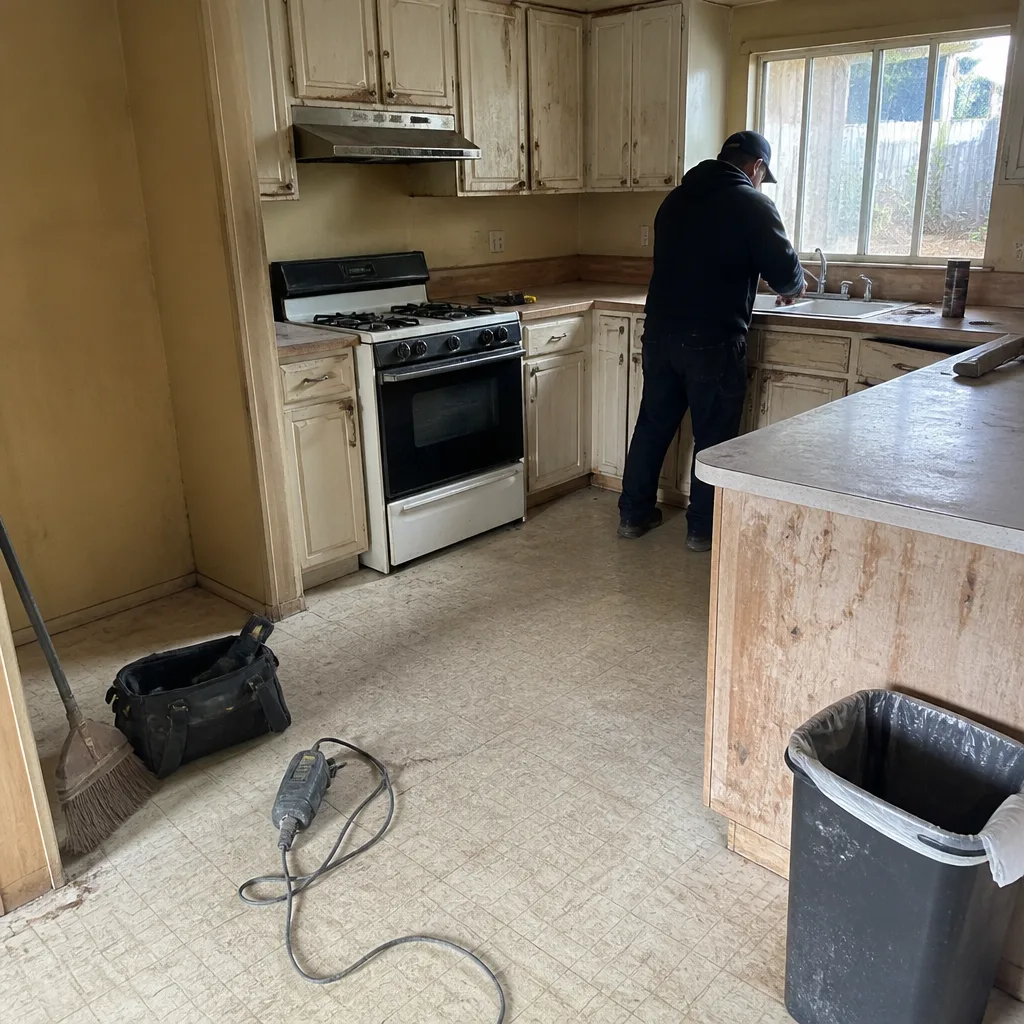 Before
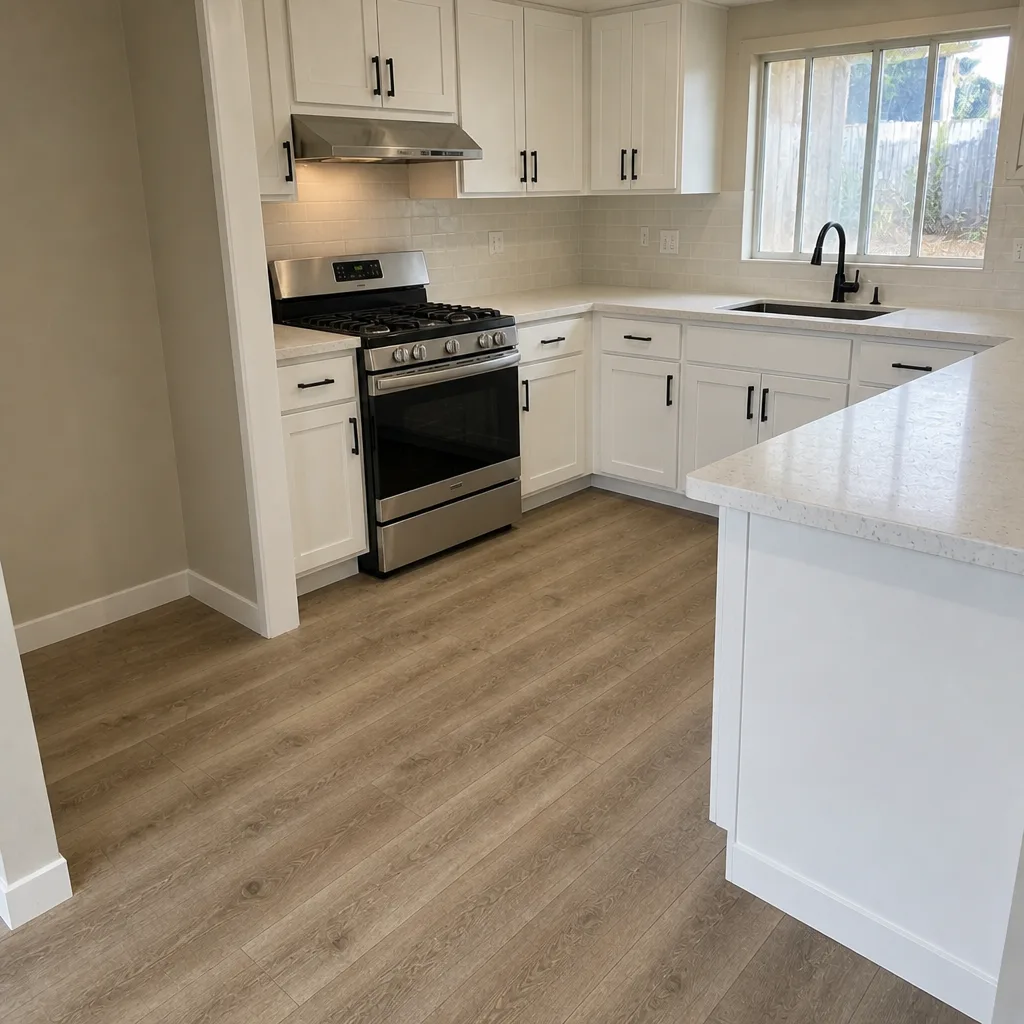 After
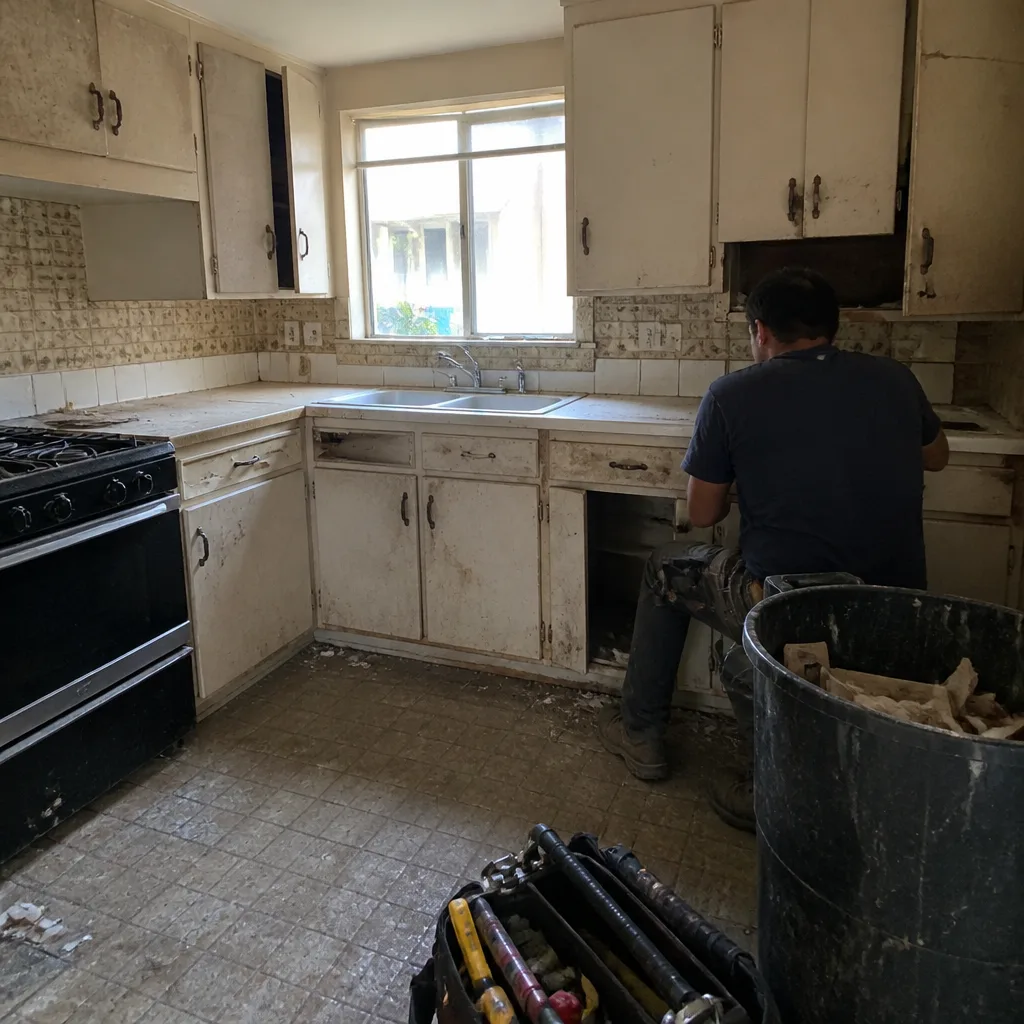 Before
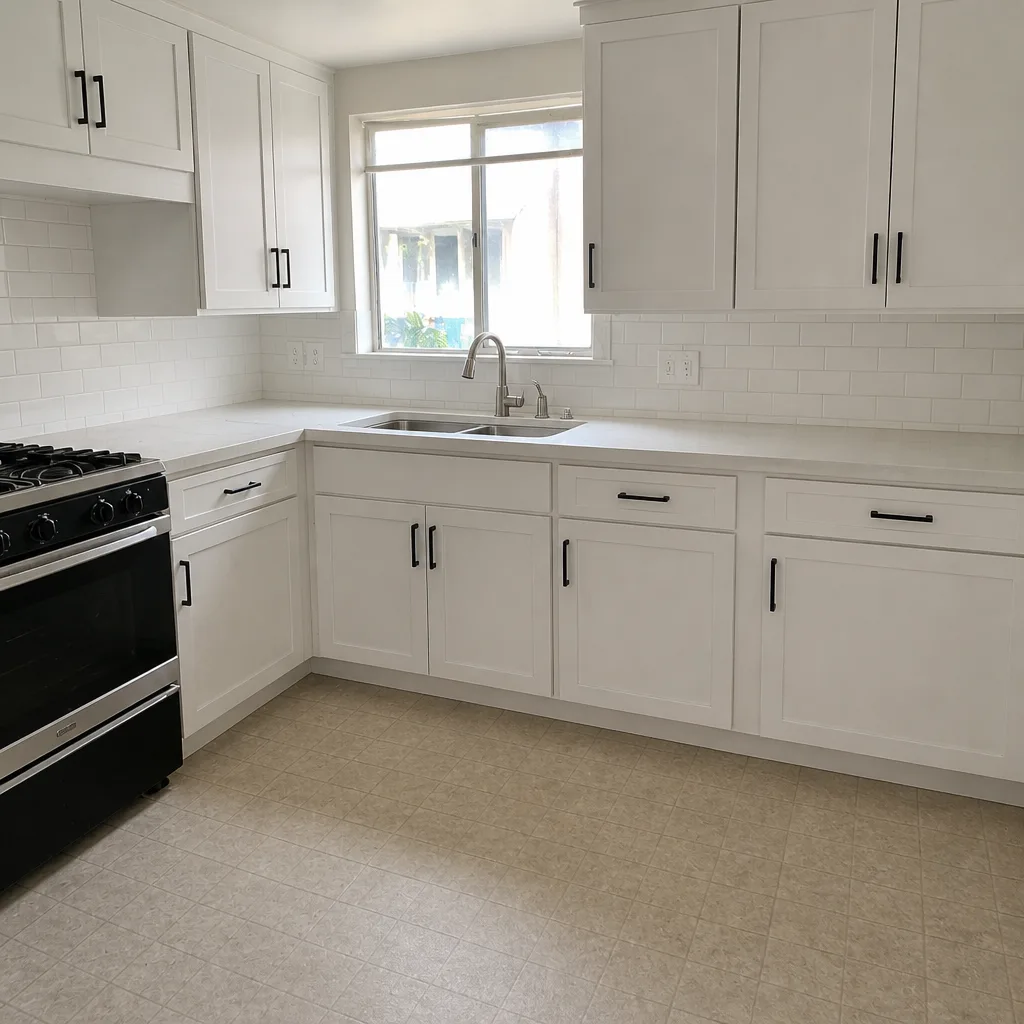 After
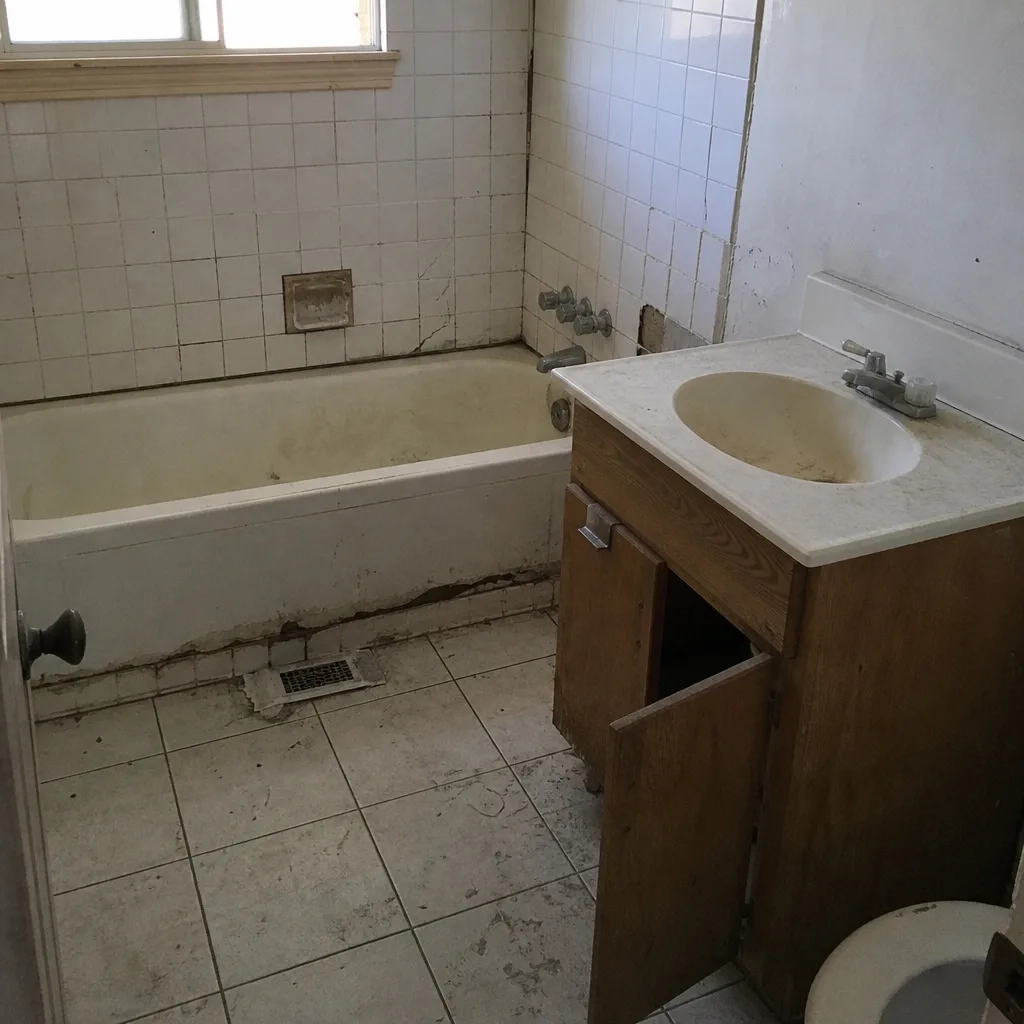 Before
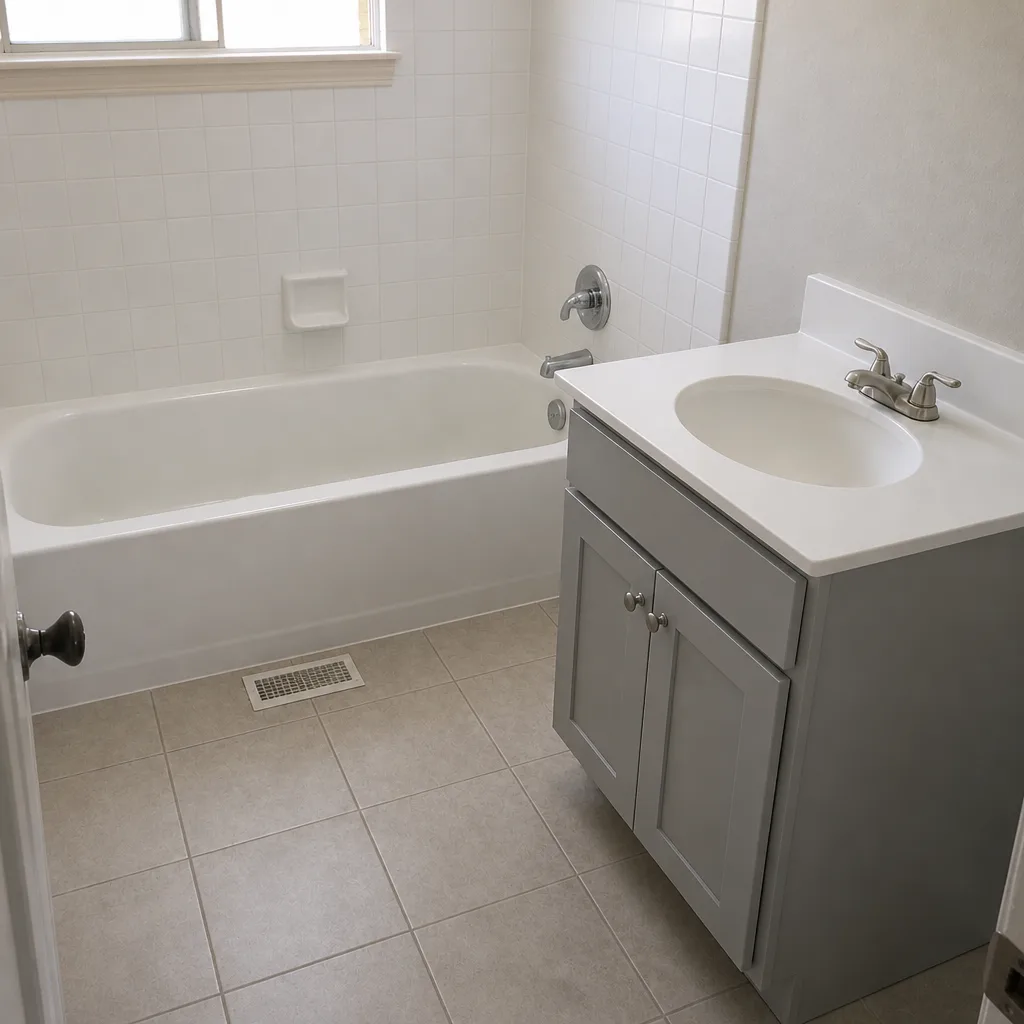 After
When to Call a Professional
Call a different contractor when (a) the original contractor has abandoned the job and you’ve sent a written notice of default, (b) a permit inspection has failed and the original contractor won’t return, (c) you’ve discovered unpermitted work and need it legalized before a sale, or (d) the original scope has been so thoroughly undermined that starting fresh is cheaper than trying to patch it. Bradford Remodeling Co Concord offers free estimates in Concord – call (866) 476-6447, and the price you get is the price in writing before any work starts. Every completed project comes with the 365-Day Done Right Promise, a full-year written guarantee that Bradford returns and corrects the work at no charge if it fails inside the window. If you’ve been burned once, that written guarantee is worth more than the lowest line item on a bid sheet.
Frequently Asked Questions

Pull out the signed contract and identify whether the problem is a scope gap (work never in the contract) or defective work (work contracted but done wrong). That single step determines whether your remedy is a change order or a warranty repair, and it’s what a CSLB investigator or small claims judge will look at first.
A single professional repair visit for a defective item in Concord typically runs $250 to $900 depending on the trade involved (plumbing and electrical are higher than drywall patching). A full remediation where the original scope has to be redone usually runs 30% to 60% of the original contract value. If the defective work falls inside the contractor’s written guarantee, the repair should be free to you – Bradford’s 365-Day Done Right Promise covers a no-charge return within the first year. Call (866) 476-6447 for an exact quote on remediation – estimates are free.
Not on a properly written contract. A written price before work starts is the baseline, and any change should require a signed change order from you. If a contractor’s price moves at the door, that’s the warning sign. Ask for the written price and the change-order policy before signing anything.
Yes, if you’ve given written notice of the defect and the contractor hasn’t corrected it. Withholding without written notice is what invites a mechanics lien. Put the defect in writing, give a clear deadline to fix, and withhold only what the written punch list justifies.
Yes. A properly written scope specifies that permits are pulled in the contractor’s name, not the homeowner’s, and that correction of any failed inspection is the contractor’s responsibility within the contracted scope. Confirm this at signing. If we end up being the consultant helping a Concord homeowner untangle a prior contractor’s permit mess, that’s a conversation we’re happy to have – call (866) 476-6447.
Ask for it before the contract is signed, and confirm it’s in writing. Bradford’s 365-Day Done Right Promise is a full-year written guarantee; if the work fails inside that window, Bradford returns and corrects it at no charge. It’s worth more than a handshake promise, and it’s the kind of assurance a homeowner should expect as standard, not as an upsell.
The Bottom Line
Most contractor trouble you’ll face in Concord isn’t a construction failure – it’s a contract failure wearing a construction costume. Sort the problem into defective work or scope gap first. Then check your paper trail: the signed contract, the written price, the license, the permit, the punch list. If the contractor abandoned the job, send a written notice of default before you do anything else, then file the CSLB complaint. Withhold payment only with written notice, and file the Notice of Completion within 15 days of finish to close the lien window. The rest is a matter of picking a new team that runs on writing, not verbal promises. Our team at Bradford Remodeling Co Concord is glad to talk through a project where the paperwork is the point, not the afterthought.
Have a situation that needs an estimate or a second opinion? Bradford Remodeling Co Concord answers the phone with a live person 24/7, and every estimate is free. The price is written before any work starts, and every completed job carries the 365-Day Done Right Promise. Call (866) 476-6447 to schedule your free estimate.
Written by the team at Bradford Remodeling Co Concord.