Last updated November 18, 2026
Free written scope consultation - allowances, timeline, and change-order rules on paper before a single trade is scheduled
The Complete Guide to Construction in Concord
Concord sits on expansive clay soils that swell when wet and shrink when dry. That single geological fact reshapes everything about building here: your foundation specs, your permit drawings, your drainage plan, and the number your contractor writes on the bid. Most construction advice you’ll read online ignores it, and that gap shows up at the first inspection. This guide maps the real terrain of building in Concord, from the Building Division counter on Parkside Drive to the Cal Fire rules that govern exterior finishes in the hills. You’ll learn how the permitting works, how long it actually takes, and how to read a bid before you sign one.
Quick Answer
Construction in Concord is governed by the City of Concord Building Division for most parcels and Contra Costa County for unincorporated pockets, with expansive clay soils (CH/CL classification) driving foundation design and permit drawing requirements. Typical permit review runs weeks, not days, for full plan check, while minor projects may qualify for over-the-counter approval. A complete, locally accurate bid should show soil mitigation, drainage, and jurisdiction-specific requirements by line item before you commit.
Styles & brands we work with
- Kitchen remodeling
- Bathroom remodeling
- Home additions & ADU
- Roofing
- Windows & doors
- Driveway & pavers
- Fence
Table of Contents
- Why Concord’s Clay Soil Changes Your Foundation
- City of Concord vs. Contra Costa County: Which Governs Your Parcel?
- Permit Office Realities: Lead Times and What Qualifies for Over-the-Counter
- Wildland-Urban Interface Zones and Cal Fire Rules
- How to Read a Concord Construction Bid
- The Tight Labor Market and What It Means for Your Timeline
- What Construction Costs in Concord
- Common Mistakes to Avoid
Why Concord’s Clay Soil Changes Your Foundation
Much of Concord rests on expansive clay soils classified as CH (high plasticity) and CL (low to medium plasticity) under the Unified Soil Classification System. Expansive clay behaves like a sponge: it absorbs water and swells, then dries and contracts. Over a season, that movement can measure inches. On a slab, the result is cracking, differential settlement, and doors that stick in summer and swing free in winter.
For a homeowner planning a project, this isn’t a detail you can leave to chance. It changes three things immediately:
- Slab specs. A standard slab on grade that works in sandy soil often needs thicker reinforcement, a moisture barrier, and engineered grading to perform on clay. Post-tension or pier-supported systems may be specified instead.
- Permit drawings. The City of Concord’s plan reviewers look for a soils report or geotechnical recommendation on additions and new foundations. If your drawings don’t address soil, they get sent back.
- Drainage. Water is what makes clay move. Site grading that directs roof runoff and surface water away from the foundation isn’t optional here; it’s the difference between a foundation that holds and one that heaves.
In our experience across Concord neighborhoods, we regularly see spring foundation complaints trace back to winter drainage that was never corrected, not to a defective pour. If you’re planning an addition or a whole-home remodel, the soil question comes first. Our General Contractor in Concord team builds the geotechnical step into the bid rather than treating it as a surprise line item later.
City of Concord vs. Contra Costa County: Which Governs Your Parcel?
This trips up more Concord homeowners than any other single issue. The City of Concord has its own building department and its own set of codes and review procedures. But not every address with a Concord mailing address sits inside city limits. Parcels in unincorporated Contra Costa County are reviewed by the county, under county rules, even though the mail says Concord.
Here’s how to tell which jurisdiction governs your project:
- Look up your parcel on the Contra Costa County Assessor’s map or the city’s online GIS tool. Every parcel is tagged with its jurisdiction.
- Check your property tax bill or deed; unincorporated parcels are typically coded to the county, not the city.
- Call the City of Concord Building Division and give them the address. They’ll tell you in a minute whether it’s their review or the county’s.
- Confirm before your architect or engineer finalizes drawings. Submitting a full set to the wrong department costs weeks.
The difference matters because the two jurisdictions have different submittal requirements, different review timelines, and different inspection schedules. A plan set drawn to county standards may need rework to pass city review, and vice versa. Getting this right at the start saves both money and calendar time.
Permit Office Realities: Lead Times and What Qualifies for Over-the-Counter
The Concord Building Division processes a steady volume of residential permits, and review time depends heavily on project type. Full plan check for an addition, a structural remodel, or a new foundation routinely runs several weeks, and can stretch longer when the initial submittal is incomplete. Over-the-counter permits move faster for defined scopes that reviewers can check on the spot.
Projects that typically qualify for over-the-counter or expedited review include:
- Like-for-like replacements: water heaters, furnaces, and electrical panel swaps within existing capacity.
- Fence and retaining wall permits within standard height limits.
- Minor plumbing and electrical alterations that don’t touch structural elements.
- Reroofs that meet current code without structural changes.
Projects that almost always require full plan check include additions, second-story work, foundation replacements, and anything that changes the building envelope or structural system. In our experience, a complete submittal is the single biggest lever on review time. Missing a soils letter, a Title 24 energy report, or a structural calculation doesn’t just delay the review; it puts you at the back of the queue when you resubmit.
One more Concord-specific note: the Building Division’s counter hours and submittal windows are limited, so plan your drop-offs accordingly. Owners who expect same-day answers on plan check are usually disappointed. Sequencing the permit realistically at the start of the project avoids that.
Wildland-Urban Interface Zones and Cal Fire Rules
Parts of Concord sit in wildland-urban interface (WUI) zones, where development meets open grassland and oak woodland. Those parcels fall under stricter exterior requirements than the rest of the city, and those requirements shape material choices before you buy a single board. California’s WUI code reaches into roof coverings, siding, decking, vents, and even the glazing on windows facing the wildland side.
What this means in practice for a Concord project:
- Roof coverings need a Class A fire rating. Asphalt shingles from GAF or CertainTeed generally meet this; some wood shakes do not.
- Siding materials must meet ignition-resistant standards. James Hardie fiber cement is a common choice because it satisfies the rating and holds up to the sun.
- Decks and exterior structures face material restrictions; some species and composites are prohibited on the wildland side.
- Vents and eaves need ember-resistant assemblies in some zones.
If your parcel is in a WUI zone, your exterior specs lock in early. Changing them after permit submittal means redrawing and resubmitting. Checking the fire severity zone map before design begins is one of the simplest steps a Concord homeowner can take.
How to Read a Concord Construction Bid
Most bid problems aren’t about the number at the bottom. They’re about what’s missing above it. A contractor who leaves out soil mitigation, drainage, or permit fees to look cheaper isn’t giving you a bid; they’re giving you a future change order. A real Concord construction bid should be read line by line, and here’s what to look for.
- Soil and foundation allowances. If the bid doesn’t mention geotechnical work, moisture barriers, or reinforced slab specs, ask why. On Concord clay, that omission is a warning.
- Permit fees and plan check. Are permit costs included, or billed separately? Who pulls the permit? Get it in writing.
- Exterior material specifications. Brands and product lines should be named, not described generically. “Fiber cement siding” is a category; “James Hardie” is a specification.
- Drainage and grading. Site work to manage water belongs in the bid, not in a “to be determined” note.
- Contingency. A responsible bid carries a stated contingency for concealed conditions, not a vague “extra work as needed.”
- Cleanup and closeout. Debris haul-away, site cleanup, and final walkthrough should be explicit.
At Bradford Remodeling Co Concord, every project receives a written price before any work starts, and that price doesn’t move at the door. The Garrison Standard is the framework behind it: documented scope, named materials, and a written guarantee in your hand at close. When you’re comparing bids, ask each contractor for the same line-item detail. The one who can’t produce it is telling you something.
The Tight Labor Market and What It Means for Your Timeline
Contra Costa County’s construction labor market is tight. Skilled tradespeople are in demand across the region, and scheduling at specialty subcontractors (electrical, plumbing, tile, cabinetry installers) can stretch beyond what homeowners expect from watching remodeling shows. That reality changes how a realistic timeline is built.
A few things we’ve learned planning Concord projects around this market:
- Sequencing matters more than ever. The staging of rough-in, inspection, drywall, and finish work has to be locked before the first trade shows up.
- Material lead times add to schedule. Cabinetry from documented lines like KraftMaid or Wellborn, and surfaces from Cambria or Caesarstone, carry lead times that need to be ordered into the plan, not discovered at install week.
- A written schedule with named checkpoints keeps everyone honest. Verbal “we’ll be there Tuesday” doesn’t survive a busy market.
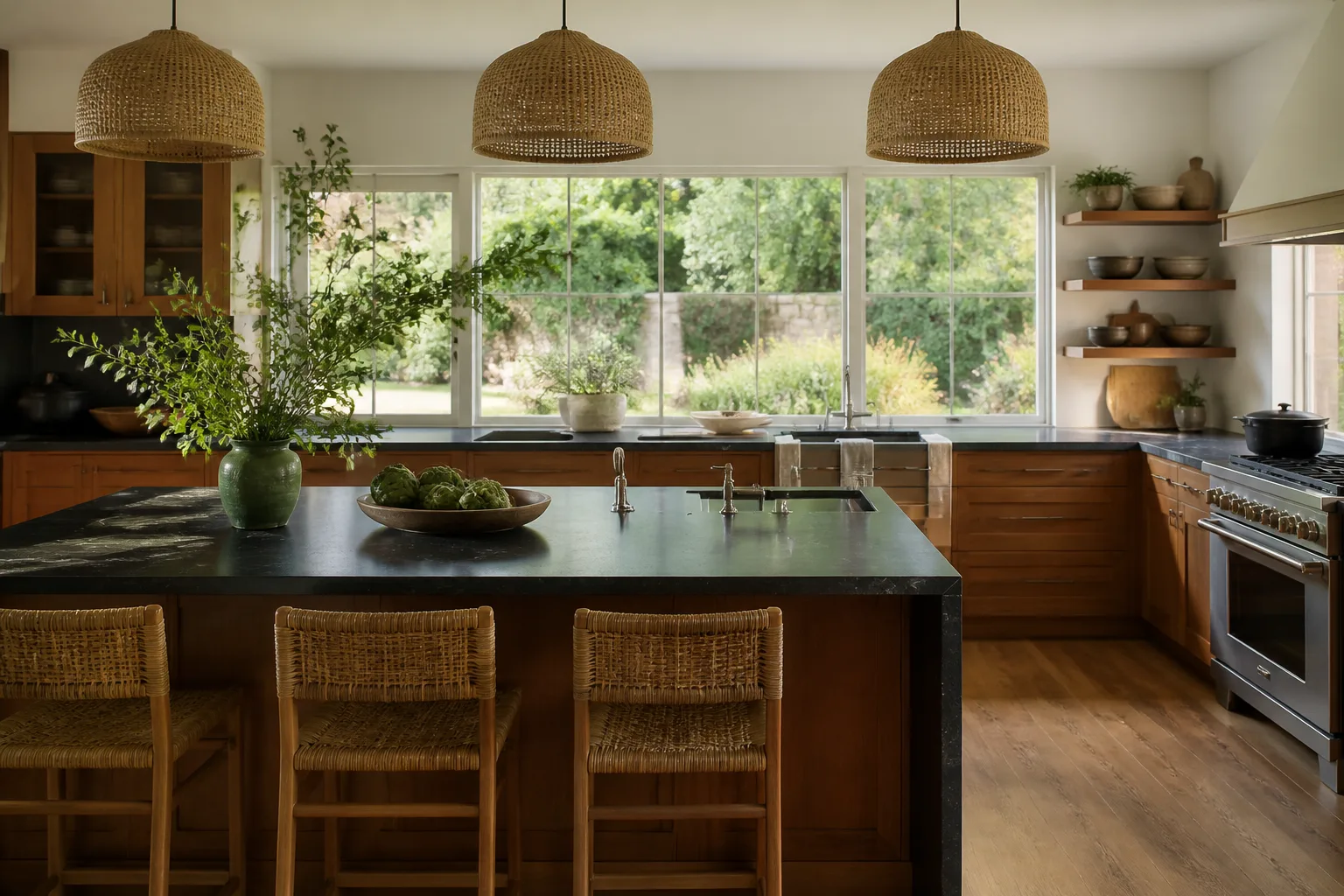
The upside: homeowners who plan for this reality get a smoother project. Those who assume a tight timeline gets met no matter what end up frustrated. Our Kitchen Remodeling in Concord team builds the schedule around actual lead times, not hopeful ones.
What Construction Costs in Concord
Costs vary by scope, site conditions, and finish level, but here are the ranges Concord homeowners typically see for common projects. These are planning figures, not quotes; every bid should reflect your specific site.
- Kitchen remodel (mid-range): $45,000 – $85,000, driven by cabinetry, surfaces, and whether the layout changes plumbing or electrical.
- Bathroom remodel (mid-range): $22,000 – $45,000, depending on tile scope, fixture tier, and any structural or waterproofing work.
- Whole-home remodel: $150,000 – $400,000+, scaled to square footage and how much of the structure and systems get touched.
- Room addition: $250 – $450+ per square foot, with foundation work on clay soil nudging toward the higher end.
- Foundation repair or replacement: highly variable; soils mitigation and pier systems push costs up. Get a geotechnical recommendation first.
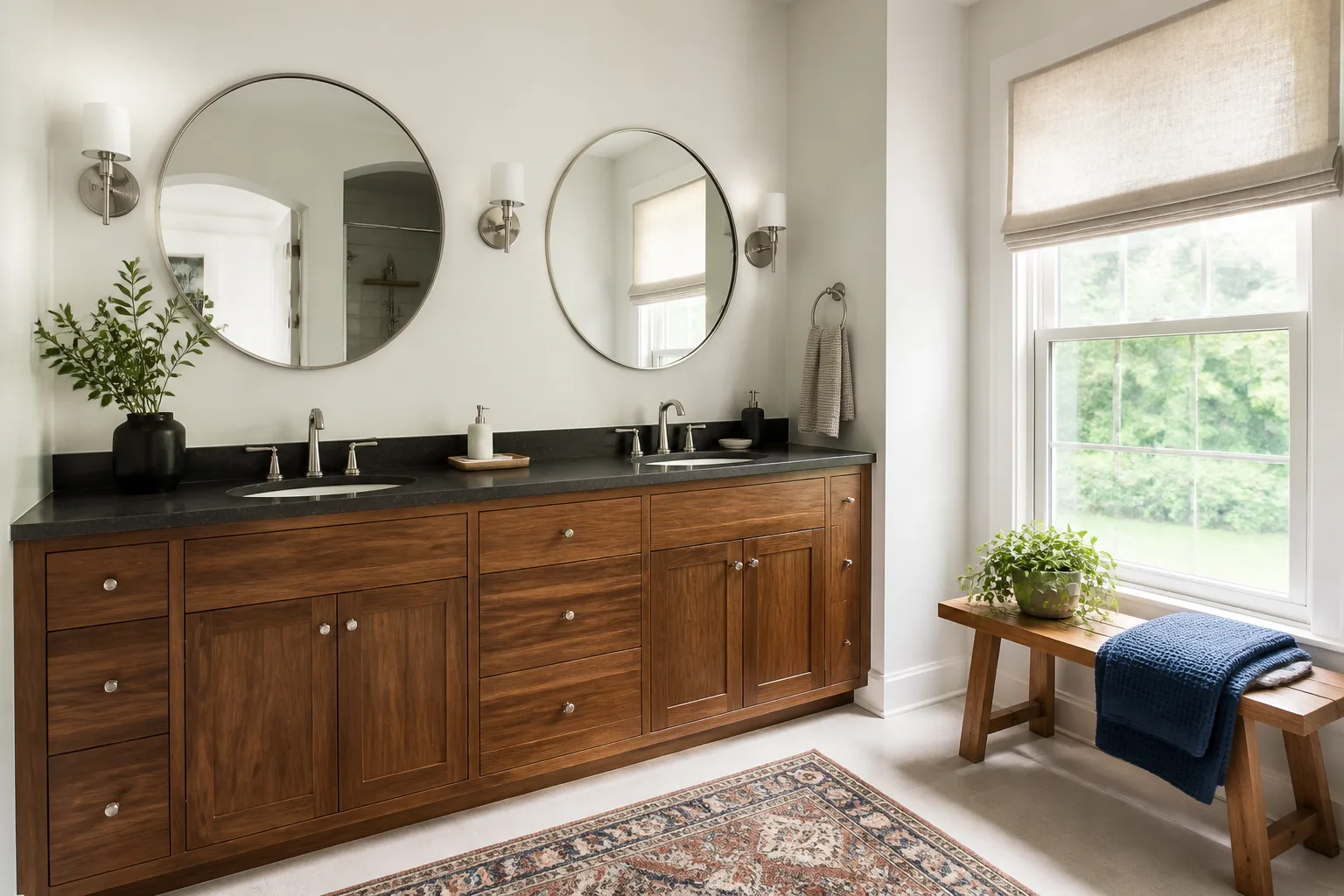
Permit fees, plan check, and soils reports belong in your budget from the start, not tacked on later. A written price before work begins is what separates a real bid from an estimate. For a full look at what bathroom scopes run in this market, see our Bathroom Remodeling in Concord page.
Common Mistakes to Avoid
- Assuming your Concord address is in the City of Concord. Unincorporated parcels follow county review. Confirm jurisdiction first, or your drawings get bounced.
- Ignoring the soil report. Expansive clay drives foundation specs and drawing requirements. Skipping geotechnical work costs more later than it saves now.
- Chasing the lowest bid. The bid that omits soil mitigation, drainage, and permit fees isn’t cheaper; it’s incomplete. Compare line items, not bottom lines.
- Designing before checking fire zone status. WUI zones on some Concord parcels demand specific roof and siding materials. Check the map before you buy materials.
- Scheduling trades without a written sequence. In a tight labor market, verbal scheduling fails. Put rough-in, inspection, and finish checkpoints in writing.
- Skipping the drainage plan. Water is what moves clay. A finished project without proper site grading is a foundation problem waiting one winter.
- Not requiring a written guarantee. Ask every contractor what their warranty actually covers and for how long. If it isn’t in writing, it doesn’t exist.
See the difference
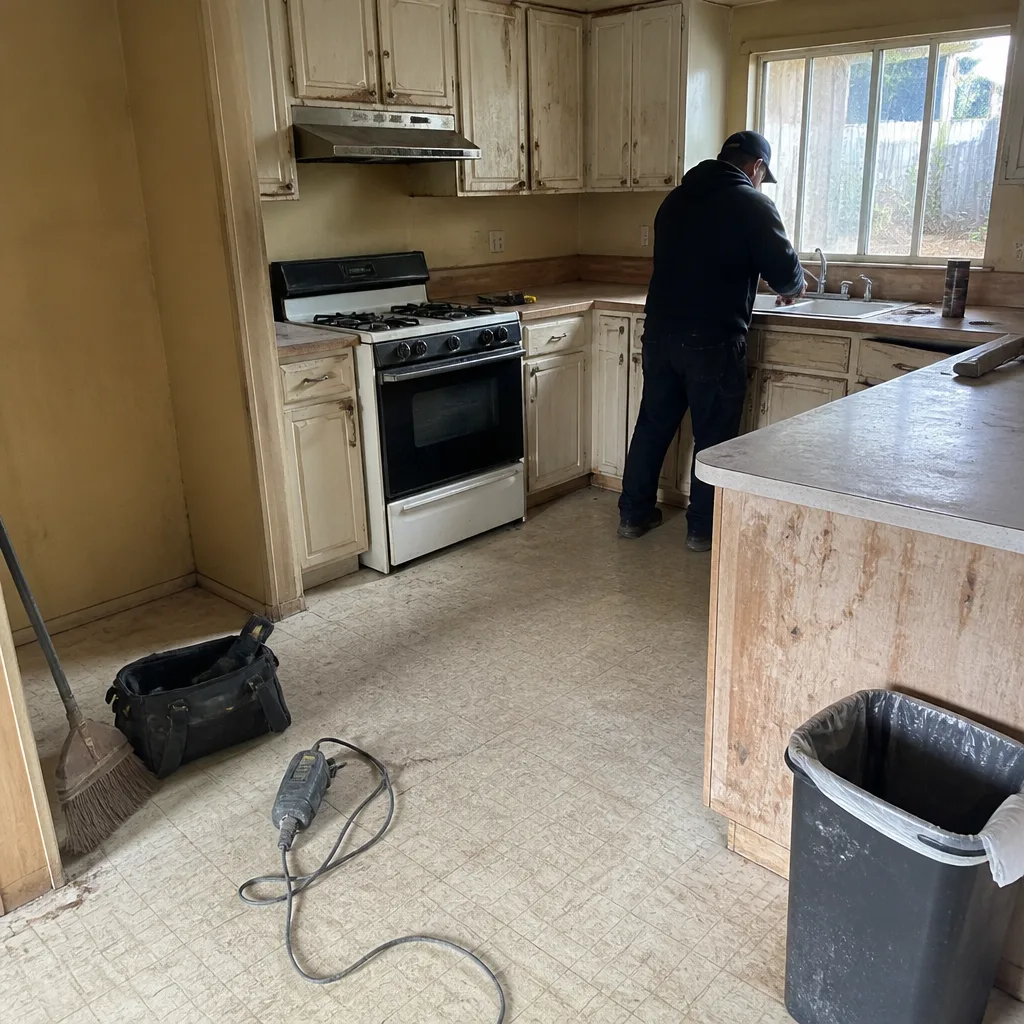 Before
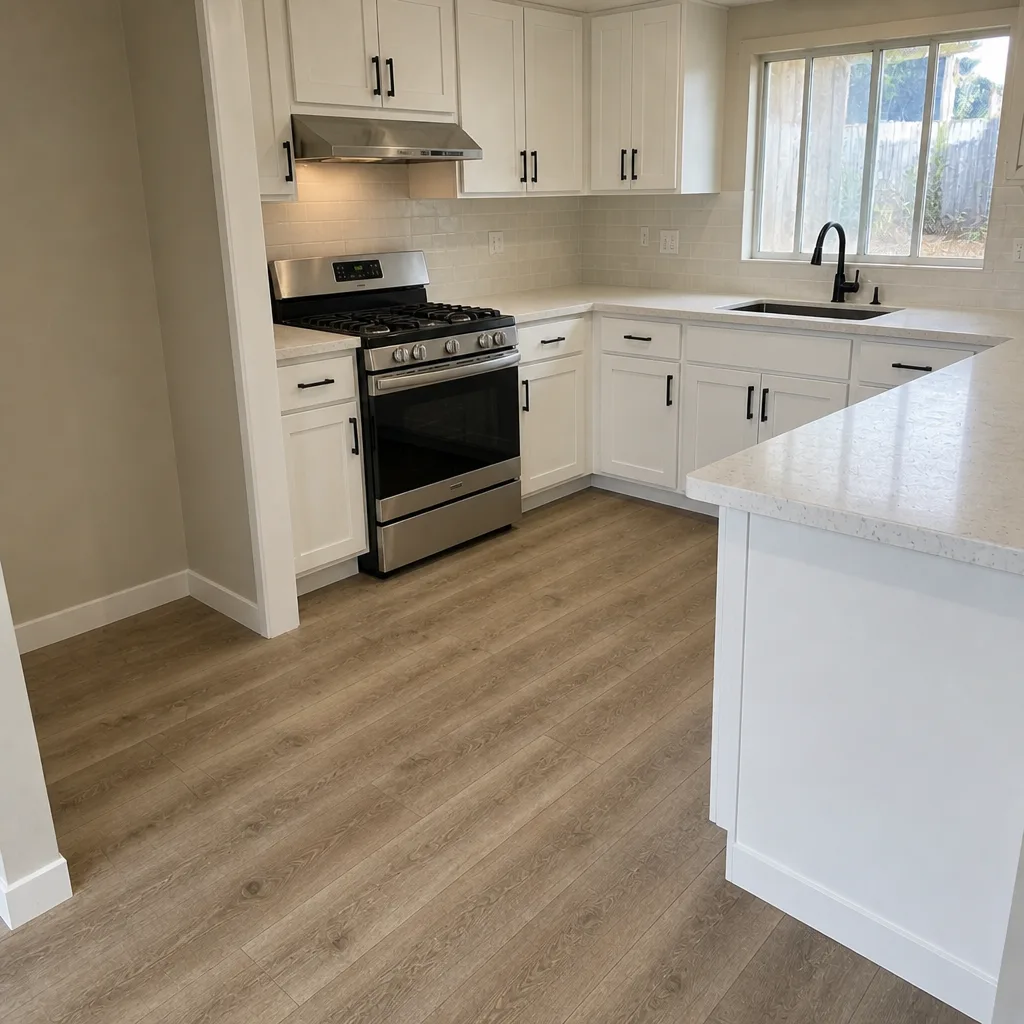 After
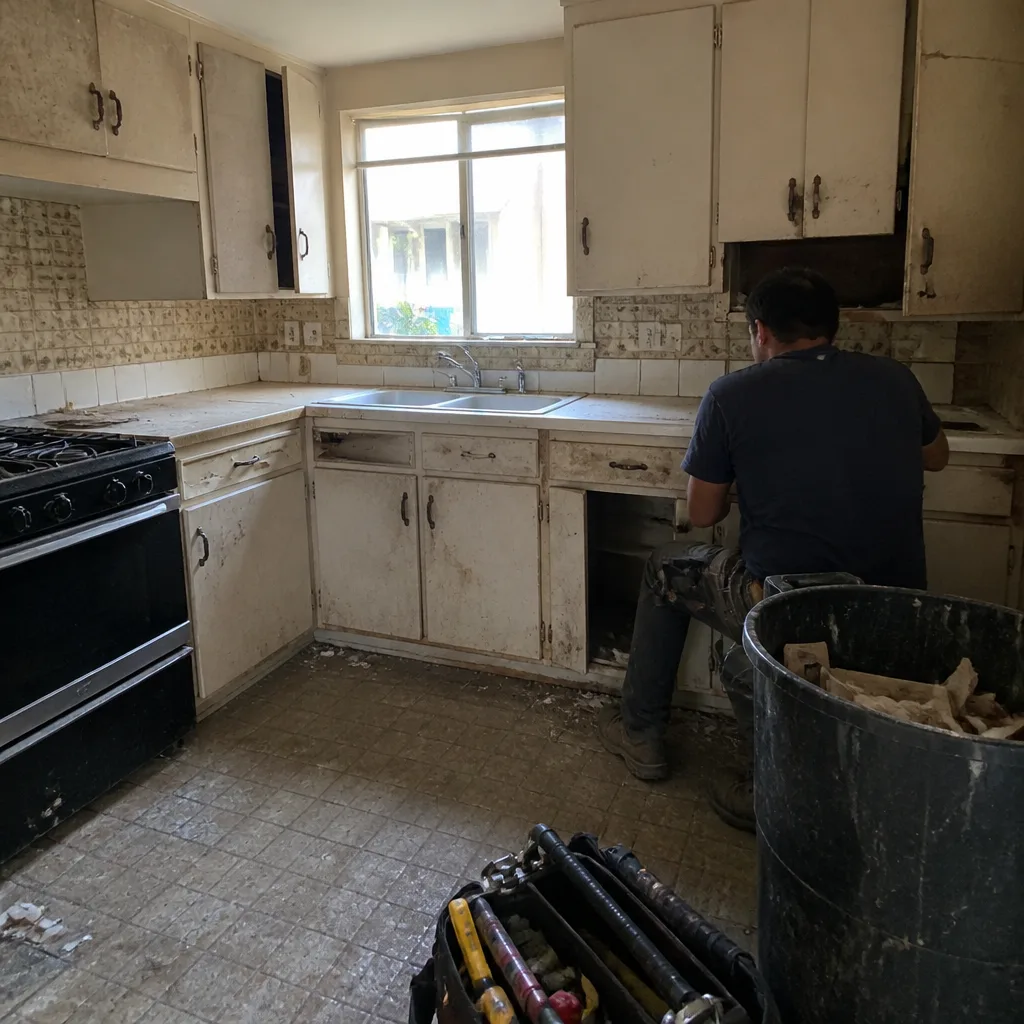 Before
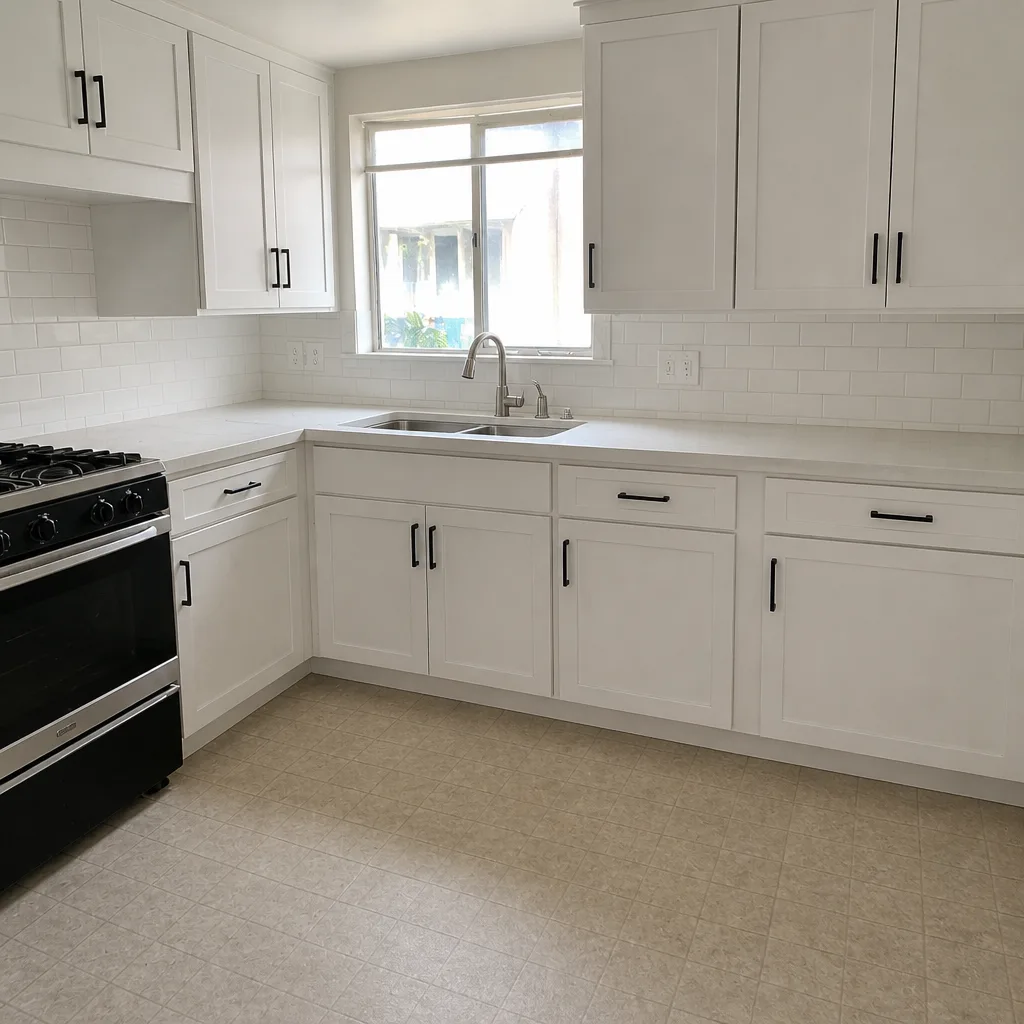 After
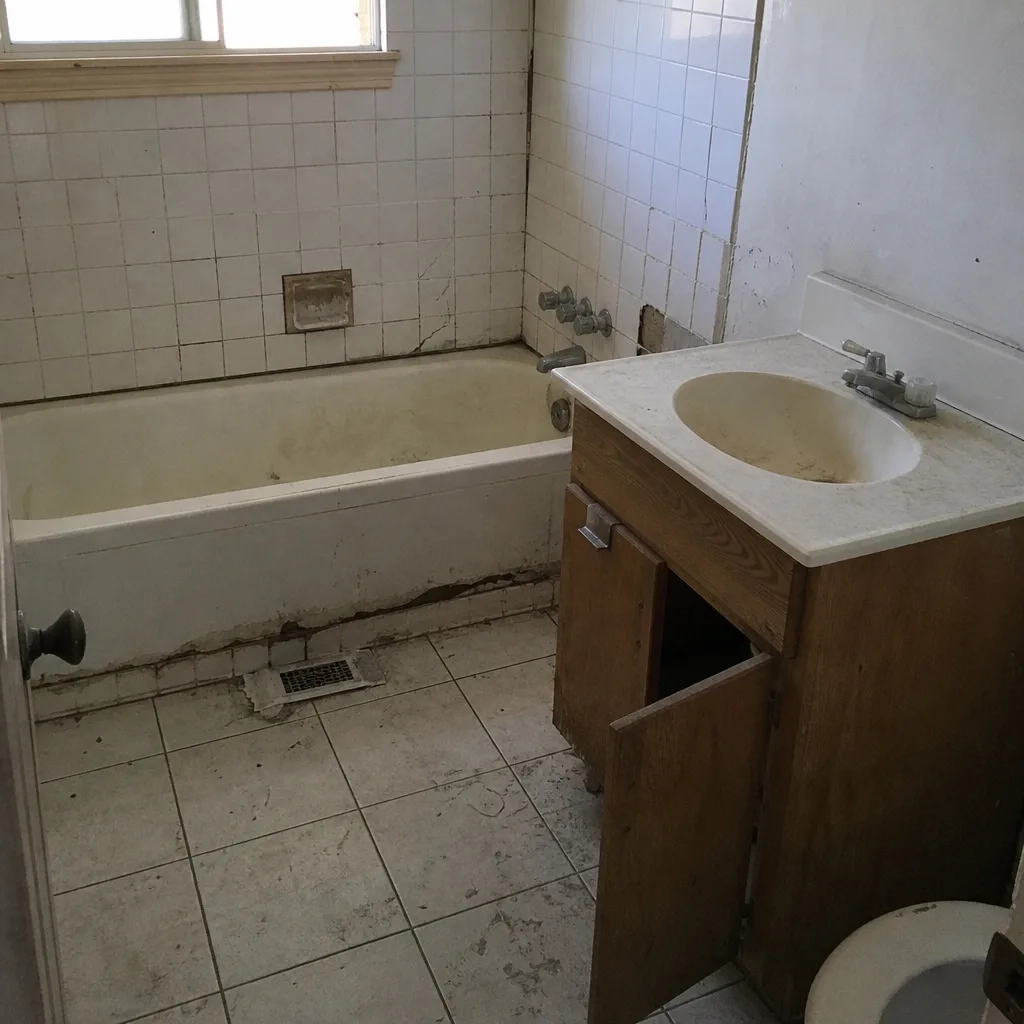 Before
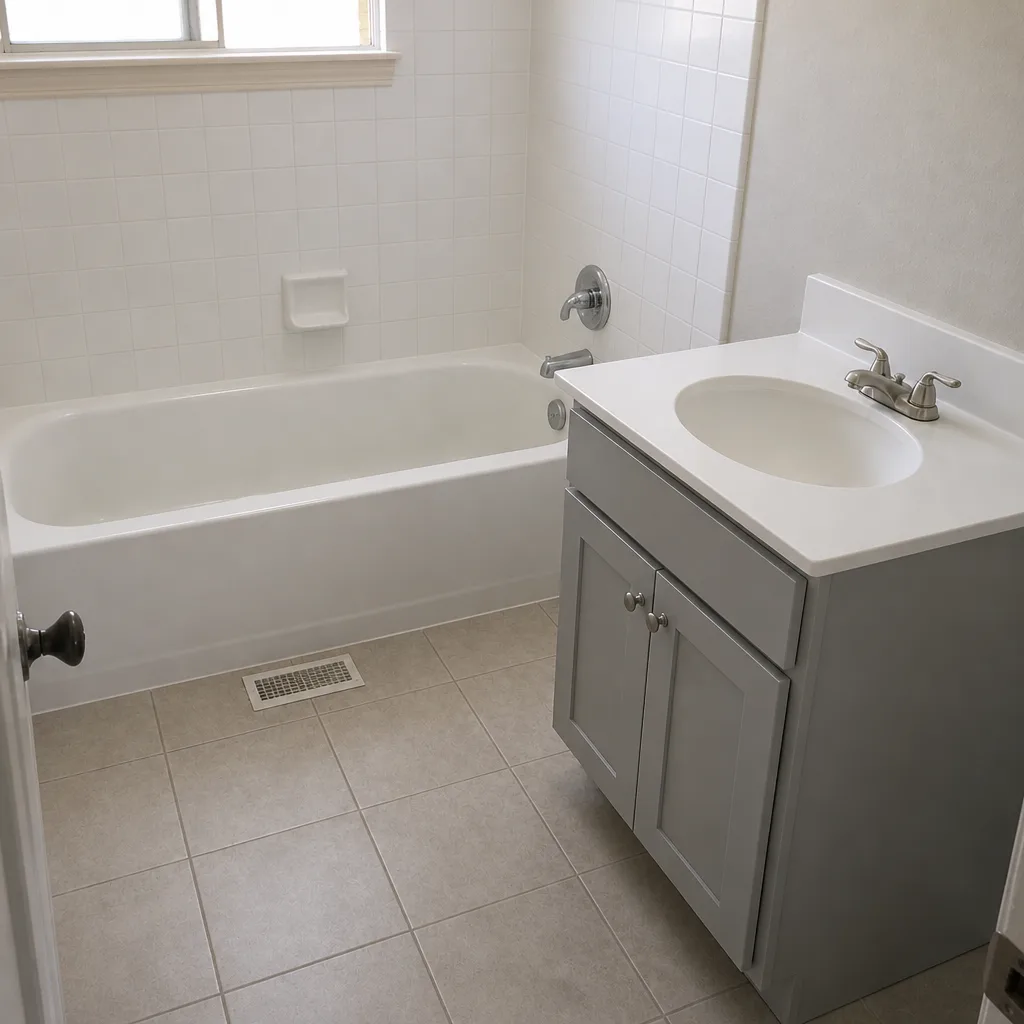 After
When to Call a Professional
Some work is safe for an experienced homeowner, but a lot of it isn’t. Call a professional when the project touches the foundation, changes the structural system, adds square footage, moves plumbing or gas lines, alters the electrical panel, or affects the building envelope. Any work that needs a permit means a licensed professional should carry it. Foundation repair on Concord’s clay soils, WUI-compliant exterior replacement, and anything involving high-voltage wiring or gas should go to a trained, state-licensed contractor; the risk of injury or failed inspection is real and not worth the savings. Bradford Remodeling Co Concord offers free estimates in Concord with a written, line-item price before any work begins. Call (866) 476-6447 to schedule yours.
Frequently Asked Questions
Over-the-counter permits for defined scopes can move in a single visit, while full plan check for additions and structural remodels typically runs several weeks, longer if the submittal is incomplete. A complete plan set with soils and energy documentation is the biggest factor in review speed. Call (866) 476-6447 for a free estimate that includes permit planning.
Often, yes. Concord’s expansive clay soils (CH/CL) drive foundation design, and the Building Division looks for a geotechnical recommendation on additions and new foundations. A soils report up front prevents redrawn plans and resubmittal later. Call (866) 476-6447 to schedule a free estimate and we’ll walk you through what your specific parcel needs.
Not every Concord mailing address sits inside city limits. Check your parcel on the county assessor’s map or the city’s GIS tool, or call the Building Division with your address. The jurisdiction determines which code, review, and inspection schedule applies. Call (866) 476-6447 if you’d like help sorting it out.
At Bradford Remodeling Co Concord, no. Every project receives a written price before any work begins, and that price doesn’t move at the door. Concealed conditions beyond the documented scope are handled through a stated contingency, not surprise invoices. The 365-Day Done Right Promise covers completed work for a full year; if it fails inside that window, we return and correct it at no charge. Call (866) 476-6447 for a free, line-item estimate.
Yes. Permits and inspections are part of the documented scope we write into every bid, and we pull them through the correct jurisdiction for your parcel. That means city or county review depending on where you are, with the inspections planned into the schedule. Call (866) 476-6447 for a free estimate.
Compare line items, not the bottom number. Ask every contractor to show soil mitigation, permit fees, material specifications, drainage, and contingency in writing. A bid that leaves those out isn’t cheaper; it’s incomplete and will cost more later. Call (866) 476-6447 and we’ll send a written, itemized price you can compare directly.
The Bottom Line
Construction in Concord rewards homeowners who understand the local terrain before they sign. Expansive clay soils drive foundation and drainage decisions. The City of Concord and unincorporated Contra Costa County run separate review processes under separate rules. WUI zones shape exterior materials, and the tight labor market means scheduling has to be planned, not assumed. Read every bid line by line: soil, permits, materials, drainage, contingency, guarantee. Bradford Remodeling Co Concord puts the price and the guarantee in writing before any work starts, backed by The Garrison Standard and the 365-Day Done Right Promise. If you’re ready to plan a project the grounded way, call (866) 476-6447 for a free estimate. For a broader view of how we work, visit the Bradford Remodeling Co Concord home page.
Written by the team at Bradford Remodeling Co Concord.