Last updated November 18, 2026

Free written scope consultation - allowances, timeline, and change-order rules on paper before a single trade is scheduled
Construction Emergency Preparedness Guide for Concord Homes
FEMA’s post-earthquake damage surveys keep turning up the same pattern in Concord and across the East Bay: the homes that come apart worst aren’t the oldest ones. They’re the ones that were partially remodeled without seismic upgrades. A new kitchen on top of an unbraced cripple wall, a fresh bathroom tied into a foundation that was never bolted down – you end up with a structure that has mixed connections and no continuous load path, which is exactly what shakes apart in a 6.0. This guide connects the remodel decisions you’re already making to the three emergencies Concord actually faces: earthquakes, wildfire, and atmospheric river flooding.
Quick Answer
A construction emergency in Concord means one of three things: earthquake damage to a home that was remodeled without seismic work, wildfire ember intrusion through vents and roof edges, or flood-driven water damage from atmospheric river storms. The single highest-value upgrade for most Concord homes built before 1980 is a braced and bolted cripple wall, which typically runs $3,500 to $8,500 and prevents the foundation failure that makes a home uninhabitable after a moderate quake.
Styles & brands we work with
- Kitchen remodeling
- Bathroom remodeling
- Home additions & ADU
- Roofing
- Windows & doors
- Driveway & pavers
- Fence
Table of Contents
- What Is a Cripple Wall, and Why Do Concord Homes Almost Certainly Have One?
- What Does a Bolting and Bracing Retrofit Actually Cost in Concord?
- Wildfire Risk Zones in Concord and What They Mean for Your Roof and Vents
- Defensible Space Under PRC §4291: What the Law Actually Requires
- Excess Flow Valve vs. Seismic Shutoff: Which One Do You Have?
- What Counts as a Construction Emergency for Your Insurance Policy
- The Post-Disaster Contractor Fraud Pattern in Concord
- The Three Documents That Prove a Contractor Is Legitimate
What Is a Cripple Wall, and Why Do Concord Homes Almost Certainly Have One?
A cripple wall is the short wood-framed wall between your foundation and the first floor of your house. On sloped lots – and there are plenty of them in Concord, from the Ygnacio Valley neighborhoods up toward Clayton Road – that wall can be four feet tall or more. It’s the weak link in an earthquake.
Homes built before 1980 in Concord almost certainly have one, and it almost certainly has no plywood sheathing on it. The framing is nailed to the mudsill with a few toe-nails, the mudsill is sitting on the concrete foundation without anchor bolts, and nothing ties the top of the cripple wall to the floor above with hardware. When the ground moves sideways, that assembly racks. The wall can literally slide off the foundation.
Here’s the part homeowners miss: a partial remodel doesn’t fix this, and can make it worse. If you add a bathroom with a heavy tile floor over an unbraced cripple wall, you’ve added mass to the part of the house that’s most likely to fail. We’ve walked through Concord homes where a remodeled rear addition was bolted down and the original front of the house was not. That’s the mixed-connection scenario FEMA warns about.
What a proper retrofit does:
- Anchor bolts or adhesive anchors tie the mudsill (the bottom wood plate) to the concrete foundation at regular spacing.
- Plywood sheathing nailed to the cripple wall studs turns the wall into a shear panel that resists racking.
- Blocking and framing hardware (hurricane ties, hold-downs) connect the top of the wall to the floor framing above.
- A continuous load path means the force travels from the roof, through the walls, through the floor framing, through the cripple wall, and into the foundation without a break.
If you’re planning a general contractor project in Concord that touches the lower level, the garage framing, or adds square footage, this is the moment to do the retrofit. Doing it alongside other work is far cheaper than opening up the same walls twice. Our technicians have up to 22 years of experience, and they’ll tell you plainly: it’s a half-day of framing work if the walls are already open and a full crawlspace job if they aren’t.
What Does a Bolting and Bracing Retrofit Actually Cost in Concord?
A FEMA P-1024 brace-and-bolt retrofit typically runs $3,500 to $8,500 for a single-family Concord home, depending on crawlspace access, cripple wall height, and how much foundation work is needed. Concrete foundation repairs and any required engineering add to that. A 6.0+ earthquake damaging an unbraced cripple wall, on the other hand, routinely produces $80,000 to $250,000 in structural repairs – plus months of displacement while you fight with your insurance adjuster.
Here’s a rough cost table you can actually use when you’re pricing this out:
| Work | Typical Concord Cost |
|---|---|
| Anchor bolting only (open crawlspace) | $1,800 – $3,200 |
| Bolting + cripple wall bracing, standard access | $3,500 – $6,500 |
| Bolting + bracing, tall cripple wall or tight access | $6,500 – $8,500 |
| Full foundation replacement (if foundation is compromised) | $25,000 – $55,000 |
| Structural engineering report, if required | $500 – $1,500 |
Those numbers are for the retrofit alone. If you’re already planning a kitchen remodel in Concord or a lower-level reconfiguration, folding the retrofit into that scope is the disciplined way to do it. One set of plans, one permit, one inspection sequence.
We quote the price in writing before any work starts, and that written price is what you pay – no line items that mysteriously grow at close. If a contractor can’t put a retrofit number on paper before he starts, that’s your answer.
Wildfire Risk Zones in Concord and What They Mean for Your Roof and Vents
Concord sits in a patchwork of wildfire risk. The hills and open space along the Diablo range edge, the areas near Lime Ridge Open Space, and parts of the Ygnacio Valley upslope corridors carry elevated risk designations under Cal Fire’s Fire Hazard Severity Zone maps. If you’re in a Zone 1 or Zone 2 area, your remodel decisions should look different from a home in the flat lower Ygnacio Valley.
Wildfire ember intrusion – not the flame front – is what destroys most homes in a wildland fire. Embers the size of a fingernail get sucked into attic vents, blown under roof edges, and ignite debris inside a soffit. That’s why a home remodel in Concord that touches the roof or exterior is the right moment to make the house ember-resistant.
What to prioritize:
- Class A roof assembly. Asphalt shingles, tile, and metal roofing all qualify. If your remodel replaces the roof, use the replacement to document a Class A rating on the whole assembly – deck, underlayment, and covering.
- Ember-resistant attic vents. Standard 1/4-inch mesh vents let embers through. Ember-resistant vents use smaller openings and baffles rated for that purpose. GAF and certain replacement GAF components are commonly specified in our projects.
- Noncombustible siding within six feet of the ground. James Hardie fiber cement is the material we typically recommend for that band, and it also resists the moisture issues Concord sees in wet winters.
- Deck and fence attachments. Where a wood deck attaches to the house, a metal flashing and separation detail keeps embers from accumulating at the joint.
If your roof is due, a bathroom remodel in Concord isn’t the trigger to replace it – but if you’re already opening the exterior for a project, the vent and flashing upgrades get dramatically cheaper.
Defensible Space Under PRC §4291: What the Law Actually Requires
California Public Resources Code section 4291 requires a 100-foot defensible space zone in two parts: Zone 0 (0 to 5 feet from the structure) and Zone 1 (5 to 30 feet). The 2024 and 2025 updates to Zone 0 rules are the ones Concord homeowners get tripped up on, because they apply even to small structures.
What PRC §4291 actually requires, in plain terms:
- Zone 0 (within 5 feet). No combustible plants, mulch, wood piles, or furniture against the house. Noncombustible ground cover only. Hardscape, gravel, or concrete is compliant. Wood fences attached to the house are a no under current guidance.
- Zone 1 (5 to 30 feet). Reduce fuel. Trim trees up to 6 feet from the ground, space shrubs, remove dead vegetation, and keep grass mowed to 4 inches or less.
- Zone 2 (30 to 100 feet). Reduced fuel by thinning and horizontal spacing, keeping vegetation in isolated groups rather than continuous strips.
- Roof and gutter maintenance. Pine needles and leaves on the roof or in gutters violate the rule regardless of zone.
Every Concord remodeler who touches exterior cladding or hardscape should be designing Zone 0 correctly on the back end. Belgard pavers are common in our hardscape projects for exactly this reason – they’re noncombustible and they let you build a compliant 5-foot band without giving up the look. The Concord Fire Department can inspect your property and give you a written list of what needs to change.
Excess Flow Valve vs. Seismic Shutoff: Which One Do You Have?
Two different safety devices protect gas service, and only one activates automatically in an earthquake. This is one of the most confused points in home emergency preparedness.
An excess flow valve (EFV) is a small device installed on the gas service line between the meter and the house. It closes when it senses a sudden surge of gas – like a broken line, or a rupture during an earthquake, or a car hitting the meter. Newer gas service installations have one. Older service often doesn’t. You can call PG&E and ask whether an EFV is installed at your address; installing one is typically free or low-cost because the utility performs the work.
A seismic shutoff valve is a different device, mounted after the meter, and it activates automatically on strong ground shaking – a weighted ball or a spring-loaded ball that drops when the quake motion reaches a certain threshold. It shuts off gas flow before the wave of fires that follows a big quake. Not all homes have one. You can identify it by looking at the gas piping after the meter: seismic valves are typically labeled, and if yours isn’t labeled, a licensed plumber can identify it in about ten minutes.
This is genuinely a case where you should not open, disconnect, or modify your own gas piping – even for a check. Gas line work is dangerous and requires a licensed plumber. We flag this in every Concord remodel we scope where gas appliances or the meter are touched: if the valve situation is unclear, get it inspected before anything else.
What Counts as a Construction Emergency for Your Insurance Policy
When a contractor’s error causes damage during an active remodel, the claim usually comes down to three questions: who caused it, whose policy covers it, and what the homeowner’s policy explicitly excludes during construction.
Here’s the framework:
- The contractor’s general liability policy pays first if the contractor’s negligence caused the loss. This is why you request a certificate of insurance before work begins – every time.
- The homeowner’s policy responds if the damage is from a covered peril (fire, water, weather) regardless of who was working. Most homeowner policies cover sudden and accidental damage, even during a remodel.
- The homeowner’s policy explicitly excludes faulty workmanship itself. If a shower pan was installed incorrectly and failed two years later, that’s a workmanship claim against the contractor, not a homeowner’s insurance claim. The policy pays for resulting damage (water-soaked drywall, ruined flooring), not the cost of redoing the bad install.
- Your policy may limit coverage during construction if the home is unoccupied or if the remodel cost exceeds a threshold. Read the “dwelling under construction” clauses in your policy before work starts.
What you should do before any Concord remodel: request a certificate of insurance naming you as additional insured (many policies allow this), ask for the contractor’s general liability limits in writing, and take dated photos of the areas to be worked on. That documentation is what wins a claim when it goes sideways.
The Post-Disaster Contractor Fraud Pattern in Concord
Every Concord disaster declaration brings the same fraud pattern. It follows a 6.0 earthquake, a big wildfire season, and – most predictably – an atmospheric river that floods a few dozen homes. The pattern looks like this: within days, out-of-area contractors with magnetic signs show up in damaged neighborhoods offering “emergency repairs.” They claim FEMA affiliation. They ask for a large deposit up front. They disappear after collecting it.
Three warning signs to spot the pattern:
- Demand deposits above 10%. Legitimate contractors in Concord take a modest mobilization deposit and bill in progress installments. A demand for 50% or more up front, in cash, is the classic red flag.
- Claimed FEMA affiliation. FEMA does not dispatch contractors to individual homes and does not send inspectors without prior written notice. Anyone claiming FEMA authority to enter your home is misrepresenting.
- No physical address or no license number on the truck or the paperwork. Every legitimate contractor in California has a CSLB license number that can be verified at cslb.ca.gov in about 30 seconds.
The Three Documents That Prove a Contractor Is Legitimate
Before you sign anything in the aftermath of a Concord emergency, ask for three documents. Keep them on file. Any legitimate contractor will produce them without hesitation, and any hesitation is your answer.
- A CSLB license number and matching license card. Verify it at cslb.ca.gov before signing. The name on the license must match the name on the contract, the bid, and the insurance certificate.
- A certificate of insurance showing general liability and workers’ compensation coverage, with policy limits stated. Request it directly from the insurer or insurance agent if you want to confirm the certificate is real.
- A written, line-item contract with a scope, a fixed price, a timeline, and a payment schedule that doesn’t front-load more than a modest deposit. This is exactly what The Garrison Standard requires – written price before any work starts.
At Bradford Remodeling Co Concord, our background-checked, uniformed technicians operate under that standard. Every project gets the written price before we start, and every completed project carries the 365-Day Done Right Promise: if the work fails inside the guarantee window, we come back and correct it at no charge. A live person answers the phone 24/7, so if an emergency unfolds, you reach a person, not a voicemail.
Common Mistakes to Avoid
- Skipping the seismic retrofit while remodeling. Adding a new kitchen or bath to an unbraced cripple wall puts heavier load on the weakest part of the house. Retrofit while the walls are already open.
- Assuming your gas meter has a seismic shutoff because it has an EFV. They are different devices. Only the seismic valve activates on shaking. Get it verified by a licensed plumber.
- Replacing roof or siding without checking attic vent ember ratings. A new Class A roof over standard 1/4-inch mesh vents still lets embers into the attic in a Concord hills fire.
- Paying a large deposit before seeing the license and insurance certificate. In the days after a Concord disaster declaration, this is the single most common way homeowners lose money.
- Assuming your homeowner’s insurance will cover faulty workmanship. It doesn’t. That’s why the 365-Day Done Right Promise matters – it’s the only thing standing between you and a full rebuild on your own dime.
- Ignoring PRC §4291 because your home isn’t in a mapped hazard zone. The defensible space requirement applies more broadly than the mapped zones in practice, and insurance carriers are increasingly enforcing it regardless.
- Waiting until after an event to prepare. Cripple wall bracing, ember-resistant vents, and gas valve verification take a day or two of work. After a quake, the same scope takes months of permitting backlog.
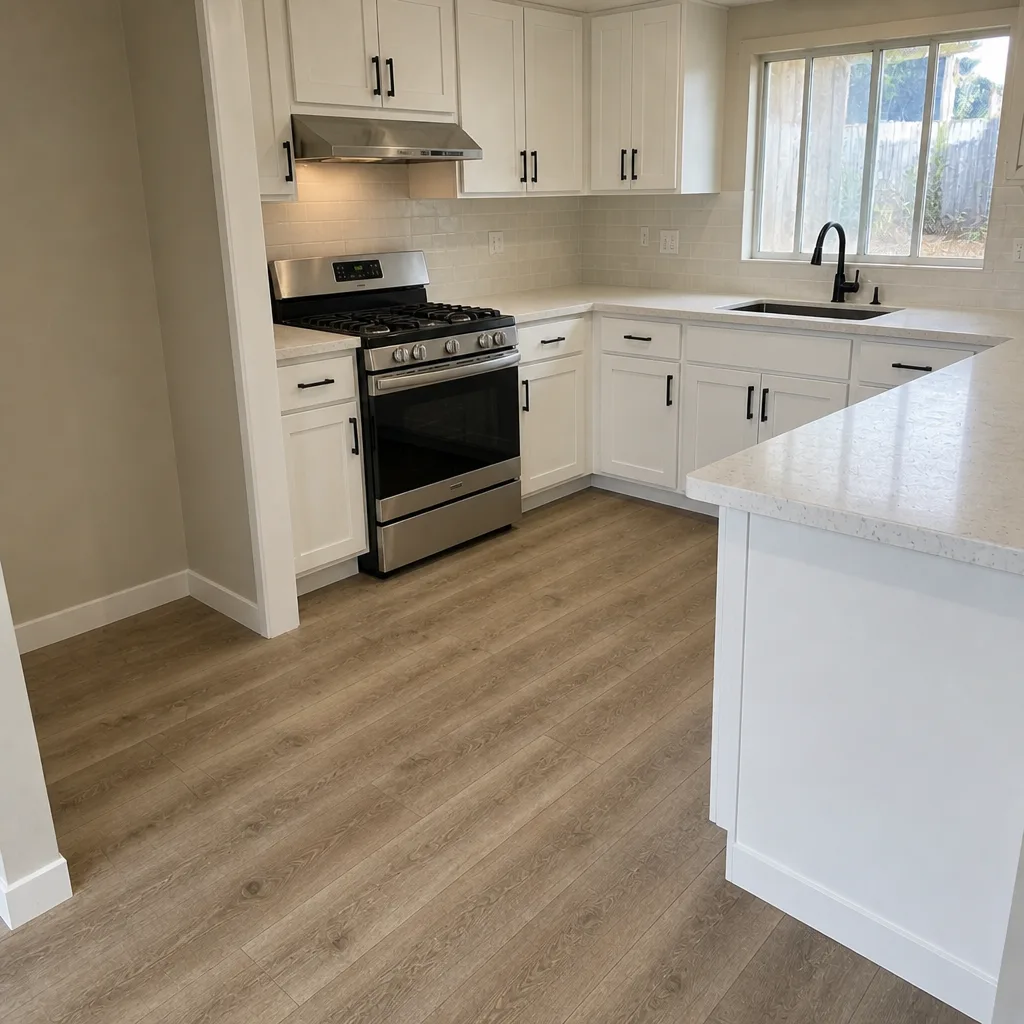
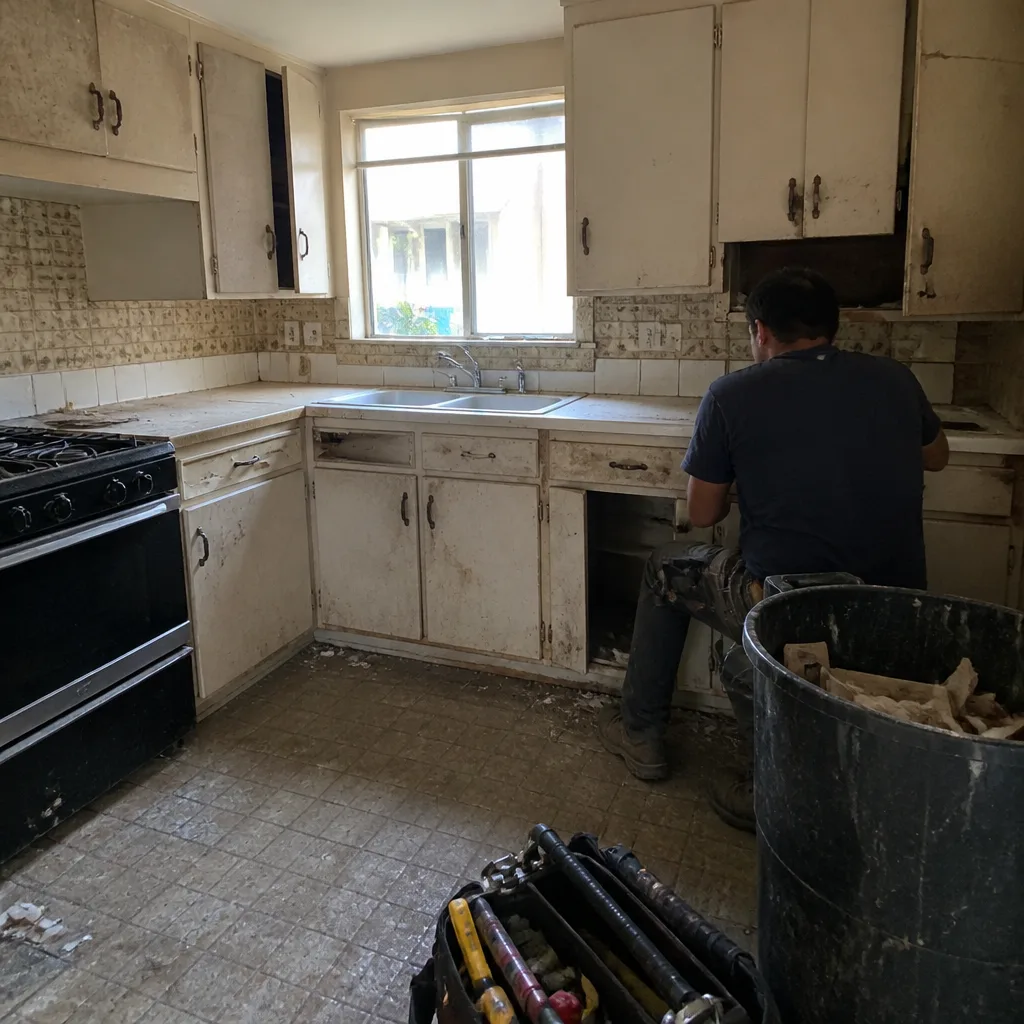
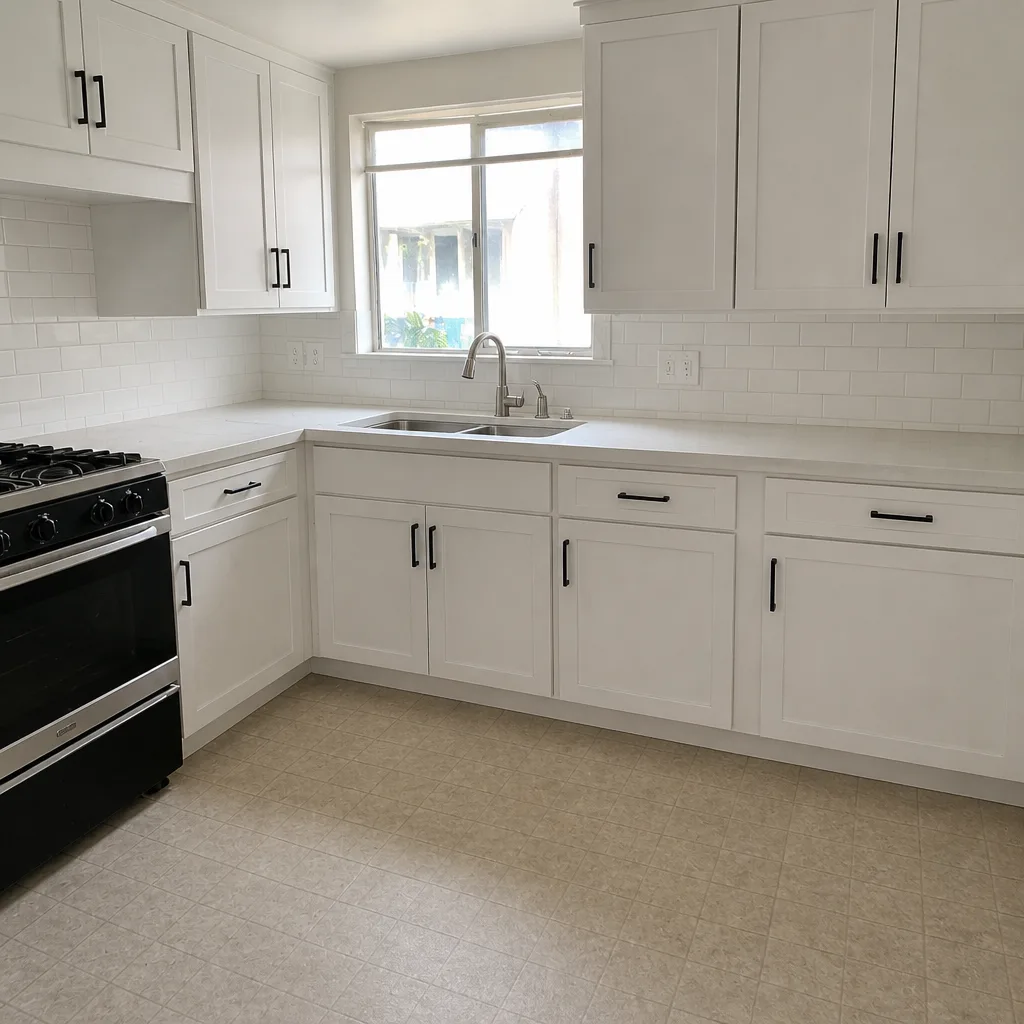
See the difference
 Before
 After
 Before
 After
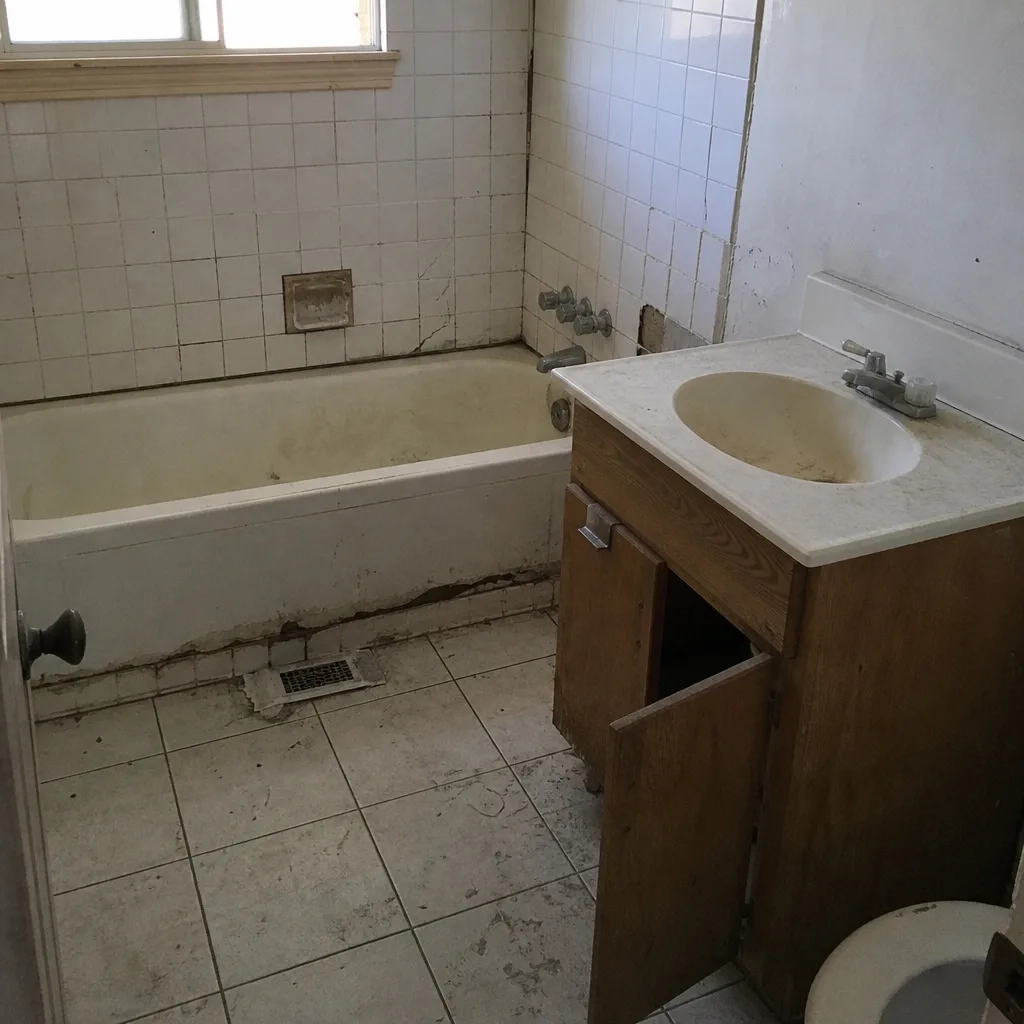 Before
 After
When to Call a Professional
Three scenarios are your trigger to call a licensed contractor in Concord. First, if you’re planning any remodel that touches the lower level, garage framing, or exterior cladding on a home built before 1980, and you haven’t verified the cripple wall state – that’s a call now. Second, if your roof is due or your exterior is being re-sided, and you’re in a Concord Fire Hazard Severity Zone – the ember-resistant details need to go on the plans before they get built. Third, if your gas meter situation is unclear after an earthquake, that’s a call to a licensed plumber immediately – do not open the piping yourself. Bradford Remodeling Co Concord offers free estimates in Concord – call (866) 476-6447 to schedule yours.
Frequently Asked Questions
A cripple wall brace-and-bolt retrofit for a typical Concord single-family home runs $3,500 to $8,500 depending on crawlspace access and wall height. Foundation replacements, if needed, push that to $25,000 – $55,000. Call (866) 476-6447 for an exact quote – estimates are free.
If your home was built before 1980 and sits on a raised foundation, it almost certainly has a cripple wall – the short wood-framed wall between the foundation and the first floor. You can confirm by looking into the crawlspace; if the foundation is a continuous concrete perimeter and the wood framing sits on top, that’s a cripple wall. Any contractor can identify it in a ten-minute crawlspace walk.
Yes. Anchor bolting and cripple wall bracing in Concord requires a building permit through the City of Concord Community Development Department. The work is inspected in phases – framing inspection before the walls are closed, and a final inspection when the retrofit is complete. Don’t let any contractor tell you otherwise.
It shouldn’t. Bradford Remodeling Co Concord puts the price in writing before any work starts, and that written price is what you pay – no change orders at the door, no surprise line items. If a scope change is genuinely needed mid-project, it gets a written change order before the work continues, and you approve it in writing. Call (866) 476-6447 for a free estimate with a written line-item price.
An excess flow valve closes when it senses a sudden surge of gas – a ruptured line, a damaged meter, or a quake-driven break. A seismic shutoff valve activates automatically on strong ground shaking, shutting gas off before the fire wave. Only the seismic valve responds to the quake itself. Ask PG&E whether your service has an EFV, and have a licensed plumber verify whether a seismic valve is installed after your meter.
Yes. Every project Bradford Remodeling Co Concord performs that requires a permit gets the permit pulled, the inspections scheduled, and the final signed off before we consider the project closed. That’s part of The Garrison Standard – the paperwork is squared away before we hand back the keys. Call (866) 476-6447 to schedule your free estimate.
The Bottom Line
Concord homes face three overlapping emergencies – earthquakes, wildfire, and atmospheric river flooding – and the remodel decisions you’re already making either prepare the house or leave it vulnerable. The single highest-return upgrade for most Concord homes is a braced and bolted cripple wall retrofitted alongside whatever else you’re building, typically $3,500 to $8,500. Layer on ember-resistant vents in Fire Hazard Severity Zones, verify which gas safety device you actually have, and demand the three documents – license, insurance certificate, written line-item contract – before anyone touches the house. Then relax. That’s what squared away looks like.
Bradford Remodeling Co Concord connects Concord homeowners with an independent local professional who is licensed and insured as California requires, performs to The Garrison Standard, and backs every completed project with the 365-Day Done Right Promise. Free estimates, written price before work begins, and a live person answering the phone 24/7. Call (866) 476-6447 to schedule yours.
Written by the team at Bradford Remodeling Co Concord.