Last updated November 18, 2026

Free written scope consultation - allowances, timeline, and change-order rules on paper before a single trade is scheduled
DIY vs Professional Bathroom Remodeling: What’s Safe to Do Yourself
In California, a homeowner can pull their own permit and do their own plumbing. But if you sell the house within two years of that work, disclosure requirements kick in that can complicate a sale more than the original contractor cost would have. That’s the part most DIY guides skip. The question isn’t whether you can swing a hammer – it’s which tasks carry permit obligations, inspection requirements, or liability consequences that turn a weekend project into a legal and financial risk. We’re Bradford Remodeling Co Concord, and we’ve walked into enough half-finished Concord bathrooms to know where the line is. This guide draws that line task by task, so you know exactly what’s safe to handle and what will cost you more to fix later.
Quick Answer
Cosmetic work like painting, swapping a vanity, replacing a toilet, and installing tile is generally safe and legal to do yourself in California. Anything involving plumbing, electrical, or structural changes requires a permit – and in most Concord bathrooms, the moment you open a wall or move a drain line, you’ve crossed from cosmetic into mechanical work that needs inspection. Structural changes (moving walls, cutting joists, altering the subfloor structure) require a licensed contractor.
Styles & brands we work with
- Kitchen remodeling
- Bathroom remodeling
- Home additions & ADU
- Roofing
- Windows & doors
- Driveway & pavers
- Fence
Table of Contents
- The Three Regulatory Lines in California Bathroom Work
- Task-by-Task Skill and Risk Assessment
- What Unpermitted Work Actually Means at Resale in Concord
- The Hidden Cost of DIY Mistakes
- The Hybrid Model: What You Can Supply and Where the Handoff Is
- How Permits Work in Concord Specifically
- When to Call a Professional
- Frequently Asked Questions
The Three Regulatory Lines in California Bathroom Work
California bathroom remodeling splits into three categories, and they don’t carry the same rules. Knowing which line you’re standing on tells you whether you can proceed, whether you need a permit, and whether you need a licensed contractor. Most homeowners blur these together and either pull permits they don’t need or skip permits they absolutely do.
Cosmetic work: painting, caulking, replacing a light fixture that’s already wired (like-for-like, no new circuit), swapping a vanity top, replacing a mirror, refacing cabinets. No permit. No license required. This is genuinely DIY territory if you’re reasonably handy.
Mechanical, plumbing, and electrical work: replacing a shower valve, moving a toilet drain, adding an exhaust fan that requires a new circuit, swapping a vanity faucet (yes, even faucets technically fall under plumbing, though most jurisdictions don’t require a permit for a simple fixture swap). This work requires a permit in Concord. California allows homeowners to pull their own permit for work on their primary residence – it’s called an owner-builder permit. You can do the work yourself if you pass inspection.
Structural work: moving a load-bearing wall, cutting or notching joists, altering subfloor framing, converting a tub to a curbless shower that requires floor structure changes. California requires a licensed contractor for this. An owner-builder permit does not cover structural modifications unless you’re genuinely acting as your own general contractor and taking on the liability that comes with it.
The practical takeaway: painting and trim? Go ahead. Swapping a toilet? Legal and usually fine. Moving the drain for that toilet to a new wall? That’s a permit and an inspection. Cutting a joist to route a new drain line? Stop and call someone licensed.
Task-by-Task Skill and Risk Assessment
Here’s how the most common DIY bathroom tasks stack up. We’ve based these on what we actually see in Concord homes – mid-century ranches with original cast-iron drains, 1980s tract builds with particleboard subfloors, and newer construction with PVC and engineered joists.
Vanity Swap
Skill level: Low to moderate. Risk: Low, if the plumbing lines already match. Permit: Usually not required for a like-for-like replacement. If you’re moving the supply lines or drain, you need one.
Easiest task on the list, provided the new vanity fits the existing plumbing rough-in. The trouble starts when the old vanity was set at 32 inches from the wall and the new one needs 30, or when the shutoff valves are seized and you snap one trying to turn it. Budget for new supply lines and a shutoff replacement at minimum. If your Concord home is pre-1970, check whether the drain is cast iron – a corroded cast-iron trap arm can crack the moment you touch it.
Toilet Replacement
Skill level: Low to moderate. Risk: Moderate – water damage if the wax ring fails. Permit: Not typically required for a straight replacement in the same location. Required if you’re moving the toilet or changing the drain.
The wax ring is the whole job. Get it seated correctly and you’re done in an hour. Get it wrong and you’re looking at a slow leak that rots the subfloor under the flange over months before you notice. Weight matters too: the flange has to be flush with or slightly above the finished floor. If you’re installing tile, account for the new floor height before you set the flange or you’ll be using an extension kit and hoping it seals.
Tile Installation
Skill level: Moderate to high. Risk: High – waterproofing failures are expensive and slow to reveal themselves. Permit: Not required for tile itself. Required if you’re changing the shower pan or moving plumbing.
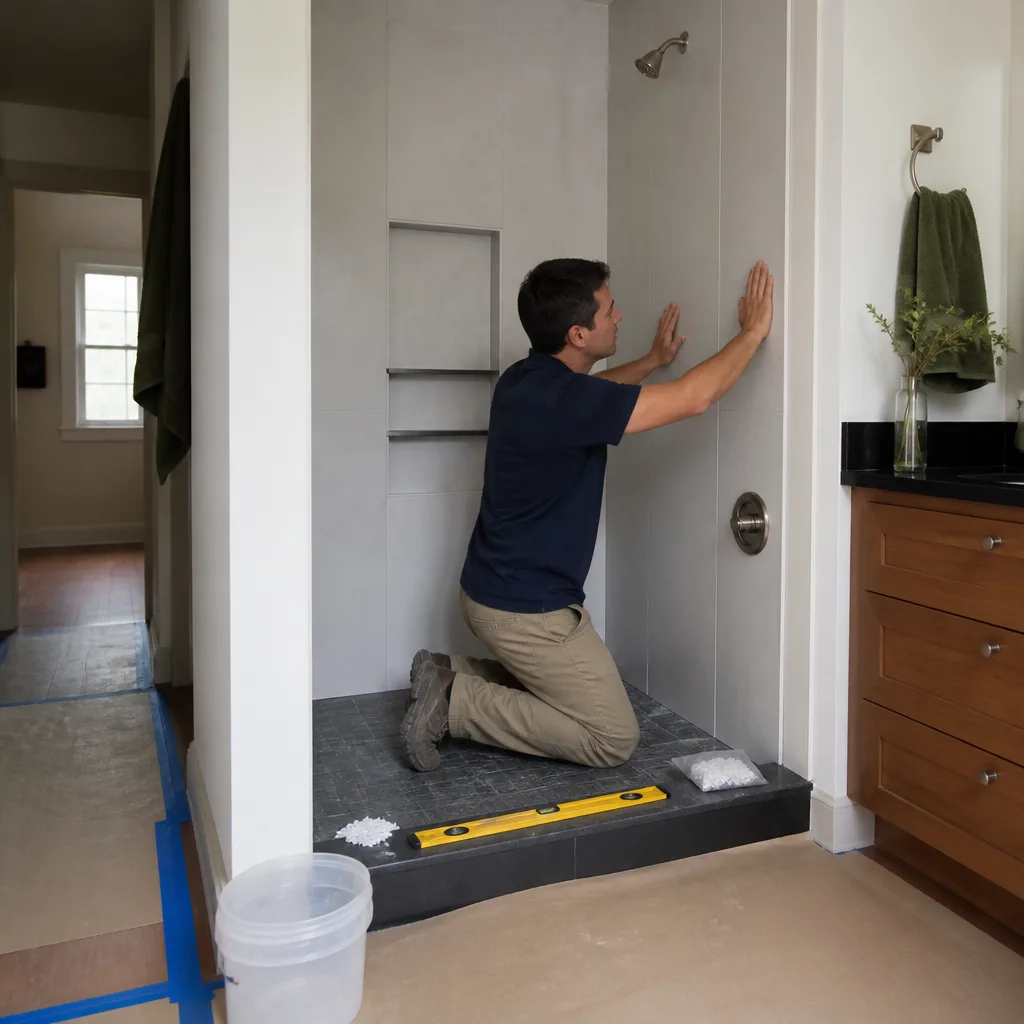
Tile looks like the most DIY-friendly task on the list. It’s the one that fails most often. The tile is the visible layer. What’s underneath – the substrate, the waterproofing membrane, the slope on the shower pan – determines whether the job lasts ten years or two. In our experience, most homeowner tile failures come from skipping the waterproofing membrane entirely, using the wrong thinset for the substrate, or not sloping the shower pan toward the drain. We’ve pulled out shower tile in Concord where the backer board was sitting directly on greenboard and the whole thing was a sponge behind the tile.
Shower Valve Replacement
Skill level: High. Risk: High – flooding, water damage, and code compliance. Permit: Required in Concord.
This is where most DIY bathroom projects hit the wall. Replacing a shower valve means opening the wall, cutting out the old valve body, sweating or pressing in the new one, and getting the rough-in depth exactly right so the trim plate sits flush with the finished tile. If the valve is set too deep, the trim won’t cover the hole. If it’s too shallow, the handle sticks out and the cartridge doesn’t seat. Get the solder joint wrong and you have a slow drip inside the wall that shows up as a water stain on the ceiling below three months later. This is not a task to learn on. Call a licensed plumber.
Subfloor Repair
Skill level: High. Risk: High – structural. Permit: Required if you’re cutting or sistering joists. A simple plywood patch over a soft spot may not need one, but any structural modification does.
Subfloor damage in Concord bathrooms usually shows up as a soft spot near the toilet flange or under the tub. The fix depends on what’s underneath. If the joist is sound and the plywood is just water-damaged, you can cut out the damaged section and patch it with exterior-grade plywood. If the joist is rotted or notched past code, that’s structural repair and it’s not a homeowner job. Most failed subfloor repairs we see involve a too-thin patch that flexes under tile and cracks the grout within a year.
What Unpermitted Work Actually Means at Resale in Concord
This is where the DIY decision gets expensive years later. California requires sellers to disclose known material defects and any work done without permits. If you pulled an owner-builder permit and did the plumbing yourself, that’s legal and disclosable. If you did the plumbing without a permit, that’s a different problem.
When a buyer’s inspector flags unpermitted work, three things happen. First, the buyer asks for a credit or a price reduction. Second, the lender may require the work to be permitted and inspected before closing – which means opening walls you just finished. Third, your homeowner’s insurance may deny a claim if the damage traces to unpermitted work. That last one is the one most homeowners don’t consider until it’s too late.
Concord’s Building Division can require you to pull a permit retroactively and open the work for inspection. If the work doesn’t pass, you either fix it or disclose it as-is and take the price hit. On a bathroom, the delta between “permitted and inspected” and “unpermitted” at resale is often $5,000 to $15,000 in credits or lost value – more than the original permit and inspection fees by a wide margin. This isn’t a scare tactic. It’s the number we see at the closing table.
The Hidden Cost of DIY Mistakes
The math on DIY isn’t just materials versus labor. It’s what it costs to fix a mistake that a professional has to remediate. Here’s what we’ve actually seen in Concord bathrooms.
- Unlevel tile substrate: A floor that’s out of level by a quarter inch over ten feet looks fine until the tile goes down and the grout lines telegraph the slope. Tear-out and redo typically runs $1,200 to $2,800 for a standard bathroom floor, plus tile.
- Improper trap configuration: A sink or shower drain without a proper P-trap allows sewer gas into the house and code inspectors will catch it. Fixing it after the fact means opening the wall or ceiling below, typically $400 to $1,200.
- Failed waterproofing: The expensive one. A shower that leaks behind the tile for a year rots the framing and the subfloor. Remediation runs $3,500 to $8,000 or more depending on how much framing has to be replaced.
- Wrong thinset on the substrate: Modified vs. unmodified matters. Using the wrong one causes tile to debond over months. Tear-out and redo, same as the level issue.
- Missed shower pan slope: Water pools in the corner and mold sets in. A re-slope means a new pan, new waterproofing, and new tile – essentially a shower rebuild.
The pattern is consistent: the fix costs two to four times what the original trade labor would have cost. If you’re hiring a contractor for the bathroom anyway, bundling the plumbing and waterproofing into the scope is almost always cheaper than doing it yourself and paying for remediation later.
The Hybrid Model: What You Can Supply and Where the Handoff Is
There’s a middle path that saves real money without putting the permit and waterproofing risk on you. It’s how we scope a lot of Concord bathroom projects: homeowners supply the finish materials they care about, we handle the mechanical and structural work and the waterproofing that hides behind the tile.
What homeowners can supply:
- Tile and grout (you pick the tile, we set it)
- Vanity and vanity top
- Fixtures – faucets, showerheads, towel bars (Kohler and Moen both list full specs and warranties on every fixture, which makes it easy to match against the rough-in)
- Mirrors, lighting, and paint
- Toilet (if it fits the existing rough-in)
What we scope as contractor-supplied and contractor-installed:
- Shower valve and all rough plumbing
- Waterproofing membrane and substrate
- Electrical changes and exhaust fan installation
- Subfloor repair and any structural work
- Permit pulling and inspection coordination
The handoff point is the wall cavity. The moment a wall is open and the plumbing and electrical are exposed, that’s the professional’s territory. Once the rough-in passes inspection and the waterproofing is done, the finish work – tile, paint, trim – can be homeowner-supplied without compromising the guarantee. Every Bradford project gets a written price before work starts, and the scope lays out exactly which tasks are ours and which are yours. The 365-Day Done Right Promise covers the work we perform for a full year – if it fails inside that window, we come back and correct it at no charge.
How Permits Work in Concord Specifically
Concord follows the California Building Code with local amendments, and the permit process for a bathroom remodel is more straightforward than most homeowners expect. Here’s the sequence, step by step.
- Determine permit scope: Cosmetic work doesn’t need a permit. Plumbing, electrical, and structural changes do. If you’re unsure, call the Concord Building Division and describe the work – they’ll tell you.
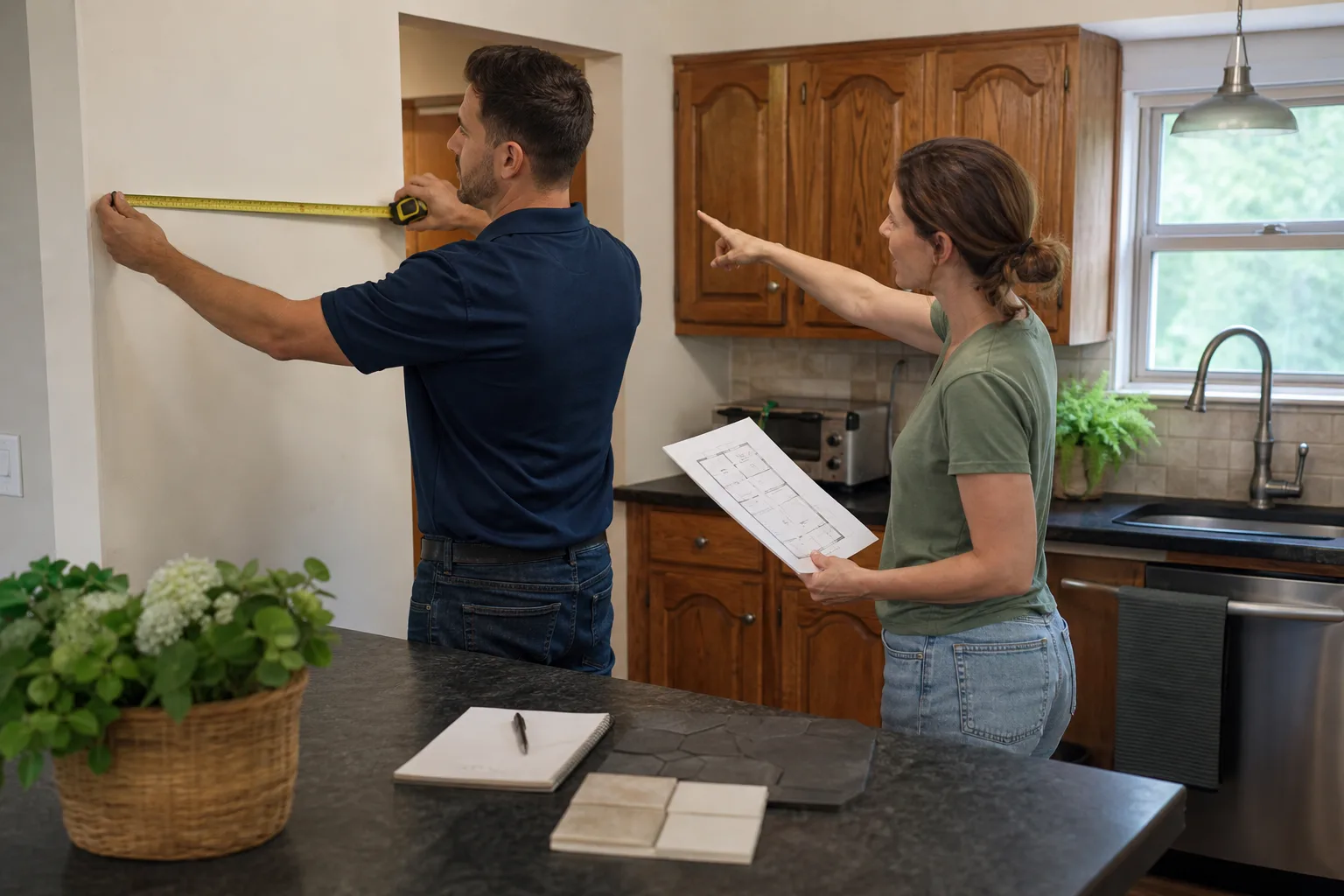
- Submit the application: For a homeowner, this is an owner-builder permit. You’ll need a simple scope description and often a basic drawing. For a contractor, we submit the application with the full plan set.
- Pay the permit fees: Concord’s fees for a bathroom remodel are based on valuation and typically run a few hundred to a couple thousand dollars depending on scope. The permit fee is not the expensive part – the inspection and the compliance are what you’re paying for.
- Schedule the rough-in inspection: Before the walls close, the plumbing and electrical rough-in must be inspected. This is the step DIYers skip and regret – if the inspector can’t see it, it didn’t happen.
- Final inspection: After tile, fixtures, and finish, the inspector signs off. Keep the signed permit card. That piece of paper is what protects your resale value.
Concord’s Building Division responds to inspection requests within a few business days in most cases. The timeline for a full bathroom permit from application to final is typically four to eight weeks depending on scope and how quickly the trades move through the sequence.
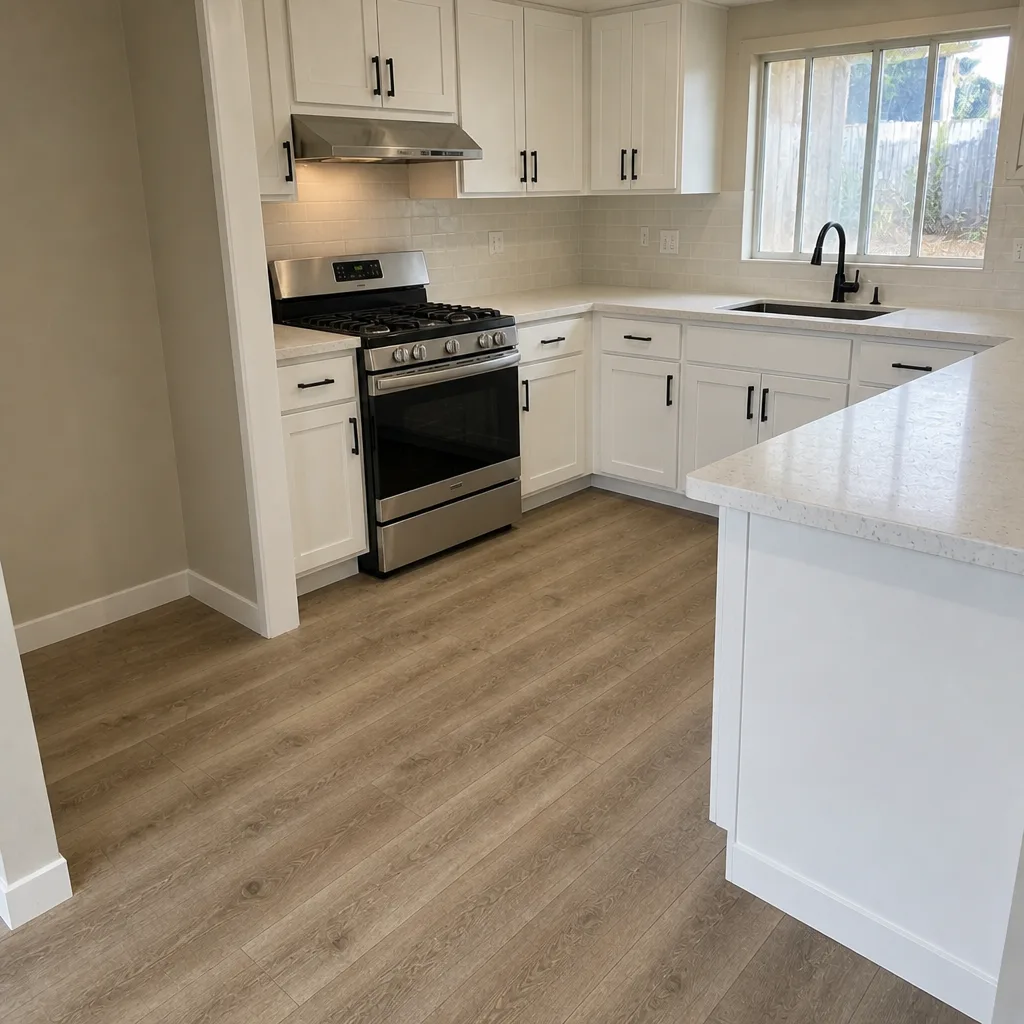
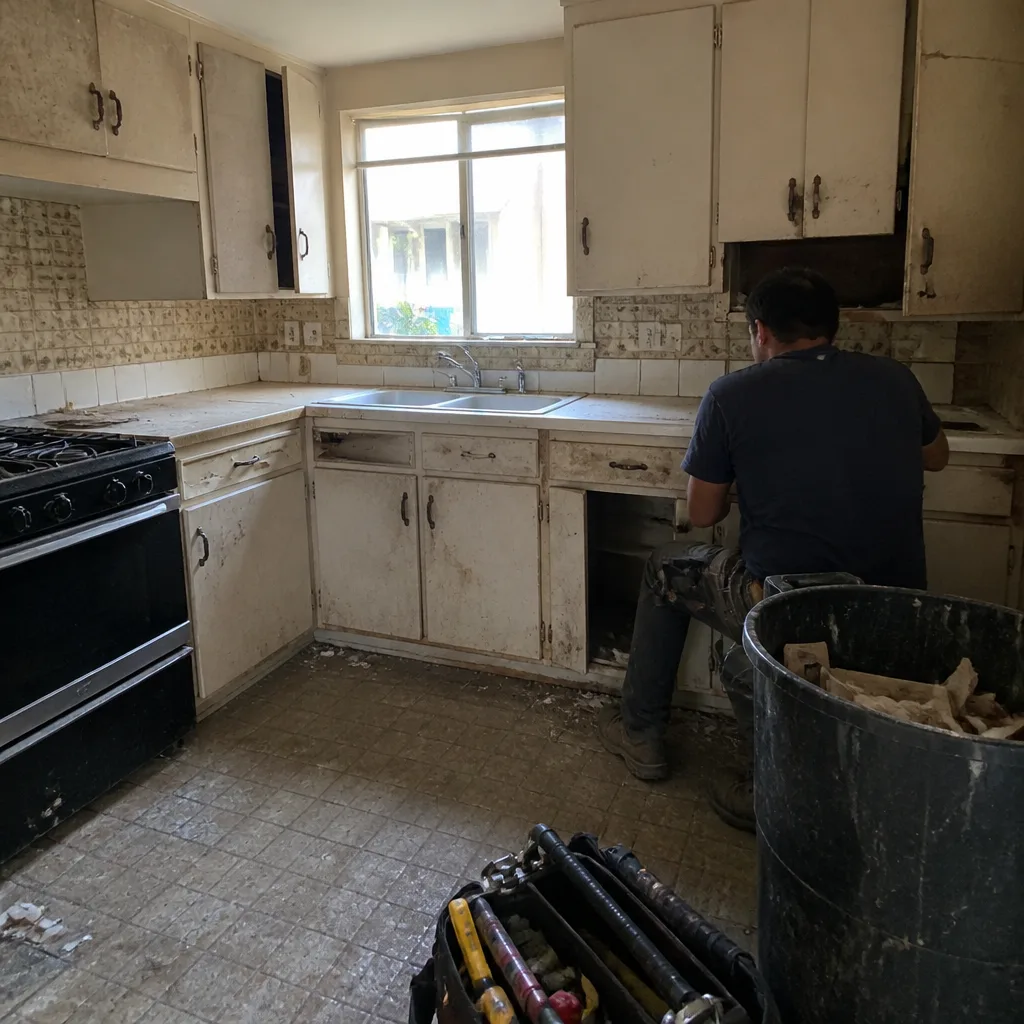
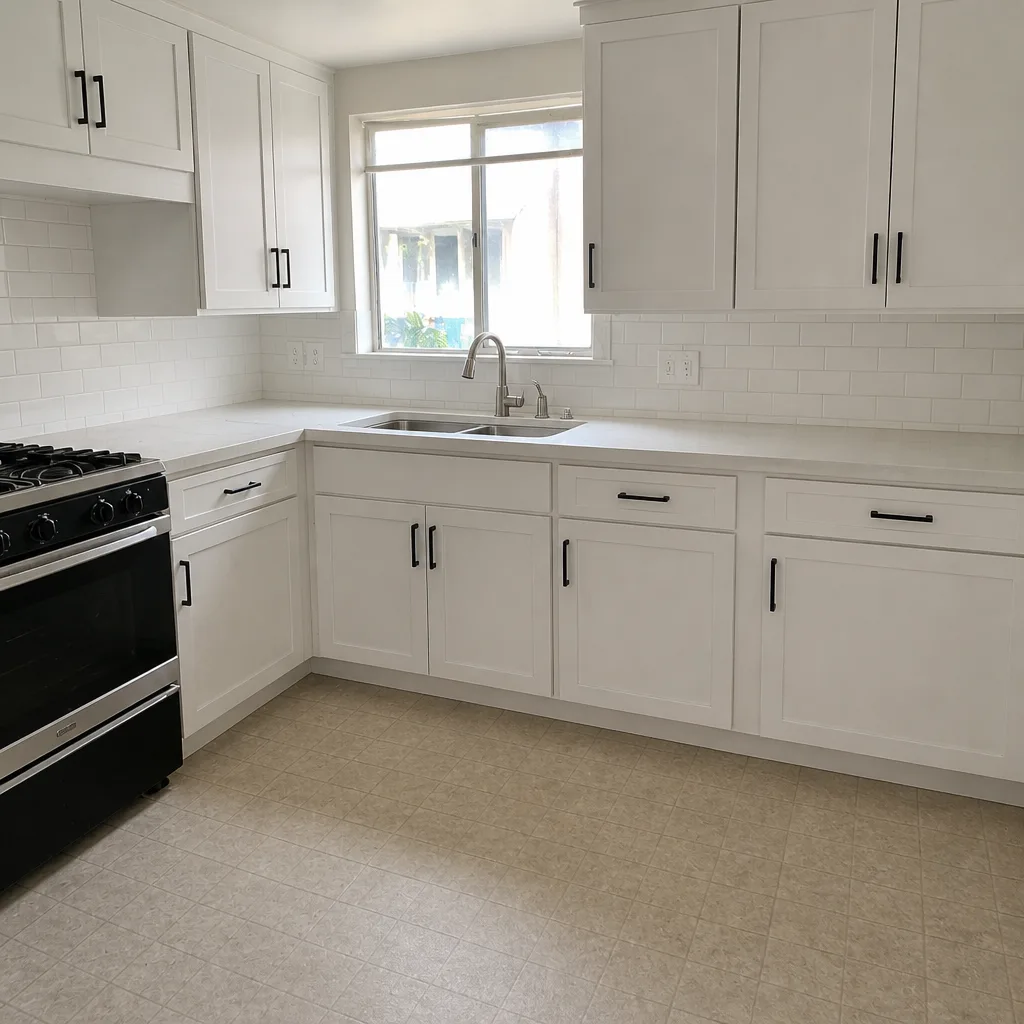
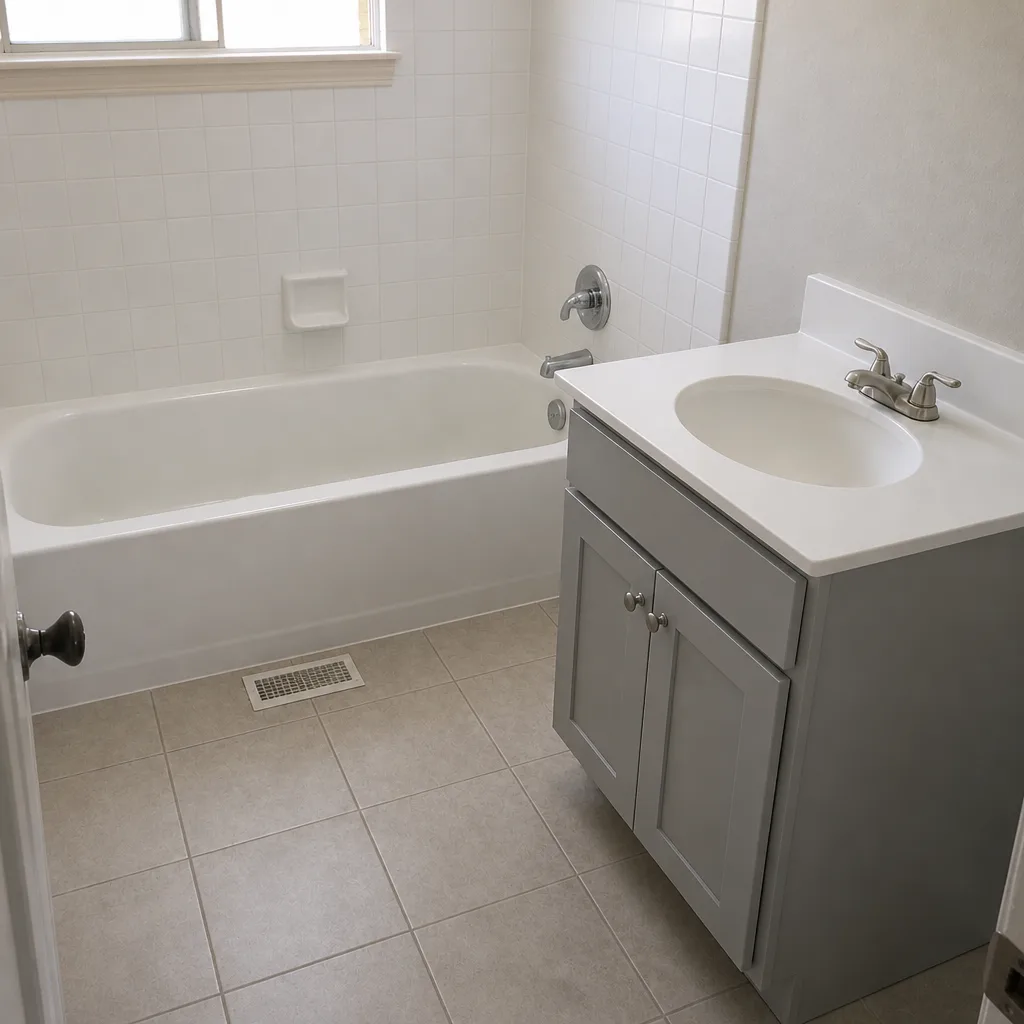
See the difference
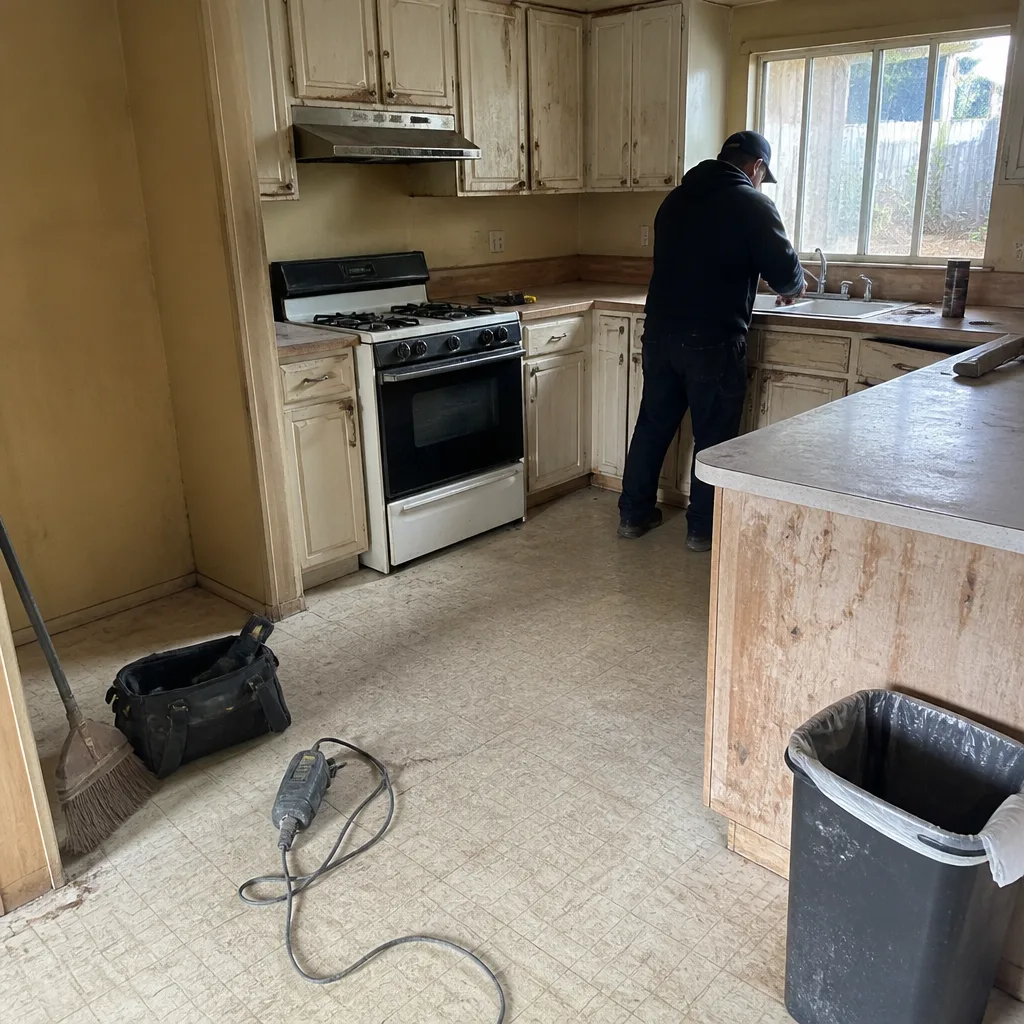 Before
 After
 Before
 After
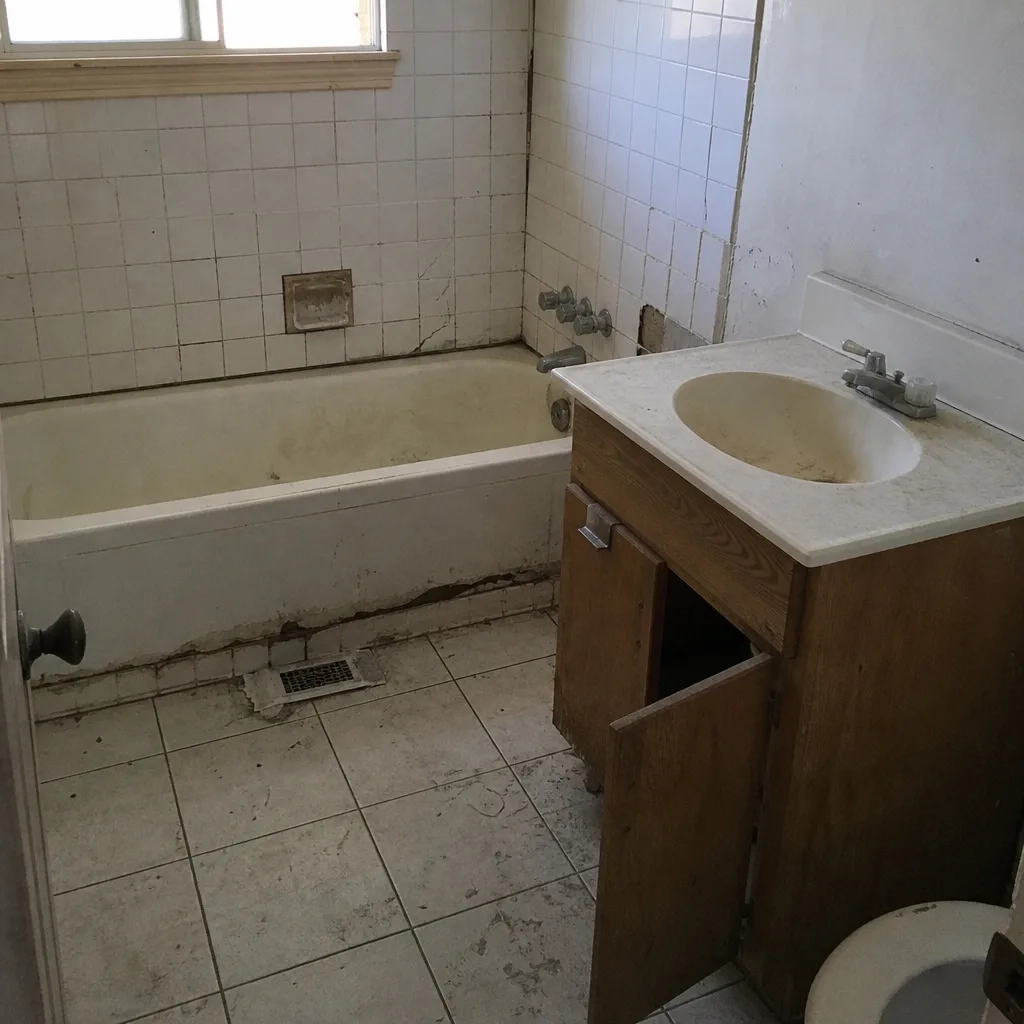 Before
 After
Common Mistakes to Avoid
- Doing plumbing without a permit to “save the hassle.” The hassle is the inspection. Skipping it means the work isn’t legal and the resale disclosure problem is yours. Concord inspectors can require you to open the wall years later to verify what’s behind it.
- Using greenboard under shower tile. Greenboard is moisture-resistant, not waterproof. It sits behind the tile, absorbs water, and rots the framing. The right substrate is cement board or a foam board with a waterproof membrane – full stop.
- Skipping the waterproofing membrane in a shower. RedGard, Schluter Kerdi, and similar products are not optional. Behind-the-tile failures in Concord bathrooms almost always trace back to this one omission.
- Not accounting for floor height when installing tile. Adding tile over a new subfloor raises the finish floor. That difference affects the toilet flange, the door clearance, and the shower curb. We’ve re-cut more than one bathroom door because of this.
- Buying a vanity before measuring the rough-in. The supply lines and drain on the old vanity rarely line up with the new one. Measure the rough-in before you buy, not after.
- Assuming the subfloor is sound because it feels flat. Water damage hides under the floor covering. A soft spot near the toilet or tub means the subfloor needs inspection before you tile over it.
- Tackling the shower valve as a learning project. We’ve said it once; we’ll say it again. This one floods houses. Hire a licensed plumber.
When to Call a Professional
Call a professional the moment any of the following enters the scope: moving or replacing plumbing, changing electrical, opening a wall, altering the subfloor structure, or installing a new shower. Each of these requires a permit and inspection, and each carries the risk of a hidden failure that costs thousands to fix. The DIY trades that save real money without that risk – painting, trim, tile once the substrate is set, fixture installation after the rough-in is done – are all tasks we’ve scoped as homeowner-supplied on Concord projects. The line isn’t about skill. It’s about what happens when the work fails. A professional’s work is backed by a written guarantee; yours isn’t.
If you’re planning a bathroom remodeling in Concord, the best time to make the DIY-versus-pro decision is before the first permit is pulled. Bradford Remodeling Co Concord offers free estimates in Concord – call (866) 476-6447. We’ll scope the work task by task, put the price in writing, and tell you plainly which tasks you can handle and where the handoff is.
Frequently Asked Questions
You need a permit for any plumbing, electrical, or structural work – not for cosmetic work like paint, tile, or a vanity swap. If you’re opening a wall, moving a drain, adding an exhaust fan, or replacing a shower valve, pull the permit. California allows homeowners to pull an owner-builder permit for work on their primary residence, but the work still has to pass inspection. Call the Concord Building Division if you’re unsure about a specific task, or call (866) 476-6447 for a free estimate and we’ll tell you what your project needs.
Yes, on your own primary residence. California’s owner-builder exemption allows a homeowner to perform plumbing work on the home they live in, provided they pull the required permit and pass inspection. The exemption does not extend to rental properties or homes you intend to sell within a short window, and it doesn’t cover structural modifications. The work must still meet code – the exemption is about who does the work, not about whether the work gets inspected.
You have to disclose unpermitted work at resale, and the buyer’s inspector will flag it. The consequences range from a price credit of $5,000 to $15,000 on a bathroom, to a lender requiring the work to be permitted and inspected before closing, to insurance denying a claim on damage that traces to the unpermitted work. The math almost never works in your favor. Call (866) 476-6447 for a free estimate on doing it right the first time.
Tile installation on a floor is moderately safe to DIY if the substrate is sound and level. Tile in a shower is not – the waterproofing and pan slope under the tile determine whether the shower lasts, and those are the parts homeowners get wrong most often. If you’re tiling a shower, have a professional set the substrate and waterproofing, then you can tile over it if you’re confident in your layout and thinset skills.
A full bathroom remodel in Concord with contractor-supplied fixtures and finishes typically runs $18,000 to $35,000 depending on size and scope. Supplying your own tile, vanity, and fixtures can reduce that by 15 to 25 percent – roughly $3,000 to $8,000 – without touching the permit-covered work. The 365-Day Done Right Promise covers the labor and materials we supply for a full year regardless of who supplied the finishes. Call (866) 476-6447 for a written price before any work starts.
Check three things: the written price, the scope, and the guarantee. The price should be in writing before work starts, the scope should specify exactly which tasks are covered and which are not, and the guarantee should say what’s covered and for how long. Ask whether permits are pulled by the contractor and whether the crew is background-checked. Bradford Remodeling Co Concord answers the phone 24/7 with a live person and provides a written price on every project – call (866) 476-6447 to schedule a free estimate.
The Bottom Line
The DIY-versus-pro question in a Concord bathroom isn’t about skill. It’s about permits, inspections, and liability. Cosmetic work is safe to handle – paint, trim, tile once the substrate is set, fixture swaps, a toilet replacement in the same location. Anything involving plumbing, electrical, structural work, or shower waterproofing carries a permit requirement and a hidden-failure risk that costs two to four times the trade labor to fix. The hybrid model – homeowner supplies the finishes, contractor handles the mechanical and waterproofing – captures most of the savings without the legal exposure. Every Bradford project comes with a written price before work starts and the 365-Day Done Right Promise, so you know exactly what’s covered and for how long. If you’re ready to scope the work, our Bradford Remodeling Co Concord home page is the starting point. For the broader picture, see our General Contractor in Concord guide and our Kitchen Remodeling in Concord guide.
Call (866) 476-6447 for a free estimate. A live person answers 24/7, and we’ll put the price in writing before a single tool comes out.
Written by the team at Bradford Remodeling Co Concord.