Last updated November 18, 2026





Free written scope consultation - allowances, timeline, and change-order rules on paper before a single trade is scheduled
Choosing the Right Construction Brand: A Buyer’s Guide for Concord
A four-star Google rating for a Concord contractor tells you they satisfy most customers most of the time. It tells you nothing about what happens when yours is the project where something goes wrong, and that’s the only scenario where contractor selection actually matters. When a tile shower pans leaks eight months after handoff or a kitchen cabinet run pulls away from a wall it was anchored into, you stop caring about marketing and start caring about procedures. This guide is about reading those procedures before you sign. You’ll learn how to check CSLB complaint history properly, what makes a guarantee enforceable, how to tell a real scope document from a wish list, and the referral questions that actually surface risk. We’re a Concord contractor, so we’ll use local examples throughout.
Quick Answer
To choose a remodeling contractor in Concord, weigh license and complaint history, contract structure, and warranty language ahead of brand name or star rating. A contractor worth hiring gives you a written, line-item price before work starts, a scope document that defines the work rather than the contractor’s intentions, and a written guarantee that names its coverage period, its triggers, and who performs the return work. Online reputation tells you how the average job went. Process tells you what happens when yours isn’t average.
Styles & brands we work with
- Kitchen remodeling
- Bathroom remodeling
- Home additions & ADU
- Roofing
- Windows & doors
- Driveway & pavers
- Fence
Table of Contents
- Why CSLB License History Beats Reviews
- What a Written Guarantee Needs to Say to Be Enforceable
- How to Read a Scope Document
- The Referral Verification Process That Matters
- Pre-Construction Agreement vs. Full Construction Contract
- Why a Written Price Before Work Starts Changes Everything
- Local Context: What Concord Homes Actually Demand
- Common Mistakes to Avoid
Why CSLB License History Beats Reviews
A contractor’s rating tells you how they performed on jobs that went fine. Their Contractor State License Board record tells you what happened on the jobs that didn’t. Anyone can buy advertising; nobody buys a clean complaint file. If you want to rank contractors seriously, start with the CSLB website and spend twenty minutes there before you spend a single one on Yelp.
Here’s how to read it. The license lookup shows license status first – active, expired, suspended, or revoked. An active license with proper classification is the floor, not a bonus. From there, open the complaint and citation history tabs. You’re looking for patterns and for how disputes ended, not just whether they exist. A small contractor who’s completed two hundred jobs and has one resolved complaint is a normal business. A contractor with five complaints where the resolution was “arbitration award to complainant” is a different story, and no website copy outranks that record.
- Unresolved complaints: The most serious signal. An open complaint means a homeowner is still waiting on a resolution, and CSLB arbitrations that don’t settle usually mean the contractor stopped cooperating.
- Paid-and-closed complaints: Less alarming, especially if the file shows the contractor corrected the work. Volume matters here: one resolved complaint across five years is noise; four resolved complaints across two years is a quality signal.
- Citations: A citation is a regulatory finding, not a customer gripe – for example, unlicensed activity, failure to secure a permit, or violations of contracting law. Citations carry fines and are not the same as a homeowner complaint.
- License classification: Make sure the classification matches your project. A B-General Building classification covers a broad range of residential work; specialty classifications are narrower.
Concord’s older housing stock, much of it built between the 1950s and 1980s around Clayton Road and the downtown grid, means lots of renovation work happens on structures that weren’t designed for what’s being installed. Contractors working in that environment pull permits and get inspections, or they cut corners where nobody’s watching. License history is the first place that pattern shows up.
What a Written Guarantee Needs to Say to Be Enforceable
Most guarantees are decorative. They say “we stand behind our work” and leave it there, which means nothing when the sealant fails in month nine. An enforceable guarantee answers four questions on paper: how long it covers, what triggers a return visit, who performs the warranty work, and what voids it. If a contractor can’t answer all four in writing, they haven’t given you a guarantee – they’ve given you a sentiment.
Our own version, the 365-Day Done Right Promise, is a full-year written guarantee on every completed project. If the work fails inside that window, we return and correct it at no charge. That’s the coverage period and the trigger, stated plainly. The point isn’t that our guarantee is unique; it’s that a real one has to be specific enough that two people reading it would agree on whether the work failed and whether it gets fixed.
- Coverage period: How many months or years, and from what date? Job completion is standard. From the invoice date is less favorable to you.
- Trigger: What counts as a failure – a leak, delamination, a joint that opens past a stated tolerance? Vague triggers are where guarantees quietly die.
- Who performs the repair: The original contractor, a subcontractor, or a manufacturer warranty claim? Know who shows up.
- Exclusions and voids: Normal wear, misuse, and alterations by others are common exclusions. Manufacturer defects are usually handled under the brand warranty, not the contractor’s, so ask how the two interact.
- Response commitment: Does the guarantee say how quickly they’ll schedule the return visit? A guarantee without scheduling language is easy to honor slowly.
For anything with a manufactured component – cabinetry, doors, exterior cladding – read the product warranty alongside the labor warranty. A James Hardie siding failure and a Therma-Tru door failure aren’t the same claim, and the manufacturer warranty only protects you if the installation matched spec. That’s why documentation matters as much as the promise itself.
How to Read a Scope Document
There are two kinds of scope. A scope that defines the work names the substrate, the underlayment, the rough-in, and the finish grade, and specifies quantities and methods. A scope that describes the contractor’s intent says “remove existing and install new to customer satisfaction.” Only the first kind protects you. The second kind is a mood.
In practice, a defining scope for a Concord kitchen remodel looks like this: it names the cabinet line and door style (for example, a KraftMaid layout with specified boxes and finish), the countertop material and edge profile and which seams get cut where (Cambria vs. Caesarstone changes the fabrication plan), the plumbing fixtures and trim by name (a Kohler and Moen mix behaves differently than house-brand parts), and the electrical scope with a rough-in allowance stated as a number, not a shrug. It names the substrate and backer board, the waterproofing method, and the lath. It states who pulls permits and whether the fee is included. It lists what isn’t happening – the finishes or appliances left out of the contract – because ambiguity in either direction costs somebody money.
- Defining scope: specifies materials by brand and model, method, quantity, and exclusions. It’s tedious to read, which is the tell.
- Intent-based scope: uses words like “as needed,” “per code,” “typical,” and “reference only.” Each of those phrases conceals a decision that hasn’t been made and a cost that hasn’t been priced.
- The allowance question: allowances (for tile, lighting, or fixtures) aren’t dishonest, but an unrealistically low allowance gets corrected later. Ask what the allowance covers and what happens when you exceed it.
- The missing language: if the scope doesn’t mention a wall or a transition, assume it’s excluded. The scope is the contract’s definition, not a narrator’s promise.
This is why we’ll always push a homeowner to read the scope line by line with us before signing. The conversation takes an hour and prevents the argument that otherwise arrives in week six when a homeowner learns the cabinet run was priced with a different door style than the one they wanted – and the change order costs more than the difference in cabinetry would have.
The Referral Verification Process That Matters
“Do you have references?” is a question with one honest answer, which is yes. It’s time to ask better questions. The point of a reference call isn’t to hear that the contractor was nice – it’s to reconstruct how the job actually ran. Call a past client of a candidate and ask about change orders, schedule adherence, and what happened when something went sideways. Then listen for specifics, not adjectives.
We’ve heard the same four questions surface the difference between a contractor who runs a disciplined job and one who improvises. Ask these:
- “How many change orders did the project have, and what caused them?” A remodel with a couple of scope-driven change orders is normal. A remodel with a dozen change orders that surprise the homeowner is a sign of an incomplete scope or a price that was always going to move.
- “Did work start on the day you were told, and did it finish on the date in the contract?” Then: “What happened when the schedule slipped?” Everyone has weather and material delays; what matters is whether you were told and what it cost.
- “Something went wrong – what was it, and what did they do?” The answer tells you more than any rating. A contractor who returned and fixed an issue at no charge on a job they’d already been paid for is a contractor who operates with a warranty habit.
- “Was the written price honored, or did numbers move at the door?” Every project should be priced in writing before work starts, and the closing invoice should trace back to the agreed numbers.
One more step nobody does: ask what the job site looked like at close of each day and at handoff. A contractor whose crews sweep and reset the work zone is a contractor whose procedures run deeper than the sales call. “Squared away” at close means a clean site, a documented scope, and a signed written guarantee in your hand, and a referral tells you whether that actually happened.
Pre-Construction Agreement vs. Full Construction Contract
A pre-construction agreement is a scope of work and design deliverable stage: selections, drawings, engineering where needed, and permit documentation for a fee. A full construction contract is the legal instrument that binds the build. They’re different documents with different jobs, and the contractor who’s asking for a deposit after showing you only a “proposal” is operating without the accountability structure that a full contract creates.
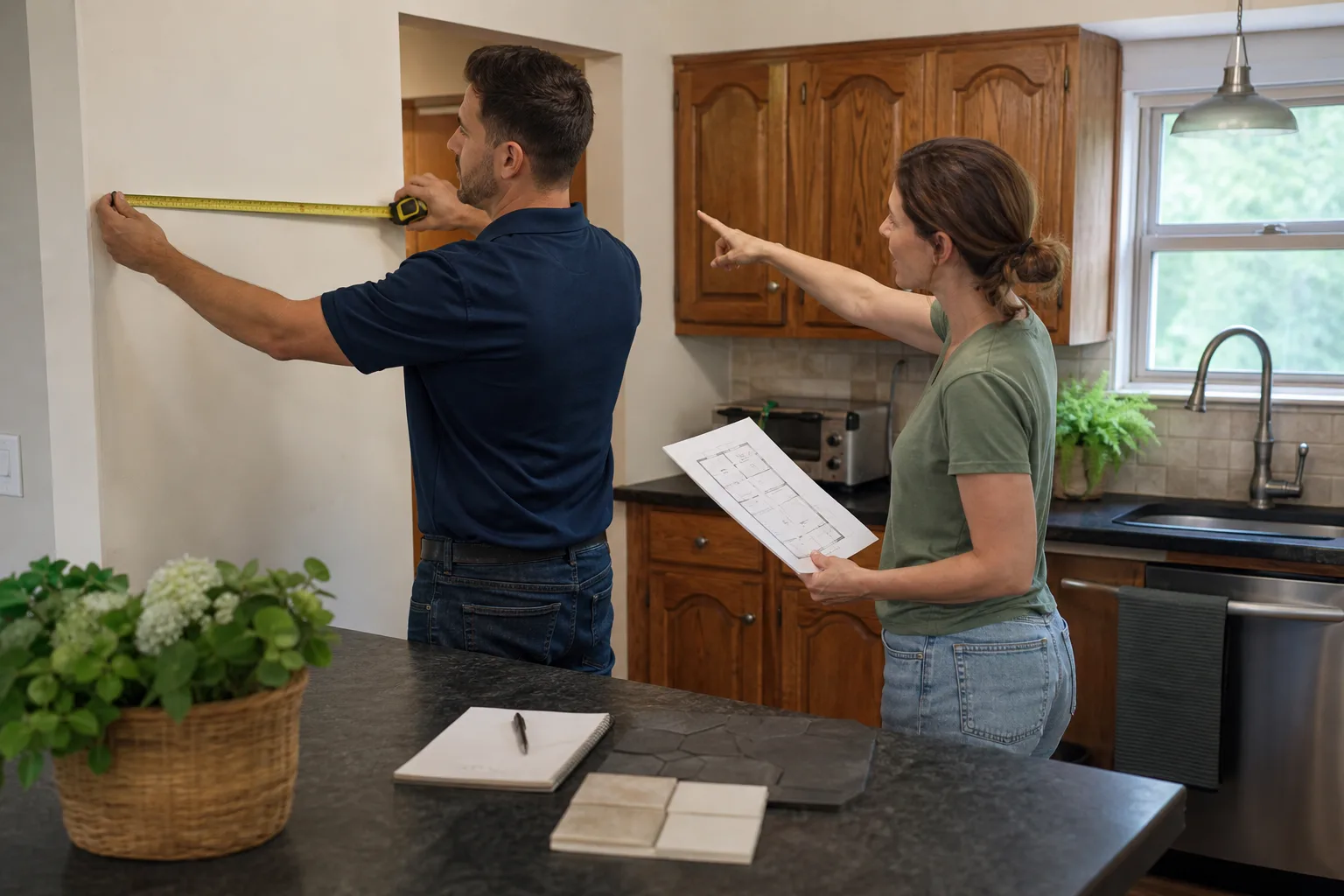
The pre-construction agreement typically covers design work, measurement and documentation of the existing conditions, material selections with the specific brands and models, permit drawings where required by the City of Concord’s building department, and a schedule. It’s the stage that prevents the argument about what was included, because it produces the documents you’ll both refer back to. The full contract comes after selections are made and typically contains the price broken into line items, the payment schedule (often draw-based and tied to milestones), the change order procedure, the guarantee, the exclusions, and the closeout requirement.
- “Proposal” only, then ask for a deposit: the accountability gap. There’s no defined scope, no change order procedure, and no warranty language. Walk to the next contractor.
- Line-item price: a lump sum with no breakdown hides where money is going and makes change orders impossible to sanity-check. Ask for the line items even if the contract uses a total.
- Payment tied to milestones: deposits are normal, and so are draws at completion stages. Payment for work not yet performed is the pattern to avoid.
- Closeout: the contract should require the signed guarantee, the permit inspections passed, and any manufacturer warranties handed over at completion.
When we’re competing for a Concord whole-home or kitchen project against another bidder, the difference is rarely the number. It’s whether both documents exist and whether the homeowner can trace every dollar to a line.
Why a Written Price Before Work Starts Changes Everything
The numbers that move at the door are almost never malicious. They come from incomplete scope. The contractor quoted “approximately” for cabinet installation, the existing substrate turned out to be worse than expected, and now somebody pays. The failure isn’t greed; it’s a pricing process that couldn’t have held. A written price before any work starts is the remedy, and it has to be non-negotiable – not a gesture, a policy.
What a written price should look like on paper:
- Line items by phase – demolition, framing and rough-in, finishes – not a single lump number.
- Materials named with brand and model, with the covered quantity per line. If a change happens, the pricing conversation starts from an agreed line, not from scratch.
- An explicit change order procedure: who signs, what it costs, and how the price changes are calculated.
- The written guarantee attached or referenced in the contract, with its coverage period and trigger stated.
This is the discipline behind The Garrison Standard we operate under: the price goes in writing before a tool comes out, and the guarantee goes in writing covering the whole project for a year. That combination is the entire proposition. A contractor whose pricing is settled in advance and whose return commitments are documented doesn’t need to promise much – they’ve already said it on paper. For a closer look at how we approach permitted construction work in the city, see our general contractor services in Concord.
Local Context: What Concord Homes Actually Demand
Concord sits in a climate that punishes sloppy exterior work. Diablo Valley summers dry out siding and caulk joints fast, and the wet winters on the other side of the year give any gap in the envelope a way in. That means the exterior products are a scope decision, not a cosmetic one. When we specify GAF roofing components and James Hardie cladding, it’s because both have documented performance specs that matter in this climate and manufacturer warranties that depend on correct install. The contractor who names the material and its warranty is the contractor with something to protect.
Local housing stock adds a wrinkle. A big share of Concord homes date from the 1960s through the 1980s, and many have had prior remodels done by previous owners to varying standards – sometimes poorly, with taped-over plumbing or an electrical panel filled past its capacity. The contractor worth hiring has a process for opening a wall and finding the problem, and a change order framework that prices it honestly rather than a tacit understanding that the budget will absorb it either way. If your project touches kitchen or bath work, that means understanding what’s actually behind the tile before the first cabinet comes down; our kitchen remodeling in Concord and bathroom remodeling in Concord pages walk through how that discovery work is handled in practice.
Permits matter here too. Work that involves structural changes, electrical circuits, plumbing rough-in, or gas appliances needs a permit from the City of Concord and inspection sign-off. A contractor who suggests doing a “small” job without a permit because “it doesn’t need one” is the contractor whose warranty claim you’ll never collect on. If you want to see how we structure permitted work in the area, start with our Bradford Remodeling home page and work outward from there.
Common Mistakes to Avoid
- Choosing on star rating alone. A high rating tells you most jobs went fine. It doesn’t tell you what happens when one doesn’t. Check the license and complaint history first, then read reviews for patterns in the complaints, not just the praise.
- Signing a proposal instead of a contract. A proposal can be a single page with a total and a start date. A contract defines scope, price, change orders, warranty, and closeout. The difference shows up in month four, not month one.
- Accepting a scope that says “per code.” That phrase defers decisions to whoever’s standing there when the wall opens up. Ask for the specific product, method, and quantity. In Concord, code also changes with the age of the structure, so the definition matters more, not less.
- Skipping the permit because the contractor offers to “keep it simple.” Unpermitted work in this city can survive an inspection at resale only if it was done right, and a contractor who skips permits has no inspection record. That record is part of what you’re buying.
- Paying a large deposit before a full contract exists. A deposit before the contract and the scope are in writing is money on faith. Get the documents first.
- Not asking about change order volume. One or two scope-driven change orders is normal. Six surprise change orders is a sign the scope was never complete. Ask a past client; they’ll remember.
- Believing verbal assurances about the warranty. “We’ll take care of you” is not a guarantee. Ask for the writing: coverage period, trigger, who performs the return, and what voids it. If it isn’t written, it isn’t enforceable.
See the difference
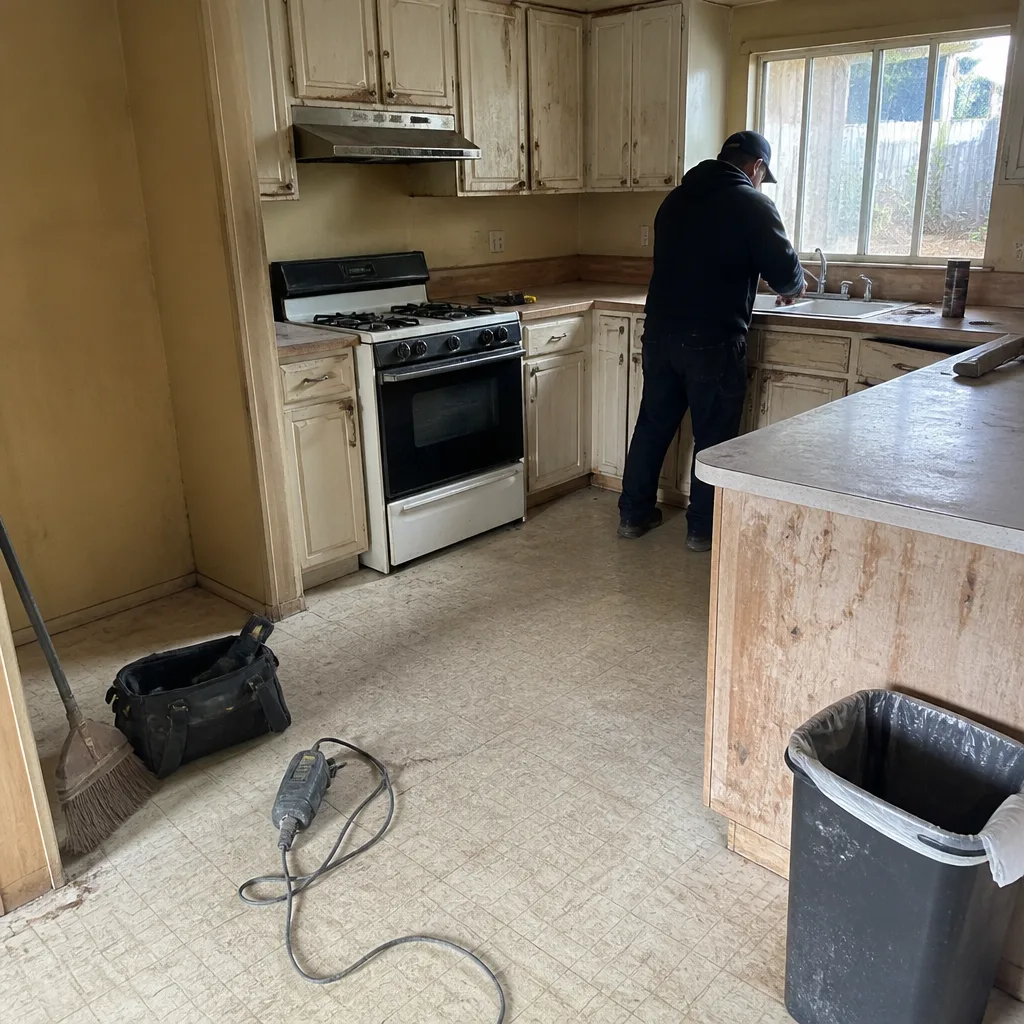 Before
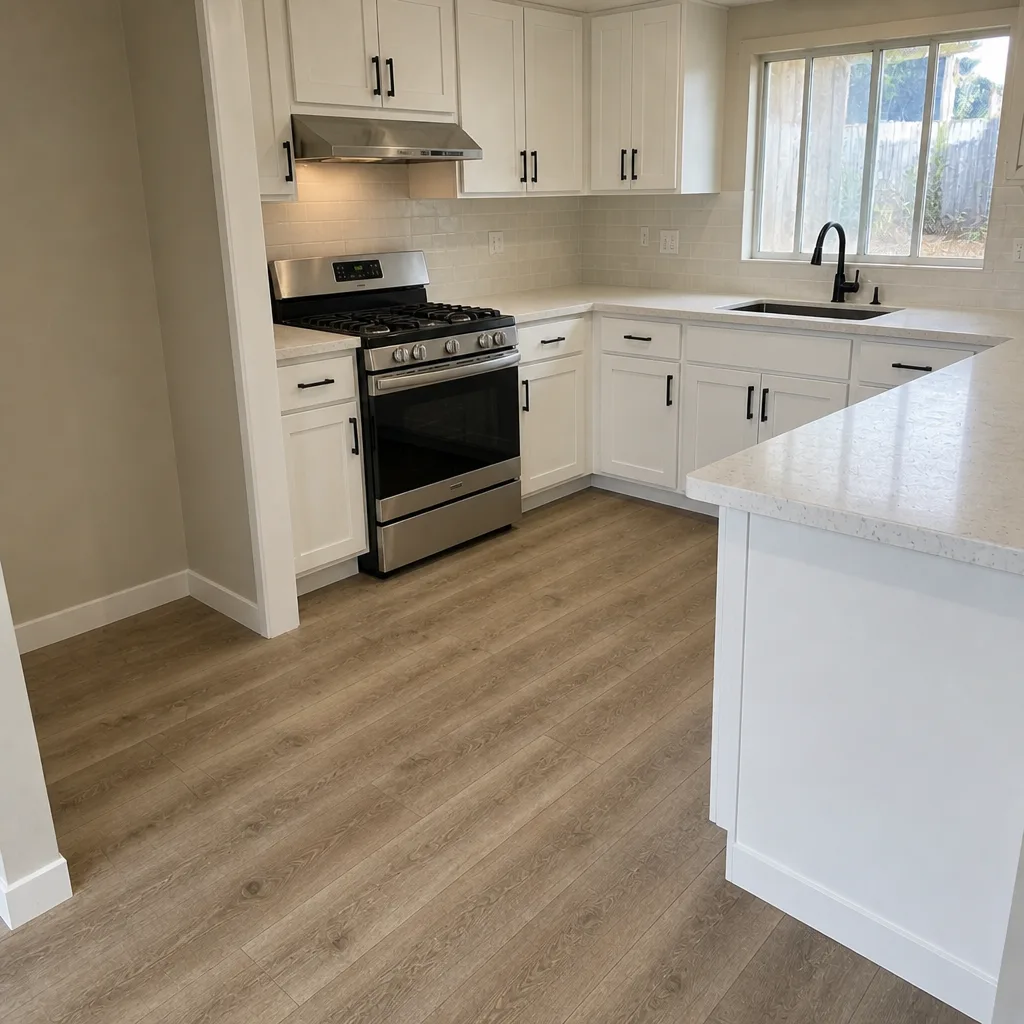 After
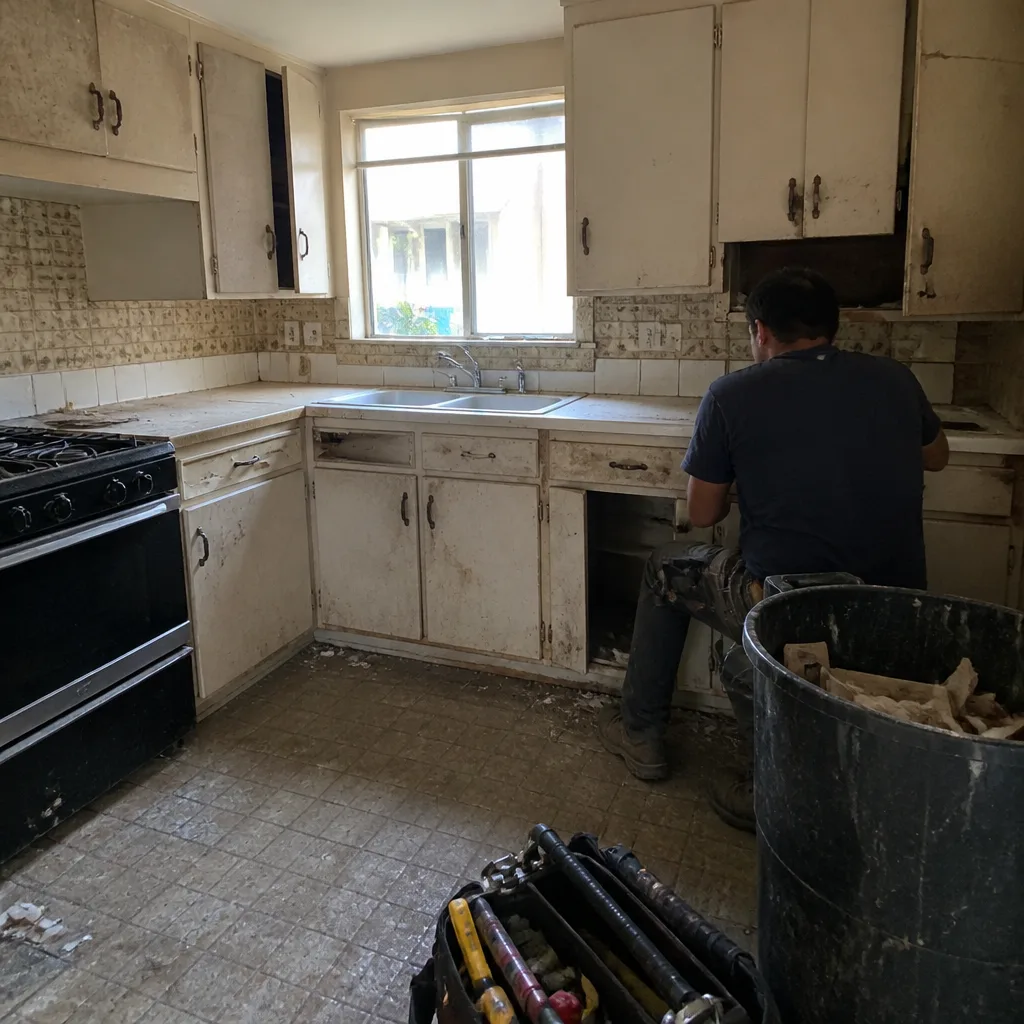 Before
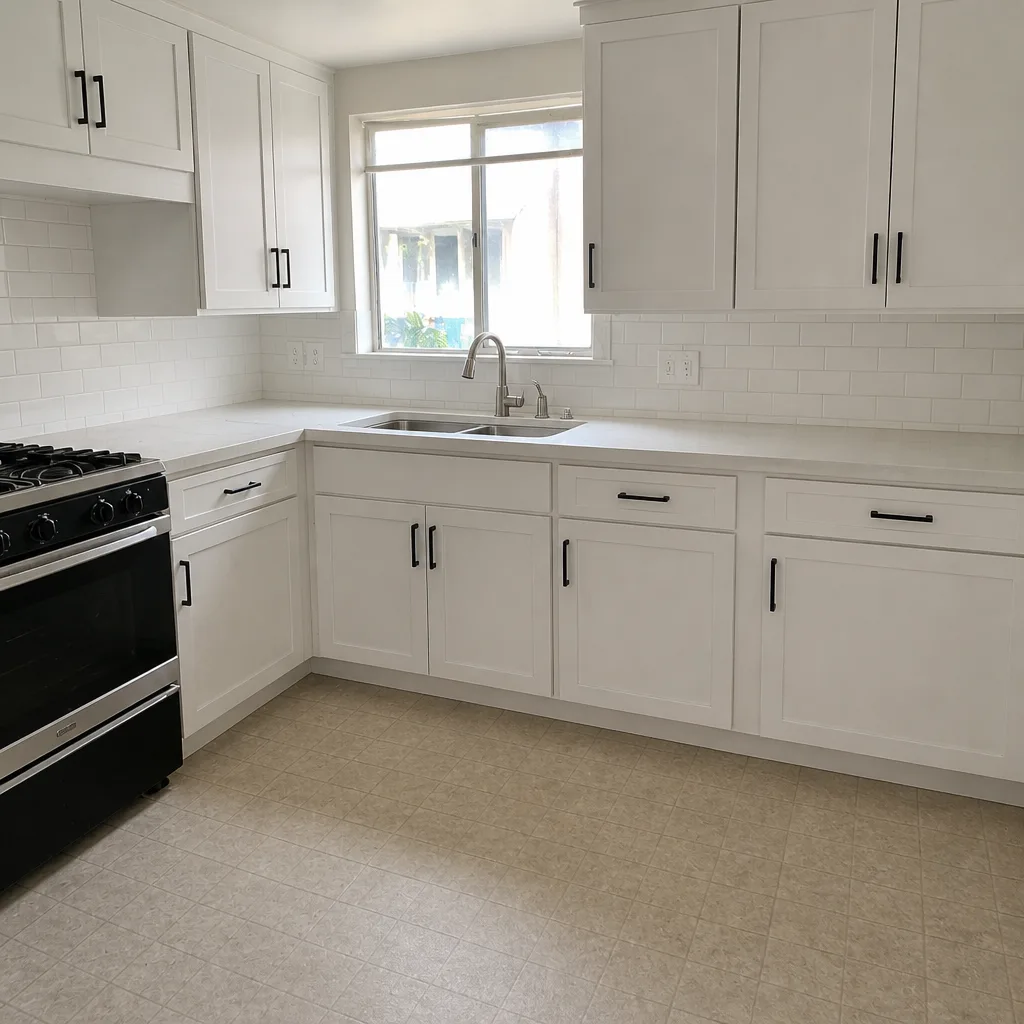 After
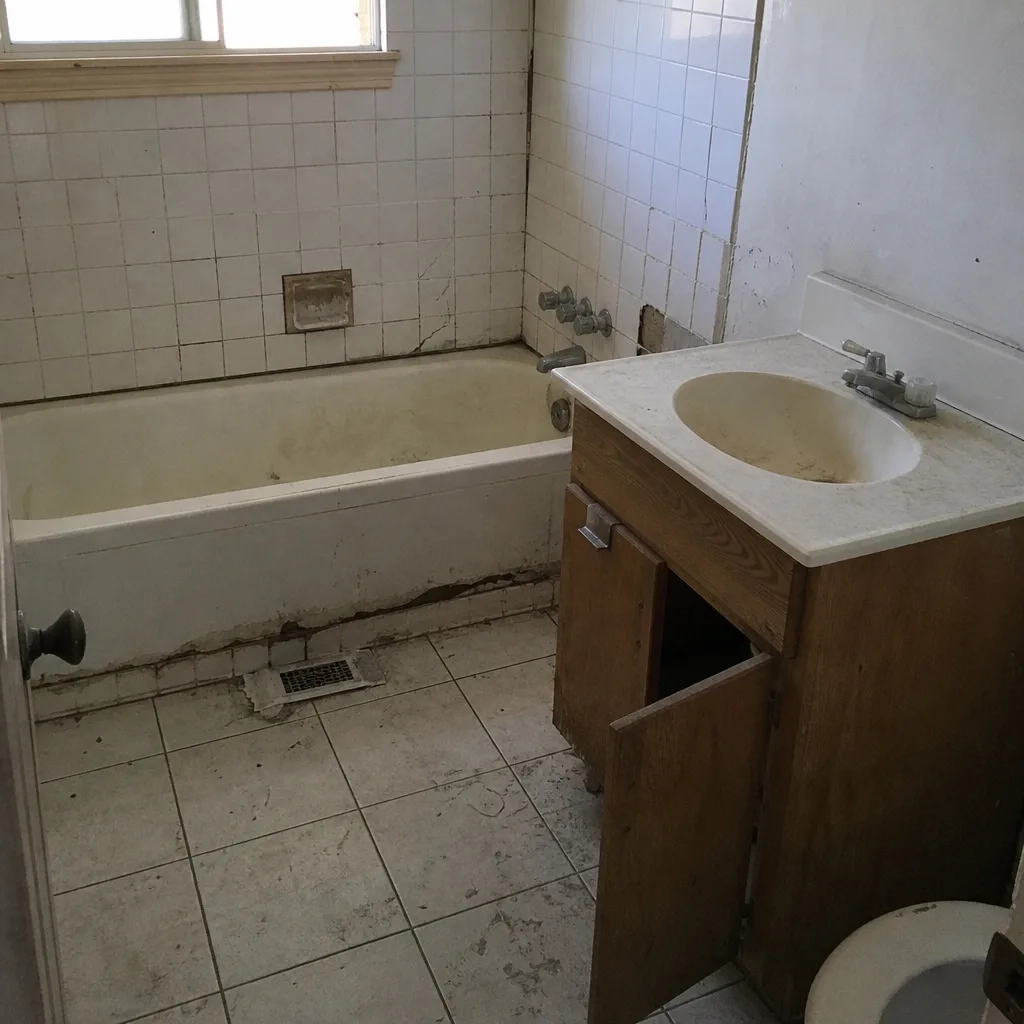 Before
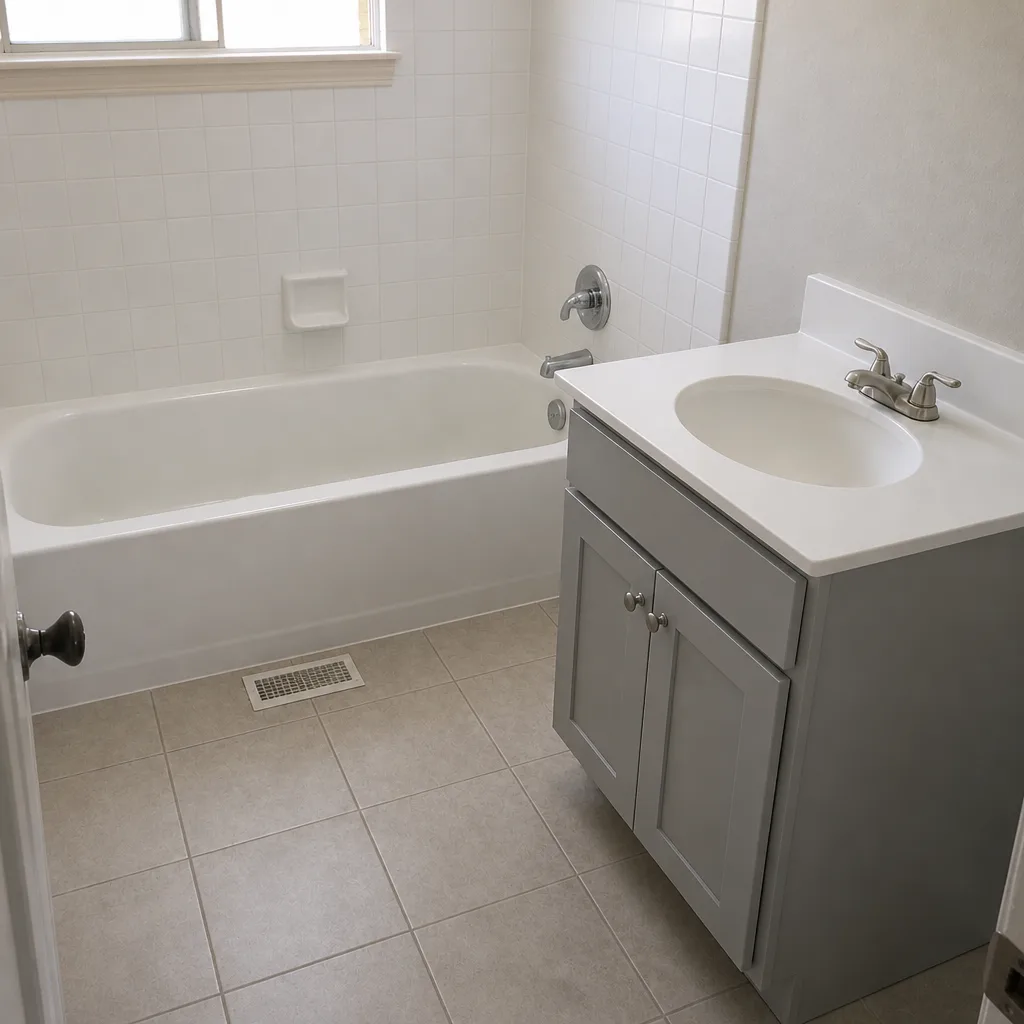 After
When to Call a Professional
Call a licensed contractor when a project involves structural changes, new electrical circuits, plumbing rough-in or relocation, gas appliances, or a change to the building envelope – roof, siding, or window openings. Each of those triggers permitting and inspection in Concord, and each carries real risk if done wrong. Also call when an older Concord home’s previous work is suspect: a flickering kitchen circuit, water staining near a shower valve, or a wall that sounds hollow where it shouldn’t. These are signs worth investigating before they get expensive. For kitchen and bath projects specifically, call before the design is locked in; scope decisions made during demo are the most expensive kind. Bradford Remodeling Co Concord offers free estimates in Concord – call (866) 476-6447 to schedule yours.
Frequently Asked Questions
A mid-range kitchen remodel in Concord typically runs $65,000 – $110,000 for a full gut with new cabinetry, surfaces, plumbing fixtures, lighting, and permitted electrical work. The range is wide for a reason: the cost is driven by how much of the existing structure is being opened, whether plumbing and electrical are being relocated, and the material tier. KraftMaid cabinets cost materially more than builder-grade boxes. A written line-item quote is the only number worth acting on; call (866) 476-6447 for a free estimate and a written price before work starts.
Yes. Any project that involves structural, electrical, plumbing, or gas work gets permitted through the City of Concord building department and inspected. Permits are how the work gets its record, and we don’t run projects without them. The permit and inspection process is part of the written scope, and the fee is stated up front. Call (866) 476-6447 to talk through what your project requires.
A written guarantee should name its coverage period, define what counts as a failure, state who performs the warranty work, and list what voids it. Our 365-Day Done Right Promise covers every completed project for a full year; if the work fails inside that window, we return and correct it at no charge. Before signing anything, ask any contractor you’re considering to show you their guarantee in writing. If they can’t, that absence tells you something. Call (866) 476-6447 with questions about what’s covered.
The written price is the price for the scope of work defined in the contract, and it doesn’t move at the door. What changes the number is a scope change – something discovered behind a wall, a material substitution, or work added to the job. Any of those gets documented in a written change order with a price, and it gets signed before we do the work. If a contractor won’t put pricing in writing before starting, that’s the biggest red flag there is. Call (866) 476-6447 for an exact quote on your project.
A typical Concord kitchen gut takes 7 – 11 weeks once permits are pulled, depending on cabinet lead times and whether structural or plumbing changes are involved. A bathroom remodel runs 3 – 5 weeks. Lead times for KraftMaid and Wellborn cabinetry and for Cambria surfaces are the most common factor that moves the calendar, which is why selections are locked during pre-construction. Ask any contractor for a schedule with milestones, not a single finish date. Call (866) 476-6447 to schedule your estimate.
Yes, and you should. Every licensed contractor appears on the California Contractors State License Board website with license status, classification, and complaint and citation history. Look at whether complaints were resolved and how. An unresolved open complaint is the most serious flag. We encourage every homeowner to verify licenses before signing, with us included. Call (866) 476-6447 with any details you want to walk through.
The Bottom Line

Brand recognition and online ratings are weak signals compared to license history, contract structure, scope definition, and warranty language. A contractor worth hiring shows a clean CSLB record, provides a full contract rather than a proposal, defines the scope line by line, prices the work in writing before starting, and documents a guarantee with its coverage period and triggers. That’s not marketing. It’s evidence. If you’re weighing contractors in Concord right now, use these checks on every bid you receive – including ours. Then schedule a free estimate by calling (866) 476-6447. We’ll show you the written price and the guarantee before a tool comes out.
Written by the team at Bradford Remodeling Co Concord.