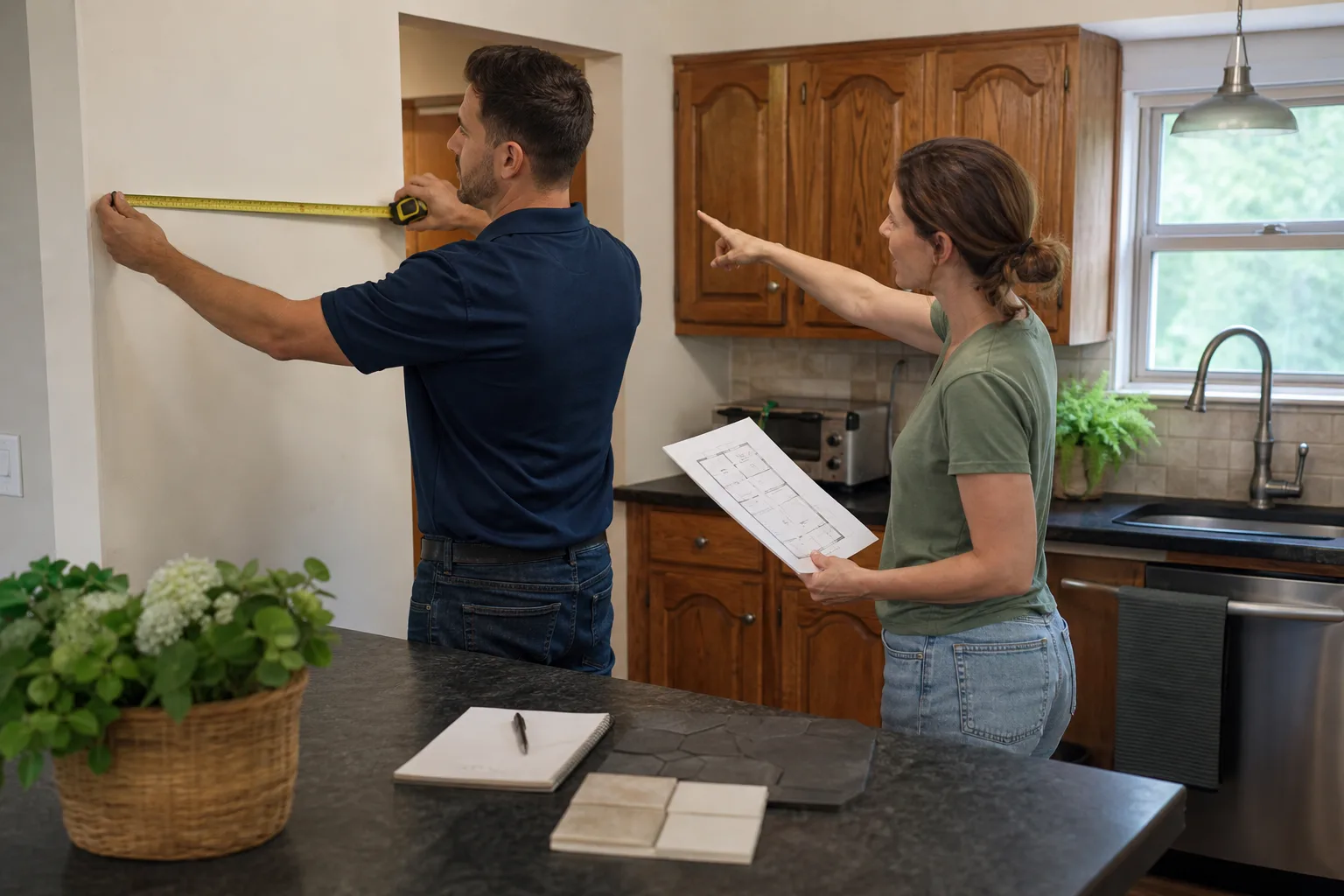
Last updated November 18, 2026
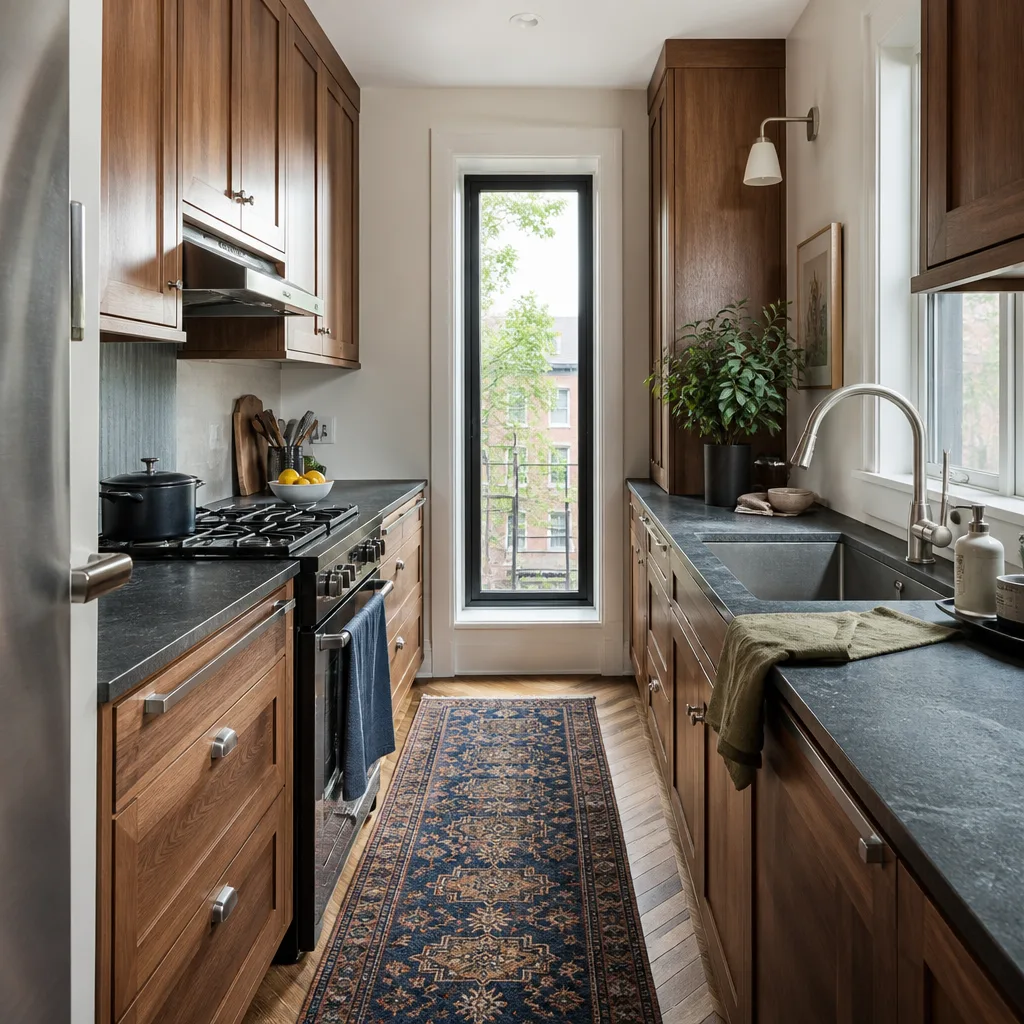
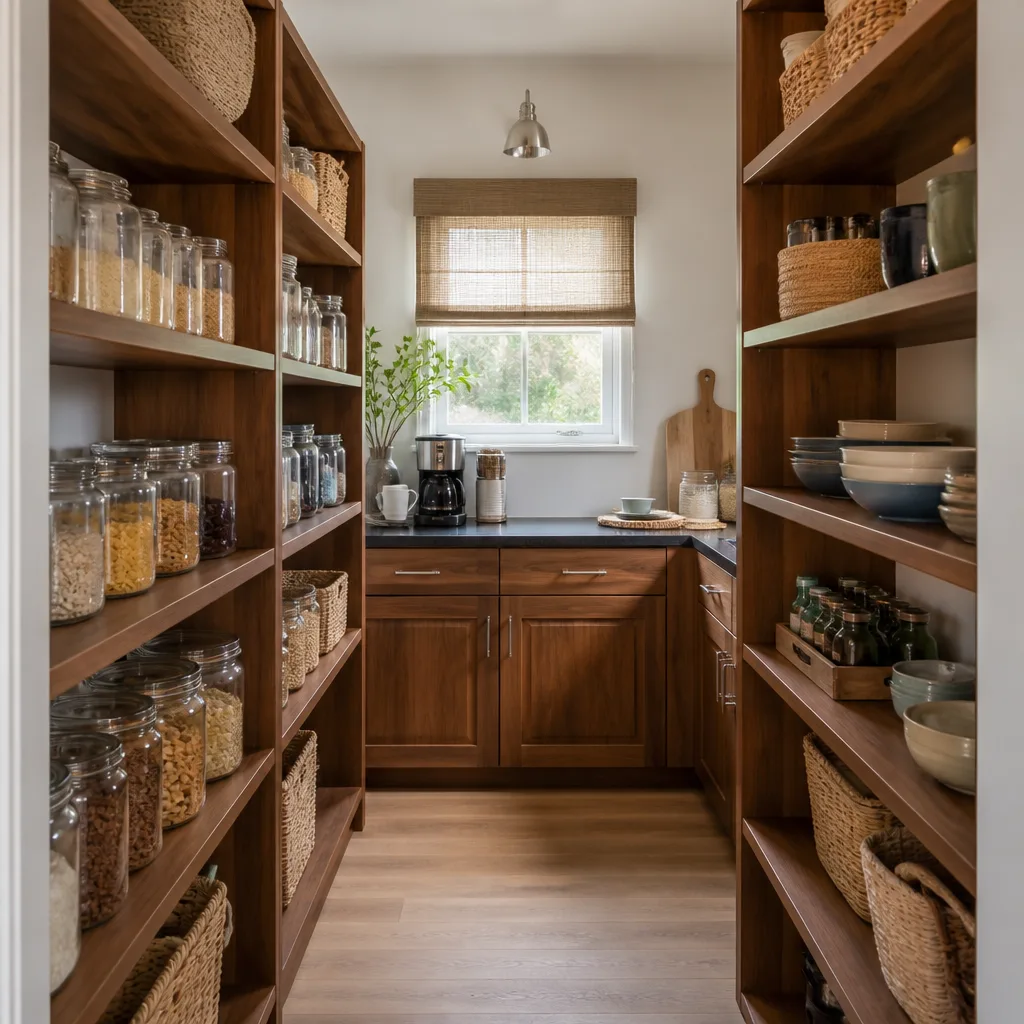






Free written scope consultation - allowances, timeline, and change-order rules on paper before a single trade is scheduled
Kitchen Remodeling Maintenance Schedule: What to Do and When
Quartz countertops get sold as maintenance-free, and the slab itself mostly is. The failure point sits an inch away: the caulk joint where the countertop meets the backsplash. That bead is the water entry point on a kitchen, and water that slips behind it reaches the cabinet boxes below long before anything looks wrong on the surface. We’ve pulled out cabinets in Concord homes where the quartz was flawless and the box underneath was soft. This guide gives you a material-by-material maintenance schedule for the kitchen you just paid for, tied to the actual products installed in your kitchen, so you catch the small failures before they turn into cabinet replacement.
Quick Answer
A new kitchen needs a walk-through at 30, 90, and 365 days after install, then a fixed annual cycle: inspect caulk seams and grout every 6 months, check cabinet hinges and drawer slides every 6 months, replace range hood filters every 1 to 3 months depending on cooking volume, and re-inspect under-sink plumbing connections at each anniversary. Wood cabinet doors in Concord need a humidity check in late summer and again in winter, because the dry-season-to-wet-season swing is what moves them out of alignment.
Styles & brands we work with
- Kitchen remodeling
- Bathroom remodeling
- Home additions & ADU
- Roofing
- Windows & doors
- Driveway & pavers
- Fence
Table of Contents
- A Kitchen Is a System, Not a Single Asset
- The First 30, 90, and 365 Days
- Caulk Seams and Grout Joints
- Cabinet Hinges, Drawer Slides, and Finish Hardware
- Range Hood Filters and Ductwork
- Seasonal Cabinet Adjustments in Concord’s Climate
- Appliance Warranty vs. Homeowner Responsibility
- The Maintenance Log That Pays You Back at Resale
A Kitchen Is a System, Not a Single Asset
A kitchen doesn’t hold up or fail as one unit. It’s a stack of materials with separate failure modes and separate clocks. A KraftMaid cabinet door, a Cambria quartz top, a Schluter waterproofing membrane under the tile, a Kohler faucet, and a Moen supply stop each wear at a different rate, and each fails in a way you can see if you know where to look. Treat the kitchen as one asset and you do nothing until something breaks. Treat it as a system and you get a decade or more of extra life out of the small interventions.
The five surfaces that fail first in our experience are these:
- Caulk seams at the counter-to-backsplash joint, sink perimeter, and where the backsplash meets the wall.
- Grout joints on the floor and backsplash tile, especially at inside corners and around the sink.
- Cabinet hinges and drawer slides, which drift with humidity and load.
- Finish hardware (pulls, knobs, faucet finish), which loosens and dulls before it breaks.
- Range hood filters and ductwork, which clog quietly and choke ventilation.
Every other maintenance task in this guide hangs off one of those five. That’s the point: you’re not maintaining “a kitchen,” you’re maintaining a short list of joints and moving parts. When we plan a remodel in Concord through our kitchen remodeling in Concord, we leave the homeowner a written spec sheet listing exactly which products went in, which is what makes a maintenance schedule possible in the first place.
The First 30, 90, and 365 Days
New plumbing connections are most likely to show a slow leak in the first year. That’s not a knock on the install; it’s how supply lines, compression fittings, and drain assemblies settle after they’re pressurized and used daily. The under-sink cabinet is where you catch it early.
Here’s the inspection sequence we recommend after any remodel:
- Day 30: Open the cabinet under the sink, run the faucet hot and cold, and look at every supply connection and the drain trap with a flashlight. Wipe each joint with a dry paper towel. Any moisture on the towel means a fitting needs attention. Check the dishwasher line too if one is adjacent.
- Day 90: Repeat the under-sink check. By now the initial settling is usually done, so a leak at 90 days is a fitting that needs correcting, not a break-in period. Also check the caulk bead at the sink rim, which sees the most water of any seam in the kitchen.
- Day 365: Full anniversary walk-through. Under-sink plumbing, all caulk seams, grout at the sink and floor, every hinge and drawer slide, hood filter. This is also the deadline to make sure any warranty claim gets logged before the manufacturer’s first-year window closes on appliances.
Put a sheet of white paper under the sink trap and leave it for a week. A slow drip that never shows on the cabinet floor will show on the paper. We’ve found more than one failing supply connection this way in Concord homes where the homeowner never noticed a thing. If you have water damage developing after a remodel in a Concord home, the bathroom remodeling in Concord team sees the same failure pattern around tubs and vanities, and the inspection logic carries over.
Caulk Seams and Grout Joints
Caulk is a wear item. It has a service life, and in a kitchen it’s shorter than most people assume because it takes daily water, steam, and cleaning products. Plan on inspecting the main seams twice a year and replacing the caulk every 3 to 5 years, sooner at the sink and behind the cooktop.
The seams that matter, in order of how often they fail:
- Countertop to backsplash: the joint from the opening hook. Water gets behind it and reaches the cabinet boxes.
- Sink rim to counter: the highest-water-traffic seam in the room.
- Backsplash to wall and inside corners: where the tile plane meets a painted or drywall surface.
- Wherever a Schluter trim or edge profile meets tile: a small joint that takes movement from the substrate.
Inspect by pressing a fingernail into the bead. If it’s hard, cracked, or pulling away from either surface, it’s done and needs replacing. Grout is different: it’s porous, so seal it on the manufacturer’s recommended interval (typically every 1 to 2 years for kitchen floor and backsplash grout) and re-seal sooner at high-splash zones. Don’t caulk over failing caulk; it traps the moisture you’re trying to keep out.
One Concord note: summer indoor humidity here swings enough that caulk joints at exterior walls move more than interior ones. Watch those first, and don’t be surprised if a seam that held all winter opens up in July.
Cabinet Hinges, Drawer Slides, and Finish Hardware
Cabinet hardware is the most-used, least-checked part of a kitchen. Hinges and slides on a KraftMaid or Wellborn cabinet are good hardware, and good hardware still needs a check every 6 months. The failure isn’t usually a broken part; it’s a loose screw or a hinge that’s drifted a few degrees, which then puts uneven stress on the door and the frame.
What to do at each check:
- Hinges: open and close each door slowly and listen. A creak or a pop means the hinge needs adjustment or the screws have backed out. Tighten with a screwdriver, never over-torque, and if a screw hole is stripped, a cabinetmaker can drill and dowel it rather than replacing the door.
- Drawer slides: pull each drawer fully out and push back. A slide that binds or grinds needs cleaning (sawdust and crumbs get in the tracks) and a light application of the manufacturer’s recommended lubricant, not WD-40 on a ball-bearing slide.
- Finish hardware: pulls and knobs loosen on a fixed schedule. Tighten them at the same 6-month check, and check the faucet base and handle screws, since a Delta or Moen fixture that rocks slightly will eventually wear its seal.
That’s a 20-minute job twice a year. Skipped, it’s the reason a cabinet door starts rubbing the frame, which is a carpentry fix instead of a screwdriver fix.
Range Hood Filters and Ductwork
The range hood is the most neglected system in a kitchen and one of the most important. A clogged filter means grease-laden air recirculates into the room and coats the tops of cabinets, and it puts load on the blower motor. Schedule filter cleaning on a real interval tied to how you cook:
- Light cooking (a few meals a week): clean or replace the filter every 3 months.
- Daily cooking: every 1 to 2 months.
- Heavy frying or wok cooking: monthly, and check the duct run annually.
Most baffle and mesh filters are dishwasher-safe; check your model’s manual, because some charcoal recirculating filters cannot be washed and must be replaced. Ductwork needs a professional look annually if the hood vents outside, since grease builds on the duct walls over years and reduces flow. In our experience a hood that’s gotten loud is usually a hood that’s gotten restricted. Keep the filter schedule and the duct stays clean far longer.
Seasonal Cabinet Adjustments in Concord’s Climate
Wood moves. In Concord, the swing between the dry summer months and the wetter winter is enough to change the size of a cabinet door by a small but real amount, and that’s what throws doors out of alignment. A door that closes perfectly in January can rub the frame in July, and the fix is usually a hinge adjustment, not a new door.
When to adjust versus when to call a cabinetmaker:
- Adjust it yourself if a door is slightly high, low, or rubbing on one edge. Most European-style hinges have two or three adjustment screws that move the door up and down, in and out, and side to side. A quarter turn at a time, then test.
- Call a cabinetmaker if a door is warped (check with a straightedge across the face), if a hinge is cracked or a screw hole is stripped, or if the cabinet box itself is out of square. Those are structural, not adjustment.
- Check the same doors at the season change in late summer and midwinter. If they only ever drift one direction, it’s climate and the adjustment is normal. If they drift in both directions, something else is moving and worth a look.
Run the exhaust fan when you cook and when you shower nearby, and keep indoor humidity relatively even. A kitchen that’s bone dry in summer shrinks the wood and opens the joints; a humid kitchen swells it and binds the drawers. The goal is stability, not a specific humidity number.
Appliance Warranty vs. Homeowner Responsibility
New appliances carry a manufacturer’s warranty, and that warranty covers defects, not maintenance. Understand the line before you need it:
- Covered by the manufacturer: failed compressors, control boards, heating elements, and factory defects within the warranty period. Parts and labor terms vary by brand and model.
- Homeowner responsibility: cleaning, filter replacement, descaling, leveling, and damage from improper use or installation by someone other than a qualified installer. A warranty claim denied because the appliance was never registered or was installed wrong is the most common headache.
Register every appliance at the manufacturer’s site the week it’s installed, and keep the receipt and model/serial number in your maintenance log. Then, if a claim comes up, you can show purchase date, install date, and maintenance history without digging through email. A Toto or American Standard fixture has its own warranty terms; read the sheet that comes with it rather than assuming it matches the others.
Water heaters, dishwashers, and refrigerators all connect to plumbing, so any leak that starts at an appliance should be documented in the log the day you see it. That record is what supports the manufacturer’s decision, and it’s what supports any installation warranty if the fault traces back to the connection.
The Maintenance Log That Pays You Back at Resale
A simple paper or digital log of what’s installed and when it was maintained does two things: it supports warranty claims while you own the kitchen, and it documents the value of the remodel when you sell. Buyers and inspectors treat a documented kitchen differently from an undocumented one.
Record these fields every time:
- Installation date and which contractor installed it, with the written spec sheet or invoice attached.
- Material brands and model numbers: KraftMaid or Wellborn cabinetry, Cambria or Caesarstone surfaces, Kohler or Moen fixtures, the tile and membrane brands, the appliance models.
- Maintenance performed with date and what was done (caulk replaced, hinge adjusted, filter cleaned).
- Any issue found and how it was resolved, including warranty claims and the manufacturer’s response.
That log is also what makes the 365-Day Done Right Promise easy to honor on our side: if something we installed fails inside the guarantee window, the record tells us exactly what’s there and we come back to correct it at no charge. A written price before work starts and a written guarantee after are only as good as the documentation behind them. Our general contractor in Concord team builds the spec sheet into the close-out package for exactly this reason.
Common Mistakes to Avoid
- Treating quartz as truly maintenance-free. The slab is tough; the caulk joint beneath it is not. Skip the joint check and you find out with a soft cabinet box, not a stained counter.
- Caulking over old caulk. It fails in months because the new bead bonds to the old one, not the surface. Remove and replace.
- Never inspecting under the sink after the first month. The 30-day and 90-day checks catch the slow leaks that a five-minute walk-through misses.
- Ignoring hood filters until the fan gets loud. By then grease has coated the duct. Clean or replace on a real interval.
- Blaming a misaligned cabinet door on the cabinet. In Concord, most door drift is seasonal wood movement fixed with a quarter-turn of a hinge.
- Not registering appliances. A denied warranty claim in year two because nobody registered the unit is a preventable loss.
- Skipping the log. Without installation dates and brands, a warranty claim and a resale disclosure both get harder than they need to be.
See the difference
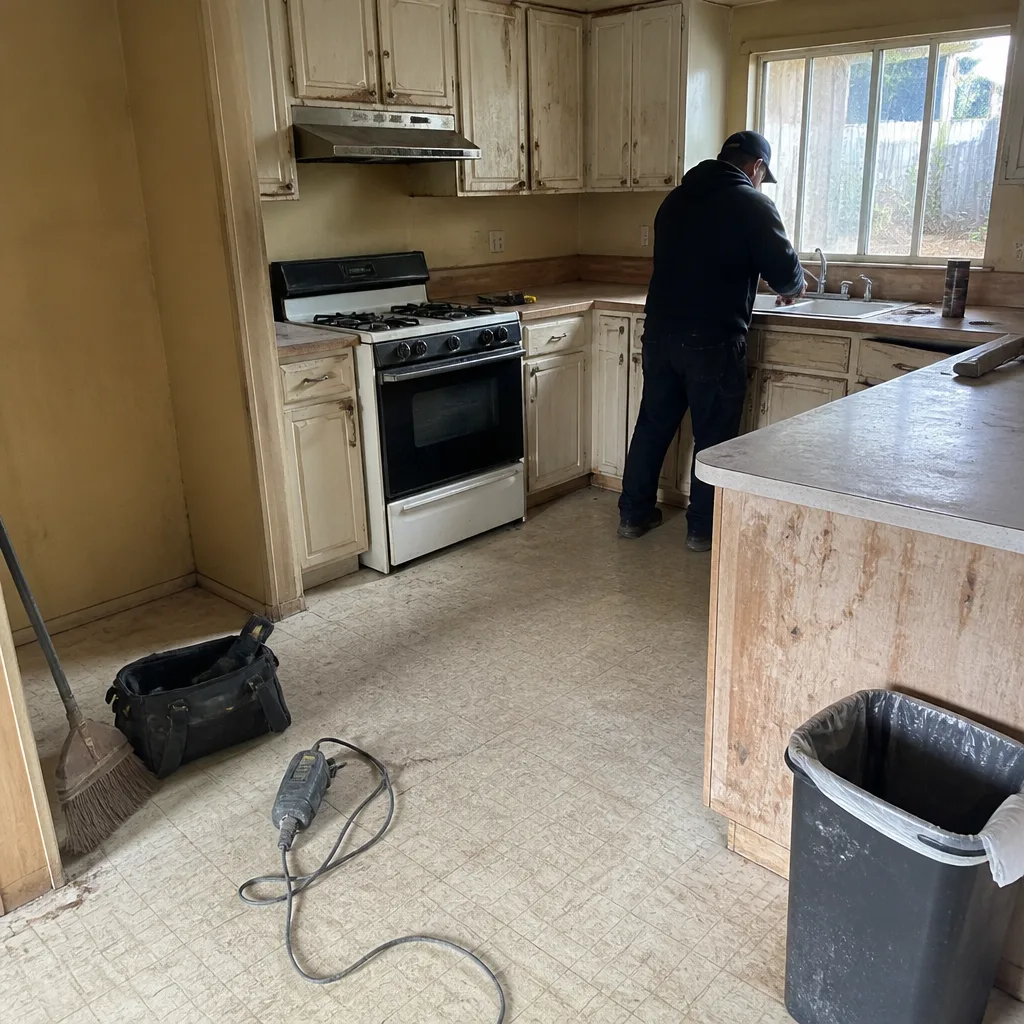 Before
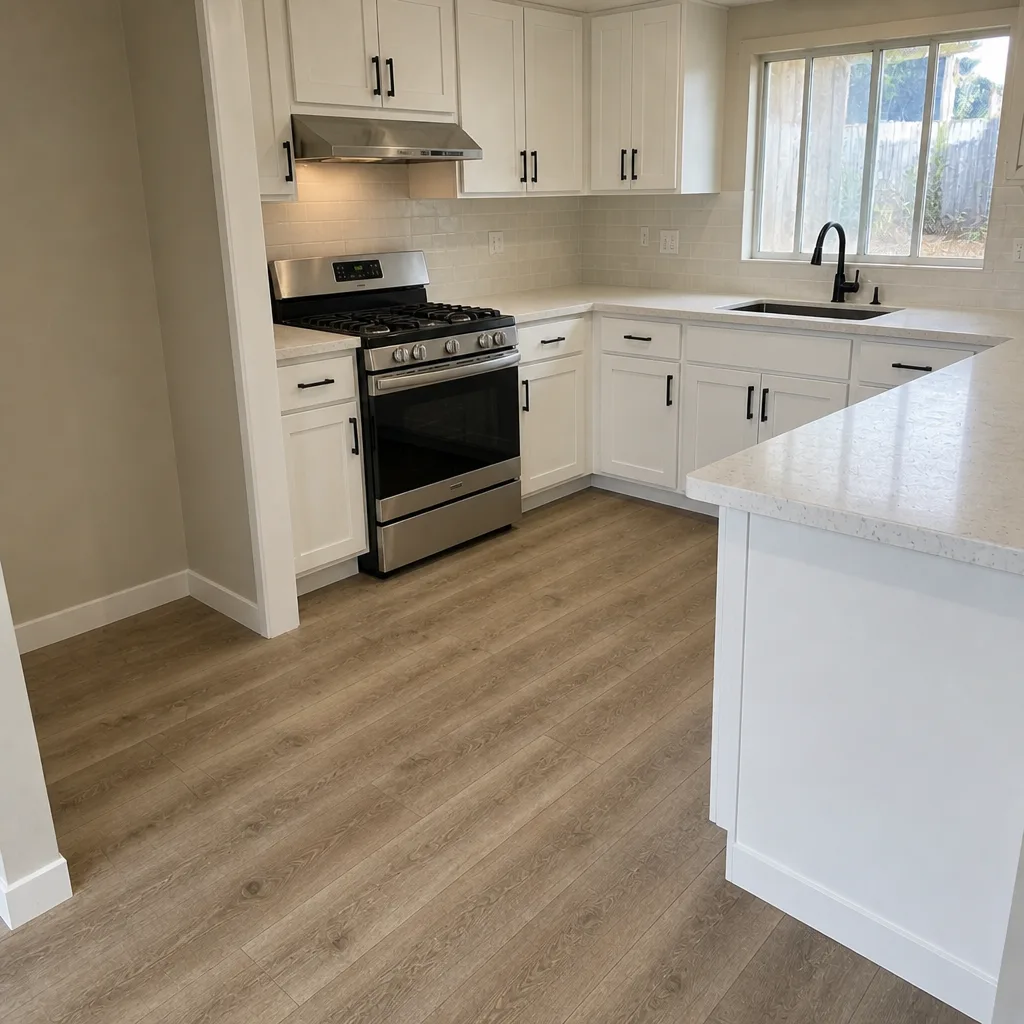 After
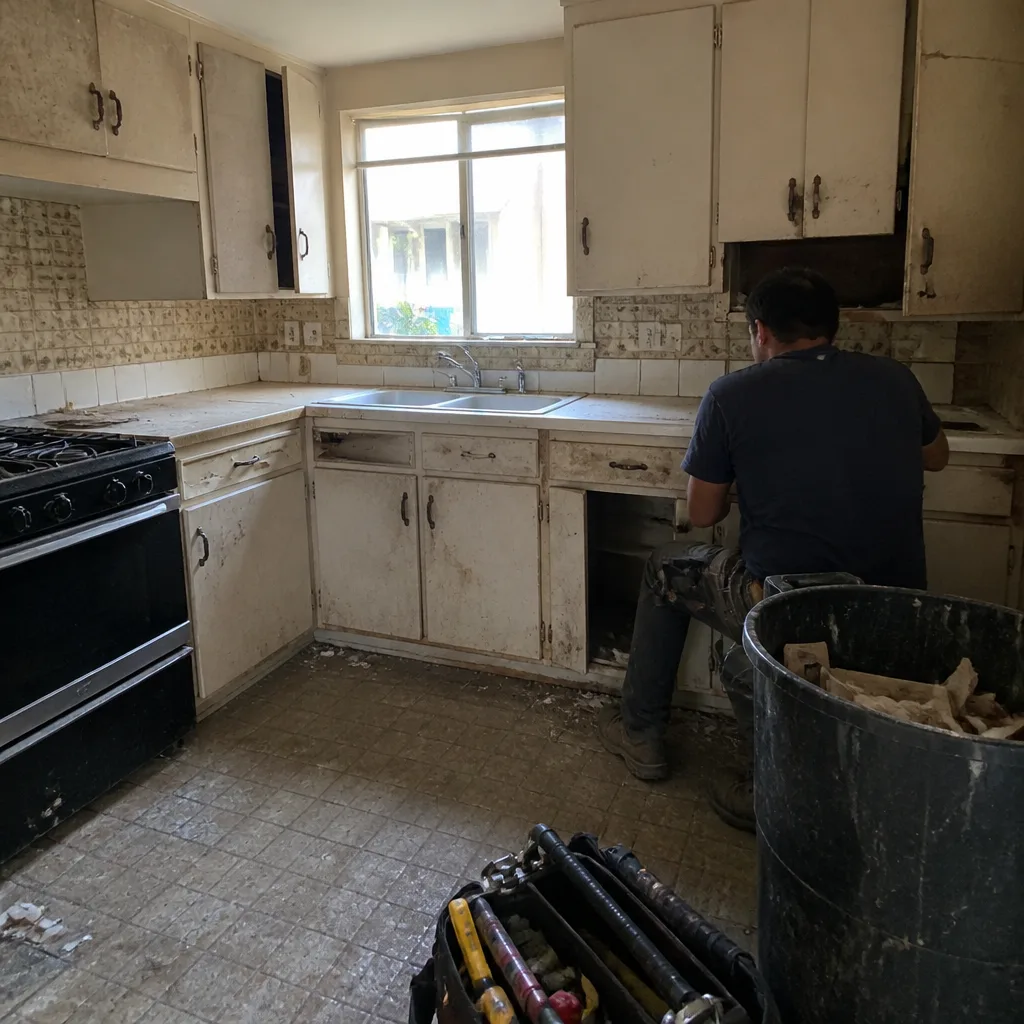 Before
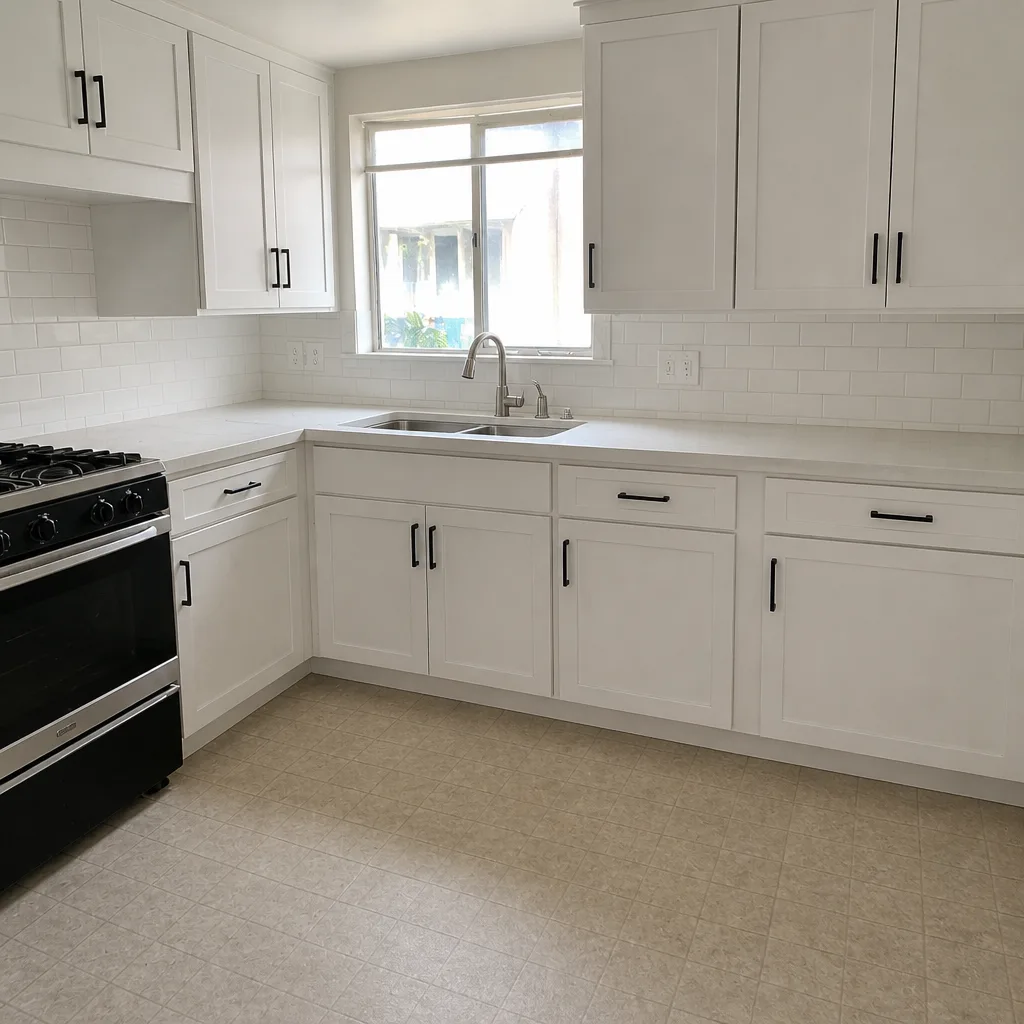 After
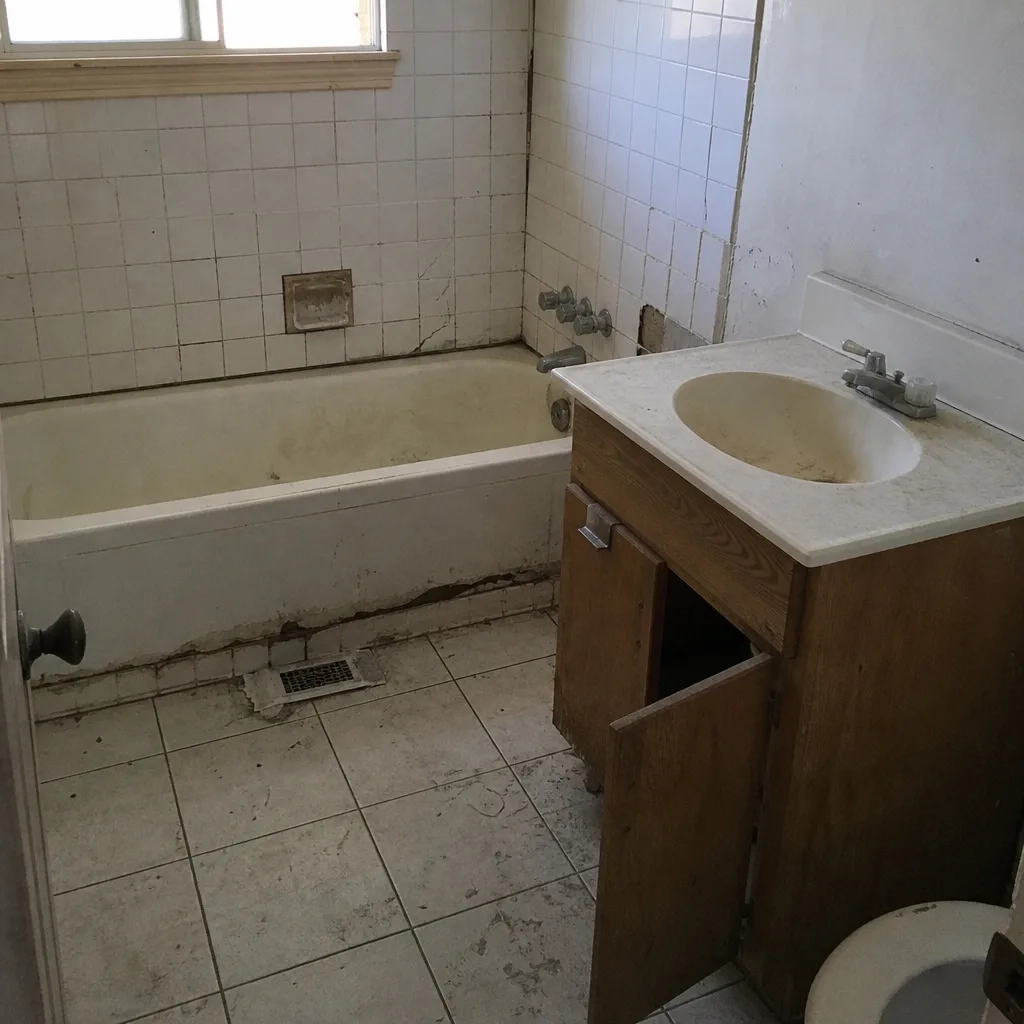 Before
 After
When to Call a Professional
Some of this is yours to do; some of it isn’t. Call a professional when under-sink plumbing shows moisture at a supply or drain connection that won’t stop after tightening, when a cabinet door is warped or a hinge hole is stripped, when the range hood duct needs cleaning or the wiring behind it needs attention, or when grout and caulk joints keep failing at the same spot (which usually means water behind the surface). If you’re at the point of replacing failing cabinets rather than maintaining sound ones, our Bradford Remodeling Co Concord home page lays out how we work. Bradford Remodeling Co Concord offers free estimates in Concord; call (866) 476-6447.
Frequently Asked Questions

Inspect caulk seams and grout joints every 6 months, and replace caulk at the sink and behind the cooktop every 3 to 5 years. In Concord’s humidity swings, watch exterior-wall seams first, since they move more than interior ones.
Check at 30 days, 90 days, and 365 days, because new supply and drain connections are most likely to show a slow leak in the first year. Slide a sheet of white paper under the trap for a week; any moisture on the paper is a leak worth fixing.
Wood cabinet doors change size with humidity, so the dry-to-wet swing in Concord throws door alignment off seasonally. Adjust the hinge a quarter turn at a time; if the door is warped or a hinge is cracked, call a cabinetmaker instead.
Manufacturer warranty covers defects, not maintenance, and only if the appliance was installed correctly and registered with the manufacturer. Register every appliance the week it’s installed and keep the receipt and serial number in your maintenance log.
Repairing a failed caulk joint or hinge adjustment typically runs from around $150 to $450 as a service call, while water damage from a missed slow leak can run into the thousands once cabinet boxes are affected. Our 365-Day Done Right Promise covers correction of our own work at no charge within the first year; call (866) 476-6447 for a free estimate on anything outside that window.
No. We give a written price before any work starts, and it doesn’t move at the door or mid-job. If a scope change is needed, it’s written and agreed before it happens; call (866) 476-6447 for your free estimate.
The Bottom Line
Your kitchen holds up if you maintain the five high-failure surfaces: caulk seams and grout, cabinet hinges and slides, finish hardware, and the range hood’s filters and duct. Do the 30, 90, and 365-day plumbing checks in the first year, then run a twice-a-year hardware and caulk inspection and a filter schedule tied to how you cook. Adjust cabinet doors seasonally in Concord’s climate and know when a cabinetmaker is the right call. Keep the log. It supports warranty claims, it makes the 365-Day Done Right Promise easy to enforce, and it documents the value of the kitchen at resale. If a check turns up something that needs a pro, call (866) 476-6447 for a free estimate.
Written by the team at Bradford Remodeling Co Concord.