Last updated November 18, 2026



Free written scope consultation - allowances, timeline, and change-order rules on paper before a single trade is scheduled
Bathroom Remodeling Warning Signs Every Homeowner Should Know
If two bathroom bids in Concord are $6,000 apart, the gap is almost never profit margin. It’s scope. One contractor is planning to waterproof the shower correctly; the other is planning to tile directly over paper-faced drywall and hope you never notice the mold blooming behind it eighteen months later. We’ve walked into more half-finished Concord bathrooms than we can count, and the pattern repeats itself with almost depressing regularity. This guide teaches you to read a bid the way a contractor does, spot the communication red flags before work starts, and identify the on-site shortcuts during demo and rough-in that tell you a crew is cutting corners. You’ll leave knowing exactly what to look for, what to ask, and when to walk away.
Quick Answer
The biggest bathroom remodeling warning signs are vague written scope, reluctance to pull permits, large upfront cash draws, missing warranty language, and crews installing paper-faced drywall or skipping the pre-slope in a shower pan. In California, verify the contractor’s license class, bond status, and complaint history through the CSLB before signing anything. If a bid is dramatically lower than the others, the difference is almost always missing scope, not savings.
Styles & brands we work with
- Kitchen remodeling
- Bathroom remodeling
- Home additions & ADU
- Roofing
- Windows & doors
- Driveway & pavers
- Fence
Table of Contents
- How Do You Compare Two Bathroom Bids Apples-to-Apples?
- What Communication Warning Signs Appear Before Work Starts?
- How Do You Verify a California Contractor’s License?
- What On-Site Warning Signs Show Up During Demo and Rough-In?
- What Does a Legitimate Change Order Look Like?
- What Concord-Specific Issues Should You Watch For?
- Common Mistakes to Avoid
- When to Call a Professional
How Do You Compare Two Bathroom Bids Apples-to-Apples?
You compare bids line by line, not bottom line to bottom line. A bathroom bid should spell out four items explicitly: substrate, waterproofing method, tile setting material, and permit inclusion. If any of those are missing or vague, the bid isn’t finished, and you should treat it as a warning sign rather than a quote. We’ve watched homeowners in Concord choose the lower number and then pay to redo the shower two years later, which is a far more expensive lesson than a $4,000 line item on paper.
Here’s the four-item scope checklist to demand from every bidder:
- Substrate. What goes on the wall behind the tile? Cement backer board, a foam board like Kerdi-Board or GoBoard, or plain drywall. If the bid doesn’t say, ask. Paper-faced drywall in a wet area is the single most common shortcut we find.
- Waterproofing method. Liquid-applied membrane, sheet membrane, or a bonded fabric system. The bid should name it and specify that it covers the shower walls, floor, and curb.
- Tile setting material. Modified thinset, unmodified thinset, or mastic. Mastic in a shower pan is a chemistry problem waiting to fail. Thinset is what should be listed.
- Permit inclusion. “Permit not included” means you’re pulling it or the work is going in unpermitted. Either one is a red flag on a bathroom that requires inspection for plumbing relocation or structural changes.
A legitimate bid in Concord also lists the specific brands and models going in. When you see KraftMaid or Wellborn cabinetry named in writing, the spec is traceable. When you see “vanity cabinet” with no maker, there’s no way to hold anyone accountable for what actually shows up. If you want a broader look at how a properly scoped project runs, our Bathroom Remodeling in Concord page walks through the full sequence from demo to closeout.
What Communication Warning Signs Appear Before Work Starts?
The clearest warning signs show up in how a contractor communicates in the weeks before demo. Pay attention to what’s absent from the proposal, not what’s crowded into it. Four red flags we see repeatedly:
- Reluctance to pull permits. If a contractor suggests skipping the permit “to save time” or “because it’s just a bathroom,” pressure to accept unpermitted work is a serious warning. Inspections exist because rough-in plumbing and framing mistakes are expensive and dangerous to correct later.
- Large cash draws upfront. A request for half the job cost in cash before materials arrive is a cash-flow problem walking through your front door. A modest deposit to order materials is normal. A check that clears before a single fixture is delivered is not.
- No written warranty language. The warranty should be a paragraph with terms, duration, and what “covers” actually means. If the proposal says nothing about what happens if the shower leaks in year two, ask. If the answer is verbal, keep asking.
- Vague timelines. “Once we get started, it’ll move fast” is not a schedule. A real proposal tells you when demo starts, when rough-in inspections happen, and roughly how long tile and trim will take. Bathroom remodel timelines in the Concord market typically run 4 to 7 weeks for a full gut, so anything vaguer than that needs an explanation.
One more thing: live-person phone coverage matters. A contractor who answers as a real person and can talk you through the scope on the first call is generally going to be responsive when a problem shows up in week three. A contractor who routes you into a voicemail void before signing is likely to route you into one after. Our General Contractor in Concord page explains how we structure project communication and what you should expect from any crew at your house.
How Do You Verify a California Contractor’s License?
You verify a California contractor through the Contractors State License Board (CSLB) at cslb.ca.gov, using their public license lookup. It takes about two minutes, and it should be the first thing you do after any bid lands on your table. Here’s what the CSLB record actually shows you, and why each part matters:
- License status and class. “Active” is what you want. A B-General Building classification is standard for a bathroom remodel. A C-36 Plumbing or C-54 Tile license alone may not cover the full scope, which is why most full bathrooms fall under a B license or a combination.
- Bond status. The license record shows whether a current contractor’s bond is on file. An expired bond means a homeowners’ recovery path through the bond is compromised.
- Workers’ compensation coverage. If the contractor has employees, workers’ comp should be listed. If it’s not, and someone gets hurt on your property, you can be exposed.
- Complaint history. The CSLB record shows formal complaints and any disciplinary actions. Multiple complaints about the same issue, like abandoning jobs mid-project, is a pattern.
- License expiration date. A license in its last month of the cycle can lapse mid-project. Check the date.
In our experience, homeowners who skip this step are the ones who end up calling us to finish somebody else’s rough-in. If something on the CSLB record looks odd, ask the contractor about it in writing. Their response tells you as much as the record does.
What On-Site Warning Signs Show Up During Demo and Rough-In?
The on-site warning signs during demo and rough-in fall into two categories: materials choices and shortcuts that will be impossible to see once the tile goes up. Walk the site with a specific checklist on the day after demo and again after rough-in inspection. You’re not inspecting the work itself; you’re confirming that the crew is following the specs in the bid.
Specific things to look for during demo and rough-in:
- Paper-faced drywall in wet areas. If drywall (especially the standard paper-faced type, the gray or white board with a paper face) appears on shower walls or behind tile, stop the work and ask for the substrate spec. Paper-faced drywall wicks moisture and feeds mold. It has no place in a wet zone.
- No pre-slope under the shower pan. A traditional shower pan needs a sloped layer of mortar beneath the waterproof liner so water flows to the drain. Without that pre-slope, water pools under the pan and eventually leaks through the floor assembly. If you look at the pan stage and see a flat surface under a liner, ask.
- Unstrapped water heaters. Earthquake strapping is required in California, and the rough-in inspection is often when it gets caught if it wasn’t already. Two metal straps, one in the upper third and one in the lower third of the tank, anchored to the wall studs.
- No wall blocking for grab bars. If you’re planning grab bars in a shower or next to a toilet, blocking goes in during framing. Once the tile is up, backing is gone.
- Electrical in the wet zone without GFCI. Any outlet near the sink needs GFCI protection. That should be on the rough-in punch list.
- Site condition. Are the debris piles contained and hauled at least weekly? Is the floor protected? A crew that leaves a Concord bathroom looking like a construction dump after demo is likely to leave it that way after tile.
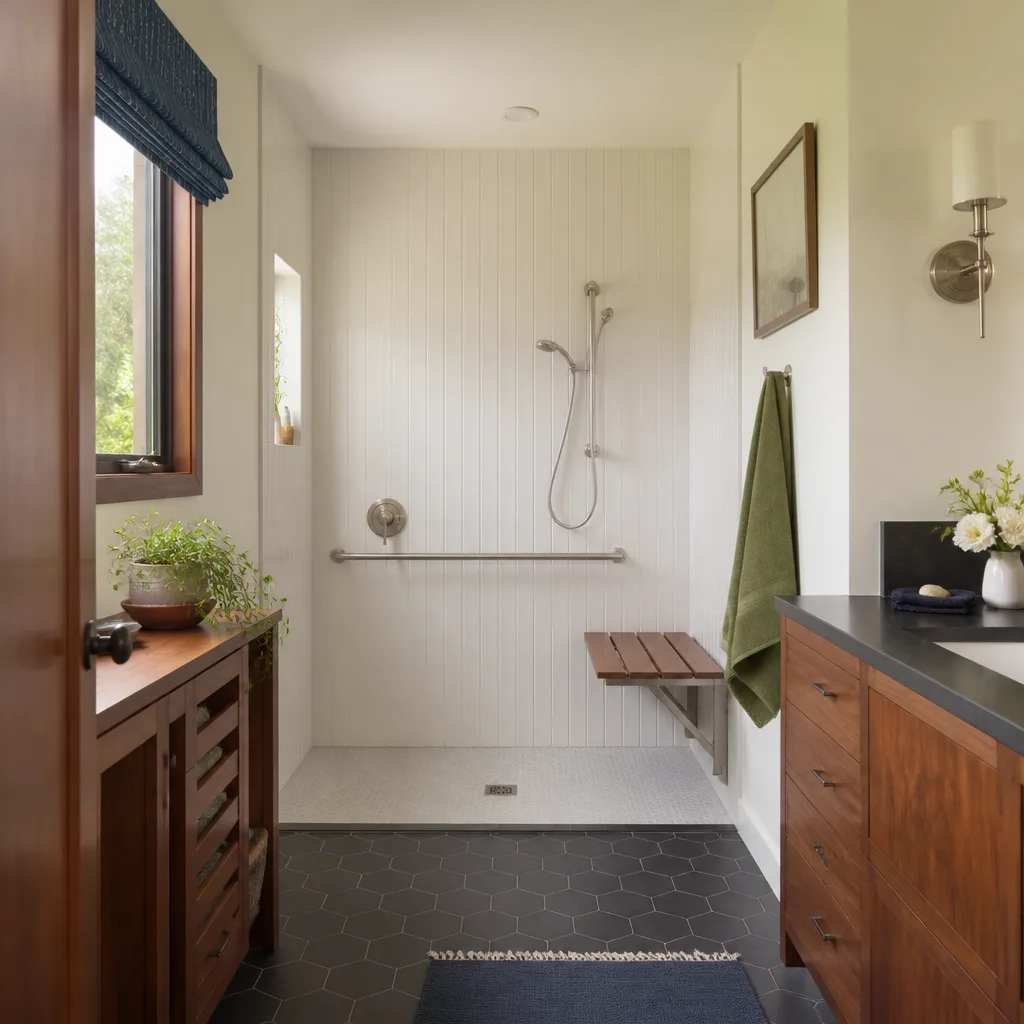
Curbless showers and wet-room layouts are common in Concord remodels because they age-in-place well and make a small bathroom feel larger. But they require a more careful pre-slope and waterproofing detail than a curb shower, so that’s exactly the stage to ask the crew to walk you through what they’re building.
What Does a Legitimate Change Order Look Like?
A legitimate change order is a signed, dated document with a specific reason, a specific dollar amount, and a specific timeline impact. It is never a verbal “hey, we found some rot, that’ll be extra.”
Here’s what a real change order should contain:
- A written description of the condition discovered. “Water damage to subfloor at shower drain location, approximately 3 square feet” is a condition. “Some stuff behind the wall” is not.
- Photographic evidence. Every change order should reference photos of the actual condition. Smartphones make this trivial; a contractor who doesn’t document is asking you to take their word for it.
- A line-item price. Materials and labor, broken out. Not a round-number lump sum with a shrug.
- Timeline impact. How many days this adjustment adds. This is what distinguishes a real change order from an excuse to reprice the whole job.
- Your signature before work proceeds. A contractor who starts the “extra work” and invoices you after has converted a change order into a hostage negotiation.
The warning sign is a change order that appears after demo with no photos, no line item, and a number that feels suspiciously close to the amount the contractor was underbid by. In Concord, older homes near Todos Santos and the neighborhoods off Clayton Road often have cast-iron or galvanized plumbing that genuinely needs replacement when a bathroom gets opened up, and that’s a real discovery with a real cost. Manufacturing “unexpected” conditions to close a pricing gap is not. A written price before work starts is the whole point of the process, and every legitimate contractor will stand behind the initial number unless something genuinely unexpected turns up and is documented in writing. If you want to know how we structure pricing on a bathroom specifically, our main home page and the Kitchen Remodeling in Concord page both show the same written-price discipline applied to different scopes.
What Concord-Specific Issues Should You Watch For?
Concord’s specific warning signs come from its housing stock and climate. The city has a deep inventory of mid-century single-family homes, especially in the neighborhoods around downtown, and a hot, dry summer that puts real stress on any bathroom ventilation system that isn’t sized correctly.
A few Concord realities worth knowing:
- Older cast-iron drains. Homes built before the 1970s often have cast-iron drain lines under the slab or in the crawlspace. When a bathroom is opened up, these should be scoped or at least inspected. A contractor who scopes the drain in the bid is planning ahead; one who “finds” it later is manufacturing a change order.
- Bathroom exhaust sizing. Concord summers push 95 to 105 degrees, and a bathroom with an undersized fan grows mildew fast, even with a good exhaust duct. The fan should be sized to the room’s cubic footage and ducted to the exterior, not into the attic. Ask where the duct terminates.
- Hard water. Concord’s water runs moderately hard, which means fixtures and tile get mineral buildup quickly. If the bid is silent on fixture brands, that’s a place to ask. We specify name-brand fixtures like Kohler and Moen for a reason: replacement cartridges and finishes are traceable and available.
- Seismic strapping and anchoring. Any new water heater, and any new vanity or cabinet run that gets anchored to the wall, should be strapped or fastened per California code. This is inspection territory.
- Exterior sheathing at doorways. Older Concord homes sometimes have exterior sheathing details near bathroom windows and doors that are past service life. When a bathroom window gets replaced, the flashing detail is where water intrusion shows up six months later. James Hardie siding is a smart choice at those transitions because the trims and flashing profiles are well documented.
None of this is a knock on Concord homes. It’s just what a serious bid has to account for, and a contractor who’s worked in the area will mention these things before you ask.
Common Mistakes to Avoid
- Choosing the lowest bid without lining up scope. The $6,000 gap between two bathroom bids is scope, not savings. Put both bids side by side and check the four items in the earlier section before you decide anything.
- Skipping the CSLB check. It takes two minutes. A contractor with an expired bond or a pattern of complaints about unfinished work is a risk you can screen out in an afternoon.
- Paying a large cash draw upfront. A modest deposit for materials is normal. A draw that covers half the labor before a fixture is installed is not.
- Accepting a verbal warranty. If the shower leaks in year two, “we’ll take care of you” is not a remedy you can enforce. Get warranty terms in writing with a duration and a description of what’s covered. The 365-Day Done Right Promise is our version: written into every project, full year of coverage, we come back and correct it at no charge if it doesn’t hold.
- Letting drywall go in a wet zone. If you see paper-faced drywall behind the tile in a shower or tub surround, stop the work and ask for the substrate spec. This is the single most expensive shortcut in a bathroom remodel.
- Ignoring the exhaust fan spec. A fan that dumps into the attic rather than ducting outside is a Concord mold problem in three summers. Ask where the duct terminates.
- Accepting a change order without photos or line items. A real change order documents the condition and prices the fix. A verbal one just prices the fix.
See the difference
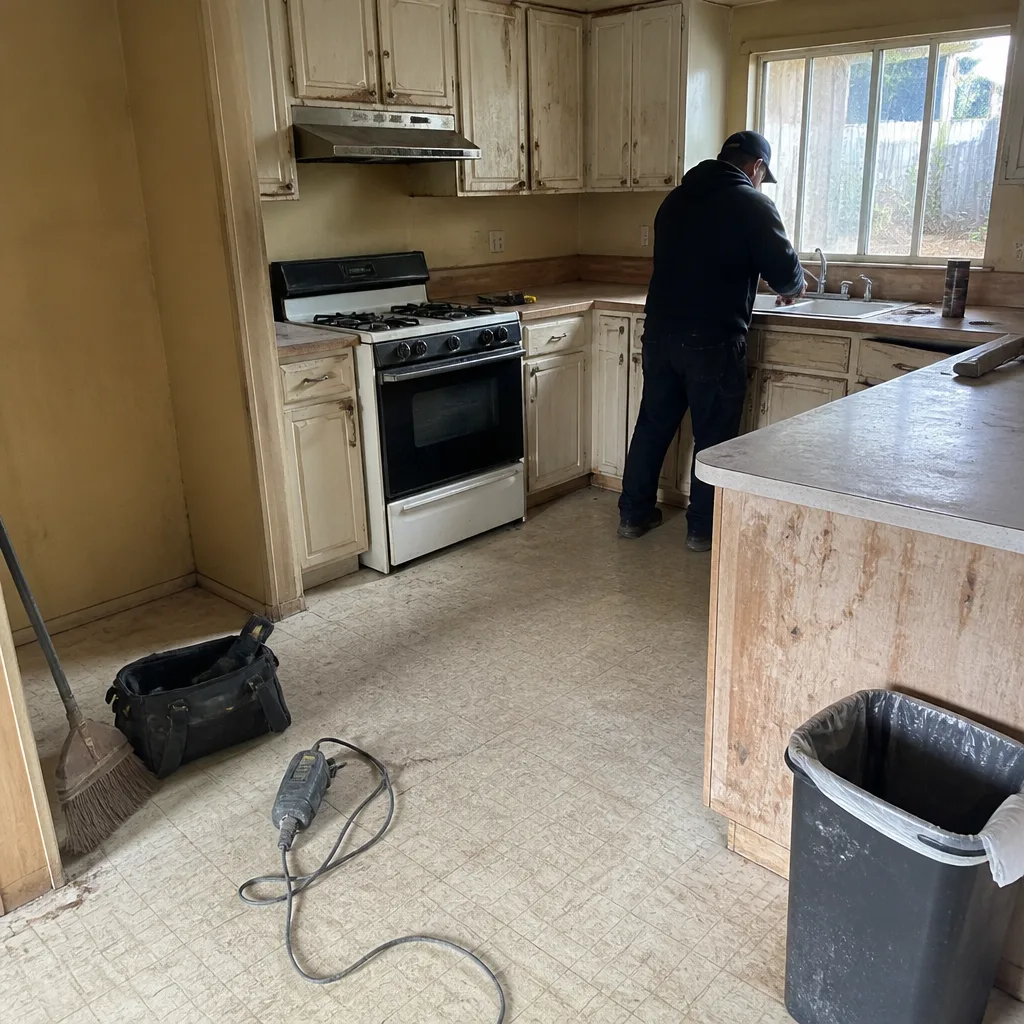 Before
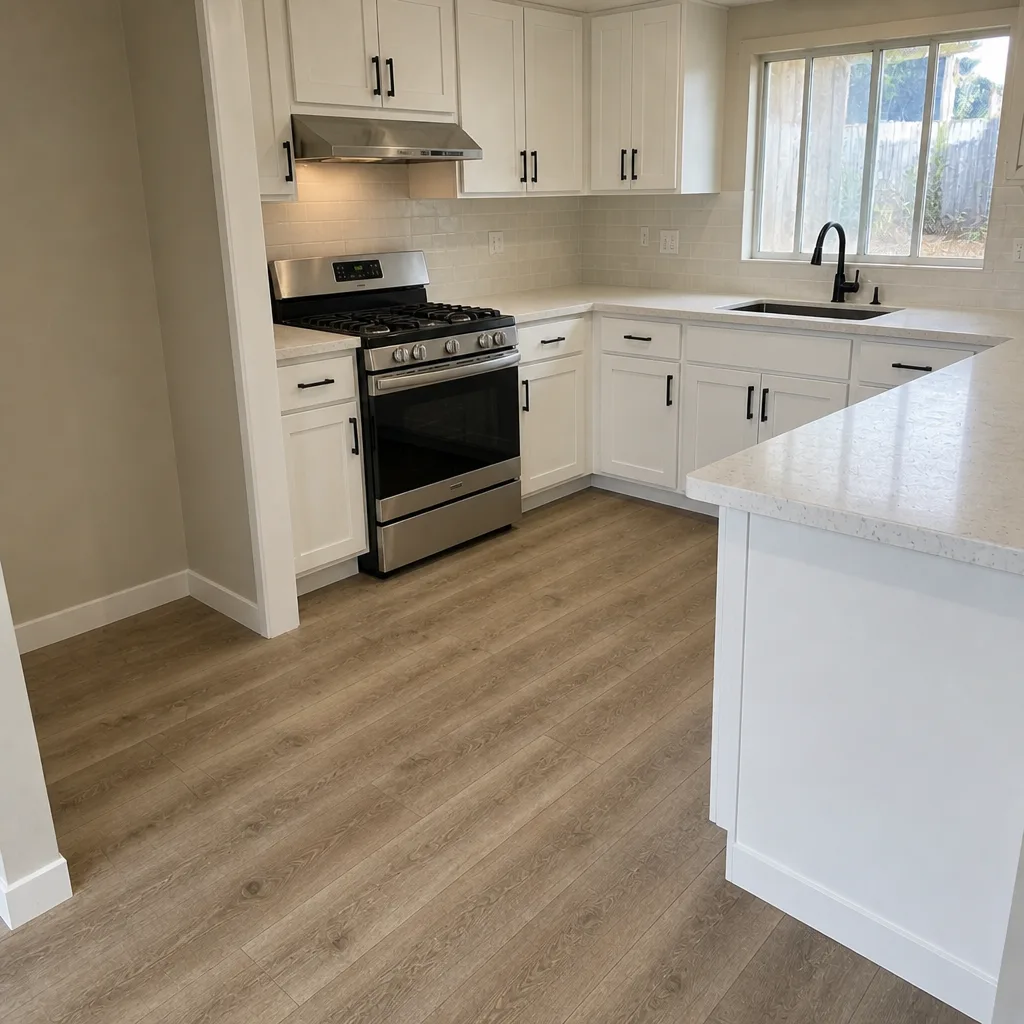 After
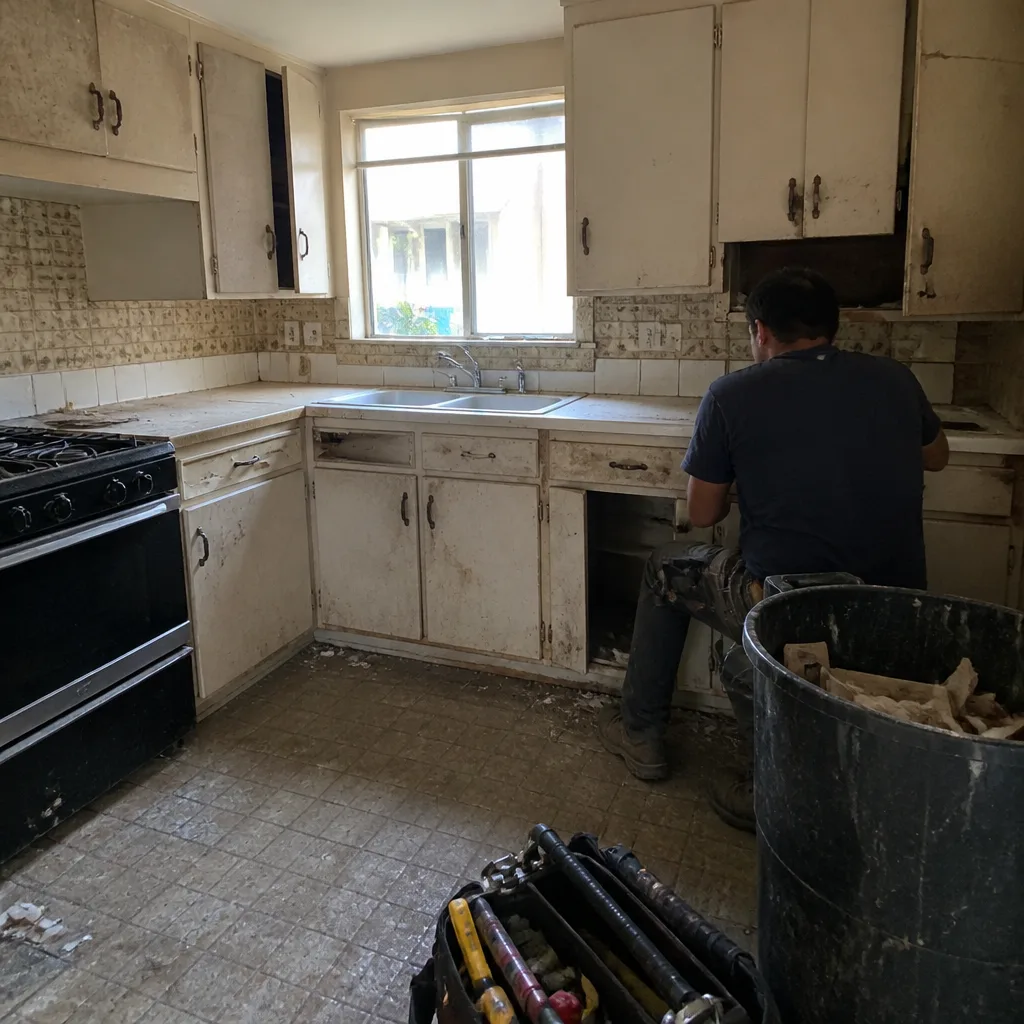 Before
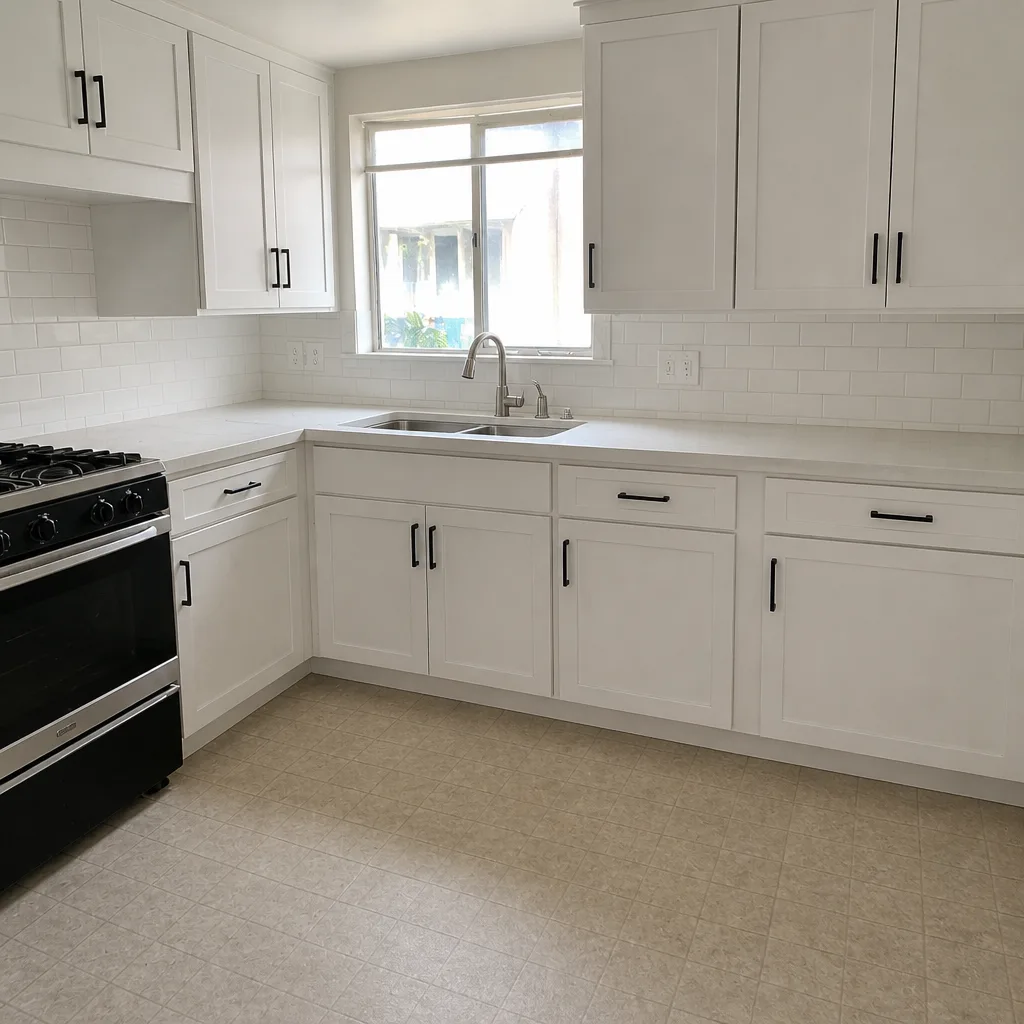 After
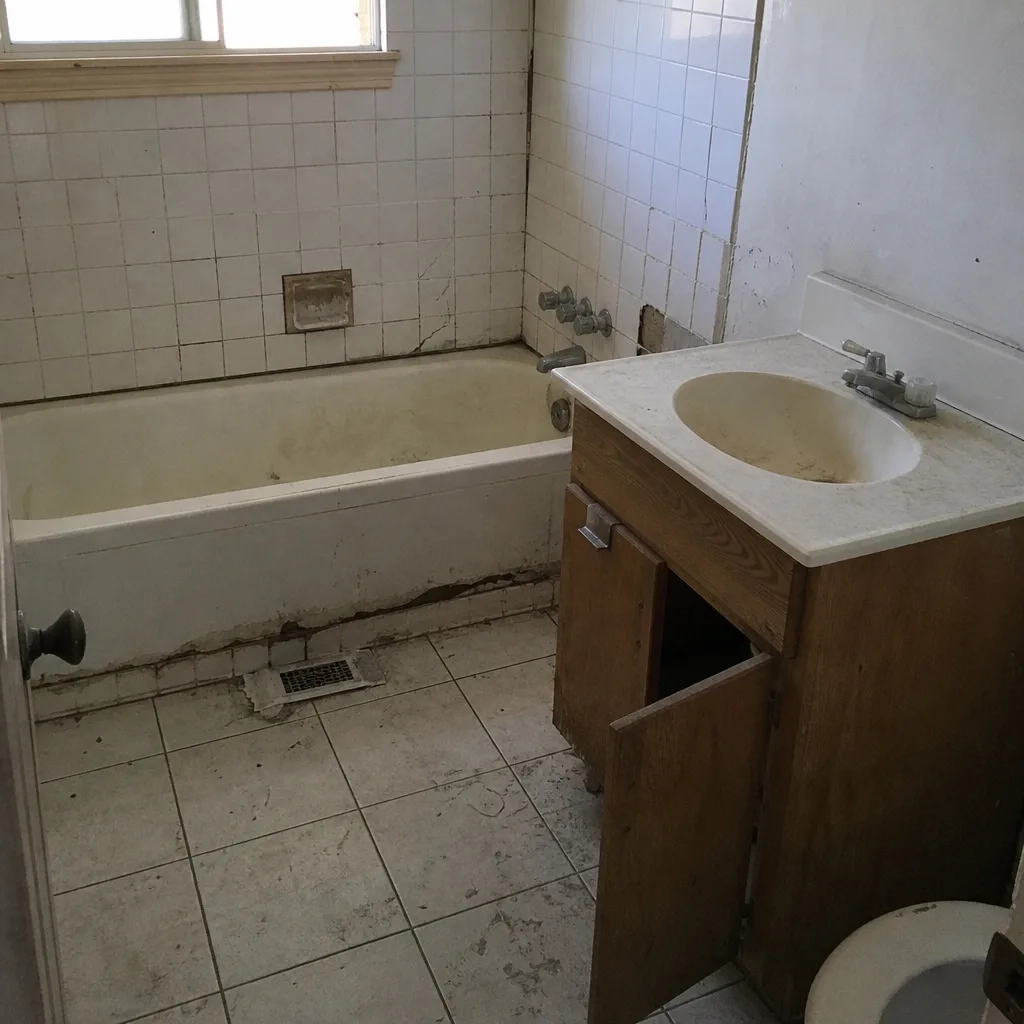 Before
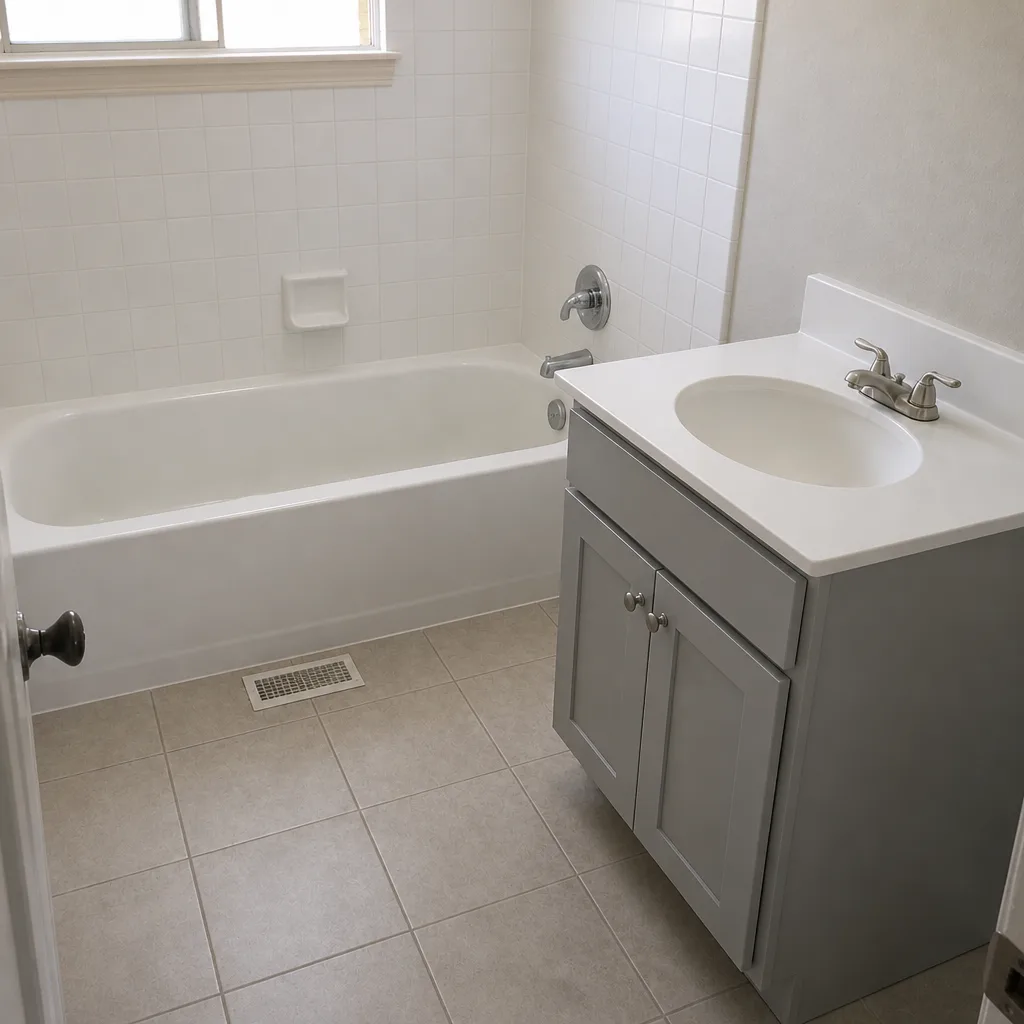 After
When to Call a Professional
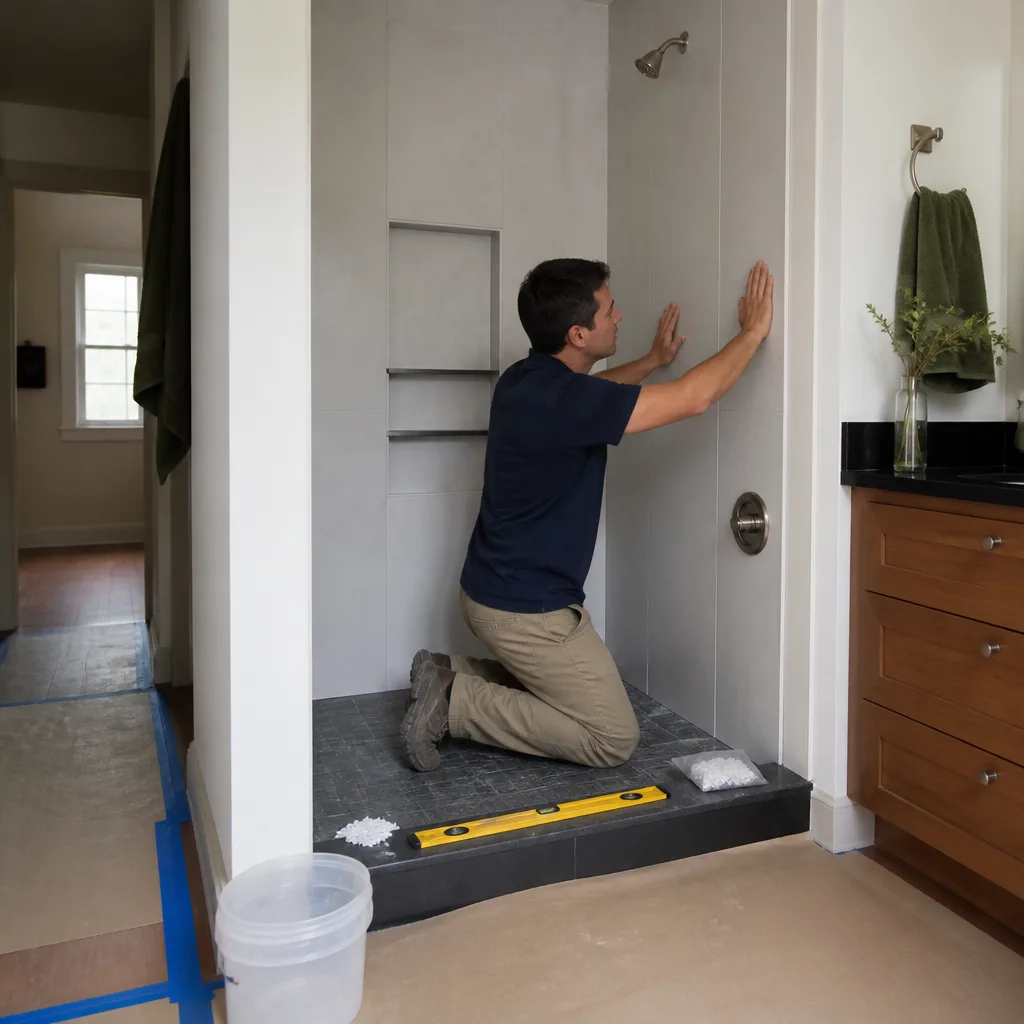
Call a professional the moment you find unstrapped water heaters, paper-faced drywall in a shower, a bathroom exhaust venting into the attic, or any electrical work in a wet zone that isn’t GFCI-protected. Call also if a contractor has asked for a large cash draw before work starts, can’t produce a written warranty, or starts a change order after demo with no documentation. Those are all signs that the work is going sideways and the longer you wait, the more expensive the correction gets.
Bradford Remodeling Co Concord offers free estimates in Concord – call (866) 476-6447. Every estimate comes with a written price before work begins and the terms of the 365-Day Done Right Promise in writing. Our technicians have up to 22 years of experience, and every job runs against The Garrison Standard, the operating framework behind every Bradford project. Live person answers the phone, twenty-four hours a day.
Frequently Asked Questions
Correcting a botched bathroom remodel in Concord typically runs $8,000 to $25,000 depending on how much has to be torn out and rebuilt. The most common corrections are replacing paper-faced drywall with proper backer board, redoing a shower pan without a pre-slope, and re-permitting work done without permits. The lowest-cost correction is catching the problem during demo or rough-in, before tile is set. Call (866) 476-6447 for a free estimate – every price is written down before we start.
Yes, and it’s one of the most reliable screens you have. The CSLB public record shows license status, classification, bond status, workers’ comp coverage, and complaint history. A bathroom remodel that requires plumbing relocation or structural changes should be done under an active B-General Building license with an in-force bond. If the record shows an expired license or recent complaints about abandoned jobs, that’s the warning sign.
Walk away. Unpermitted bathroom work becomes your liability at resale and can fail inspection years later when you try to refinance or sell. In Concord, unpermitted rough-in plumbing and electrical are the most common source of failed retroactive inspections. A contractor who suggests skipping the permit “to save time” is telling you something about every other corner they plan to cut.
A $6,000 spread between bids for the same bathroom is normal only if the scope is genuinely different. Line the four items up (substrate, waterproofing, tile setting material, permit inclusion) and the gap usually explains itself. If both bids list the same materials and the gap is still $6,000, one of the two is missing something from the proposal. Ask each bidder to walk you through what’s included before you sign anything.
A full gut bathroom remodel in Concord typically runs four to seven weeks for a standard 5-foot by 8-foot bathroom. Larger baths run eight to ten weeks. The variables that stretch the timeline are permit processing, tile lead times (some tile orders run four to six weeks), and any unknown conditions discovered during demo. A bid that promises “under three weeks” for a full gut bathroom is a bid to negotiate on paper, not one to trust onsite.
A real written warranty has a duration, a description of what’s covered, and a process for making a claim. Ours is the 365-Day Done Right Promise: one full year from project close, written into the contract, covering any failure of the work we performed. If something fails inside that window, we come back and correct it at no charge. A verbal warranty is not a warranty. Ask for the language in writing before you sign.
The Bottom Line
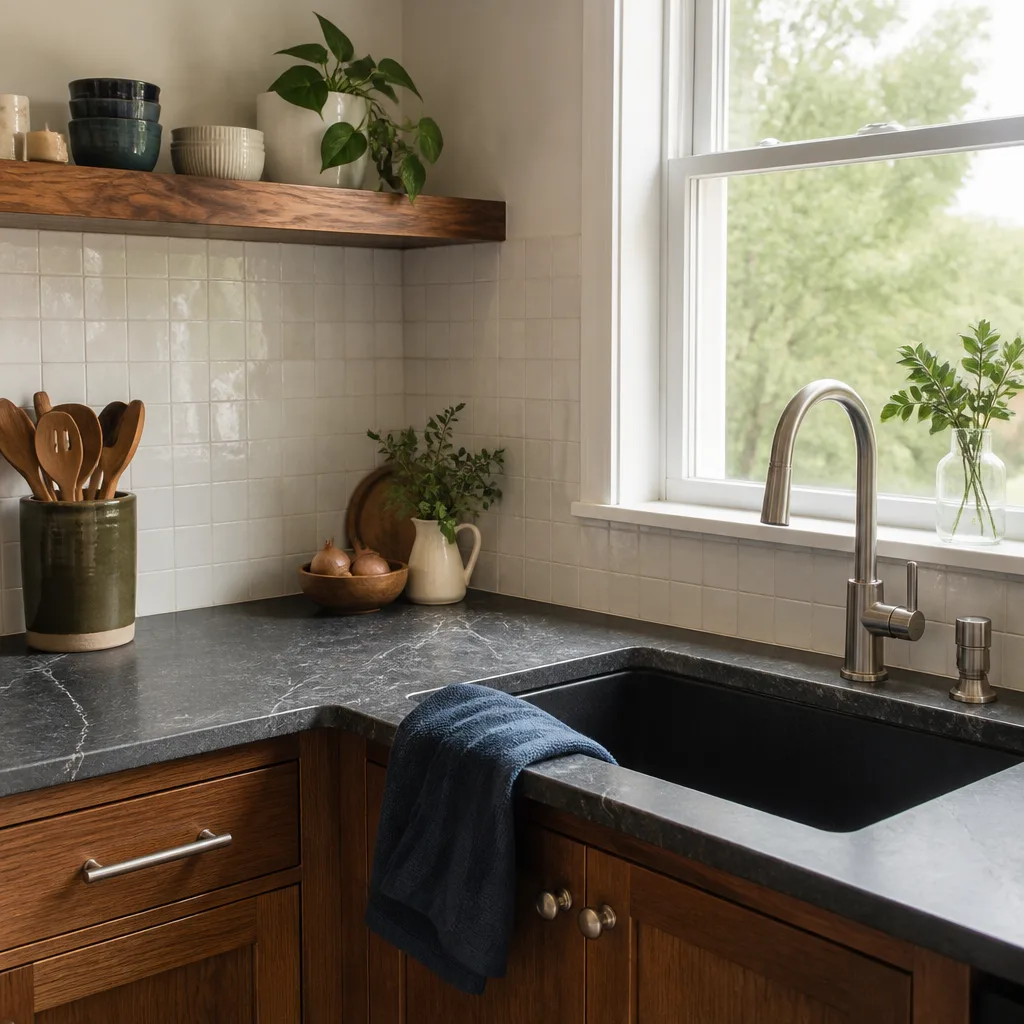
The warning signs in a bathroom remodel almost always show up before work starts. Missing substrate specs, no waterproofing method, no permit, no warranty language, large cash draws, and vague timelines are all things you can spot in the proposal. On site, the shortcuts that hurt most are paper-faced drywall in wet zones, no pre-slope under a shower pan, and unstrapped water heaters. Verify every contractor through the CSLB before signing, require a real change order with photos and line items after demo, and get warranty terms in writing. A written price before work begins and a written guarantee after it ends are the two documents that separate a real remodeler from a contractor who doesn’t plan to come back.
If you’re ready for a free estimate on a bathroom in Concord, call (866) 476-6447. We’ll walk your project through a written scope, document the materials, and put the price and the 365-Day Done Right Promise in writing before anything starts. Our technicians have up to 22 years of experience on bathrooms just like yours, and every job runs against The Garrison Standard.
Written by the team at Bradford Remodeling Co Concord.