Last updated November 18, 2026
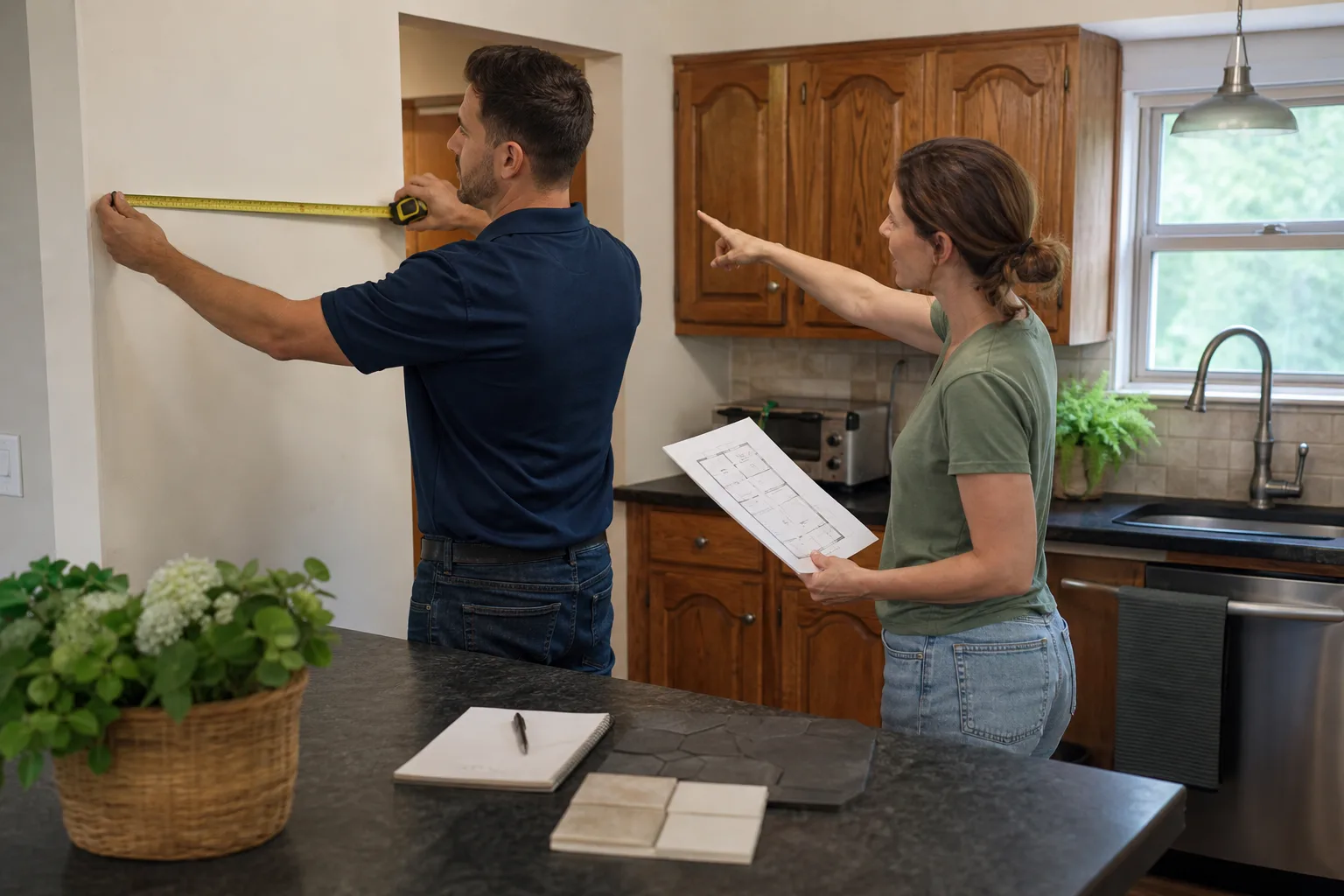
Free written scope consultation - allowances, timeline, and change-order rules on paper before a single trade is scheduled
The Complete Home Remodeling Guide for Concord Homeowners
Here’s the gap that shuts down more whole-home remodels in Concord than any other: nobody owns the inspection sequence. A homeowner hires a framer, then an electrician, then a plumber, then a drywall crew, and each one does their piece. What none of them owns is the order in which the city inspector signs off on those pieces. When the rough electrical isn’t signed off before the drywall goes up, the job stops. This guide is written to prevent that. You’ll learn how structural versus cosmetic scopes change your permit path under California code, what Concord’s 1950s-1970s housing stock hides behind the walls, how to sequence trades so they don’t collide, how a legitimate contract is structured, and how to decide whether to live through the dust or move out.
Quick Answer
A whole-home remodel in Concord is a permit-driven, multi-trade project, not a bigger bathroom job. If you touch structure, add square footage, or move load-bearing walls, California building code requires a licensed general contractor to pull permits and own the inspection sequence. Cosmetic work (paint, flooring, cabinet refacing without layout changes) can be owner-managed with individual trades. Either way, get a written scope and written price before demo, and confirm who is responsible for each inspection sign-off in writing.
Styles & brands we work with
- Kitchen remodeling
- Bathroom remodeling
- Home additions & ADU
- Roofing
- Windows & doors
- Driveway & pavers
- Fence
Table of Contents
- Cosmetic vs. Structural: Which Remodel Are You Actually Doing?
- What Concord’s Housing Stock Hides Behind the Walls
- How a Multi-Trade Remodel Is Sequenced
- The Financial Structure of a Legitimate Remodel Contract
- Should You Live in the Home During Remodel?
- Concord Permits and the Inspection Sequence
- What a Whole-Home Remodel Costs in Concord
- Common Mistakes to Avoid
Cosmetic vs. Structural: Which Remodel Are You Actually Doing?
The single most important question before you call anyone is whether your project touches structure. This is what determines your entire permit path, cost profile, and who is legally responsible for the work.
Cosmetic renovation means surface-level changes that don’t alter the footprint, don’t move load-bearing walls, and don’t touch the structural, plumbing rough-in, or electrical panel. Think: paint, flooring over existing subfloor, cabinet doors and hardware, fixture swaps that connect to existing water lines in the same location. A homeowner can manage these trades directly in Concord; permits are often limited or not required depending on scope.
Structural remodel means moving or removing load-bearing walls, adding square footage, reconfiguring plumbing beyond a fixture swap, adding a bathroom, or an addition. Under California building code, this triggers a licensed general contractor requirement: someone who pulls the permits, owns the inspection sign-off, and holds the contract. You cannot legally owner-build a structural remodel as a side arrangement between trades.
The line between those two categories is where Concord homeowners get burned. A kitchen with no layout change is cosmetic. A kitchen where the range moves to a new wall is structural, because you’re relocating a gas line and possibly a load path. A bathroom vanity replacement is cosmetic. A bathroom where the shower moves is structural, because you’re relocating a drain.
In our experience, the cleanest test is: does the change affect the framing, the plumbing rough-in, the electrical panel, or the building envelope? If yes to any, you’re in structural territory. That means a General Contractor in Concord should own the permits and the sequence, even if specialized trades do the actual work.
What Concord’s Housing Stock Hides Behind the Walls
Concord’s older housing stock is the single biggest variable in a whole-home remodel budget. Homes built between the 1950s and 1970s carry three repeat offenders that change scope once demo starts:
- Asbestos in joint compound, floor tile, and pipe wrap. Homes from roughly 1950 to 1980 frequently used asbestos-containing joint compound on drywall seams. A test costs $300 to $600 for representative samples; abatement, if found, can add several thousand dollars and a two to four week delay.
- Knob-and-tube wiring. If the home still runs on knob-and-tube or partial aluminum branch wiring, the electrical panel and branch circuits must be brought current before the city will sign off. That’s not a line item you can skip; it’s a permit requirement. Budget $8,000 to $20,000 depending on the scope of the rewire.
- Galvanized supply plumbing. Galvanized lines corrode from the inside and drop pressure over decades. If a Concord remodel touches the plumbing rough-in, expect to replace the visible runs you find, and plan for a full repipe if the home still runs galvanized to the fixtures. Budget $4,000 to $12,000 for a whole-home repipe.
These three items are why a remodel estimate built on assumptions can fall apart the day demo starts. A written scope before work begins should state the contingency for each: what happens if asbestos is found, what happens if wiring isn’t current, what happens if the supply lines are galvanized. A real bid doesn’t hide those; it prices them in writing so nothing moves at the door.
Our teams have up to 22 years of experience walking these homes and testing for all three before demo, not after. The best decision you can make is to have a contractor inspect and test before signing a contract, not after the walls are down.
How a Multi-Trade Remodel Is Sequenced
A whole-home remodel isn’t a stack of trades working independently. It’s a sequence, and each trade waits on the one before. Here’s how a legitimate project is sequenced, with realistic calendar spacing for a Concord home:
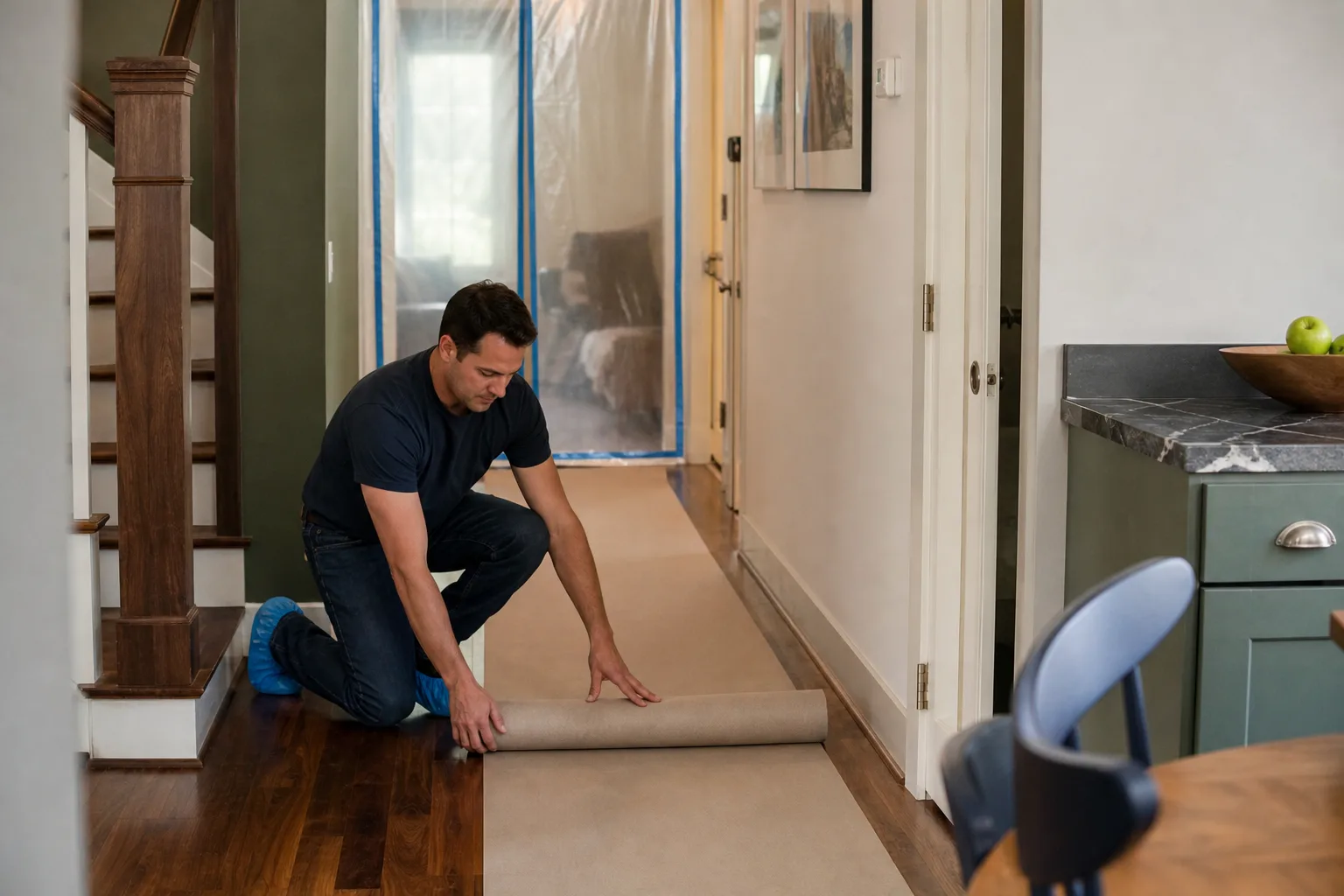
- Demo and site protection (1 to 2 weeks). Floors and HVAC registers protected, non-scope walls sealed, debris hauled. This is also when hidden findings are documented and photographed before trade rough-in.
- Structural and framing (1 to 2 weeks after demo). New headers, load-bearing modifications, and structural repairs. Framing inspection follows; no other trade can proceed until the framing passes.
- Rough plumbing (2 to 4 days). New water and drain lines. Plumber installations must be pressure-tested and inspected before the walls close.
- Rough electrical (3 to 5 days). Panel work, branch circuits, and outlet and fixture locations. Electrical inspection follows, and it must pass before drywall.
- HVAC rough-in (2 to 4 days). New duct runs, register placement, and equipment relocation. HVAC is often sequenced with electrical to keep the inspection calendar moving.
- Insulation and drywall (1 to 2 weeks). Insulation inspection, then drywall hang, tape, and finishing. This is the first big visual milestone.
- Finish trades (3 to 5 weeks). Cabinetry, tile, trim, paint, counters, fixtures, and hardware. This is the longest phase and the one that most affects your total timeline.
The real timing discipline is inspection spacing. In Contra Costa County, inspections are booked by appointment and can stretch two to five business days out during peak season. A legitimate sequence builds that gap into the calendar; a sequence that pretends inspections happen instantly is a sequence that will lose weeks. If the trades are sequenced correctly, a whole-home remodel in Concord runs roughly four to six months for a structural scope and two to three months for a cosmetic one.
The Financial Structure of a Legitimate Remodel Contract
The financial structure of a legitimate remodel contract is as important to understand as the scope itself. Most contractor disputes don’t come from bad work; they come from loose money terms.
Draw schedule tied to verified milestones. Payments should be released in stages: a deposit, a rough-in draw after rough inspections pass, a drywall draw after finishing, a finish draw after substantial completion. Each draw is released when the milestone is verified, not on a calendar date. A contractor who asks for a large lump sum upfront is a contractor whose incentives aren’t aligned with yours.
Lien releases. In California, a contractor, subcontractor, or material supplier can place a mechanic’s lien against your home if they aren’t paid by the general contractor. That’s why every draw should come with a conditional lien release signed by the subcontractors who performed the work, and a final unconditional release at close. If the sequence doesn’t include releases, ask why.
Written scope protection. A written scope protects you against the three things that move a price: added line items, undefined jobsite conditions, and verbal change orders. Every change should be documented in writing before the work happens, signed by both parties, with the price and timeline impact named. Our Kitchen Remodeling in Concord projects follow the same discipline: written price before any tool comes out, written change order for anything that moves.
Should You Live in the Home During Remodel?
For a cosmetic remodel in one zone, staying in the home is usually workable, with a premium on scheduling: the contractor handles one zone at a time and keeps at least one functioning bathroom and kitchen the whole way through. For a structural whole-home remodel, the math rarely favors staying.
The decision comes down to three factors:
- Duration. A four to six month structural remodel means four to six months of dust, noise, and a compressed living space. A two to three month cosmetic remodel is a harder call but often manageable.
- Zone overlap. If the project doesn’t keep a working bathroom and kitchen for the duration of the job, you’ll need to move out. Many structural scopes remove both at some point.
- Housing cost during the project. In Concord, temporary housing in the $2,500 to $4,500 per month range over four months works out to $10,000 to $18,000. If you can stay for a portion, a hybrid approach (stay for the first two months, vacate during the finish phase) is often the best of both.
Ask the contractor for the phase calendar before you decide; if they can’t give you a phase-by-phase move-in and move-out schedule in writing, the answer on occupancy isn’t settled.
Concord Permits and the Inspection Sequence
Concord requires permits for structural, electrical, plumbing, and mechanical work, and the inspection sequence is specific. The contractor who pulls the permit is responsible for booking each inspection and closing out the file. In a properly run job, the sequence looks like this: framing inspection, then rough plumbing, then rough electrical, then HVAC, then insulation, then drywall, then final. Any inspection failure delays the next trade, which is why the general contractor has to own the calendar and build in the standard two-to-five business day booking window.
An important exception: owner-managed cosmetic work in Concord often avoids this sequence entirely because no structural or rough-in permits are required. That’s the trade-off for owner-managed projects: lighter inspection burden, lighter oversight. Someone has to check the sequence, and in that arrangement, it’s you.
What a Whole-Home Remodel Costs in Concord
Costs in Concord run higher than the national median because of labor rates in the East Bay, older housing stock that triggers hidden condition work, and permit and inspection costs. Here’s a realistic line-item range for a 2,000 square foot home:
- Cosmetic whole-home update (paint, flooring, cabinet refacing): $45,000 to $85,000
- Kitchen remodel with layout change: $55,000 to $95,000
- Bathroom remodel: $18,000 to $38,000
- Structural whole-home remodel: $150,000 to $400,000+
- Asbestos testing and abatement, if found: $3,000 to $15,000
- Full electrical rewire, if required: $8,000 to $20,000
- Full repipe, if required: $4,000 to $12,000
- Permit and inspection fees: $2,000 to $8,000 depending on scope
Those ranges are what a written bid should reflect. If a contractor quotes a number that isn’t broken into line items, ask for the line-item bid. A Bathroom Remodeling in Concord scope should arrive the same way. Every Bradford Remodeling Co Concord project comes with a written price before any work starts, and a written scope that names every contingency so the price doesn’t move at the door.
Common Mistakes to Avoid
- Signing a contract without a line-item scope. A lump-sum number with no breakdown leaves you exposed to added items. Ask for the line-item bid with contingency pricing for asbestos, wiring, and plumbing.
- Letting the trades chain without a general contractor. If no single party owns the inspection calendar, the job can stop for weeks at the first inspection hold. That’s the most common whole-home remodel failure in Concord.
- Skipping pre-demo testing. Testing for asbestos and knob-and-tube wiring before demo costs $300 to $600 and can save $20,000 in emergency abatement and rewire. This is the single cheapest insurance policy on the project.
- Not confirming who pulls the permits. The permit holder is legally responsible for inspections. If the contract doesn’t name who pulls and who closes the file, you’re leaving the inspection sequence undefined.
- Paying a large lump sum upfront. Draw schedules tied to verified milestones protect you. A large upfront ask is the fastest path to a stalled project.
- Ignoring the cost of temporary housing. For a structural scope, the housing line item can run $10,000 to $18,000. That number belongs in the budget before construction, not after.
- Assuming cosmetic work is fully out of scope. Even cosmetic remodels in older Concord homes can surface hidden conditions during demo. A written contingency for hidden conditions protects the schedule.
See the difference
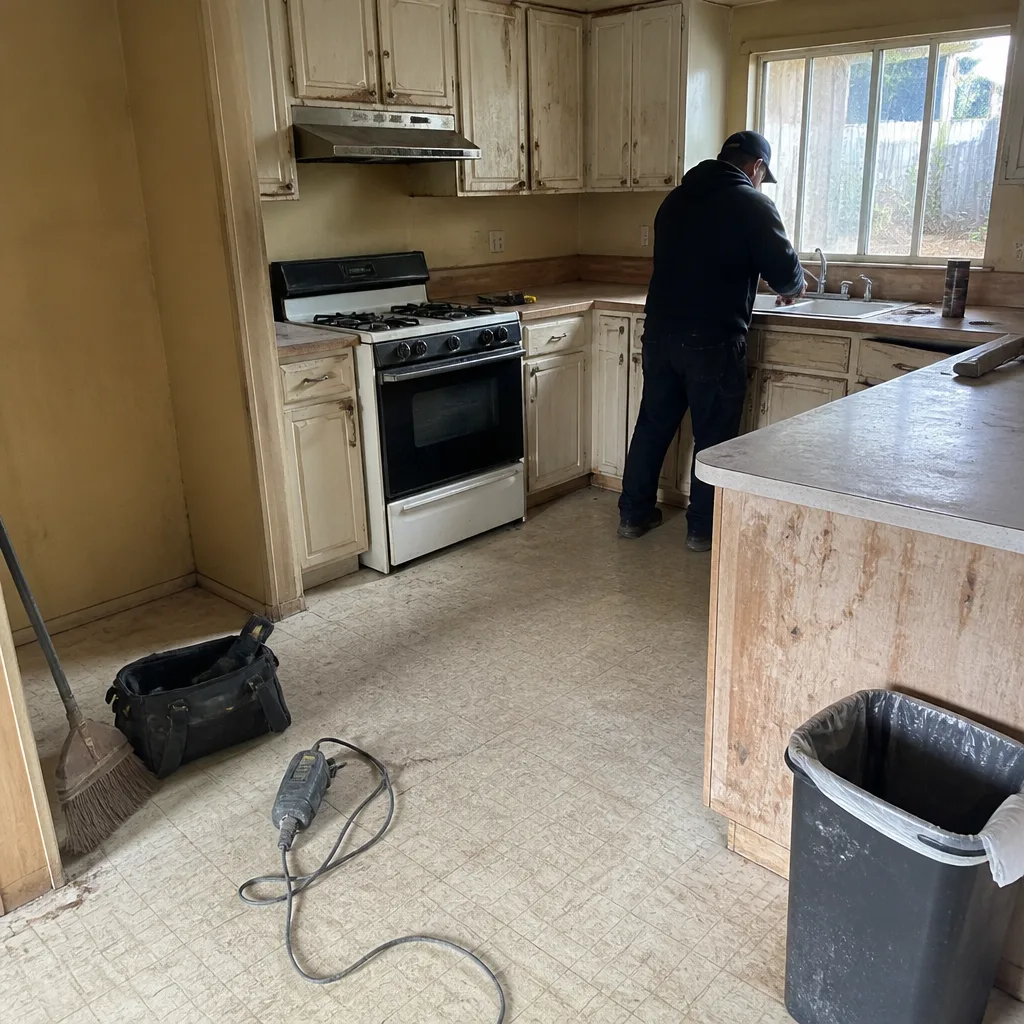 Before
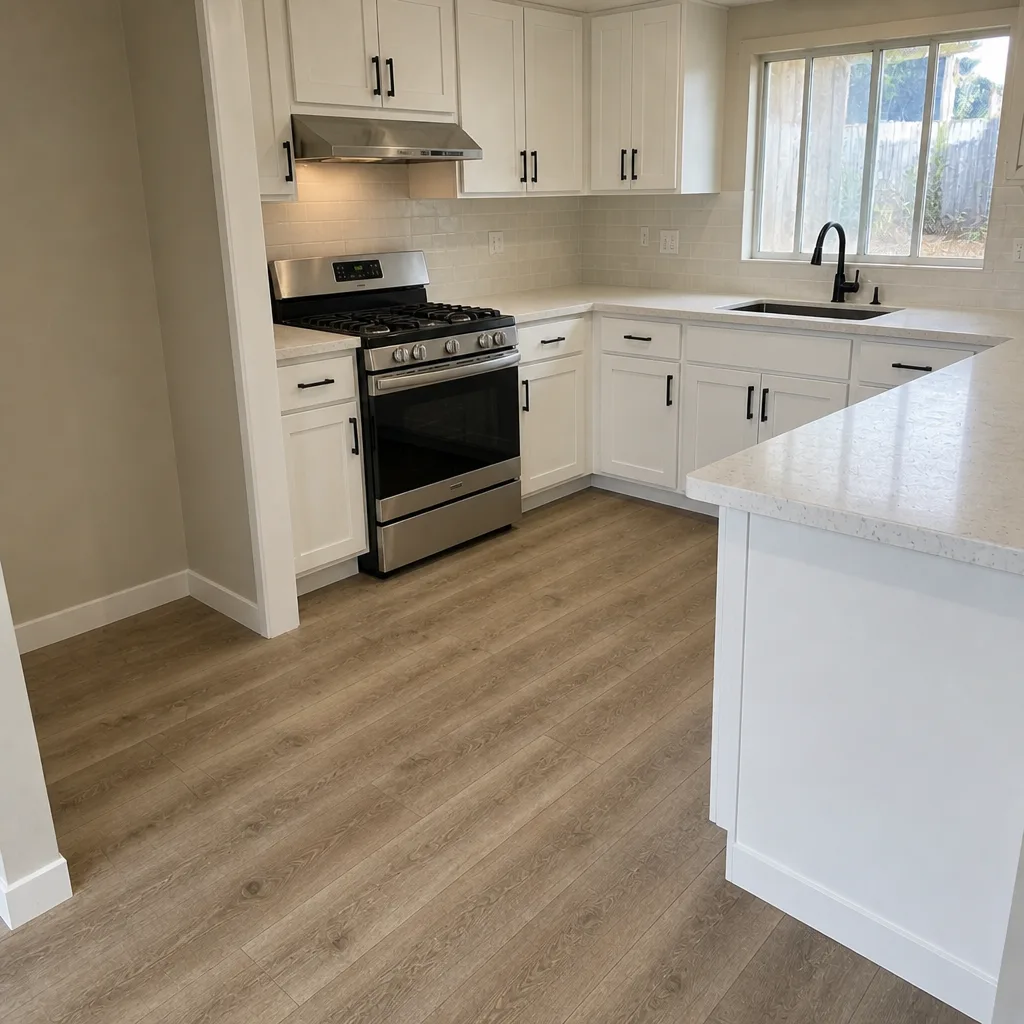 After
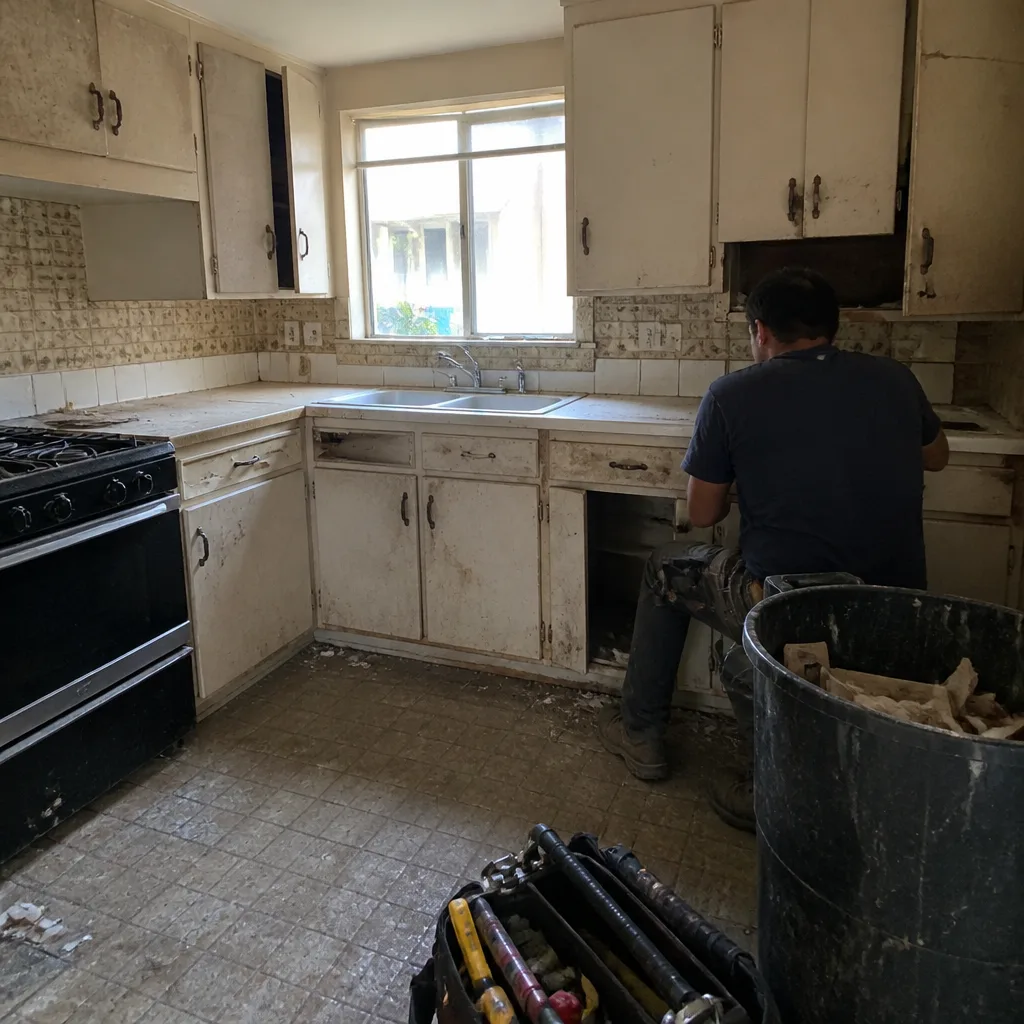 Before
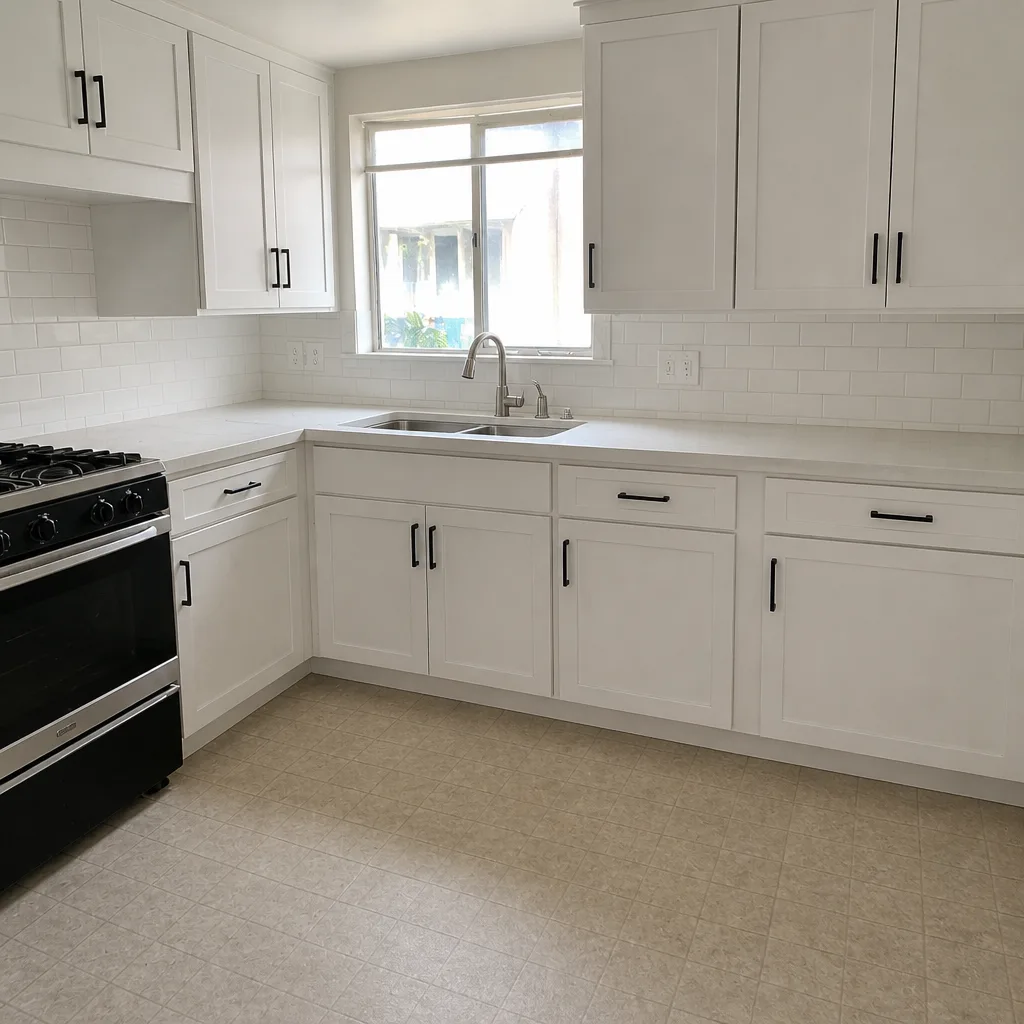 After
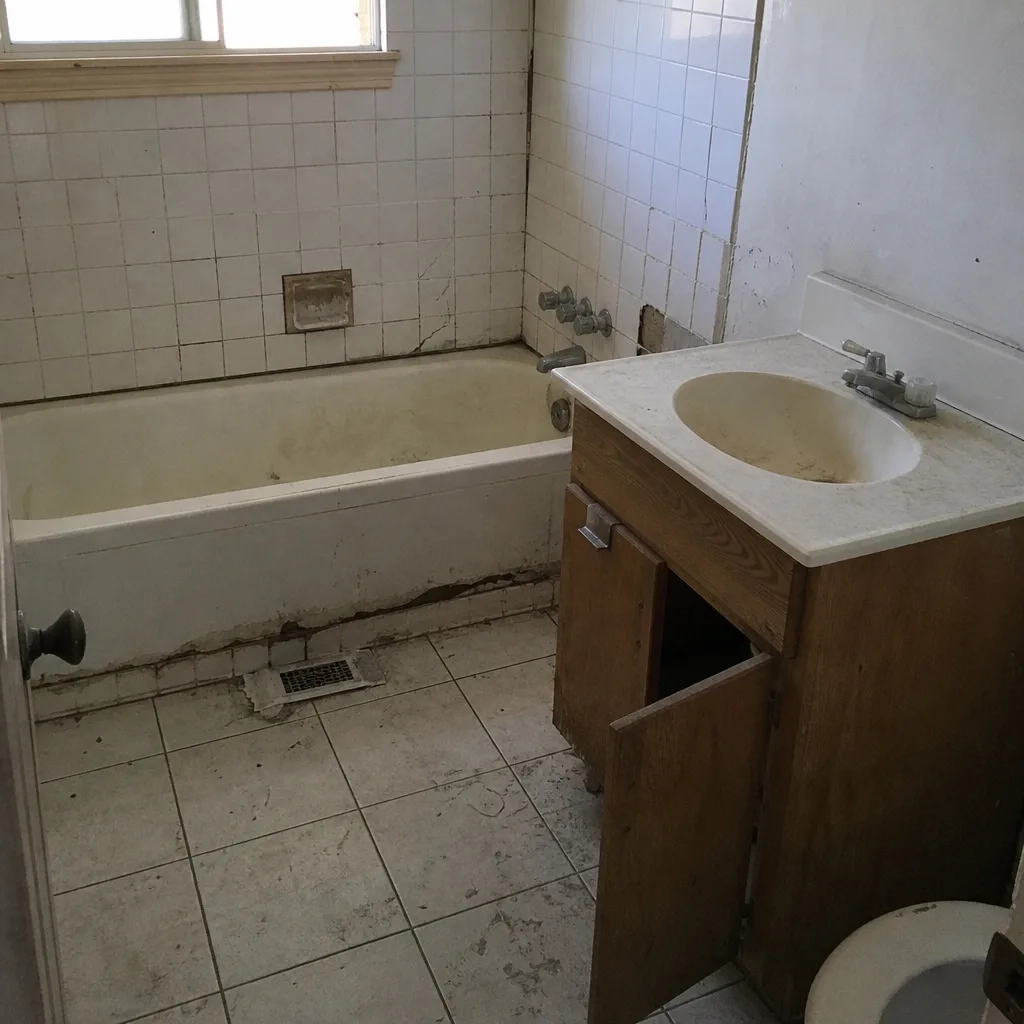 Before
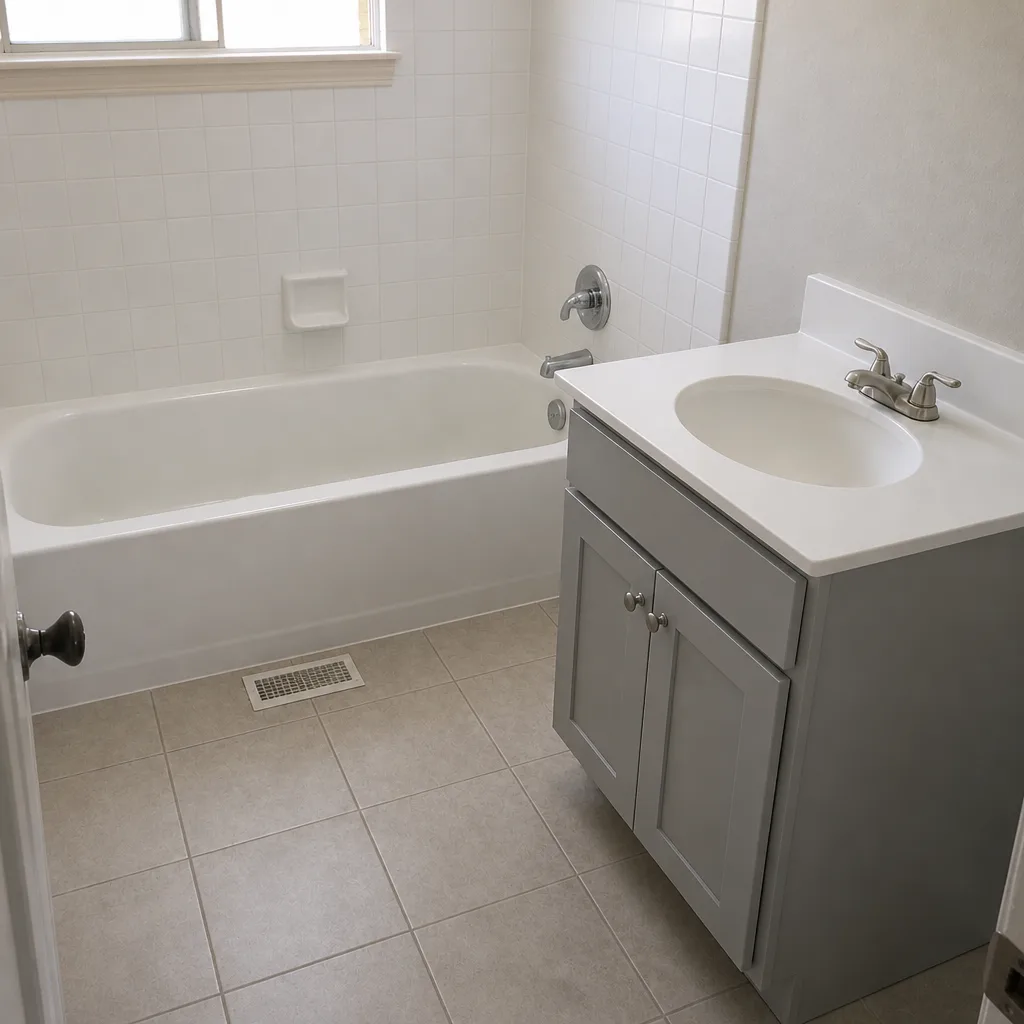 After
When to Call a Professional
Call a licensed general contractor when the project moves a load-bearing wall, reconfigures plumbing or electrical rough-in, adds square footage, or involves more than one trade working in sequence. That’s not a judgment call; it’s the California code requirement and the practical reality of the inspection sequence. It also applies when the home is 1950s-1970s vintage and you haven’t tested for asbestos or knob-and-tube wiring; a pre-demo inspection is the cheapest decision you’ll make. Bradford Remodeling Co Concord offers free estimates in Concord with a written scope, a written price, and the 365-Day Done Right Promise on every completed project. Call (866) 476-6447 to schedule yours.
Frequently Asked Questions
Yes, if the project is structural. California building code requires a licensed general contractor for any work that touches structure, moves load-bearing walls, adds square footage, or reconfigures plumbing and electrical rough-in. Cosmetic remodels without layout changes can be owner-managed with individual trades, but the inspection sequence is then your responsibility, not a contractor’s.
Plan on four to six months for a structural whole-home remodel in Concord and two to three months for a cosmetic one. The biggest time variable is the inspection sequence: inspections are booked by appointment and can stretch two to five business days out, so a legitimate schedule builds that gap into the calendar rather than pretending it doesn’t exist.
Homes built between 1950 and 1970 routinely carry asbestos in joint compound and floor tile, knob-and-tube or partial aluminum wiring, and galvanized supply plumbing. Budget $300 to $600 for pre-demo testing, and budget contingency for abatement, a rewire, or a repipe if the testing comes back positive. Testing before demo is always cheaper than finding it after.
Usually not comfortably, and often not at all if the project removes a working bathroom or kitchen during the build. If the project phase overlaps with both, temporary housing in Concord runs roughly $2,500 to $4,500 per month over four months, or $10,000 to $18,000. A phase calendar from the contractor makes the decision clear before the project starts.
Not if you have a written line-item scope and a documented change-order process. Hidden-condition contingencies (asbestos, wiring, plumbing) should be priced into the contract upfront, not discovered fee-by-fee during the build. Our written price is set before any work starts, and any price movement requires a signed change order with the impact named in the document.
The general contractor who pulls the permits. That party is legally responsible for booking framing, rough plumbing, rough electrical, HVAC, insulation, and final inspections, and closing the permit file at the end. If no single party owns that responsibility in writing, the inspection sequence is undefined, and that’s the most common reason Concord whole-home remodels stall.
The Bottom Line
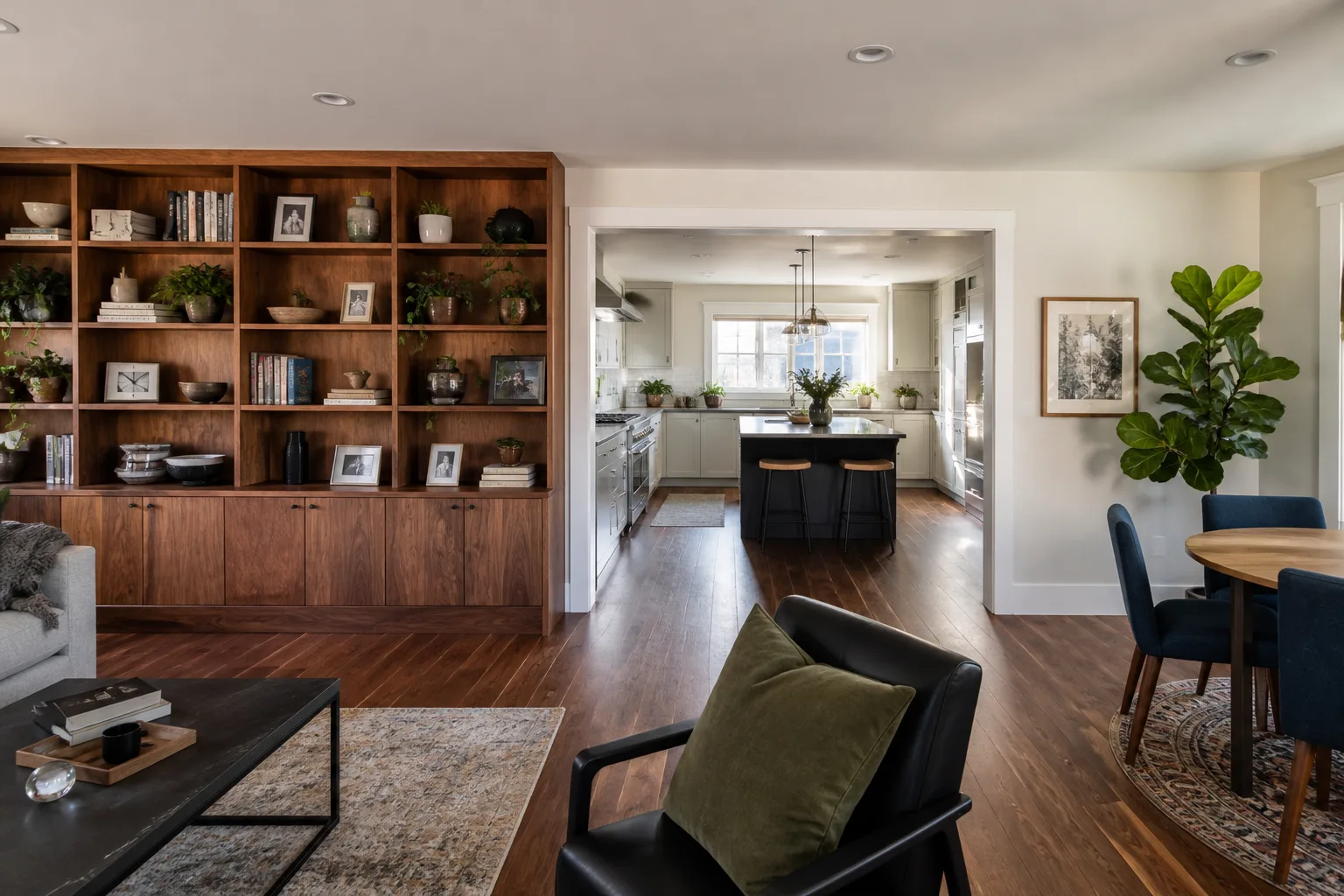
A whole-home remodel in Concord isn’t a bigger kitchen job; it’s a permit-driven, multi-trade project in which the inspection sequence is the governing constraint. The four decisions that matter most: determine whether you’re doing cosmetic or structural work, because that determines your contractor and permit path; test for asbestos, wiring, and plumbing in older Concord homes before demo, not after; require a written line-item scope with contingency pricing and a draw schedule tied to verified milestones; and confirm in writing who owns the inspection sequence. Get those right, and the project runs on a schedule; get them wrong, and the job stalls. Bradford Remodeling Co Concord puts every price and every guarantee in writing before a single tool comes out, backed by The Garrison Standard and a 365-Day Done Right Promise on every completed project. Call (866) 476-6447 for your free estimate.
Written by the team at Bradford Remodeling Co Concord.