Last updated November 18, 2026




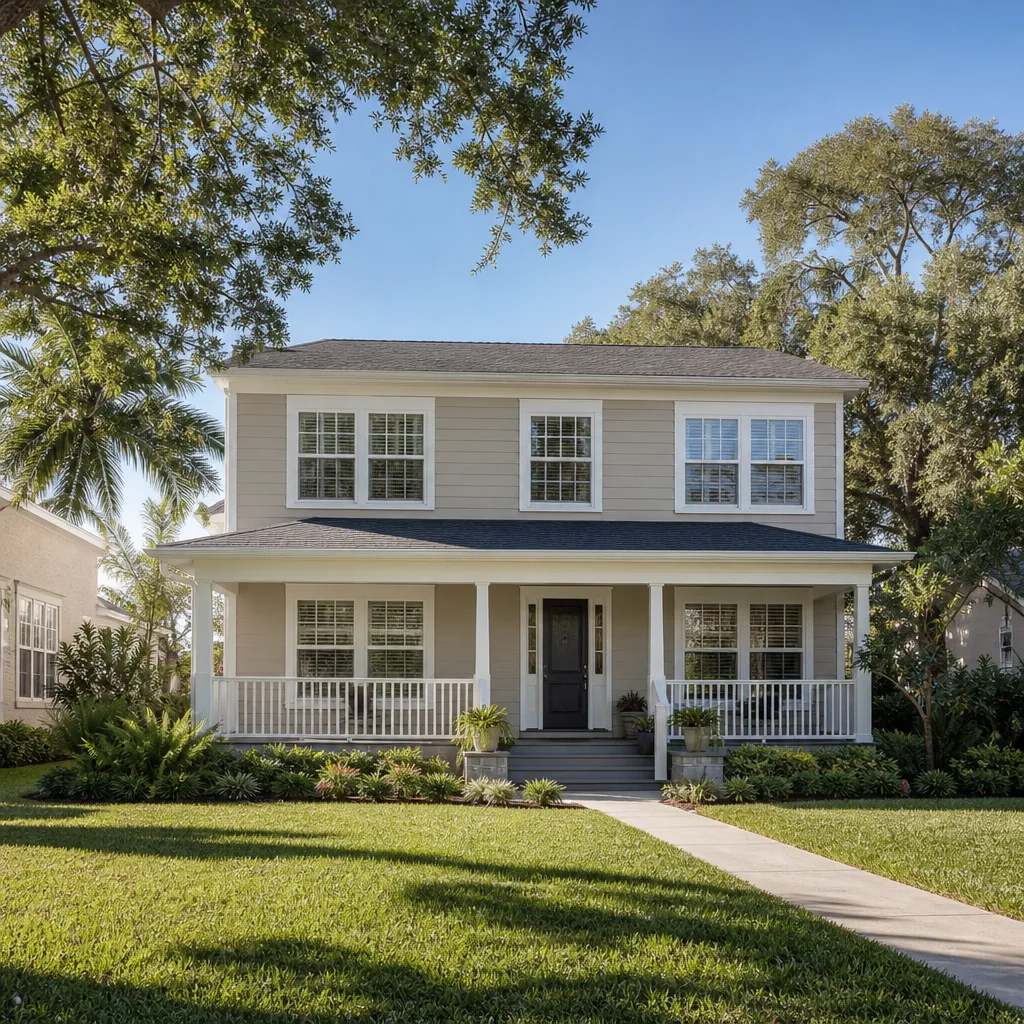

Free written scope consultation - allowances, timeline, and change-order rules on paper before a single trade is scheduled
Construction Warning Signs: A Concord Homeowner’s Reference Guide
The contractor who shows up on time for the estimate and ghosts after the deposit isn’t an anomaly in Concord’s remodeling market – it’s a documented pattern that starts with one consistent warning: no written scope before a request for money. What surprises most homeowners is how mundane the red flags look. Rarely is anyone wearing a ski mask. It’s a round-number bid with no line items, a certificate of insurance you have to ask for twice, a crew working that the general contractor has never met. This guide names those behaviors and document gaps so you can read them before the first tool comes out.
Quick Answer
Contractor red flags in Concord usually show up as procedural skips, not dramatic scams: a bid with no line-item breakdown, licensing and insurance documents you have to chase, no written scope before a deposit request, and a general contractor who can’t name the foreman running your job. These gaps point to a contractor operating on handshake terms who resolves disputes through delay rather than warranty work – and they’re all visible before work starts.
Styles & brands we work with
- Kitchen remodeling
- Bathroom remodeling
- Home additions & ADU
- Roofing
- Windows & doors
- Driveway & pavers
- Fence
Table of Contents
- Why Round-Number Bids Are Structurally Built to Generate Change Orders
- The Licensing and Insurance Documents a Legitimate Contractor Provides Without Being Asked
- Spotting a Subcontractor-Heavy Operation Before You Sign
- On-Site Warning Signs During an Active Project
- Reading the Dispute Resolution Clause Before You Sign
- Building the Paper Trail That Protects You
- Concord-Specific Red Flags
Why Round-Number Bids Are Structurally Built to Generate Change Orders
When a bid comes back at exactly $48,000 with three lines – “demo,” “materials,” “labor” – that’s not a summary. It’s a structure that leaves everything undefined. Line-item bids tell you what’s included. Lumped bids tell you nothing except a total, which means any scope question later becomes a new charge. The contractor isn’t being generous with rounding; they’re preserving room to add money.
A real line-item bid for a Concord kitchen remodel usually runs 20 to 40 lines. Yours should look like this:
- Demo and disposal – labor hours, dumpster count, haul-away
- Cabinetry – brand, model line, drawer count, hardware spec
- Countertops – material by brand, square footage, edge profile, cutouts
- Tile and setting materials – square footage, substrate, thinset brand
- Plumbing rough-in and finish – fixture brand, valving
- Electrical – circuit count, fixture allowance
- Drywall, paint, trim – coats, product
- Permits and inspections – listed as a line, not “included”
Every line carries a number. When cabinetry is listed as “KraftMaid Cardell in painted finish” instead of “cabinets,” you know what you’re getting and the contractor can’t swap it.
A lumped bid at a suspiciously low round number almost always hides “allowances” – dollar figures for materials the contractor hasn’t priced yet. A $4,000 tile allowance on a $48,000 bid becomes a $6,500 surprise the moment you actually pick tile. Ask what the allowance covers, what happens if you exceed it, and whether the overage is marked up. If the answer is vague, the number will move.
This is why kitchen remodeling in Concord starts with a written scope and price before demolition, not after. The bid sheet is the contract.
The Licensing and Insurance Documents a Legitimate Contractor Provides Without Being Asked
A contractor who operates by the book hands you their license number on the first visit, unprompted. If you have to ask twice, ask for the binder in writing, and still don’t get a clean copy – that’s a documented pattern, not an oversight. Every honest contractor in Concord expects the request.
Here’s what you should be able to verify before signing:
- A state contractor license number. Look it up yourself through the Contractors State License Board – the number on the truck should match the number in the database.
- A certificate of general liability insurance naming you or your property, with coverage that matches the project value. Ask the carrier to email you a copy, not the contractor.
- Proof of workers’ compensation insurance if the crew are employees. If they aren’t, you’re about to learn that the crew are 1099 subcontractors, which changes who’s liable if someone gets hurt on your property.
- A physical business address and phone number, not just a cell. Ask whether they use a P.O. box.
- A bonds confirmation, where required for the license class.
The tell isn’t whether the contractor carries these – most legitimate ones do. It’s the sequence. A contractor who says “I’ll get you my insurance, don’t worry about it” and then takes 5 days to send a certificate is showing you their communication pattern for the rest of the job. That’s how they’ll handle the inspection request at rough-in, and that’s how they’ll handle your warranty call 8 months from now.
For North Concord and the neighborhoods around Concord High, older housing stock means older wiring and plumbing – insurance and licensing matter more, not less, because the work involves more risk to the structure itself.
Spotting a Subcontractor-Heavy Operation Before You Sign
Most residential remodels use subcontractors for specialty trades – electrical, plumbing, tile. That’s normal. The warning sign is a general contractor who subcontracts everything and has never met the framer, the finish carpenter, or the tile setter on your job. If the GC is really a sales operation with a license and a phone number, warranty coverage becomes theoretical: when something fails, there’s nobody to call back.
Before signing, ask these questions directly and see if the answers are specific:
- “Who’s the foreman on my job, and can I meet them?” – the answer should be a name and a meeting, not “our lead guy.”
- “Are the carpenters and the trim crew your employees or subcontractors?” – either is fine, but the answer should be clear.
- “If the tile failed 8 months after install, who comes back to fix it?” – a written warranty plus a specific name is the right answer.
- “Which trades will be subbed out on this project?” – a confident list is normal; “we’ll figure it out” is not.
Why this matters for the warranty: in a crew-based operation, one entity signs the contract, manages the schedule, and stands behind the work. In a dispatching operation, the GC collects your deposit, hires the lowest available sub, and is gone by closeout. The 365-day guarantee a serious contractor writes into your contract depends on a company structure that can actually show up for the warranty visit. Without that structure, the guarantee is paper.
Our technicians at Bradford have up to 22 years of experience, and the foreman on your job is a member of the crew that will finish it – which is part of what a general contractor in Concord should be able to tell you in plain language before signing.
On-Site Warning Signs During an Active Project
Small procedural skips at job start often become structural problems by rough-in. The signs are visible if you know what to watch. Walk the site once a week during the first month and look for these:
- Material substitutions without a written change order. Your bid specified Cambria quartz and a lesser grade arrives instead. If there’s no signed change order showing the substitution, the swap is unilateral and the price should reflect it.
- Work covered before inspection. Drywall goes up over electrical or plumbing rough-in before the city inspector sees and signs. Once it’s covered, correction means demolition at your cost. This is the most expensive warning sign on the list.
- Workers who can’t identify the foreman. Ask the person on site who their supervisor is. If they say “the guy who hired me” and can’t name a company, you have a sub-of-a-sub.
- No permit posted. Concord requires a visible permit card on permitted work. No card means no inspection has been scheduled.
- The site is a mess at day’s end. Debris left in walkways, no dust control, tools stacked under work areas. A crew that doesn’t protect your house during the job won’t protect it at punch list.
- No foreman walk-through, no schedule update. A serious crew meets with you weekly and tells you what’s next. Silence is how surprises grow.
Schluter waterproofing in showers is a case where cutting corners is tempting and invisible. If the setting bed doesn’t include proper waterproofing membrane behind the tile, the shower leaks in year 3, not year 1 – and the 365-day warranty window has long closed by the time the damage shows. Ask the foreman to show you the membrane before tile goes down. If the question makes them uncomfortable, ask yourself why.
Bathroom projects are especially exposed to hidden problems, which is why bathroom remodeling in Concord should always include photographic documentation of the rough-in stage.
Reading the Dispute Resolution Clause Before You Sign
The dispute resolution clause is the part of the contract that tells you how much it will cost to complain if something goes wrong. It matters – and it runs from a fair mechanism to an expensive trap.
What a fair clause includes:
- A right to inspect the work and a written notice period the contractor must respond to.
- A defined remedy: the contractor returns and corrects the work within a set number of days, or you have the right to substitute a third-party fix and deduct from the final payment.
- Warranty language tied to the completion date, not the project start date.
- State statute citations to the corresponding Consumer Protection or Contractors law, so you know the clause is anchored.
- Mediation before arbitration, so disputes can resolve without lawyers.
What boilerplate arbitration looks like (and why it hurts you):
- “All disputes shall be resolved by binding arbitration under [national arbitration service].” – Arbitration is faster than court only if the dollar amount is high enough to justify the filing cost. On a $5,000 correction, the arbitration filing fee often eats the recovery.
- “Arbitration shall be held at a venue selected by the contractor.” – The venue may be 90 minutes away.
- “Each party pays its own fees.” – For small claims, this clause is often worse than small claims court in Contra Costa County, where the fee is modest.
Ask the contractor to explain, in writing, how a dispute over a $4,000 punch-list correction would be resolved. A contractor who can’t recite their own clause or won’t put it in writing is signaling that the clause was written to end conversations, not to resolve them.
Building the Paper Trail That Protects You
The strongest protection you have in a Concord remodel is a written, signed contract with line items, a scope, a schedule, and a price that doesn’t move. The Garrison Standard we operate under requires a written price before any work starts – not after the deposit, not after demo. Here’s how to build the same protection with any contractor:
- Get the bid in writing with line items. No verbal totals. Every line carries a number.
- Require a scope document describing what’s included, what’s not, and what triggers a change order. The change order process must be in writing and must be signed before work continues.
- Collect proof of licensing, liability insurance, and workers’ comp before signing. File it in a folder with the contract.
- Document the permit number for permitted work. Verify with the city of Concord that the permit is pulled by the contractor, not you.
- Photograph the site at rough-in, especially plumbing and electrical, before work is covered. That record will matter if something fails later.
- Get the warranty in writing – who provides it, what it covers, what it excludes, and the window. Ours is the 365-Day Done Right Promise: if any completed work fails inside a year, we return and correct it at no charge. Everything about that guarantee depends on paper, and it’s part of what makes a working relationship actually work.
- Schedule a final walk-through and hold back final payment until the punch list is closed and the signed guarantee is in your hand.
That final step – signed written guarantee in your hand – is what “squared away” actually looks like at job close. Not a handshake. A document.
Concord-Specific Red Flags
Some warning signs are universal. Some are tuned to Concord. A few local tells:
- Diablo-wind season scheduling. Concord’s late-summer and fall wind patterns dry out exterior materials fast – painters who won’t list a Diablo-wind contingency in the schedule are telling you they’ve never worked through one.
- Older housing stock on the north side of town. Homes near Ellis Lake and along the older corridors often have knob-and-tube wiring or galvanized plumbing that surprises a contractor once walls are open. A bid that doesn’t include a line for “unforeseen conditions allowance” is either a pro who’s already walked the crawl space or an amateur who hasn’t.
- Permits that “aren’t needed” on kitchen or bath work. Kitchen and bath remodels in Concord almost always require a permit. A contractor who says otherwise is telling you they don’t want the inspection.
- Bonds that don’t match the license class. It’s a paperwork tell, and it usually means the contractor is operating at the edge of their license class – common among handymen posing as remodelers.
- “I’ve been doing this in Concord for 30 years.” Experience is real and matters, but personal tenure doesn’t replace written documentation. The question to ask is “what does your written guarantee cover, and for how long?”
Concord’s housing ranges from mid-century on the west side toward newer construction out toward Concord Pavilion and the northeastern growth, which means the red flags you watch for shift depending on which block you’re on. Older plumbing matters more on the west side; newer-build framing issues inside the 365-day window matter out east.
Common Mistakes to Avoid
- Signing the bid without line items. A lumped number on a contract is a change order waiting to happen. Insist on the breakdown before you sign.
- Skipping the permit check. Call the Concord permit office and confirm the permit is pulled in the contractor’s name. If it’s in yours, you’re the responsible party for inspection failures.
- Accepting a verbal substitution. If Cambria arrives as a substitute grade, and there’s no signed change order, you can’t recover the price difference.
- Paying the full deposit at signing. A standard deposit for a Concord remodel is 10 to 15 percent; more than a third up front is unusual and usually signals a cash-flow-strained operation.
- Not photographing the rough-in. Once drywall covers electrical and plumbing, you have no record. A 5-minute walkthrough with your phone at rough-in costs nothing and protects the entire project.
- Assuming the warranty covers everything. Read the exclusions. A warranty that excludes “installation labor” excludes most of what can fail.
- Taking the low bid without asking why. A bid that’s 20 percent below the pack is either missing scope, hiding allowances, or planning to hit you with change orders.
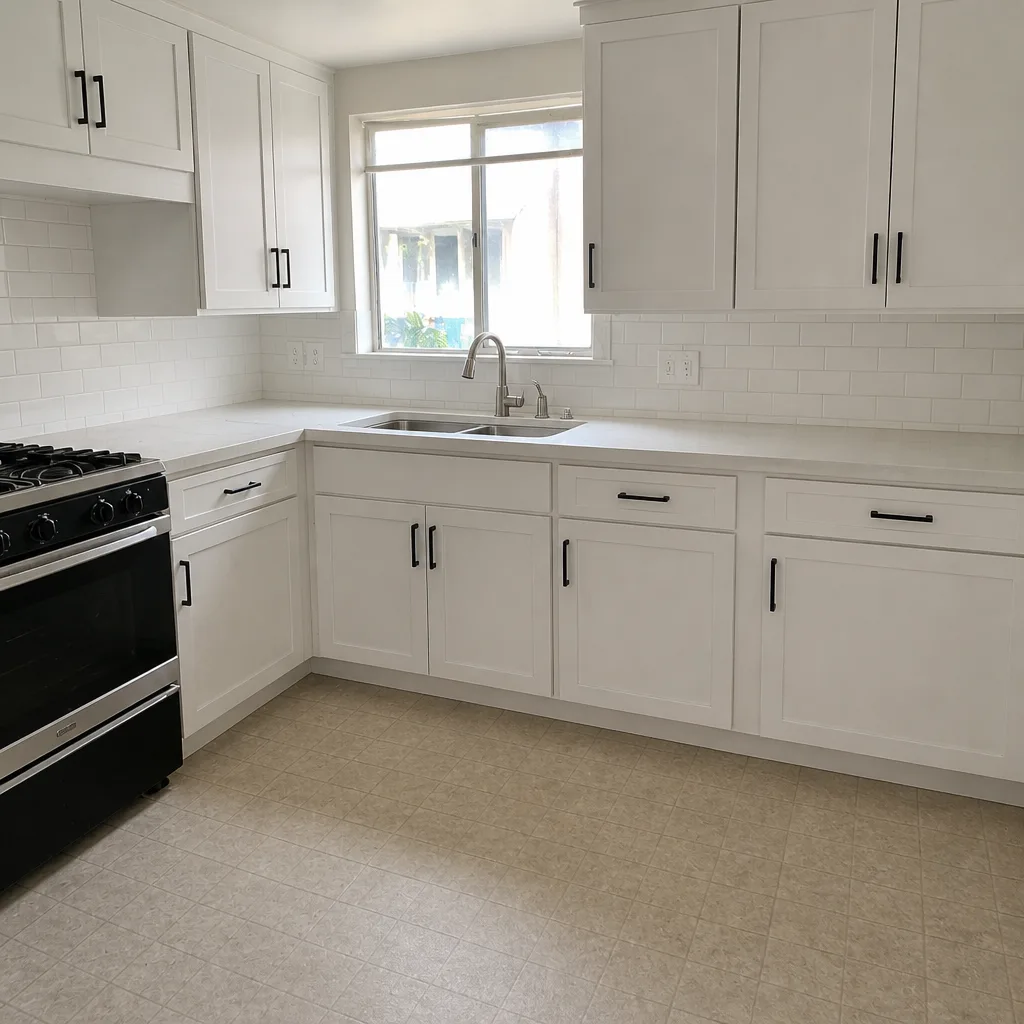
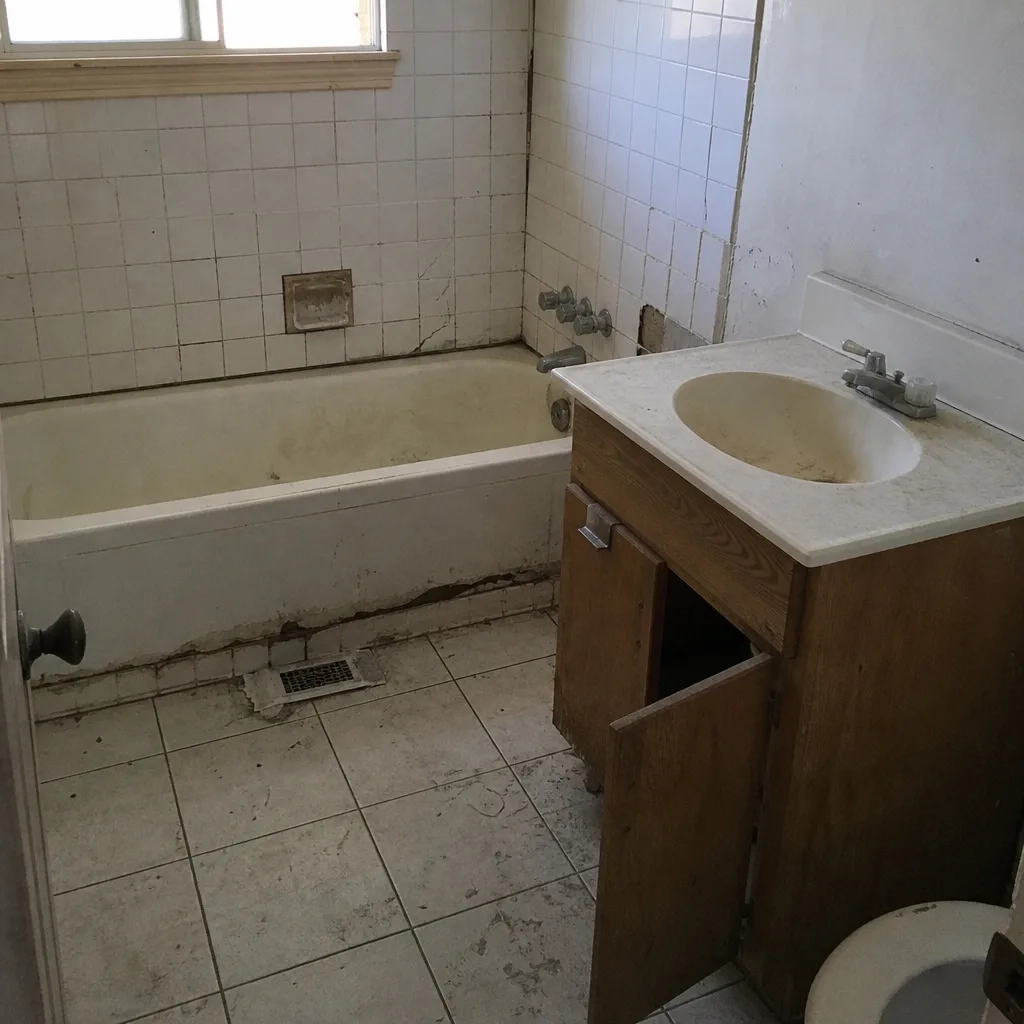
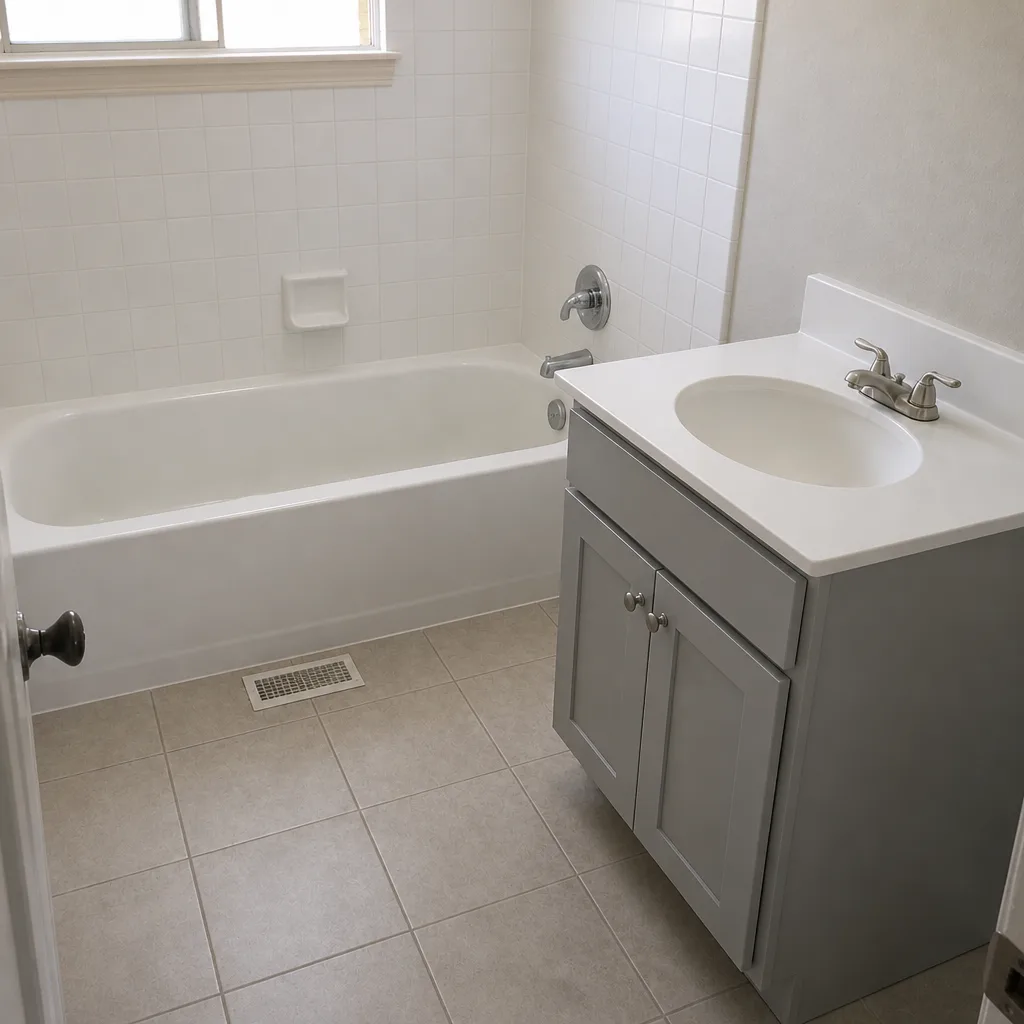
See the difference
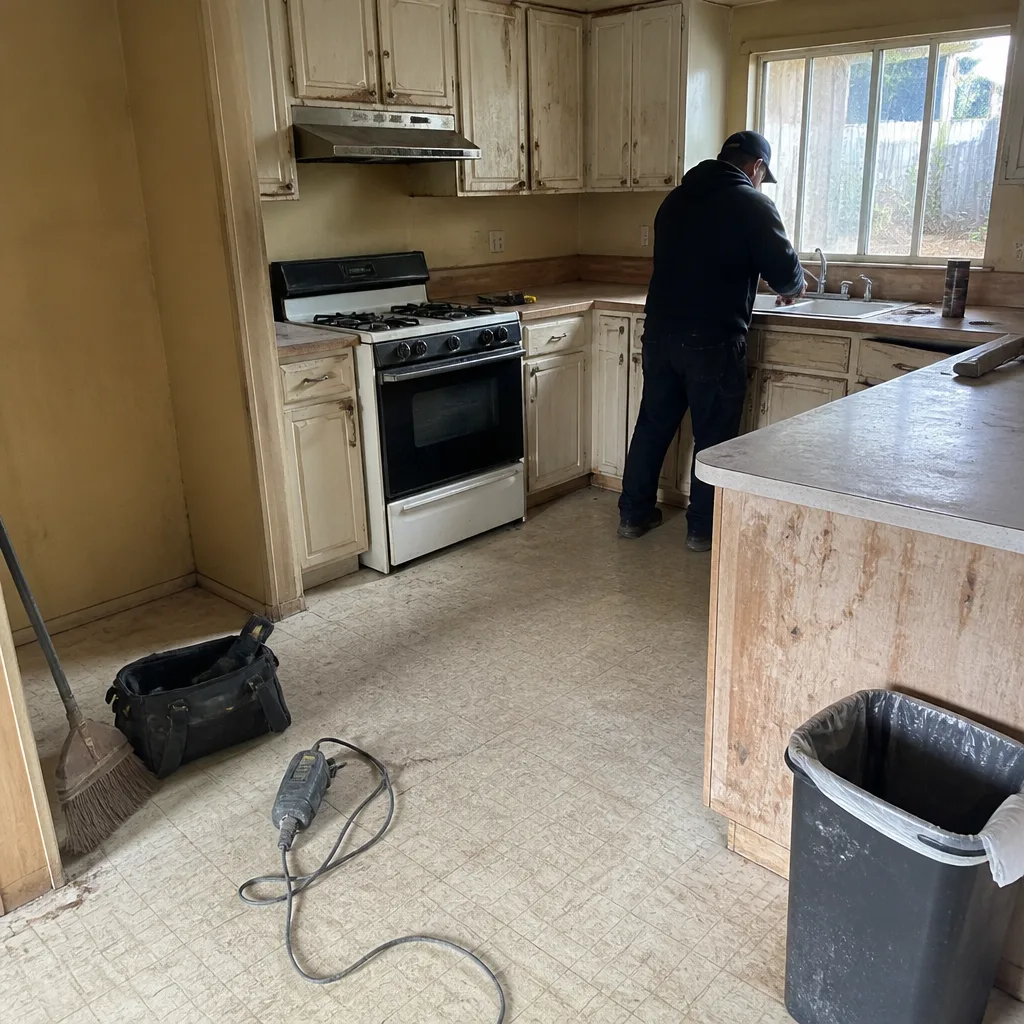 Before
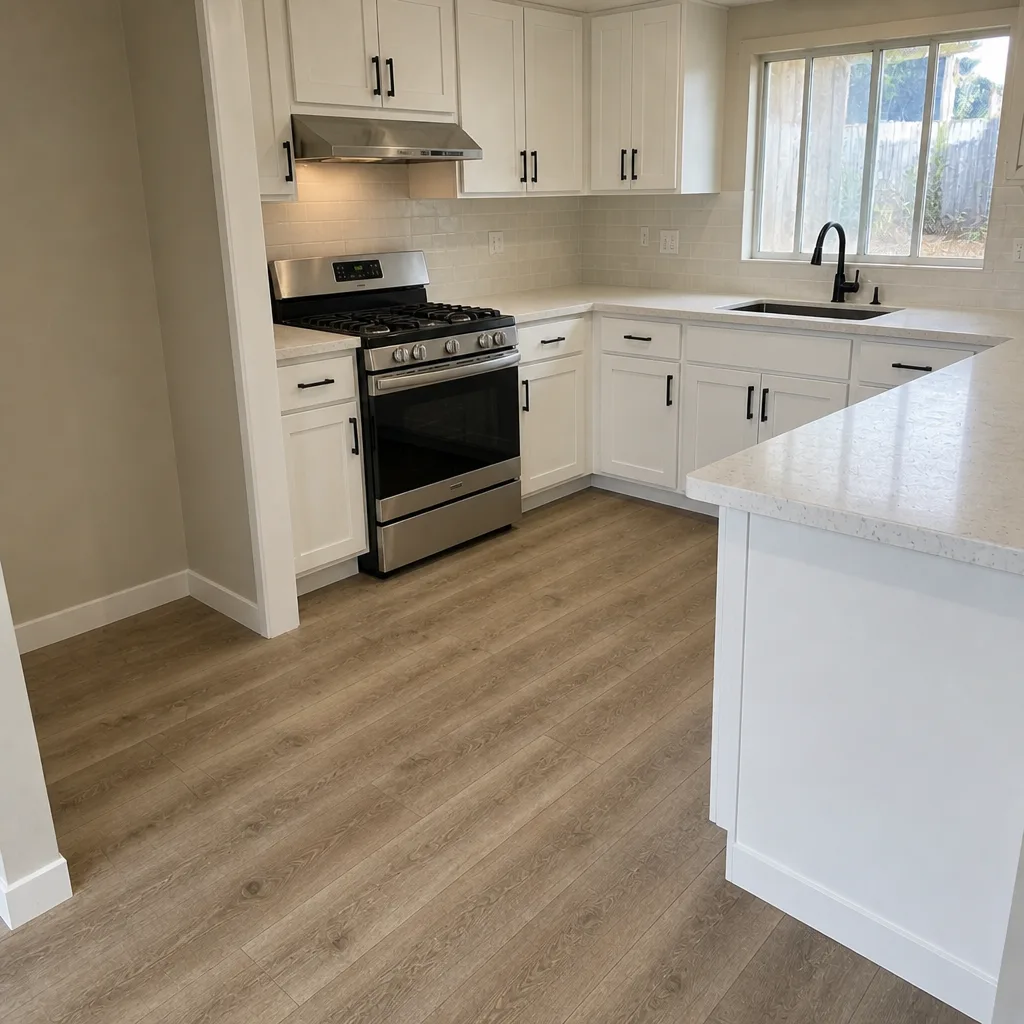 After
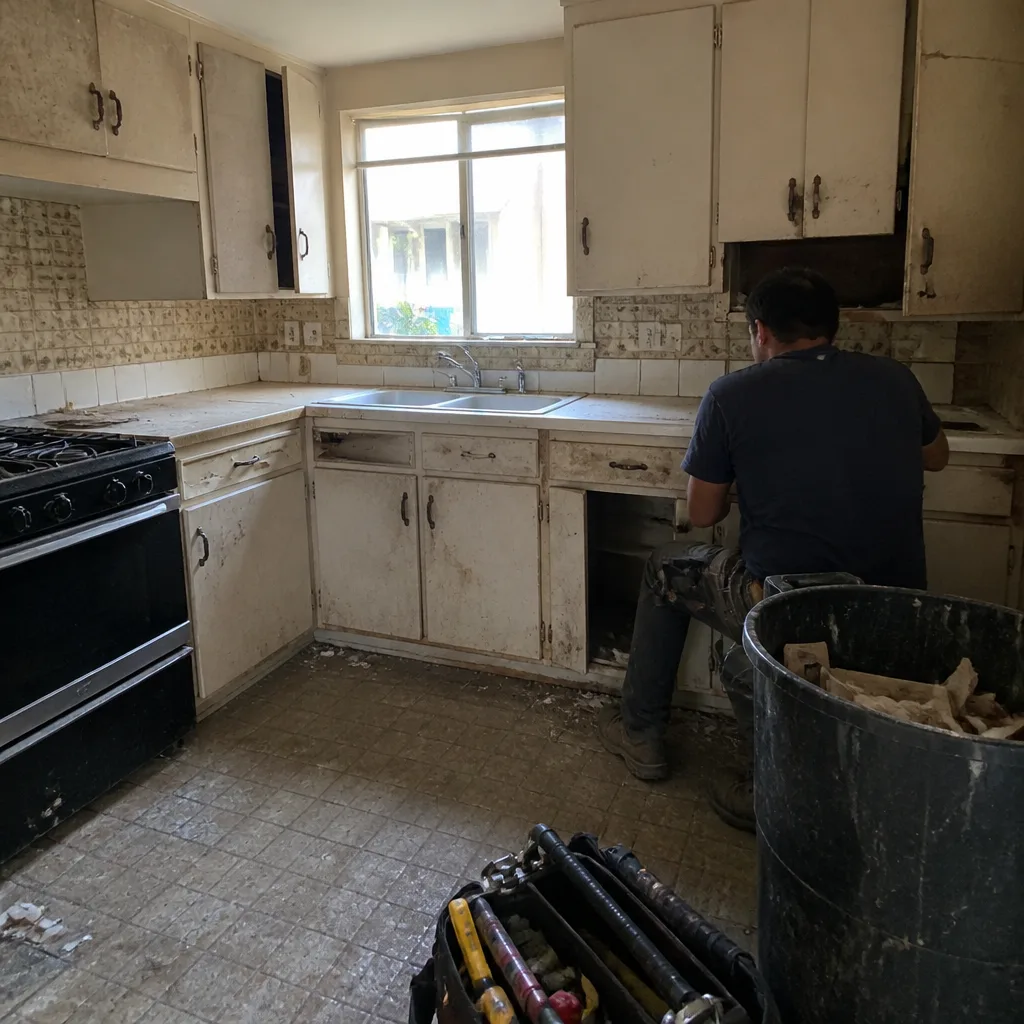 Before
 After
 Before
 After
When to Call a Professional
Some symptoms are warning signs. Some are emergencies. If water is pooling in a wall cavity, if electrical outlets feel warm to the touch, or if a structural crack has appeared in drywall within 12 months of a completion, stop and call a professional – don’t open the wall yourself to investigate. Older homes around Concord (especially those 50 years and up) may have wiring or plumbing that wasn’t visible during rough-in, and opening the wall without a pro on site risks injury or exposing an inspector’s signature. This is also when a licensed professional’s involvement becomes critical: if the failure relates to work still under warranty, an investigation by anyone else may void the coverage. Call the contractor first, then a licensed inspector if the answer isn’t clear. Bradford Remodeling Co Concord offers free estimates in Concord – call (866) 476-6447.
Frequently Asked Questions

The single most reliable signal is a bid with no line items and a request for a deposit before a written scope exists. That pattern predicts the rest: change orders without documentation, disputes resolved by delay, and warranty coverage that never gets used because there’s no company structure behind it. If the number is round and the scope is thin, ask for the full breakdown before any money changes hands.
Look up the license number on the Contractors State License Board website – the number on the truck should match the database, and the license should be active with no disciplinary actions. The number should also appear on the written contract. Verification is free and takes about 2 minutes.
You should pay a written, contract-defined deposit, never a cash request. A standard deposit is 10 to 15 percent of the total project price for a Concord remodel, paid by check or card. Anything meaningful above that, or a cash request, indicates a contractor with cash-flow problems – and that’s the same contractor who will disappear with your deposit if the job goes sideways.
Yes, in almost every case. Kitchen and bath remodels that involve moving plumbing, electrical, or framing require a permit from the City of Concord Building Division. The contractor should list the permit on the bid as a line item and pull it in their name. If the contractor says “you don’t need a permit for this,” get a second opinion before signing. A permitted job gets inspected at rough-in and again at final – that’s your protection against work covered up before it was ready.
A written warranty should specify the term (ours is 365 days from completion), what’s covered (materials and installation work), what’s excluded (damage from neglect or third-party modifications), and the remedy (return visit, correction at no charge, or substitute contractor fix with price difference deducted). Anything less than that specific isn’t really a warranty – it’s a paragraph that reads like one.
Ask for the name of the foreman on your job, and ask whether the crew is on the contractor’s payroll or brought in as independent subs. A serious contractor will give you a specific name, describe the crew structure, and let you meet the foreman before work starts. If the answers are vague, or if the “GC” can’t tell you who’s actually running your job, ask one more question: who comes back if the work fails inside the warranty window?
The Bottom Line
Red flags in Concord’s construction market are procedural, not dramatic. A round-number bid with no line items. A certificate of insurance you have to chase. A general contractor who can’t name the foreman on your job. A dispute clause that makes complaints expensive. An arbitration paragraph that sounds legal but exists to end conversations. A warranty that reads specific but excludes the installation labor. None of these is a scam on its own – each one is a pattern that predicts how the project will resolve when something goes wrong. The antidote is the same for all of them: get the price in writing, get the scope in writing, get the warranty in writing, and walk the site once a week with your phone. If you’re in Concord and want to see what a by-the-book bid looks like side by side, that’s what we’re here for.
For a free estimate and a written price before any work starts, call Bradford Remodeling Co Concord at (866) 476-6447. Our technicians have up to 22 years of experience, and every completed project carries the 365-Day Done Right Promise in writing. See what a squared-away bid looks like in person, or start with the Bradford Remodeling Co Concord home page to see how we work.
Written by the team at Bradford Remodeling Co Concord.